Rated among the world’s most beautiful botanical gardens, Parque Francisco Alvarado is an ornamental treasury of fantastical shapes. Designed in the 1960s, the park makes use of its stunning conifer cypresses which are trimmed and shaped into an array of super fun shapes.
Located in the charming town of Zarcero, the surreal gardens of Alvarado are a must-see for anyone visiting Costa Rica and looking for an off-beat attraction.
Where is Zarcero?
Zarcero is only an hour’s drive north-west from the capital, San Jose, and can easily be visited on a day-trip or on a stopover if you’re driving to popular hubs like Arenal, Monteverde and Manuel Antonio. Unless you have private transport – which we can include on all our Costa Rica adventure vacation packages– you’ll need to take a bus, which leaves from the bus terminal of Alajuela, known locally as the Coca Cola Terminus.
If opting for public transport, you can use Rome2Rio to work out your bus route.
What are the Zarcero gardens all about?
The botanical Alvarado gardens of Zarcero sit at the heart of the town, right by its stunning San Rafael Church on the main square. The park’s entrance is a row of more than a dozen archways, carved from cypress, which lead the way into a manicured garden filled with cypress-carved animals and abstract shapes of all sizes.
The surreal Zarcero gardens were designed and sculpted by the park’s curator, Don Evangelista Blanco, in 1964. Over the years, Blanco has carved everything from helicopters to dinosaurs, monkey-ridden motorbikes, traditional Tico oxcarts, animals and people of all shapes and sizes. Up until his dismissal in 2016, Blanco could still be seen tending to his prized garden creation, donning his signature fedora hat and holding a pair of garden shears. Don Blanco’s dismissal caused quite a stir in the tight-knit community and even though the local authorities found the reasoning to be somewhat adequate – after all, Don Blanco’s health was failing and the church was fearful of a workplace accident– they were still critical of his unceremonious dismissal. The fact that the matter was even investigated, and that a petition was drawn up to declare the park a national treasure, speaks volumes as to its standing in the community.
Zarcero Park is a popular local hang-out spot and acts as the true epicentre of town. There’s street-art on the outer walls and, in summer, the gardens are blanketed by a myriad of colourful flower beds. This is one of the most delightful urban parks to explore in all of Costa Rica.
What’s there to see and do in Zarcero, aside from the gardens?
The town Itself may not seem like it holds too much interest for tourists yet, if you were to stay for a night, you’ll find its authenticity utterly charming. This is a great place to visit if you’d love a look-see into a more traditional Costa Rica way of life.
Zarcero, a small town of only about 4,200 inhabitants, sits at an altitude of 1,700m (5,500ft), flanking the Cordillera Central range. Given its temperate-to-cool climate and mountainous surroundings, it is a popular weekend-getaway destination for city folks from San Jose, especially during the hottest and stickiest months of the year. Although not exactly crazy-popular with foreign tourists, the town still gets quite busy on weekends so if you’d like to visit at a quieter time, try to get here on a weekday.
Revered for its organic, locally-grown produce, Zarcero is, at the very least, a very delicious place to stop for a lazy lunch with a host of cafés and restaurant serving up amazing and authentic dishes. The local fresh cheese, a tastier and slightly drier version of mozzarella, is one of the best produce specialties of the town and an absolute highlight in the region. Nearby, you’ll find several dairy farms, some of which you can visit. When driving from San Jose, keep a lookout for street stands selling queso palmito and buy some for your road trip north.
Whilst visiting, also look out for delicious crystallised grapefruit snacks filled with sweetened milk, vine-ripened tomatoes and a host of organic tropical fruits.
Nearby, you can pay a visit to Finca Organica Tierra de Suenos, one of Zarcero’s most prized organic farms. Take a tour or simply let them know you’ll be coming through to stock up on some delicious produce.
The main draw in town, aside from the surreal gardens, is the San Rafael Church, a beautifully-designed 19th-century church showcasing an ornate and outstanding interior with paintings depicting the stations of the cross.
Here are some ideas of nearby activities and attractions that you could combine on a north-bound trip to Zarcero:
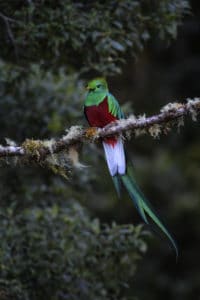
Juan Castro Blanco National Park – Just east of town is where you’ll find one of the most enchanting yet lesser-known of Costa Rica’s national parks. Known as ‘the park of the waters’, Castro Blanco covers a stunning area of mid-level cloud forests framed by three long-extinct volcanic peaks, all over 2,000m (6560ft) in altitude. Many prime rivers have their source right here, and the park encompasses three unique rainforest ecosystems at differing altitudes. This area is renowned for its extensive flower farms, many of which export their magnificent flowers all over North America. The park isn’t yet built for tourism, except for a super-luxe resort that attracts VIPs from all over the world. Trails are few and far between and camping is about the only way to experience this incredible and unspoiled wilderness. A particularly ideal destination for bird-lovers, Blanco is a great place if you’re in search of the ethereal Quetzal.
Bajos del Toro Reserve – One of the most spectacular hidden treasures of the Costa Rican central wilderness, the privately-owned Bajos del Toro Reserve borders Juan Castro Blanco and offers sensational wilderness experiences way off the beaten path. With its crystalline waterfalls and verdant forests, Toro is a sublime wildlife and wilderness destination for hikers, home to two of Costa Rica’s most splendid waterfalls: the aptly-named Tesoro Escondido (hidden treasure) and Toro Amarillo. Don’t forget to pack your swimsuit and, if you want to extend your visit, check out the awe-inspiring El Silencio Lodge & Spa, one of Costa Rica’s very best jungle lodges.
Tree House Hotel – Fringing the Children’s Eternal Rainforest, north-west of Zarcero, the Tree House Hotel is an exquisite accommodation for anyone looking for remoteness and exclusivity. Stay in a luxury treehouse and enjoy the spoils of an astonishing property that houses its own wildlife refuge and offers lucky guests a wealth of exciting activities. This is, by far, one of our favorite unplugged luxury stays in the entire country.
La Fortuna & Arenal – Zarcero is about halfway between San Jose and the bustling activities capital of La Fortuna, the base for Arenal Volcano adventures. This is arguably the most visited area of Costa Rica and a region that offers just about everything that makes our wonderful country so famous. Waterfalls and dormant volcanoes, hiking, ziplining, wildlife-watching and therapeutic hot-springs, alongside horseback riding, mountain bike riding, farm-visiting and, among this extensive cache of amazing experiences, among the best whitewater rafting and kayaking in all of Costa Rica.
Learn more about all the amazing things to do in Arenal and you’ll soon discover how easy it is to turn a quick one-day-trip to Zarcero’s surreal gardens into the most unforgettable, action-packed vacation of your life.
See our most popular Adventure Vacations in Costa Rica and, when you’re ready to shake off the quarantine cobwebs, contact us to know more.
With so many travelers stuck at home and forced to postpone their Costa Rica travel plans, we thought we’d help keep your wanderlust alive by sharing some of our favorite experiences that’ll be right here, waiting for you to finally visit. As we all take a deep breath and ride out this crazy Covid-19 global crisis, a virtual travel fix may be just what our soul needs most.
Ready for a Costa Rica vacation of your dreams? Then settle in with a cup of coffee (or better still, aPura Vida rum punch) and let your imagination take flight – these are the most magical experiences you can enjoy once we’ve kicked this pandemic to the curb!
Enjoy the uncrowded treasures of Costa Rica (and keep the good side of social distancing going!)
Social distancing may be a new term in our neck of the woods but, in Costa Rica, it’s part and parcel of every nature-drenched adventure vacation. Getting away from it all is simply too easy here and that’s the main reason Costa Rica is rated one of the most delightful, rejuvenating and soul-reviving holiday destinations on earth. Yes, you may be craving some social time, we get it, but you may also have started to appreciate aloneness, peace, and blissful quiet. We get that too.
There are quite a few uncrowded places we love to visit when we get some down-time and not all of them are in the back of beyond. Costa Rica is actually filled with lesser-known and lesser-visited places hidden in plain sight, even in the most touristed areas. When we’re in Guanacaste, we love taking a day out and goinghorseback riding in Rincon de la Vieja. This is one of our country’s most beautiful national parks but, for whatever mysterious reasons, it just doesn’t see the crowds of other parks. Just the ticket for a bit of delightful explorations.
Closer to home, we love spending a few hours soaking our tired bones in the gorgeous Titokú Hot Springs, one of Arenal’s best-kept secrets and a small but ridiculously charming natural hot-spring center. In this case, Titokú is lesser-visited because it’s surrounded by much more prominent hot-spring resorts so it tends to get lost in the crowd. Fabulous!
If you’re dreaming of a remote and uncrowded region where to spend some serious time, then you really shouldn’t hike past the Osa Peninsula, home to Costa Rica’s most biodiverse and isolated national park. Corcovado is a treasure-trove of wilderness and wildlife, one that requires a bit of time and effort to reach and one which, for obvious reasons, is blissfully untarnished.
Home to 50% of all the flora and fauna species in the country, Corcovado is one of the world’s most prized reserves, home to sloths, jaguars, crocodiles, tapirs, several species of monkeys and an endless array of spectacular birds. A selection of hiking trails and options for gentle river kayaking allows visitors to safely soak up the splendors of the park, responsibly and sustainably. You must plan your visit ahead of time and gain the necessary permits and, as well as rustic lodges just outside the park’s boundaries, there’s also a smattering of exquisite wilderness lodges that are simply out of this world. You’ll not find a better place to restore your heart’s contentment.
Given that we’ll probably be so over cities, houses and winter by the time we all emerge from our quarantine dens, it’s fair to say a beach vacation will be high on most people’s priorities.
We’ve got you covered!
Revered as a beach-vacay destination with unparalleled beauty and relaxation, Costa Rica is a seaside lover’s dream. Boasting over 800 miles of coastline and more than 300 jaw-dropping beaches, you really not need travel far to claim your corner of sandy paradise. The most famous and visited stretch of coast is along the central and northern Pacific, where lovely seaside towns and plenty of waterfront lodges make for easy vacation planning, especially if you can just get away for a few days. Fly into the Liberia Airport, if that’s the case, and your transfer to the coast will take even less time.
The most spectacular beaches in Costa Rica are household names to those who’ve visited before – we’re talking Manuel Antonio’s picture-perfect sandy shores, vibrant and social Tamarindo and Jaco, with its myriad of water sports. The west coast beaches are all about amazing swims, snorkelling and sunset admiring, and are quite ideal for honeymoon trips and for those who wish to include a few days of beach-bumming whilst still hiking and visiting the most prominent parks. Yet along the famous stretch, you’ll still find plenty of beaches off the most touristed trail: still keeping you very much central but also offering that lovely R&R stint you’ll probably crave.
Take a family adrenaline-packed adventure
By the end of this pandemic mess, we may well have spent weeks and maybe even months cooped up in our homes, both kids and adults going bonkers with boredom and anxiety. The perfect cure? A full-on, adventure-packed vacation in Costa Rica!
Break free of those restrictions and let your adrenaline pump through your veins by tackling a weeklong stint chock-full of exhilarating activities. From whitewater rafting and kayaking to hard-core hiking, thrilling mountain biking, canyoning and amazing canopy swinging…and that’s just the start.
*Week of Adventures – Our 8-day adventure vacation package is arguably the single most popular tour we offer and is specifically aimed at those who want to try a little of EVERYTHING Costa Rica offers: all the major activities plus plenty of time to unwind on a glorious beach, wildlife encounters and amazing feasting on local specialties, every single day. The most comprehensive itinerary for those who need to catch up on fun and adventure? This is it!
*Honeymoon & Romance – If weeks of homebound quarantine has pushed your relationship to the brink, now’s your time to start planning a romantic getaway that’s set to rekindle the love! Our exotic itineraries will see you soak up the magic of Costa Rica’s luxury lodges, where sunset cocktails, intimate dinners and private bungalows are the norm, all the while filling your days with a wonderful mix of adventure sports and relaxing indulgences. The perfect, post-pandemic honeymoon? You bet!
*Family Vacations– Children the world over are having a difficult time understanding the ins and outs of our current crisis and, whether or not you’re choosing to home-school (or not) for a while, your whole family is probably looking forward to the day where normality returns. And then, it’s time for a glorious reward! Take the kids (and yourselves) out of your comfort zones and celebrate your freedom and good health in style, with an unforgettable family adventure vacation in Costa Rica. Swap your four walls for pristine jungles, beaches and mountains and spend quality time together doing fun and exhilarating activities, together. Our family vacation itineraries are planned with kids AND adults in mind, including plenty of rainforest experiences, wildlife spotting and adventure sports suitable for all ages.
*Week of Rivers – For whitewater lovers, specifically, we plan outstanding weeklong paddling adventures on Costa Rica’s best-rated rivers. This is the land of world-class kayaking and canoeing and, thanks to our team of experienced guides, are can offer runs for both novice and experienced paddlers. This is our most dedicated tour, the one that’s solely focused on river-based fun. Want to indulge your passion or, perhaps, kindle a new one? Costa Rica awaits!
And we are too…waiting to welcome our adventure-seeking guests with open arms.
Regarded as one of Costa Rica’s most stunning beaches, Playa Cocles is a picture-perfect Caribbean paradise. The beach and its namesake village are two miles south of Puerto Viejo, the most established beach town on Costa Rica’s eastern coast, in the wilderness-drenched Limon province.
The most spectacular beach in this entire southern Caribbean coast, Cocles is a mile-long sandy beach framed by swaying palm trees and boasts arguably the best surfing waves on Costa Rica’s eastern coast so attracts beach lovers and surfers from every corner of the globe. Given the remoteness and lack of excessive commercialization, however, Playa Cocles, Puerto Viejo and the whole nearby region remain blissfully uncrowded and authentic. Add an infusion of eclectic cultures, thanks to the coast’s Afro-Caribbean influence and indigenous Bribri roots, and what you’ll discover is a totally unique side to Costa Rica.
What makes Cocles such an idyllic beach?
Although ‘Caribbean’ and ‘idyllic’ usually go hand in hand, many first-time visitors to the eastern coast of Costa Rica will be surprised to learn that much of the coast is not all that fabulous for swimming. This is especially true of the very north, where dark-sand beaches are set among mangroves and, therefore, not suitable beach-vacation destination.
Of course, the southern half of the coast is another matter although even here, surfers have a difficult time finding suitably wicked waves. Cocles, in this regard, seems to really have it all: glistening sandy shores for sunbathing, crystal-clear shallows for swimming and outstanding waves for surfing. The mix of calm and wavy seas also facilitating an abundance of water-sports galore.
Laid-back and enjoyable with turquoise waters, tropical surroundings and a surprisingly vibrant vibe thanks to the offerings of water sports, bars, stalls and restaurants nearby, Cocles is as relaxing as it is sociable and invigorating, and makes the ideal spot in which spend a few glorious days either at the start or end of your adventure-packed Costa Rica vacation.
For couples, families and anyone looking for a superbly convenient Caribbean beach destination, then Playa Cocles is unsurpassed.
How to get there?
Playa Cocles is just north of the border with Panama, on the north-eastern side of the spectacular Talamanca Mountains. To reach it, take the National Road 32 from San Jose to Puerto Limon, the capital and largest city of the Limon province, and continue south along the coastal road 36 for another 35 miles or so. All up, it takes about 4 hours to cover the distance, on a drive that is exceptionally enjoyable and chock-full of sensational scenery.
The drive crosses through the spectacular Braulio Carrillo National Park, offering glimpses of Costa Rica’s lush interior.
Practical Information for Visiting Playa Cocles
Distance & Location
Playa Cocles is located 3.2 kilometers (2 miles) south of Puerto Viejo town center and approximately 220 kilometers (137 miles) from San José’s Juan Santamaría International Airport. The beach sits in the Limón province on Costa Rica’s southern Caribbean coast, making it one of the most accessible tropical beaches in the region.
Getting to Playa Cocles
By Car
The journey from San José takes approximately 4 to 4.5 hours via National Road 32 through Braulio Carrillo National Park, continuing to Puerto Limón, then south on coastal Route 256. The final stretch from Puerto Viejo to Cocles is a well-maintained, paved road requiring no 4×4 vehicle. Travel time from Puerto Viejo town center is just 5-10 minutes by car. Many visitors combine their beach time with adventure activities in nearby Turrialba before heading to the coast.
Parking at Playa Cocles
There is no formal parking lot at Playa Cocles. Visitors park along Route 256, the main coastal road running parallel to the beach. Parking is free but unmonitored, so valuables should never be left visible in vehicles. Lock all doors, roll up windows, and consider parking near establishments with active foot traffic.
During busy weekends and high season, parking spots near the main beach entrance fill quickly. If spaces are limited, continue driving 100-200 meters south along Route 256 where additional roadside parking is typically available.
By Bicycle
Cycling is the most popular transportation method among both visitors and locals. The flat, scenic ride from Puerto Viejo town takes 10-15 minutes along Route 256. Bicycle rentals are available throughout Puerto Viejo for approximately $8-15 per day. The ride offers ocean views and is considered safe during daylight hours.
By Public Bus
Buses depart from Puerto Viejo heading to Manzanillo and stop at Playa Cocles upon request. Weekday schedule: 6:45, 7:45, 9:45, 11:45, 13:45, 16:45, 18:45, 19:45. Sunday schedule varies slightly with departures at 7:45, 9:45, 10:45, 11:45, 12:45, 13:45, 15:45, 17:45, 19:45. Fare is approximately $1-2 USD. Flag down the bus along Route 256 when ready to return to Puerto Viejo.
By Taxi
Taxis from Puerto Viejo to Cocles cost approximately $5-8 USD. Many accommodations can arrange taxi pickups, or visitors can request taxi service through their hotel.
Safety & Beach Conditions
Playa Cocles stands out among Caribbean beaches for having lifeguards on duty during daylight hours, typically from 8:00 AM to 5:00 PM, making it one of the safer swimming options in the region. The lifeguard station is located near the main beach entrance.
However, ocean conditions require caution. Strong currents and rip tides occur frequently, particularly directly in front of the main beach entrance. Swimmers should always stay within designated swimming areas marked by lifeguards and follow posted safety instructions. The current is strongest when waves are largest, typically during the January to March surf season.
For families with young children, the southern end of the beach near where the Cocles River meets the ocean tends to have calmer waters. During low tide, small tidal pools form in this area, creating safer spots for children to play.
The beach stretches approximately 2 kilometers (just over a mile), and while the western end near the main entrance sees the most activity, walking south provides more secluded areas with fewer crowds, especially during weekdays.
What to do on Playa Cocles
Surfing is the #1 water sport on Cocles and you’ll find a bunch of surf shops offering board rentals and classes for novices
Swimming is a lot more enjoyable on Playa Cocles, mostly because it’s the only beach in the region to boast lifeguards. Still, currents can be strong if you venture out so keep away from the big waves (and the surfers) and enjoy your frolic closer to shore
Horseback riding is also immensely popular with local guides taking guests on the beach itself and into the neighboring luscious jungles where you can spot toucans, sloths, monkeys and a crazy array of exotic and colorful birds
Wellness spa treatments, because physical and mental relaxation go hand-in-hand with dreamy Caribbean beaches
Beach volleyball & football are almost a given on any Costa Rican beach but especially on Cocles
Los Guardianes Wildlife Refuge, a privately-run sanctuary home to an array of rescues of many endangered Costa Rican species, including ocelot and a variety of monkeys, amphibians, reptiles and a ton of obscure creatures you didn’t even know existed. Los Guardianes covers an expansive chunk of superbly biodiverse wilderness comprising very rare coastal rainforest. The great thing about this place is that, whilst you can take a professionally guided night or day walk (perfect for seeing a greater concentration of wildlife) can also simply visit and walk the trails independently
Farm visits in this luscious region of Costa Rica are very rewarding and here you’ll find one of the bestest chocolate tours in the country (Chocorart) and a very fascinating permaculture farm (Finca Tierra) that is spearheading sustainable farming in the region.
Visit the Manzanillo Nature Observatory, an amazing hiking, animal-spotting and accommodation option just a few miles from Playa Cocles. The crowning jewel here is an 82ft-high viewing platform overlooking the verdant wilderness of the Gandoca wildlife sanctuary
Tasty Waves is the social hub of Cocles beach, offering fantastic lunch specials and a variety of social events in the evening like community movie, trivia and live-music nights.
Surfing at Playa Cocles
Playa Cocles ranks among the Caribbean coast’s premier surf destinations, attracting wave riders from beginners taking their first lesson to experienced surfers chasing consistent breaks. The beach offers multiple surf spots catering to different skill levels, making it an ideal location for surf camps, lessons, and solo sessions.
Best Surf Season
January through March delivers the most consistent surf conditions at Playa Cocles. During these months, Caribbean swells generated by winter storms in the North Atlantic produce larger, more powerful waves. Swell direction is typically from the northeast, creating clean, well-formed breaks along the beach.
September and October can also produce excellent surf as Caribbean weather patterns shift, though conditions during these months are less predictable than the January-March window.
Surf Breaks at Cocles
The Beach Break
The main break at Cocles, known locally as “The Beach Break,” runs along most of the beach’s length. This break produces both left and right-hand waves breaking close to shore, making it ideal for shortboarders. The ride is typically short and powerful, breaking over a sandy bottom with occasional rocky patches.
During high tide, The Beach Break offers longer rides as water depth increases, allowing waves to form farther from shore. This is the best time for longboarders to catch extended rides. Low tide produces shorter, punchier waves that break very close to the sand.
Island Break (Pirripli Key Break)
Near the small offshore island called Pirripli Key, a left-hand point break forms when swells reach appropriate size and direction. This break is more advanced and works best when waves are overhead or larger. On optimal days, rides can extend almost the full length from the island toward the southern end of the beach.
The Island Break requires strong paddling skills and knowledge of reef breaks, as shallow coral and rock create the wave formation. Local surfers dominate this spot on good days, and visitors should respect the lineup and local surf etiquette.
Beginner Zone
The area directly in front of the main beach entrance and lifeguard station offers the gentlest waves, particularly during high tide and smaller swell days. Multiple surf schools operate in this zone, and instructors position students where breaking waves are softest and most forgiving.
Beginners: Stick to the main beach entrance area during high tide when waves are in the waist-to-chest high range. Many first-time surfers find success here, though even gentle waves pack more power than Pacific coast beginner breaks due to the proximity to deep water offshore. Two-hour beginner lessons are widely available and highly recommended for those new to surfing.
Intermediate Surfers: The Beach Break along the central portion of Cocles offers consistent action for those comfortable paddling into shoulder-to-head high waves. Both left and right options allow for turns and cutbacks. Shortboards are preferred, though skilled longboarders enjoy the variety of peak options along the beach.
Advanced Surfers: The Island Break near Pirripli Key and the northern end of the beach provide the most challenging waves. When swells arrive, these spots produce hollow, powerful waves breaking over shallow reefs and rock bottom. Only confident surfers with strong paddling and wave knowledge should attempt these breaks.
Surf Schools and Rentals
Multiple surf operations line the beach at Cocles, offering:
Lessons: Two-hour beginner group lessons typically cost $40-60 USD per person and include board rental and instruction. Private lessons run $60-100 USD. Most schools offer multi-day packages at discounted rates.
Board Rentals: Shortboards and longboards rent for $10-20 USD per day, with discounts for multi-day rentals. Most rental operations are small, locally-owned businesses run by lifelong surfers who can provide current surf reports and tide information.
Surf Camps: Several accommodations near Cocles specialize in surf packages that include lodging, meals, daily lessons, and board rentals. These range from budget backpacker hostels to mid-range surf lodges.
Tide and Timing
High tide generally produces the best conditions for most surfers at Cocles, offering longer rides and more forgiving wave faces. Low tide creates faster, more critical waves that break very close to shore.
Dawn patrol sessions (around 6:00 AM) often provide the cleanest conditions with offshore winds and fewer people in the water. Mid-morning through early afternoon can see winds pick up, creating choppy surface conditions. Late afternoon sometimes brings a second window of good conditions as winds calm.
Checking the surf report at local shops or asking lifeguards about current conditions is always recommended before paddling out.
Pirripli Key: The Island with a Legend
Just 150 meters offshore from Playa Cocles sits a small, jungled island known locally as Pirripli Key. Visible from anywhere along the beach, this uninhabited island adds scenic beauty to the coastline while creating unique surf conditions when swells wrap around its edges.
The Pirate Treasure Legend
According to local Caribbean folklore passed down through generations of Puerto Viejo families, Pirripli Key guards a dark secret from the days when pirates prowled these waters. The tale speaks of a pirate captain who buried his plundered treasure on the island’s highest point, intending to return for it after completing one final voyage.
Before departing, the captain gathered his crew and asked for a volunteer to guard the treasure until his return. One loyal sailor stepped forward, eager to prove his dedication. The captain thanked him; then killed him on the spot. According to the legend, a treasure guardian must never be tempted to steal what he protects, so the sailor’s soul was bound to the island for eternity, guarding the gold and jewels from any who would dare search for them.
Whether the story holds truth or simply serves as a cautionary tale to keep adventurous visitors from attempting dangerous swims to the island, local fishermen and longtime residents swear the island carries an eerie presence, particularly at night when mist rolls in from the open ocean.
Pirripli Key Today
Modern visitors primarily value Pirripli Key for the excellent surf break it creates rather than buried treasure. The island’s position creates a left-hand wave that peels along its edge when Caribbean swells arrive from the northeast. On large swell days, this wave ranks among the longest rides on the southern Caribbean coast.
The island itself remains wild and overgrown, home to seabirds, iguanas, and dense coastal vegetation. Swimming or kayaking to the island is not recommended due to strong currents, sharp coral near the shore, and respect for local legend. The best views of Pirripli Key come from the beach itself, particularly during golden hour when the setting sun illuminates its palm-lined silhouette.
Where to Eat at Playa Cocles
After hours in the sun and surf, Playa Cocles delivers an impressive variety of dining options ranging from casual beachside eateries to food stalls serving authentic Afro-Caribbean cuisine. The dining scene reflects the area’s laid-back vibe while showcasing the cultural fusion that makes the southern Caribbean coast unique.
Beachfront Restaurants and Bars
#1 Tasty Waves Cantina
The undisputed social hub of Playa Cocles, Tasty Waves sits directly across Route 256 from the main beach entrance. This open-air cantina serves as a restaurant, bar, and community gathering spot rolled into one. The menu features Caribbean-inspired dishes including fresh fish tacos, rice and beans, patacones (fried plantains), and generous casados (traditional Costa Rican plates).
Daily lunch specials run $8-12 USD and often feature fresh catch-of-the-day preparations. Cold beer, tropical cocktails, and fresh fruit batidos (smoothies) keep visitors refreshed. Evenings at Tasty Waves bring the beach community together with rotating events: Monday movie nights project films on a large screen, Wednesday trivia challenges test knowledge of Caribbean culture and Costa Rican history, and Friday and Saturday nights feature live reggae, calypso, and Latin music from local bands.
#2 Sushi Waves
Despite the Caribbean location, Sushi Waves has earned a devoted following for its fresh sushi and unique Peruvian-Chilean fusion approach. The open-air restaurant sits just steps from the sand, offering front-row ocean views while dining. The menu blends traditional Japanese preparations with Latin American influences—think ceviche-style sushi rolls, aji amarillo-spiked sauces, and tropical fruit incorporated into specialty rolls.
Prices are moderate by beach standards, with rolls ranging $8-14 USD. The location makes it perfect for sunset dining, when golden light bathes the beach and surfers catch final waves before dark. Weekend service can be slow during busy periods, but the oceanfront ambiance and quality justify the wait.
#3 Playa 506
This beachfront hostel operates a casual bar and restaurant open to both guests and walk-in visitors. The menu keeps things simple with snacks, sandwiches, and light meals alongside a solid selection of craft beers, including several from Costa Rican microbreweries. The vibe skews young and social, with backpackers, surf bums, and long-term travelers gathering at communal tables.
Happy hour specials (typically 4:00-6:00 PM) bring deals on Imperial and Pilsen beers. The location directly on the beach allows diners to keep one eye on the waves while eating. Volleyball games in the adjacent court often provide dinner entertainment.
#4 Weekend Street Food
The Cocles food scene explodes on weekends when local vendors set up along Route 256 and on the beach itself. This is when authentic Afro-Caribbean home cooking takes center stage.
Take It Easy has become legendary among weekend regulars for serving some of the best rice and beans on the entire Caribbean coast. Cooked in coconut milk with herbs and spices reflecting the Afro-Caribbean tradition, the rice forms the base for plates topped with stewed chicken, grilled fish, or beef. Patacones, coleslaw, and sometimes fried plantain complete the plate. Expect to pay $6-8 USD for generous portions that satisfy post-surf appetites.
Other weekend vendors offer:
Fresh ceviche made with the morning’s catch
Grilled whole fish with garlic and lime
Empanadas stuffed with cheese, meat, or vegetables
Fresh coconut water served straight from the shell
Tropical fruit salads with lime and chile
Street food quality is generally excellent, as vendors compete for regular customers. Weekends draw locals from Puerto Viejo and surrounding areas, creating a festive market atmosphere along the beach road.
Quick Bites and Refreshments
Throughout the week, smaller vendors circulate along the beach selling:
Fresh fruit smoothies and batidos ($3-5 USD)
Coconuts hacked open with machetes ($2-3 USD)
Coffee from morning until early afternoon ($2 USD)
Cold beer and soft drinks ($2-4 USD)
Homemade popsicles and ice cream ($1-2 USD)
Several small sodas (Costa Rican casual eateries) operate along Route 256 within walking distance of the beach. These family-run spots serve authentic, inexpensive casados, gallo pinto (rice and beans), and fresh fruit juices.
For those interested in learning more about traditional Costa Rican eateries, sodas throughout the country offer authentic local experiences at affordable prices.
Groceries and Supplies
Two small convenience stores near the main Cocles beach entrance stock basic supplies: bottled water, snacks, sunscreen, beer, and limited groceries. Prices run 20-30% higher than Puerto Viejo supermarkets due to the beach location.
For better selection and prices, stock up at the Automercado or other supermarkets in Puerto Viejo before heading to the beach. This is especially important for families staying in vacation rentals or anyone planning extended beach days.
The jungle-beach interface at Playa Cocles creates exceptional wildlife viewing opportunities, with the lush coastal rainforest meeting golden sand. Even casual beachgoers regularly spot interesting animals, while those venturing into nearby trails often encounter an impressive variety of tropical species.
Common Wildlife Sightings
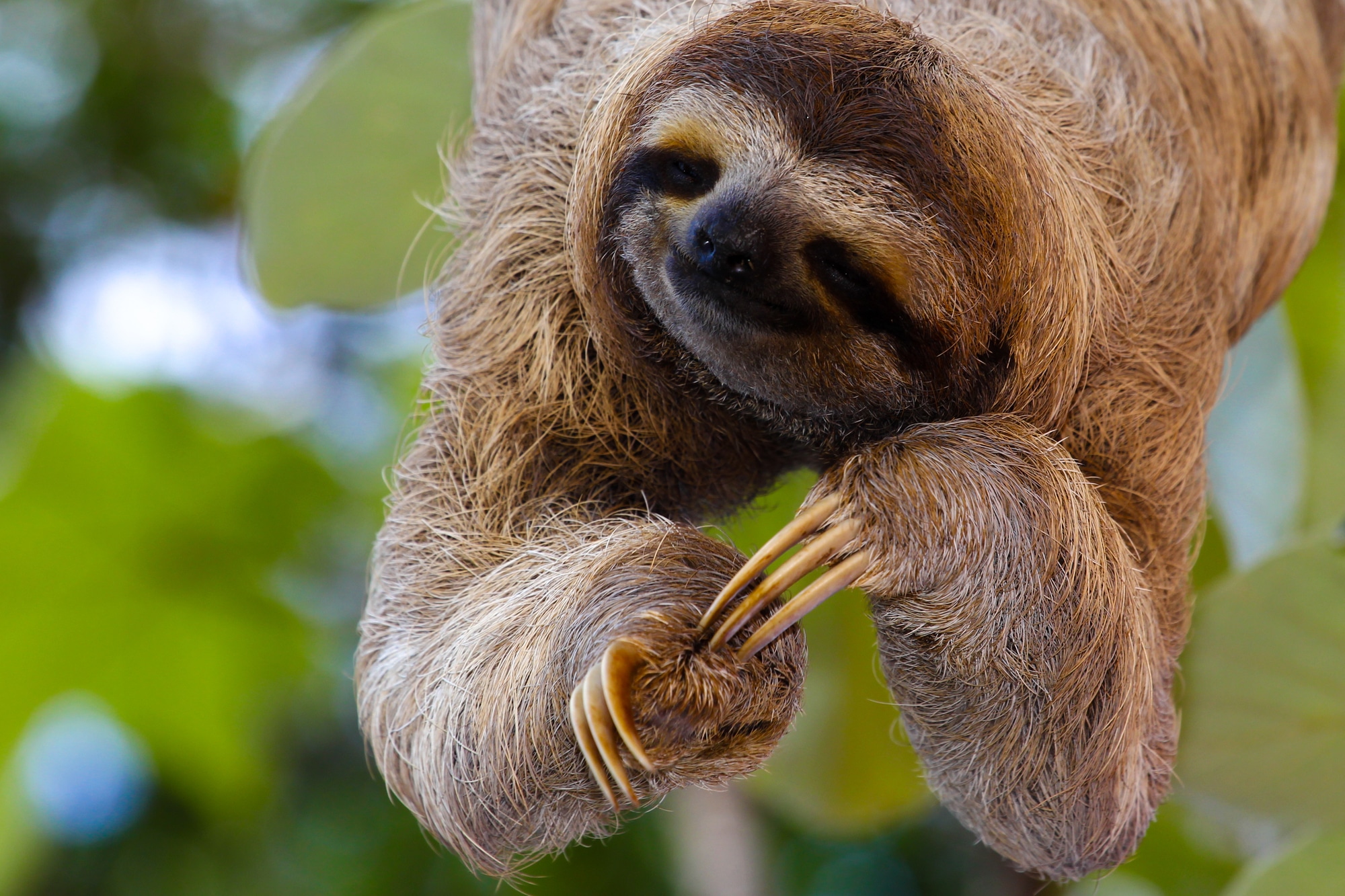
Three-Toed Sloths
Best Time to visit Playa Cocles
Inherently tropical, Playa Cocles enjoys a hot and humid climate, all year long. Due to the proximity of high mountains, this side of the country sees opposing rainy months to the Pacific although, overall, sees a lot more rain all year long. The months with the least rain are between February and April and again between August and October, a time when the western Pacific coast is suffering its heaviest rainfalls. Playa Cocles, Puerto Viejo and the whole Caribbean side is the ideal Green Season destination as, during the rainiest months in Costa Rica, these hubs are enjoying their driest season.
Cocles can get quite busy on weekends so, if you can, choose to spend your days here during the week if you’re looking for a quieter and more contemplative stint of seaside R&R.
These famously slow-moving mammals inhabit the cecropia trees along the beach and throughout the Cocles area. Look up into the canopy, particularly in trees with large, umbrella-like leaves; sloths feed almost exclusively on cecropia leaves. They appear as lumpy masses of brown-gray fur, often completely motionless. Early morning and late afternoon provide the best viewing opportunities when sloths may be actively moving between trees or feeding positions. The local sloth population is healthy, and patient observers will almost certainly spot at least one during a visit to Cocles.
Howler Monkeys
The deep, roaring calls of howler monkeys often serve as a natural alarm clock in Cocles, with troops calling most actively at dawn and dusk. These large, black primates travel in family groups through the forest canopy, feeding on leaves, flowers, and fruits. Their howls, among the loudest sounds produced by any land animal, can carry for several kilometers through the jungle.
One important wildlife safety tip: never stand directly beneath howler monkeys. They are known to urinate and defecate on perceived threats below, and their aim is unfortunately quite accurate. If howlers are moving through trees overhead, simply step to the side and observe from a safe angle.
White-Faced Capuchin Monkeys
These smaller, highly intelligent primates are the tricksters of the Cocles beach area. White-faced capuchins are bold, curious, and skilled thieves. They have learned that tourists equal food, and they employ impressive problem-solving skills to access backpacks, bags, and unattended belongings.
Never feed monkeys, as this reinforces problematic behavior and makes them increasingly aggressive toward humans. Keep all food secured in closed bags, don’t leave belongings unattended on the beach, and if capuchins approach, stand firm and don’t engage. Showing food or reaching into bags while they watch essentially invites theft.
Despite their mischievous reputation, capuchins are fascinating to observe. Watch them manipulate objects with hand-like paws, communicate with various vocalizations, and demonstrate coordinated group behavior. Just keep snacks secured and cameras ready instead of food accessible.
Toucans
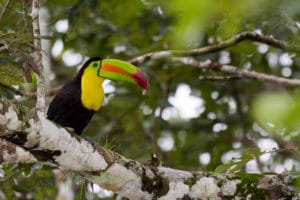
The Caribbean coast hosts several toucan species, with the keel-billed toucan and chestnut-mandibled toucan most common around Cocles. These iconic birds with oversized, colorful beaks fly between fruit trees in the morning and late afternoon. Their distinctive calls; ranging from croaking sounds to sharp yelps; often announce their presence before they come into view.
Toucans prefer the canopy level, so scanning the tops of tall trees along the forest edge yields the best sightings. They often travel in small flocks, moving from tree to tree in search of ripe fruits.
Poison Dart Frogs
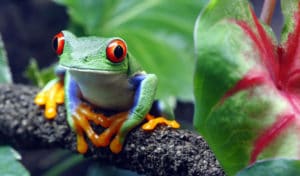
The leaf litter and low vegetation along jungle trails near Cocles hide one of the region’s most spectacular creatures: poison dart frogs. Several species inhabit the area, displaying brilliant colors; strawberry red, electric blue, and neon green warn potential predators of their toxic skin secretions.
These thumbnail-sized amphibians are most active during and after rain. Walk slowly on trails and scan the forest floor and low vegetation. Once eyes adjust to their size, poison dart frogs become easier to spot. They are harmless to observe (the poison only affects animals that try to eat them), and they make excellent photography subjects due to their vibrant colors and relatively stationary behavior.
Green Iguanas
Large green iguanas bask on tree branches throughout the Cocles area, particularly along the beach edge where they climb palm trees and other vegetation. Males can exceed six feet in length, with dewlaps (throat fans) and spiky crests along their backs. They appear prehistoric and intimidating but are completely harmless herbivores.
Iguanas sun themselves during the warmest parts of the day, becoming more active in early morning and late afternoon when they feed on leaves, flowers, and fruits. They swim well and occasionally cross the beach to reach different trees.
Wildlife enthusiasts will find similar biodiversity throughout Costa Rica’s jungles, from the cloud forests of Monteverde to the rainforests of the Osa Peninsula.
Bird Watching
Beyond toucans, the Cocles area hosts hundreds of bird species. Common sightings include:
Montezuma oropendolas with their distinctive hanging nests
Various hummingbird species visiting tropical flowers
Parrots and parakeets flying in screeching flocks
Trogons in the forest understory
Herons and egrets along the beach and river mouth
Frigate birds soaring overhead
Brown pelicans diving for fish offshore
Serious birders should visit Los Guardianes Wildlife Refuge or take guided nature walks where expert naturalists can identify species by sight and call.
Los Guardianes Wildlife Refuge
For more intensive wildlife experiences, Los Guardianes Wildlife Refuge protects an extensive tract of coastal rainforest near Playa Cocles. This privately-run sanctuary rescues and rehabilitates injured and orphaned wildlife while providing habitat for wild populations.
The refuge offers both self-guided trail access and professional guided tours:
Day Walks: Guided hikes lasting 2-3 hours explore the refuge’s trail system through primary and secondary rainforest. Naturalist guides point out wildlife, explain ecosystem relationships, and share information about conservation challenges. Cost is typically $25-35 USD per person.
Night Walks: After dark, the forest comes alive with nocturnal species rarely seen during daytime. Night walks reveal frogs, snakes, sleeping birds, kinkajous, and insects. These tours provide an entirely different perspective on tropical forest biodiversity. Cost is similar to day walks, and flashlights are provided.
Self-Guided Access: Visitors can walk the refuge trails independently during daylight hours for a small entrance fee (typically $5-10 USD). While guides dramatically increase wildlife spotting success, independent exploration allows for flexible timing and peaceful forest immersion.
The refuge is home to rescued ocelots, various monkey species, sloths, reptiles, and amphibians that cannot be released into the wild. These educational animal ambassadors help visitors learn about species threats and conservation needs.
The Jaguar Rescue Center, located at nearby Playa Chiquita, offers another excellent opportunity to learn about wildlife rehabilitation efforts on the Caribbean coast.
Where to stay
Given that Cocles is nothing more than a handful of huts and food stalls, the village itself doesn’t offer many accommodation options. However, there’s a handful of amazing eco-lodges and guesthouses nearby that are set in superb wilderness so you need to stay in the heart of bustling Puerto Viejo if you don’t wish to. From rustic seaside bungalows to indulgent luxury lodges, your accommodation options are varied. Our favorite in these parts is the Sloth Sanctuary Inn, which isn’t all that flash BUT boasts a resident sloth, named Buttercup, who makes the whole experience absolutely magical.
See our guide to Puerto Viejo for more accommodation, nightlife and dining options nearby
Luxury Accommodations
#1 Le Cameleon Boutique Hotel
This upscale property sets the standard for luxury on the southern Caribbean coast. Le Cameleon offers contemporary rooms with air conditioning, flat-screen TVs, and modern design that balances tropical aesthetics with refined comfort. The on-site restaurant serves breakfast, lunch, and dinner with international and Caribbean fusion cuisine. A swimming pool with lounge areas provides space for relaxation, while the massage bar offers professional spa treatments. The property includes a yoga studio with scheduled classes and a full-service spa with body treatments, facials, and therapeutic massages.
The beach is just across Route 256, a one-minute walk from rooms. Service is attentive, and the property maintains high cleanliness standards. Rates typically start around $200-300 USD per night depending on season. Le Cameleon attracts honeymooners, couples celebrating anniversaries, and discerning travelers seeking upscale comfort in a tropical setting.
#2 Geckoes Lodge
Another top-tier option, Geckoes Lodge provides intimate boutique accommodations with personalized service. The property features beautifully designed bungalows and suites incorporating natural materials, local art, and modern amenities. Each accommodation includes air conditioning, rainfall showers, and private terraces with hammocks and seating.
The lodge sits within lush gardens where wildlife sightings are common from private terraces. Though smaller than Le Cameleon, Geckoes offers a more personal experience with attentive staff who remember guest names and preferences. Breakfast is included, featuring fresh tropical fruits, local coffee, and made-to-order hot dishes.
Rates are comparable to Le Cameleon, typically $200-300 USD per night, with the beach accessible within a short walk.
Mid-Range Accommodations
#3 Cariblue Beach & Jungle Resort
Sprawling across five acres of beachfront and jungle property, Cariblue has established itself as one of Cocles’ most popular mid-range resorts. The property offers diverse accommodation types to suit different needs and budgets:
Standard rooms in the main building with air conditioning
Private bungalows nestled in gardens
Ocean-view apartments ideal for families or longer stays
Two swimming pools provide plenty of space even when the resort reaches capacity, and one features a swim-up bar serving cocktails and light food throughout the day. The on-site restaurant prepares Caribbean and international dishes, though some guests find walking to nearby restaurants adds variety.
The Totem Surf School operates from Cariblue, making it perfect for surf-focused trips. Equipment rental, lessons, and surf packages can be arranged at reception. Aqua Caribbean Spa offers massages and beauty treatments on the property.
Rates range from $80-150 USD per night depending on accommodation type and season. Families appreciate the space and amenities, while surfers value the proximity to the waves and on-site surf school.
#4 Caribe Town Bungalows
Located directly across from the beach, Caribe Town comprises five private bungalows, each with distinct character and layout. Two bungalows include air conditioning—a significant comfort during the humid Caribbean summers—while others rely on ceiling fans and ocean breezes.
The property features a swim-up bar that becomes a social hub in the afternoons, and an on-site spa offers massage and wellness treatments. The resort atmosphere is relaxed and social without being party-focused. The honeymoon bungalow provides extra privacy and romantic touches for couples, including a larger private deck and upgraded amenities.
Bungalows sleep 2-4 guests depending on configuration, with rates from $90-160 USD per night. The beachfront location is unbeatable, with guests crossing the road and stepping directly onto the sand.
#5 Physis Caribbean B&B
This intimate bed and breakfast offers just four rooms, creating a peaceful, personalized experience impossible at larger properties. The owners, longtime Cocles residents, provide warm hospitality and local knowledge. Rooms are clean, comfortable, and include air conditioning.
Breakfast features fresh tropical fruits, homemade bread, local coffee, and hot dishes prepared to order. The small scale means the owners often dine with guests, sharing recommendations for beaches, restaurants, and hidden gems around the southern Caribbean coast.
The property maintains beautiful gardens where birds and butterflies are abundant. Rates typically run $80-110 USD per night including breakfast, representing excellent value for the personalized attention and quality. Physis appeals to couples seeking intimacy and authenticity over resort amenities.
#6 La Perla del Caribe
This charming property offers colorful cabins with Caribbean design and comfortable, simple accommodations. Surrounded by gardens teeming with tropical plants, the property feels like a jungle hideaway while remaining close to the beach. Cabins include fans, private bathrooms, and small terraces for enjoying morning coffee.
The atmosphere is quiet and nature-focused, ideal for travelers prioritizing peace and wildlife over nightlife and activities. Rates are very reasonable at $60-90 USD per night, and the beach is just a five-minute walk away.
#7 La Finca Chica
Set slightly back from the beach road, La Finca Chica offers eco-conscious accommodations in a jungle setting. The property emphasizes sustainable practices, including rainwater collection, composting, and organic gardens that supply herbs and vegetables for breakfast.
Simple but comfortable rooms and cabins blend into the natural surroundings. The property’s quiet location and verdant grounds attract birders and nature lovers. Howler monkeys regularly pass through the property, and guests frequently spot sloths, toucans, and poison dart frogs without leaving the grounds.
Rates run $70-100 USD per night with breakfast included. The beach requires a 10-minute walk or quick bike ride, making this better suited for visitors who prioritize nature immersion over beach proximity.
#8 La Costa de Papito
Another solid mid-range choice, La Costa de Papito provides comfortable accommodations close to both beach and village amenities. The property offers various room types from budget-friendly standards to upgraded units with air conditioning and better furnishings.
An on-site restaurant serves breakfast and dinner, and the bar stays open late for those wanting a drink without traveling to Puerto Viejo. The pool provides a refreshing option when ocean swells are too rough for comfortable swimming.
Service is friendly, and the property maintains a relaxed, unpretentious vibe. Rates range from $70-130 USD depending on room type and season.
Budget-Friendly Accommodations
#9 Hostel Playa 506
The primary hostel option directly on Playa Cocles, Playa 506 caters to backpackers, surf travelers, and budget-conscious visitors who prioritize location over luxury. The property offers:
Multi-bed dorm rooms with shared bathrooms ($15-25 USD per bed)
Private rooms with shared bathrooms ($40-60 USD)
One private room with en-suite bathroom ($60-80 USD)
A shared kitchen allows guests to prepare meals, saving significant money compared to eating out for every meal. The bar and restaurant serves affordable food and drinks, and the beachfront location means most social activity happens on the sand. Free WiFi reaches throughout the property, though speeds can be slow during peak usage times.
The atmosphere skews young and social, with volleyball games, communal dinners, and impromptu beach parties common. This is not the place for quiet, early-to-bed travelers, as things can get noisy, especially on weekends. However, for those seeking a social experience and direct beach access on a backpacker budget, Playa 506 delivers excellent value.
#10 Jaguar Inn Bungalows
Owned and operated by the Jaguar Rescue Center, this budget property offers basic but clean accommodations while supporting important wildlife conservation work. Profits help fund the rescue center’s operations, and staying here directly contributes to saving injured and orphaned animals.
The property offers 4-bed dorm rooms and private triple rooms. Accommodations are simple with fans, shared bathrooms, and no-frills furnishings. The location at nearby Playa Chiquita (about 10 minutes by bike from Cocles) means it’s not directly on the beach, but the supporting cause and affordable rates ($20-35 USD per bed) appeal to conscientious budget travelers. Staying here supports the important conservation work done by the rescue center.
Vacation Rentals
For longer stays, families, or groups, vacation rental homes and apartments provide space, kitchens, and often better value than hotels. Platforms like Airbnb and VRBO list dozens of properties near Playa Cocles ranging from simple two-bedroom houses to luxurious multi-bedroom villas.
Advantages of vacation rentals include:
Full kitchens for preparing meals
Multiple bedrooms and bathrooms
Living spaces for gathering
Laundry facilities
Often lower per-night costs for groups
More authentic residential neighborhood experience
Weekly rates typically offer discounts compared to nightly pricing. Properties closer to the beach command premium rates, while those a few blocks inland are more affordable. Expect to pay $80-150 USD per night for a two-bedroom house, $150-300 USD for a three-bedroom home with pool, and $300+ for luxury villas with ocean views and high-end amenities.
Booking well in advance is essential during high season (December-April and July-August) when the best properties fill months ahead.
For more accommodation, nightlife, and dining options, the guide to Puerto Viejo provides comprehensive listings for the nearby town center.
Things to Do Beyond the Beach
While the beach itself provides plenty of entertainment, Cocles and the surrounding area offer diverse activities for those seeking variety or breaks from sun and sand.
Active Adventures
#1 Beach Volleyball
Volleyball nets remain set up on Cocles Beach throughout the day, available for anyone to use. Informal pick-up games happen most afternoons when the beach is busiest, typically between 3:00 PM and sunset when the intense midday heat has passed. Games range from recreational to competitive, and most groups welcome newcomers willing to join.
Weekends see the most activity, with local clubs and regular players often organizing informal tournaments. Even beginners find welcoming groups for casual rallies. The soft sand provides forgiving landing surfaces, though it makes movement more challenging and tiring than court volleyball.
#2 Beach Gym
An outdoor gym featuring pull-up bars, parallel bars, and other basic equipment sits near the main beach entrance. This free facility is available to anyone and sees regular use from locals and long-term visitors. Early morning and late afternoon are popular workout times when temperatures are cooler.
The simple equipment suffices for bodyweight exercises, pull-ups, dips, and basic strength training. The oceanfront location makes exercising considerably more pleasant than typical indoor gyms, and the open-air design encourages social interaction among fitness enthusiasts.
#3 Soccer Matches
Informal soccer games take place Tuesday and Thursday evenings on an open field near Cocles. Local players organize these casual matches, and visitors are often welcome to join if space allows. Skill levels vary, but the emphasis is on fun and community rather than serious competition.
Watching these games provides insight into Costa Rican soccer culture and the importance of fútbol in daily life. Bring water and prepare for an energetic game if joining—the heat and humidity make soccer in the tropics significantly more demanding than in temperate climates.
#4 Cocles River Kayaking
The Cocles River flows gently through the jungle before emptying into the ocean at the southern end of the beach. This calm waterway provides perfect conditions for kayaking, especially for families with children or those new to paddling.
Kayak tours typically last 2-3 hours and include time paddling upriver through the jungle, wildlife observation, and information about the coastal forest ecosystem. Guides point out birds, iguanas, and sometimes sloths or monkeys in trees overhanging the water. Tours are offered by several operators in Puerto Viejo and can be arranged through most hotels.
Independent kayaking is also possible, with kayak rentals available from vendors near the river mouth. Rental rates run about $10-15 USD per hour. Costa Rica offers exceptional kayaking opportunities throughout the country, from ocean kayaking to whitewater adventures.
Jungle Trail to Viewpoint
A short but rewarding hiking trail leads from the northern end of Cocles Beach to a scenic viewpoint overlooking the coastline and Pirripli Key island. This trail provides jungle immersion and wildlife viewing opportunities just minutes from the beach.
Finding the Trailhead: Walk to the northern end of Cocles Beach where the sand meets rocky outcrops. Look for a small trail leading into the vegetation past the last beachside property. The trail is not marked with signs but is worn and visible. Local surfers and residents use this trail regularly, so following foot traffic or asking beachgoers will reveal the entrance.
The Hike: The trail climbs gradually through coastal forest on a sometimes muddy, root-crossed path. The distance from beach to viewpoint is only about 400-500 meters, taking 15-20 minutes at a comfortable pace. Proper footwear is important—flip-flops are inadequate due to mud and uneven terrain. Close-toed shoes with good traction are recommended, especially after rain.
The jungle is dense, and wildlife sightings are common. Look for poison dart frogs in the leaf litter, listen for birds in the canopy, and watch for sloths in trees. Mosquitoes can be present, so insect repellent is advisable.
The Viewpoint: The trail emerges at a clearing on a hillside with panoramic views over Playa Cocles, the Caribbean Sea, and Pirripli Key island. This is an excellent spot for photography, particularly in late afternoon when lighting is ideal. The view extends south along the coast toward Punta Uva and north toward Puerto Viejo.
After enjoying the viewpoint, hikers can either return the same way or continue the trail toward Puerto Viejo. The full trail connecting Cocles to Puerto Viejo takes about 45 minutes to one hour and passes through jungle with occasional ocean views.
Yoga Classes
Several yoga studios operate near Cocles, offering drop-in classes for visitors. These studios typically sit nestled in the jungle, providing peaceful settings for practice. Class styles range from vinyasa flow to yin and restorative, with schedules posted at studio entrances and on social media.
Drop-in class rates run $10-15 USD, and most studios welcome beginners. Morning classes before the heat intensifies are most popular, though sunset yoga sessions also attract students. Bringing a personal mat is advisable, though rentals are usually available.
Some accommodations offer yoga classes on-site or include yoga in package deals. Inquire at reception when booking to learn about yoga options.
Wellness and Spa Treatments
Multiple spas near Cocles offer massage and body treatments in settings ranging from simple beachside huts to upscale spa facilities. Treatment options include:
Swedish and deep tissue massage ($50-80 USD per hour)
Hot stone massage ($70-90 USD)
Couples massage in private bungalows
Body wraps and scrubs using local ingredients like coffee and coconut
Facials with tropical fruit enzymes
Reflexology and Thai massage
Many therapists operate independently, offering treatments in their homes or rented spaces. Booking a massage after a long surf session or day of hiking provides welcome relief for tired muscles. Some spas offer mobile service, bringing tables and equipment to vacation rentals or hotel rooms. Many luxury surf resorts throughout Costa Rica combine world-class waves with spa amenities and yoga programs
Best Time to visit Playa Cocles
Inherently tropical, Playa Cocles enjoys a hot and humid climate, all year long. Due to the proximity of high mountains, this side of the country sees opposing rainy months to the Pacific although, overall, sees a lot more rain all year long. The months with the least rain are between February and April and again between August and October, a time when the western Pacific coast is suffering its heaviest rainfalls.
Playa Cocles, Puerto Viejo and the whole Caribbean side is the idealGreen Season destination as, during the rainiest months in Costa Rica, these hubs are enjoying their driest season.
Weather Patterns and Seasons
The Caribbean coast follows different weather patterns than Costa Rica’s famous Pacific side. Rather than a clear dry season (December-April) and rainy season (May-November), the Caribbean experiences more consistent rainfall throughout the year with distinct periods of heavier and lighter precipitation.
Driest Months: February, March, April, September, and October typically see the least rainfall and most consistent sunny weather. February and March, while sometimes windy, offer beautiful conditions with warm temperatures, lower humidity, and extended periods of sunshine. September and October are often considered the Caribbean’s “summer,” with calm seas, warm weather, and limited rain.
Wettest Months: November through January and May through July see the most rainfall. However, “wettest” is relative—rain typically arrives in afternoon thunderstorms that clear quickly rather than days of continuous precipitation. Morning beach time is usually possible even during wetter periods, with clouds building and rain arriving in afternoon or evening.
Surfing Season: January through March brings the most consistent and largest swells to Playa Cocles, making this the prime window for serious surfers. Waves during this period regularly reach overhead heights, and the consistent swell direction produces well-formed breaks.
Hurricane Season: The Caribbean hurricane season runs June through November, with September and October the statistically most active months. However, Costa Rica’s southern Caribbean coast lies below the typical hurricane track. Direct hits are extremely rare, though tropical storms occasionally bring heavy rain and wind. Weather during hurricane season can be unpredictable, with several gorgeous days followed by sudden storms.
Temperature and Humidity
Temperatures remain remarkably consistent year-round, with daily highs typically ranging from 82-88°F (28-31°C) and nighttime lows around 72-75°F (22-24°C). The minimal seasonal temperature variation means Cocles feels equally tropical whether visiting in January or July.
Humidity is consistently high, usually 75-85%, making the air feel heavy and causing travelers from dry climates to sweat more than usual. Air conditioning in accommodations becomes highly valued, as does proximity to ocean breezes that provide natural cooling.
Ocean water temperature hovers around 79-82°F (26-28°C) year-round—bath-like warmth that requires no wetsuit and makes extended swimming and surfing sessions comfortable.
Crowd Levels and Timing
High Season (December-April): Costa Rica’s traditional tourist season sees Cocles at its busiest. North American and European visitors escaping winter fill hotels and vacation rentals, particularly during Christmas, New Year’s, and Easter weeks. Booking accommodations months in advance is essential during these peak periods, as the best properties sell out.
Weekend crowds increase during high season, as Costa Rican families from San José and other cities make day trips to the Caribbean beaches. Arriving early on Saturday and Sunday mornings secures better parking and beach space.
Despite being “crowded” by Cocles standards, the beach never reaches the packed conditions of famous Pacific destinations like Manuel Antonio or Tamarindo. There’s always space to spread out.
Shoulder Season (May-June, November): These transitional months offer advantages of lower prices, better accommodation availability, and fewer crowds while weather remains generally favorable. May and June see more rain than February-April but still provide plenty of sunshine. November is wetter, though the Caribbean’s “summer” weather of September and October often extends into early November.
Prices drop 20-40% compared to high season, making this an excellent time for budget-conscious travelers willing to risk occasional rain.
Low Season (July-August): Interestingly, July and August bring European visitors on summer vacation despite being a wetter period. Some accommodations raise prices during these months even though weather is less predictable than February-April. North American travelers on school vacation also arrive, keeping Cocles moderately busy.
Weekday vs. Weekend
Cocles maintains a noticeably quieter atmosphere during weekdays compared to weekends. Saturday and Sunday bring Costa Rican families and day-trippers from Puerto Viejo, San José, and Limón. The beach gets busier, restaurants fill up, and the parking along Route 256 becomes challenging.
Travelers seeking tranquility should plan primary beach days for Monday through Friday. Weekends are excellent for people-watching and experiencing the local beach culture but less ideal for those wanting solitude.
Planning Recommendations
For the best overall Cocles experience, consider visiting February-April for optimal weather and surf or September-October for great conditions with fewer crowds. Booking accommodations well ahead of high season is crucial, while shoulder season offers flexibility.
Regardless of when visiting, the laid-back Caribbean vibe, beautiful beach, and consistent warmth make Cocles enjoyable any time of year. Even during wetter months, morning beach sessions before afternoon storms allow plenty of time to enjoy the sand and surf.
Adventure activities around Playa Cocles
Playa Cocles is one of our favorite spots for relaxation given its proximity to two of our most popular whitewater touring rivers, namely the Pacuare and the Reventazón. Exhilarating kayaking and rafting tours are run about half-way between San Jose and Cocles and take advantage of two of the world’s most formidable whitewater rivers; adrenaline-filled hubs that attract outdoor adventure lovers from every corner of the globe.
These organized and bespoke tours operate out of Turrialba, an immensely charming town that acts as the ideal base for multi-day adventures. From here, after a weeklong adrenaline rush, it is much easier to reach the Caribbean coast, and Playa Cocles, for a few days of delightful relaxation and, if energy levels remain high, more exhilarating surfing.
At Costa Rica Rios, adventurous couples, families and whitewater-river lovers of all ages are catered to, with group and bespoke itineraries planned to suit time and budget constraints and, more importantly, favorite sports. Check out the Turrialba adventures or fill in the bespoke-tour form to know more.
The southern Caribbean coast also offers additional adventure opportunities within easy reach of Cocles:
Cahuita National Park: Located 20 minutes north of Cocles, this protected area combines coral reef snorkeling with rainforest hiking. The park’s trail system winds through coastal forest where sloths, monkeys, and tropical birds are commonly sighted. The offshore reef provides some of the Caribbean’s best snorkeling, with colorful fish, sea turtles, and coral formations visible in clear, shallow water. Park entrance is by donation at the southern entrance or a set fee at the northern entrance.
Gandoca-Manzanillo Wildlife Refuge: South of Cocles, this vast protected area encompasses beaches, mangroves, and primary rainforest. The refuge is accessible via hiking trails from Manzanillo village (about 12 kilometers south of Cocles). Guided hikes reveal incredible biodiversity, including rare coastal rainforest species. The refuge’s beaches, including the stunning Punta Mona, rank among Costa Rica’s most pristine and secluded.
Bribri Indigenous Territory: Cultural tours into the nearby Bribri indigenous reserve offer insights into traditional ways of life. These tours typically include visits to organic cacao farms where chocolate-making demonstrates traditional methods, medicinal plant walks explaining indigenous herbal knowledge, and opportunities to learn about Bribri cosmology and relationship with the forest. Tours are conducted by Bribri guides, ensuring cultural authenticity and providing economic benefits directly to indigenous communities.
Waterfalls: Several waterfalls within 30-45 minutes of Cocles make excellent half-day trips. These typically require short to moderate hikes through the jungle, with natural pools at the base perfect for swimming. Local guides lead these tours, combining waterfall visits with wildlife observation and forest education.
Snorkeling and Diving: While Cocles itself has limited snorkeling due to wave action, nearby Punta Uva (15 minutes south) offers protected bays with coral reefs and diverse marine life. Local operators run snorkeling tours, providing equipment and guidance to the best spots. For certified divers, several dive shops in Puerto Viejo offer reef dives, night dives, and courses.
We run our popular organised and bespoke tours out ofTurrialba, an immensely charming town that acts as the ideal base for multi-day adventures. From here, after your weeklong adrenaline rush, it is much easier to reach the Caribbean coast, and Playa Cocles, for a few days of delightful relaxation and, if you still have bundles of energy, more exhilarating surfing.
At Costa Rica Rios, we cater to adventurous couples, families and whitewater-river lovers of all ages, planning groups and bespoke itineraries to suit your time and budget constraints and, more importantly, your favorite sports. Check out ourTurrialba adventures or fill in ourbespoke-tour formand contact us to know more.
Frequently Asked Questions About Playa Cocles
Is Playa Cocles safe for swimming?
Yes, Playa Cocles is one of the safer Caribbean beaches for swimming because it has lifeguards on duty during daylight hours. However, currents can be strong, especially in front of the main entrance. Always swim near the lifeguard station and stay in shallow water if you’re not a strong swimmer.
How far is Playa Cocles from Puerto Viejo?
Playa Cocles is 3.2 kilometers (2 miles) south of Puerto Viejo town center. The drive takes 5-10 minutes by car, 10-15 minutes by bicycle, and about 30 minutes walking along the beach road.
Do you need a 4×4 to get to Playa Cocles?
No, the road from Puerto Viejo to Playa Cocles is well-paved and accessible with any vehicle. A regular car is perfectly sufficient.
Is there parking at Playa Cocles?
There is no official parking lot. Visitors park along Route 256 (the main road) for free. Parking is unmonitored, so don’t leave valuables visible in your vehicle. Spaces fill quickly on weekends.
What is the best time of year to visit Playa Cocles?
February through April offers the driest weather and best surf conditions. September and October are also excellent with fewer crowds. The Caribbean coast has rain year-round, but it typically comes in afternoon showers rather than all-day downpours.
Is Playa Cocles good for beginner surfers?
Yes, Playa Cocles works well for beginners, especially during high tide when waves are gentler. Multiple surf schools operate on the beach offering lessons for first-timers. The main beach area near the lifeguard station is best for learning.
Are there restaurants at Playa Cocles?
Yes, several restaurants and bars sit along Route 256 across from the beach, including Tasty Waves Cantina, Sushi Waves, and Playa 506. Weekend street food vendors also set up along the beach road serving authentic Caribbean dishes.
Can you rent surfboards at Playa Cocles?
Yes, multiple vendors on the beach rent surfboards for $10-20 USD per day. Both shortboards and longboards are available. Surf lessons including board rental cost $40-60 USD for a two-hour session.
What is the small island off Playa Cocles?
The island is called Pirripli Key. Local legend says it’s guarded by the ghost of a pirate who was killed to protect buried treasure. The island creates an excellent surf break when swells are large.
Is Playa Cocles crowded?
Playa Cocles is moderately busy during high season (December-April) and on weekends but never reaches the packed levels of Pacific coast beaches. Weekdays are quieter, and walking south along the beach provides more secluded areas.
Are there lifeguards at Playa Cocles?
Yes, Playa Cocles is one of the few Caribbean coast beaches with lifeguards on duty during daylight hours, typically from 8:00 AM to 5:00 PM. The lifeguard station is located near the main beach entrance.
What wildlife can you see at Playa Cocles?
Common sightings include three-toed sloths, howler monkeys, white-faced capuchin monkeys, toucans, iguanas, and poison dart frogs. Los Guardianes Wildlife Refuge nearby offers guided walks for more intensive wildlife viewing.
Is Playa Cocles family-friendly?
Yes, Playa Cocles is excellent for families. The presence of lifeguards, calm areas for swimming, surf lessons for kids, and nearby accommodations with family rooms make it well-suited for children. The southern end near the river tends to have calmer water.
How much does it cost to visit Playa Cocles?
The beach itself is completely free. Costs include transportation (free if biking, $5-8 taxi from Puerto Viejo), food and drinks ($8-15 for meals), and optional activities like surf lessons ($40-60) or equipment rentals.
Can you take a bus to Playa Cocles?
Yes, buses from Puerto Viejo to Manzanillo stop at Playa Cocles on request. Buses run throughout the day starting at 6:45 AM. The fare is approximately $1-2 USD. Flag down the bus along Route 256 for the return trip.
What should you bring to Playa Cocles?
Essentials include reef-safe sunscreen, water, snacks, towels, and cash (many vendors don’t accept cards). If planning to surf, bring or rent appropriate gear. Bug spray is useful for jungle trails, and water shoes help on rocky areas.
Is the water warm at Playa Cocles?
Yes, Caribbean water temperature stays around 79-82°F (26-28°C) year-round. No wetsuit is needed for swimming or surfing, and the bath-like warmth allows for extended water time.
Are there showers at Playa Cocles?
There are no public showers or changing facilities at Playa Cocles. Most visitors rinse off at their accommodations or use ocean water before leaving the beach.
Can you see sea turtles at Playa Cocles?
While sea turtles occasionally swim in the waters off Playa Cocles, they don’t nest here. For guaranteed turtle viewing, visit the nearby Gandoca-Manzanillo Wildlife Refuge during nesting season or take a snorkeling tour to nearby reefs.
Is Wi-Fi available at Playa Cocles?
Most restaurants and cafes near the beach offer Wi-Fi to customers. Cellular service is generally good along Route 256, though it may be weak on the beach itself depending on your provider.
What’s the difference between Playa Cocles and other Puerto Viejo beaches?
Playa Cocles offers the best combination of surf, swimming, amenities, and lifeguard services. It’s more developed than Punta Uva (which is more secluded) but quieter than Puerto Viejo’s main beach. The consistent surf makes Cocles the top choice for surfers.
Had an incredible week with Costa Rica Rios! The adventure had the perfect amount of adventure and rest. We explored the beauty of the country’s rural areas and connected with a bunch of amazing local guides. Highly recommend traveling with this company.
We are a family group of 10 - two 70-yr old grandparents, three adults in their 40s and 5 grandchildren, between the ages of 12 and 17. Costa Rica Rios did a wonderful job helping us organize a great 9-day vacation. We chose lots of activities (teenagers love that!), and Costa Rica Rios did all the leg work, providing transportation from the airport, between the 2 hotels we chose, and to all of the activities - from our hotel. All the drivers were great, and we really appreciated not having to navigate some of the bumpy roads ourselves. The tour guides at all the sites were just wonderful! They were friendly, spoke English well, and kindly answered our many questions! You can tell that they love Costa Rica, and are so eager to preserve all the natural beauty there! We chose two locations: La Fortuna and Manuel Antonio These are the activities we chose and enjoyed! La Fortuna - Nature Safari Float, Hanging Bridges and Canopy Zipline Tour, Horseback Riding to La Fortuna Waterfall, Coffee and Chocolate Tour Manuel Antonio - Manuel Antonio Nat. Park Private Guided Tour, Half-day Sport Fishing, Manuel Antonio Beach, ATV tour The two hotels that they selected for us were just wonderful! Beautiful landscaping, nice rooms, excellent restaurants. La Fortuna - Hotel Los Lagos Manuel Antonio - Hotel Costa Verde I was a little concerned that we might get a LOT of rain, since it was in the rainy season. We had some rain, but it didn't hinder the fun that we had! Lots of beautiful memories of a great family time! Thank you Costa Rica Rios!
I just wrapped up my second adventure with Costa Rica Rios and I can’t say enough good things. Henry (aka Ninja) and Michael, along with the entire crew, are the absolute best at what they do. From the moment you arrive, you feel like family — they handle every detail with so much care, humor, and local wisdom.
Every day was packed with jaw-dropping adventures: river rafting, kayaking, zip lining, waterfall rappelling — you name it. They balance safety and adrenaline so perfectly that even when you’re pushing your limits, you feel completely looked after.
This trip is off-the-grid magic. Great food, stunning scenery, and a team that loves what they do and makes you love every second too. If you’re thinking about booking — do it! I came back for my second year in a row, and I’d do it again in a heartbeat.
We just got back from Costa Rica -- it was fabulous AND stress free thanks to Costa Rica Rio. We usually arrange our own trips and activities but we were so happy that we traveled with Costa Rica Rio this time. Everything happened as scheduled at top notch venues and on time, every time. Frasier revised our trip four times to get it exactly right and within our budget. Costa Rica Rio deserves 10 stars.
Response from the owner 1 year ago
Thanks for the incredible review, Connie and it's so nice to hear that you loved your vacation. Pura vida!
If there were more stars to give, I would give them!! 100% the best adventure vacation we've ever been on!! There were 6 of us on the tour of varying abilities, and we all had an epic time! Henry and Michael were the best guides ever: knowledgeable, skilled, and funny! The rafting was spectacular, the zip lining and Tarzan swing were perfect for the adrenaline junkies among us, the tour at Manuel Antonio NP gave us a chance to see a ton of animals, and the sea kayaking was beautiful. Highly recommend this tour company! We didn't want the vacation to end. Pura Vida!
Response from the owner 1 year ago
Thanks for the fantastic review, Misty! It's so nice to hear that you loved your vacation with us. Pura vida!
My family of 5 (mom, dad, 3 sons who are 21+) had the BEST trip ever. We've been on various adventure tours but this one was the absolute BEST! We were met at the airport by a very friendly guide. We waited a short while for one other group participant to arrive and then were driven a few hours to Villa Florencia. This was a beautiful resort with a restaurant, pool, work out area and many places to relax. We arrived at around lunchtime and needed to arrange a lunch with the restaurant staff as this was not provided. Food was provided from dinner that first night through breakfast on the last day. Each night all week, our fearless leader briefed us on what to expect the next day. We went kayaking, zip-lining, whitewater rafting for 2 days on #1,2,3,4 rapids, hiking, tarzan swing, repelling down a handful of waterfalls, walk in animal sanctuary, morning at the beach and shopping. There's probably more I'm forgetting as the schedule was very packed. My favorite place was the ECO Lodge without electricity where the view and experience was spectacular. We traveled with a group of 13 people (including our family) in a van with our Leader and Driver. We all got along very well and had a great time together. It didn't take long for us to feel like a family. The food was great, accommodations also great (some had more bugs than others but hey, this is Costa Rica - there are bugs!) I recommend a few things: listen to your guide and you will have a much better time - when traveling, when adventuring, when given safety warnings and for all things Costa Rica. Bring a watertight sealed bag for your camera to wear around your neck so you can take pictures in all settings. Bring a pair of binoculars for animal viewing. Bring good water shoes that you can also hike in, and another pair of shoes that can get wet and muddy along with flip flops and something else. I was glad I brought 4 pairs of shoes to wear. One pair gets wet and you will have another to wear. They do not necessarily dry out overnight. Bring lots of t-shirts and shorts for the same reason. You will go through clothing. Bring rain gear. Not much need for dress-up clothes although you might want something clean for restaurants and a possible trip to a bar. There's not much opportunity to wash/dry clothes. Bring sunscreen and bug spray. There is some time for relaxing in the evenings before and after dinner. Bring the stuff on the list you are given. Keep in mind that at the end there is an expectation to tip guides 5-10% of the total per person in cash. An envelope is given out for this purpose. It was our understanding that guides would be given % dependent on how much contact they had with the group all week. There are ATM's in town that you can access the day before you leave. I highly recommend this trip for adventurous people who are tolerant of bugs and who love to see the world and meet other adventurous people. Excellent trip we will have a hard time topping elsewhere!
Response from the owner 2 years ago
Thanks for the amazing review Teresa! It's so nice to hear that you and your family loved your vacation with us. Pura vida!
Wonderful Accommodations and transportation . Great food! Week of Adventures was amazing. Fun River paddles, hiking , zip lining and rappelling waterfalls. Great guides on the water and land. Wonderful country and people 💖
Response from the owner 2 years ago
Thanks for the fantastic review, Susan and it's great to hear you loved your vacation with us. Pura vida!
They were fantastic to work with. I had MANY questions before booking our trip and even during our trip. They always got back to me very quickly and had very thorough answers. I also changed my plans for the trip and they were able to smoothly make a new itinerary. The transfers were safe and efficient and on time. All excursions were fun!! I highly recommend Costa Rica Rios!
Response from the owner 2 years ago
Thank you for the lovely review, Danielle and it's so nice to hear you enjoyed your vacation. Pura vida!
I have no doubt that Costa Rica Rios is one of the best adventure companies in Costa Rica! Everything from start to finish of the adventure tour was executed so smoothly and so perfectly. This company and their guides are extremely professional, experienced and work to ensure your safety and comfort 100% of the time. Experience level is not a concern for them, and they will complete all the activities to fulfill your needs. The guides we had were all local, and had decades worth of experience in kayaking, rafting, hiking, climbing, etc.. They all spoken English fluently and shared beautiful stories and facts about the surrounding areas of Turrialba, CR. The accommodations we stayed in were amazing, especially the Eco Lodge which sits alongside the Pacuare River. The food was fantastic and locally sourced. The airport pickup, drop off and all other transportation in between was so punctual and so smooth. I would recommend this tour to anyone who is visiting Costa Rica! It is a beautiful and fun way to see the country off the beaten path and get to know some of the locals and some other travellers. As a young solo female traveller, I felt extremely safe and well taken care of by Costa Rica Rios. I’ll be back!
Response from the owner 2 years ago
Thank you for the amazing review Hillary and it's so nice to hear that you loved your vacation with us. Pura vida!
Usually my wife and I plan our vacations ourselves, so this was our first time using a travel agency. Costa Rica Rios put together a personalized trip for us based on our budget and interests and it all went way better than I expected.
The accommodations were lovely, the activities and guides were all excellent and having the transportation pre-arranged was a huge convenience. Everyone was on time to the minute.
Particularly nice was that all activities (and even transportation) were private -- just me, my wife and the guide or driver. I wasn't expecting that, especially on a whitewater rafting trip! That made the activities feel more personal and special.
Response from the owner 2 years ago
Thanks for the great review Seth and it's so nice to hear you enjoyed your vacation. Pura vida!
Our family of six (parents plus four adolescents) went on the Week of Adventures! We had the most amazing time on the adventures, as well as enjoying typical Costa Rican food and learning about "Tico" culture. Our guides were knowledgable, attentive and enthusiastic, and they were completely focused on our safety during all of the adventures. We had plenty of time to rest at the wonderful hotels (we especially loved the Eco-lodge) and we enjoyed the kayaking, zip-lining, rafting, snorkeling and canyoning thoroughly! The landscape in Costa Rica is absolutely stunning and we loved every moment of this incredible adventure! Thank you, Henry (AKA "Ninja"), Paolo, Jeffrey, Gustavo, and Manuel for taking such great care of us in your beautiful country!
Response from the owner 2 years ago
What a fantastic review thanks, Christine. It's so nice to hear that you and your family enjoyed your vacation and we hope to see you again at some point in the future. Pura vida!
This trip was our first big trip together and I was super nervous on how to plan it. What if things went wrong, what if I missed our flight, etc. Costa Rica Rios helped with practically everything except packing my bags. Great communication, great recommendations. Everything we had booked for us was an amazing experience. If we could, we'd use this company for every place we'd go to all over the world.
We absolutely LOVED our trip with Costa Rica Rios. Our group was led by Manuel who was INCREDIBLE! We could not have asked for a better set of guides and drivers. Raul, Ronnie, Emanuel, Carolina, Pablo, and Randall we LOVE you! Costa Rica Rios provided an amazing tour and exceeded all of our trip expectations. We were met at the airport with snacks, water, juice, and beer! From that point on we fell in love with Turrialba, especially those tortillas! The views are breathtaking, the beach so fun, and the rivers amazing. The Pacuare Eco Lodge is a refreshing breath of fresh air off the beaten path and supplied with the best cooks (guides) ever. You will never go hungry on this trip. We saw so many sloths, toucans, frogs, snakes, birds, and more! The Week of Adventures is truly designed with everything you want in mind and executed flawlessly. There were plenty of activities but also ample down time to hang out and chill. We loved all of the food, the people, the country, everything. We cannot say enough good things about this local company. Until we see you again family, Pura Vida!
Costa Rica is one of the world’s most prized wildlife havens, never more so than when we’re talking about birds. Not just any birds, mind you, but truly fabulous birds – some of the most magnificent and colorful on earth. The country’s idyllic climate, coupled with incredibly fertile and varied landscapes, and fervent environmental preservation, have combined over the years to create one of the most diverse aviary sanctuaries on earth.
Home to over 850 different species of birds, over half of which are endemic, Costa Rica is a bird-lover’s absolute Utopia. Here, you’ll find almost 10% of all the bird species on earth.
Rest assured that if you’re not a bird enthusiast by the time you visit, you certainly will be by the time you leave.
Here are just 10 of the most fabulous birds to spot in Costa Rica:
Resplendent Quetzal
Resplendent by name and plumage, the quetzal is perhaps the most highly-coveted bird to spot in all of Costa Rica. Painfully shy and preferring to live at altitudes of between 5,000 and 6,500 feet, this most fatuous member of the trigon bird family boasts magnificent colors and almost regal green and turquoise feathers that extend an astonishing 40 inches beyond the tip of their tails. Endangered due to habitat loss, the Resplendent Quetzal is the national bird of Panama although due to habitat loss, numbers there have greatly diminished. Costa Rica, on the other hand, boasts large numbers of the majestic creatures, thanks to its pristine cloud forests.
Hiking adventure in search of quetzals are very popular tour options and usually taken between February and May, their mating season and the period of the year when they are most active. The best place to spot them is in the Monteverde Cloud Forest, the aptly-named and lesser-known Loz Quetzales National Park (a bird-lover’s mecca, in general) and Braulio Carrillo National Park, which is framed by ethereal volcanoes and boasts the kind of mid-elevation forests the quetzal cherishes.
The pin-up of the Costa Rican bird-kingdom and most adored bird in all of Central America, the keel-billed toucan, aka the Froot Loop guy, never fails to stop people dead on their tracks with its jaw-dropping looks. The oversized beaks, impressive size and stunning colors of so many sub-species make toucans the most famous birds in the tropical world and the keel-billed, in particular, is regarded as the most fabulous of them all. This tucan pico arcoiris – or rainbow-beak toucan, in Spanish – is a sociable and playful creature, often quarreling with its flock members over fruit or space on an already overcrowded tree-branch.
One of six toucans found in Costa Rica, the keel-billed toucan is most often seen along the Caribbean coast, although it’s one of two species that also inhabit the Nicoya Peninsula. Tortuguero, Cahuita and Turrialba Volcano national parks are all fantastic toucan-spotting destinations as well. If you’re as toucan mad as we are, pin theRescate Animal Zoo Ave (Alajuela Province) on your map – here, you can meet Grecia, the first toucan rescue in the world to receive a 3D-printed beak replacement. You can listen to Grecia’s amazing, tear-jerking story, right here.
Scarlet Macaw
One of the most recognizable birds in Costa Rica, the scarlet macaw is an absolute visual spectacle. With its bright red head, green chest and bright blue lower-half, this specific macaw is easy to spot, even by the most untrained bird-spotting eye. Macaws are, like all parrots, very sociable birds so when you spot one, be sure to keep looking up and you’ll no-doubt see more. Macaws live to a ripe old age of 60 and have, in the past, been highly coveted as pets, which greatly diminished their numbers in the wild. Luckily, protection initiatives have brought Costa Rica’s numbers up to a healthy standard and have averted an absolute wildlife disaster.
Most commonly spotted in the south-western side of the country, the Scarlet Macaw is one of the most prized residents of the Corcovado National Park although numbers are on the up and up on the Caribbean side as well, especially in Tortuguero National Park.
Great Green Macaw
The largest parrot in Costa Rica is a cousin of the scarlet but one that is much more difficult to spot. It is usually best seen on the Caribbean side of the country. Like all macaws, it squawks so loudly that is most often heard, loud and clear, long before it is spotted. Much like the scarlet, the great green macaw used to primarily favor feasting on higher-elevation almond trees, a flora species that has been almost logged into extinction and replaced with a faster-growing lower-elevation tree, imported from Asia. Whilst the scarlet macaw was quick to switch food-source, the green macaw was reluctant to follow suit for years, so its numbers plummeted dramatically. Luckily, their taste buds seem to have finally adapted and, nowadays, sightings have increased, especially around the Rio Sarapiqui, where we run out whitewater rafting and kayaking trips.
Blue Crowned (Lesson’s) Motmot
Half a dozen motmot species inhabit Costa Rica, the most fabulous of which is the blue-crowned motmot, its iridescent blue maw-hawk hairdo and bright green tail feathers making it an absolute vision against the verdant green backdrop of the forest. Commonly dubbed ‘clock-birds’, the motmot has the habit of swinging its long tail from side to side when sitting on a branch, mimicking the swing of a grandfather clock. These cute guys can be spotted all over Costa Rica but, for the highest chances of seeing them, head to the Osa Peninsula.
The motmot name comes from a mimic of the call it makes, an owl-like double hoot that is very distinctive.
More easily described as a miniature toucan, the fiery-billed aracari belongs to the same family and displays much the same features of toucans, including an incredibly oversized beak. Lovers of fruits, coffee and cacao beans, aracaris love to hang out near plantations, where they can score exceptional meals on the fly. Endemic to the Pacific lowlands of Costa Rica and seen all along the coastline, the fiery-billed aracari is commonly found below 3,000 feet in elevation.
Hummingbirds
Among the most adorable birds you will likely ever see, hummingbirds delight spotters with their diminutive size and impressive wing-flapping speed. Costa Rica has so far recorded 50 distinct species of hummingbirds, two of which are totally endemic, and all showcasing incredibly iridescent colors. Although their distribution spans the entirety of the country, actually spotting them in the wild can be a little tricky. Many wildlife sanctuaries have feeders in place so visitors can see them relatively easily.
Head to Monteverde’s famous Hummingbird Garden where you can see a stunning array of these fabulous birds, including the green violet-ear and the fiery-throated hummingbird, a glistening specimen that is absolutely gorgeous.
Crested Caracara
A formidable and quite sneaky hunter, the crested caracara feeds on turtles, lizards, snakes and anything else it can dig its sharp-beak into. This bird prefers slightly cooler temps and is best seen on the Pacific side of Costa Rica, most famously in Manuel Antonio and Corcovado national parks.
Speckled Tanager
This exceptionally bright little guy with the polka-dot plumage resides in tropical rainforests and loves to hang-out in large groups, either with members of its own species or tagging along with other species. Like a true masterpiece, the speckled tanager boasts an eye-popping palette of yellow, green and turquoise feathers, speckled with black dots. This wonderful songbird favors mid-level forests and is most commonly seen on the western half of Costa Rica, in cloud forests flanking its central mountains.
Clay-Colored Thrush
Interestingly enough, the clay-colored thrush (or robin), is perhaps the least-arresting bird to spot in Costa Rica although it is the country’s national bird. The interesting choice of mascot-bird was made not because the bird is endemic here but because its long, melodious song is a forebearer for the rain season and because, unlike more exotic and colorful species that prefer prime wilderness, the clay-colored thrush is often found in villages and cities. To bird-loving Ticos, this is the most common and beloved species of all.
Whether you’re an avid ornithologist or a hobbyist bird-watcher, check outEbird.Co and download the bird-spotting app that collates all the species in Central America.
Here are a few travel guides to the best national parks in Costa Rica for bird-spotting, which you may find useful:
At Costa Rica Rios, we’re in the business of running award-winning Costa Rica adventure vacations and spotting the most fabulous birds is part and parcel of every trip we take, simply because we scour the most pristine and lesser-visited pockets of wilderness in the country. If there’s a particular bird or place you wish to visit, however, we can create a bespoke itinerary to suit your desires or tell you the best way to fit in a side trip on an organised tour.
A term we’ve all come to know all too well in recent weeks, social-distancing doesn’t always need to conjure up negative images. Sometimes, as is the case for Costa Rica’s remotest destinations, it can mean sensational nature-infused adventure vacations in blissful quiet, away from the tourist crowds, the hustle of cities and the endless connectivity.
Thinking of ways to restore your adventurous soul when all this COVID-mayhem is over?
Here are some of the most delightfully remote destinations in Costa Rica for adventure-seekers, families and honeymooning couples who still want to indulge in a myriad of activities whilst keeping away from the crowds.
TURRIALBA
Home to the Pacuare River, one of the best whitewater adventure hubs on earth, Turrialba is one of the most rewarding yet least-visited destinations in Costa Rica. Interestingly enough, it’s not even that far from the capital, San Jose, yet is often overlooked in favor of more Insta-famous regions. This Central Valley hub boasts some of the most glorious rural landscapes in the country, the fertility of the soil and lusciousness of the valleys making it a huge agricultural powerhouse. Devoid of major overcrowding but, instead, offering a wealth of river-based adventurous fun, this a remote destination for true adrenaline-seekers.
Where to stay: Pacuare Lodge
Anyone who’s enjoyed one of our adventure vacations in Costa Rica will surely be familiar with Pacuare Lodge, one of the world’s most astonishing eco-lodges. This incredibly unique luxury treehouse is set on over 20,000 acres of protected wilderness, right on the banks of the Pacuare River. Accessible only by 4WD, helicopter or rafting kayak, The Pacuare is the ideal spot to get away from it all – all-inclusive deals mean you get to raft, kayak, hike, canyon, swing from treetops and so much more, every single day. An in-house, award-winning wellness spa and exquisite cuisine seal the deal: the best of Costa Rica, in the middle of the superlative Costa Rican jungle? Yes please!
One of three amazing peninsulas in Costa Rica, the Osa is found on the south-western coast and is undoubtedly the wildest, remotest and most astonishing of the three. Most of the peninsula is made up of the Corcovado National Park (sound familiar?) considered one of the most bio-diverse on earth and home to over half the flora and fauna species found all over the country. Reaching this post is time consuming at the best of times, let alone during the dry-season when the park is only accessible by plane. It’s this very isolation, coupled with intense wilderness experiences, that make the Osa a social distancing dream.
Where to Stay: Lapas Rio Ecolodge
Lapas Rio is an absolute dream, with jaw-dropping elevated family-sized bungalows making you feel as if you’re the only one in the Osa for miles and miles. The only connectivity is with the pristine Corcovado nature and if you think that won’t entice the kids to come along for the remote Costa Rican adventure of a lifetime, just tell them they’ll have no time to miss Minecraft when howler monkeys, sloths and toucans beckon them from the balcony.
Dubbed the most biologically-intense corner of our planet by National Geographic, Uvita is home to the world-famous Marino Ballena National Park, the whale-tale-shaped promontory that is, through no small coincidence, Costa Rica’s prime whale-watching destination. Half-way between the beach hub of Quepos and the Osa Peninsula on the southern Pacific coast, Uvita itself is not all that remote nor isolated, although the sheer expansiveness of the protected wilderness here, and options for luxury lodges off the beaten path, are numerous. This is the perfect place if you want to hide away from the rest of the world for a few days whilst still being close to all the Pacific coast action.
Where to Stay: Vista Celestial
Want to spend your days indulging in private jacuzzi soaks, intimate yoga classes, strolls along deserted but resplendent beaches and soaking up awe-inspiring coastal views from your own private terrace? Then this heavenly lodge may be just your thing. Home to just five exquisite bungalows framed by rain and cloud forests, Vista Celestial – which means heavenly views – is the kind of place no-one forgets in a hurry. Options for adventure activities abound so you can be as active or as sloth-like as you like!
Love the sound of Uvita but looking for a more affordable option? See our pick of the best Uvita lodges.
TORTUGUERO
The Caribbean coast’s equivalent of Corcovado, Tortuguero is even harder to reach but is just as exceptional. The turtle-nesting capital of Costa Rica, Tortuguero is a unique national park, comprising mangroves, lagoons and canals home to an astonishing array of unique wildlife. Lodges here are reached by boat, excursions are made on canoes and kayaks and Wi-Fi – although offered in some places – is not even worthy of a mention. Yes, you’ll give up most luxuries when you visit Tortuguero but if it’s divine social distancing you’re after, coupled with sightings of rare manatees, crocodiles, turtles, jaguars, sloths and endless families of monkeys and exotic birds, you simply won’t find a better place.
One of the more affordable Tortuguero options, Tortuga is a no-frills, riverfront lodge that offers everything you need for an extraordinary adventure. With an open-air restaurant rated among the best in the region, a hammock room, saltwater pool, amazing river views from every angle and enough room options to suit both families and honeymooning couples, this is one of the most comprehensive accommodation options in Tortuguero.
Costa Rica National Parks that are ideal for an ‘anti-social adventure day’
Whilst we understand that some visitors crave entire weeks spent off-the-beaten-path in Costa Rica, we find that the majority simply wish to experience unplugged days interspersed with days in more sociable, bustling hubs. If you happen to be more the latter, rather then the former, here are some of the best yet least-visited national parks in the country that aren’t too far off the tourist-trail.
Rincon de la Vieja National Park – One of our most popular activity options from Tamarindo, on the north-western Pacific coast, is to this gem of a place. Rincon covers an area roughly equivalent to 53 square miles and is home to two of Costa Rica’s most incredible volcanoes (Rincon de la Vieja and Santa Maria) and a resulting dramatic landscape comprising almost three dozen rivers as well as waterfalls, natural hot springs, mud baths and some of the most unspoiled wilderness in the country. As the Guanacaste region’s popularity increases, thanks primarily to the expansion of the northern Liberia International Airport, expect this place to soon be as visited and commercialized as Arenal but, for now, it remains a sublime, remote and unplugged paradise.
Poas Volcano National Park – Surprisingly lesser-visited despite its proximity to San Jose, Poas Volcano boasts the world’s most active crater and undoubtedly one of its most picturesque. The last, somewhat minor eruption occurred in September 2019 and given this crater’s propensity to bubble at regular intervals, 99% of trails are closed to the public. There is one hiking trail that offers spectacular crate views, however, yet because it’s only worthwhile to hike up when the weather is impeccable, many tourists simply bypass it. If you’re lucky enough to catch this 8885-ft-peak with crystal-clear skies, you’ll be in for a spectacular treat.
Santa Rosa National Park – Easier to reach than Tortuguero and lesser-visited than Ostional on the Nicoya Peninsula, Santa Rosa is our secretturtle-spotting destinationwhen our clients want to get off the beaten path for a day. Right on the north-western tip of Costa Rica and just south of the border with Panama, this superb, small yet super rewarding national park is a hidden treasure, brimming with wildlife, awesome volcano views and some of the most idyllic yet unknown beaches along the entire Pacific coast. Absolutely glorious!
Our Adventure Vacations in Costa Rica take social distancing to brand new levels and take you to some of the most remote and unspoiled corners of our magnificent country. Give us a call when you’re ready to start planning your next unforgettable adventure down our spellbinding neck of the woods.
Rincon de la Vieja is not amongst the most visited national parks in Costa Rica which is the reason discerning adventurers head here to enjoy horseback riding adventures away from the crowds. Although the park (and whole Guanacaste region) are becoming more popular thanks to the extension of the Liberia International Airport, this is still a side of the country not everyone gets to experience.
If you’re after a quieter and more immersive wilderness experience on your next adventure vacation in Costa Rica, and simply wish to share your spoils with fewer people on horseback, consider Rincon De la Vieja an exceptional choice.
Overview of Rincon de la Vieja – Best Way to Visit
This stunning park is merely 16 miles north-east of the town of Liberia and its airport, taking as little as an hour’s drive to reach with no traffic. That means you can enjoy a horseback riding tour here even if you’re simply passing through and transiting to other Costa Rican provinces – a day off either before or after your flight is all you need to at least get a taste of this beautiful Guanacaste highlight.
Rincon de la Vieja comprises 35,000 acres of sensational wilderness, comprising the arresting Rincon de la Vieja Volcano (one of only two active volcanoes in the country) as well as the slightly taller Santa Maria Volcano, and a bevy of natural hot springs and mud baths, gorgeous waterfalls and unspoiled jungles and forests, all inhabited by a wide array of exotic wildlife.
The park is easy to explore on foot given the well-maintained trails but there’s no denying you can see and do more when you visit on a horseback riding tour, especially on a hot summer’s day.
Given the remoteness and relative isolation of the park, visits are difficult to organize independently – everyone stays in a lodge or resort nearby and most will simply organize their transfers and excursions directly through their accommodation. Even if you have a rental car or can book out a taxi for an entire day, it’s unarguably easier and more enjoyable to visit on an organised tour. With a local guide to show you around and private transport at your beck and call, everything is infinitely more enjoyable.
Which is probably why our horseback riding tours to Rincon de la Vieja are so very popular!
The park is open 8am to 3pm, six days a week (closedon Mondays) and boasts two entrances: one at Santa Maria and one at Las Pailas. Entry fee is USD $15 at time of writing.
The two entrances offer quite distinct experiences, with Las Pailas (on the Pacific side) home to hot springs and mud pools and being much drier, and the Caribbean entrance (Santa Maria) showcasing much more luscious wilderness and, usually, a higher chance of rain.
Please note that although Rincon de la Vieja Volcano has not erupted for thousands of years, small signs of (smokey) life were visible in 2011 and, as a precaution, hikes to the rim have not been allowed since. Expect warm temps all year (ranging between 80 and 90 F) with much drier and hotter conditions on the Las Pailas side and more rain yet slightly cooler temps on the Santa Maria side.
The dense and pristine forests of Rincon hide a stunning array of creatures, among them three distinct species of monkeys (howler, white-faced and spider), three species of wild cats (jaguars, ocelots and pumas), as well as armadillos, tapirs, an impressive array of tropical snakes and other reptiles and nearly 300 species of exotic birds, among them owls, falcons and plenty of beautifully colorful parrots.
The wilderness here is quite unique and varied, part of the reason the park was nationalised and protected in the early 1970s. The rich fertile volcanic soil nourishes both dry and rain forests, with rare flora in abundance.
Overview of Rincon de la Vieja tours
Horseback riding in Rincon de la Vieja is one of the most popular inclusions in our adventure tours of Guanacaste. Not only is horseback riding perfect if you want to explore the luscious national park without the need to hike, but it’s an activity that’s at the very heart of local culture – stepping into the shoes of a Tico cowboy or girl is a fantastic way to enjoy a cultural experience and a superlative excursion in nature to boot.
Plus, Rincon boasts sublime waterfalls you can actually swim in so what better way to hit an adventure trifecta than by horseback riding, wildlife-spotting and waterfall swimming all on the same excursion?!
Horseback ride to Oropendola Waterfall – This lesser-visited waterfall would have to rate as one of Costa Rica’s most beautiful secret gems and most standard horseback riding tours will take you here. Oropendola is a gorgeous 82-foot cascade that creates a turquoise pool at its base, in which you can swim. On a leisurely, hour-long ride, you’ll meander through the tropical dry forests of the Las Pailas side of the park, reaching the canyon and the very top of the falls. A quick hike down will see you reach the base and that marvelous natural pool. You’ll have plenty of time to frolic in the refreshing waters of the Rio Bianco – expect the excursion to take between 2.5 and 3 hours.
What to pack – Make sure you’re wearing closed shoes and long pants for the ride (you’ll be given a safety riding helmet), don’t forget sunscreen and do pack some bug spray as well. If you fancy a swim, bring a towel and wear your swimming costume underneath your clothes, as there won’t be anywhere for you to change once you reach the top of the canyon.
If all this is starting to sound a little too tame for you, adventurous thrill-seeker you, then we have an even better and more exhilarating option: a FULL-ON adventure day in the Rincon de la Vieja Volcano park!
Our Extreme Adventure Full-day Excursion in Rincon De La Vieja
There’s more than one reason National Geographic named us one of the best adventure travel companies on earth – we certainly don’t do things by half-measures. For the thrill-seeker and adventure-lover, we serve up an intense, thrill-filled day in Rincon de la Vieja that includes horseback riding – one we rate among the best we offer.
Want some serious fun? Then how about rappelling down a canyon wall and then rock-climbing back up, flying along no fewer than eight exceptional zip-lines, tackling a horseback ride to the wilder Colorado River, where you’ll jump into inflatable kayaks for a stint of heart-stopping whitewater rafting, before finally relaxing and unwinding in one of the park’s many natural mud pools.
We offer this superb adventure day out complete with private transfers and, of course, our best and most experienced bilingual guides. If it’s an especially adventurous day out in Rincon that you’re after, and a unique horseback ride, this will certainly hit the spot.
Our Rincon de la Vieja Adventure day with horseback ride in Rincon de la Vieja is one of severalTamarindo Activity Options we have on offer. On all our tours, we include private transfers from wherever you happen to be staying, bilingual guides as well as a delectable lunch on our full-day excursions. Travelling to Costa Rica with kids? Just let us know and we can plan a day out the whole family will love.
Here’s some more adventure inspiration for your upcoming visit:
Private surf lesson – Spend a couple of hours on Tamarindo’s world-renowned waves, guided by a professional surfing instructor, and you and go home with a brand-new skill under your belt. We can organize lessons for beginner, intermediate and advanced surfers and can plan alternative activities if you’re travelling with friends or family members who don’t wish to surf.
Beach paddle boarding – Easier and undoubtedly more relaxing than surfing, stand-up paddle boarding is one of the most enjoyable activities to be had on Costa Rica’s beaches, lakes, rivers and estuaries. In Tamarindo, you can enjoy the thrills of ocean boarding!
Sport fishing – This is one of Costa Rica’s quietest achievers, an activity that attracts avid anglers from all over the world. Head off into open water with your master fisher-guide, on the lookout for saltfish and marlin (which we’ll release back into the sea) or tuna and mahi-mahi (which we can clean and fillet for you to take back to your lodge).
Tamarindo estuary kayak & walking tour – This 2-hour adventure will see you explore the Tamarindo estuary, home to crocodiles, iguanas, sea birds, howler monkeys and a host of other tropical wildlife, both by boat and on foot.
Sunset cruise – Spend an entire afternoon sailing along the Pacific coastline of Guanacaste and you’ll be in for an exquisite experience. Be on the lookout for sea turtles, dolphins and whales whilst enjoying a delicious cocktail and a wonderful lunch. Next, snorkel and relax as you wait for the most amazing spectacle of all: a Guanacaste sunset!
Turtle nesting tour – Head to Guanacaste between October and March and you can join a night-time turtle nesting tour. The beaches of Tamarindo are among the world’s most important sea turtle nesting sites, attracting hundreds of leatherback turtles during the nesting season. Casting your eyes on this magical spectacle is a truly priceless Costa Rica experience.
At Costa Rica Rios, we don’t just run some of the best-organised adventure tours in the world, we also plan bespoke itineraries and private tours that are designed with your specific interests and needs in mind. No matter where or when you wish to enjoy a horseback ride, be it in Guanacaste, Rincon de la Vieja or any of our other preferred destinations, just let us know and we’ll do our best to make it happen.
Contact us below and let us help you plan the Costa Rica adventure of a lifetime!
Costa Rica boasts several amusement parks that make for great inclusions on family adventure vacations, none more rewarding than the Dino Park Blue River. Nestled deep in the luscious jungles of the Guanacaste Province, right on the banks of a gorgeous Celeste River and on the flanks of the Rincon de la Vieja Volcano, the animatronic Jurassic-Park-themed attraction offers fun and educational activities the kids will love, in a tropical setting that adults will absolutely cherish.
Easy to reach from the Liberia Airport and part of the beautiful Blue River Resort, Dino Park is a quirky and unique destination that’s ideal on relaxing days off your action-packed adventure Costa Rica vacation.
A Jurassic-Park-themed amusement park may not be a unique idea yet it’s the setting of Dino Park that makes it stand out from similar attractions around the world. The park comprises two dozen life-sized, true-as-anything animatronic dinosaurs, among them velociraptors, brachiosaurus (the ones with the long neck), pterosaurs and the crowd-fave, T-rex (the ones with the short arms), scattered about a swath of pristine rainforest. The ginormous creatures are not only amazingly realistic to look at but they growl and roar as you walk past, turning what would be a glorious jungle walk into a thrilling and giggle-inducing adventure.
This is the only attraction of its kind in all of Latin America and although the Blue River Resort may have taken a gamble when it first came up with the idea of a ‘jungle walking trail with a difference’ back in 2016, the park’s popularity is testament to it being a rather genius idea indeed. It’s also worth noting that the resort maintained its eco-friendly commitment throughout the building of the park – not a single tree was ever cut down to construct what has now become Costa Rica’s most popular amusement park.
At Dino Park, you can enjoy a leisurely guided walk through the pristine Rincon de la Vieja jungle along a well-marked trail, dotted with loads of informational boards so you (and the kids) can learn all about these fearsome creatures and the Costa Rican rainforest.
Does Costa Rica Have a Connection with Dinosaurs?
In fact, it does not. Costa Rica was still below sea-level when the behemoth creatures last walked the earth. However, the country – and specifically it’s UNESCO-listed Coco Island – was famously the inspiration for Spielberg’s film, Jurassic Park, so everyone in Costa Rica has held a fervent fascination with the film, and dinosaurs, ever since.
Intended to attract, entertain and educate the children of Costa Rica, Dino Park is a must-visit for anyone as obsessed with dinosaurs as the Ticos!
How Long Does a Visit to Dino Park Take?
The complete walking trail can be covered in about an hour but given the nearly-infinite chances for excellent selfies, most visits last between two and three hours.
When is Dino Park Blue River Open?
Dino Park is open every day from 8am to 5pm – at time of writing, entry costs $50 for adults and $35 for children under the age of 12.
Blue River Resort & Hot Springs – An All-In-one Accommodation Choice
Given the park is part of the Blue River Resort, you have the option of staying next door and visit the park even more leisurely. The resort is one of Guanacaste’s best picks with five hot springs, wildlife exhibits, swimming pool with kid’s play corner, natural mud baths and wellness spa offering a varied and enticing array of services. As far as activities are concerned, and aside from the fantastical Dino Park, the resort also offers zip-lining, whitewater rafting and tubing excursions, as well as horseback riding and snorkeling tours.
Don’t fancy staying there? You can buy a combination ticket that gives you entry to Dino Park, lunch at the kiosk and use of the resort’s many facilities for the day.
How to Get to Dino Park and What to do in Guanacaste
The Blue River Resort and its Dino Park are a 1.5 hr drive from the Liberia International Airport, by far your best airport choice if you want to explore the wilderness, gorgeous beaches and resorts of the Guanacaste Province.
Nestled between a spine of spectacular mountains on the east and the Pacific Ocean on the west, the Guanacaste Province covers the north-western region of Costa Rica (all the way to the border with Nicaragua) and is as famous for its luxury seaside resorts as it is about its awe-inspiring volcanoes.
Why is Guanacaste so popular? The ease of access, ease of travel and sheer concentration of hotels, resorts, lodges, attractions and adventures make Guanacaste particularly ideal if you’re a bit tight for time. Fly into Liberia and you could be taking your first surfing lesson within just a couple of hours – something that just isn’t possible if you fly into the capital, San Jose.
Where to stay – One of the most diverse of all Costa Rica’s many provinces, Guanacaste offers something for everyone – from 5* all-inclusive resorts ideal for families to boutique adults-only resorts for romantic honeymoons. This is undoubtedly the province of choice if you’re either visiting Costa Rica for the first time or if you’re craving an adventure vacation with a few added creature comforts. See our preferredGuanacaste Hotelsif you’d love a more exclusive and less-crowded experience.
Beaches – The Guanacaste world is your oyster with the province offering a mind-boggling array of highlights. The province’s spectacular beaches are undoubtedly the main draw, the long stretch of coast home to such world-renowned gems as Tamarindo, Playa Hermosa, Conchal and so many more. Here, you’ll find every beach offers a unique scene, be it surfing, family-friendly, quiet and romantic or active and full of fun water-based sports.
Jungles and forests – Some of Costa Rica’s most coveted national parks are found right here, with Rincon de la Vieja, Las Baulas and Santa Rosa being the most popular. Brimming with a host of exotic wildlife (including nesting sea turtles in season) as well as striking volcano hiking trails and plenty of waterfalls for refreshing swims, your wilderness-based activities here are nearly endless. Guanacaste is also the gateway to the remote Nicoya Peninsula, a dramatically wild corner of Costa Rica that entices travelers looking for a wilder and more rustic wilderness experience.
Adventure sports & excursions –Hiking is absolutely superb in Guanacaste, especially in parks like Rincon de la Vieja that see fewer visitors compared with Arenal and Manuel Antonio, further south. This is where we go when we have time off, want to get away from the world and enjoy a thrilling day in the Guanacaste wilderness. We definitely consider this one of the top 10 Secret Wonders of Costa Rica.
Aside from trekking, however, you’ll find a host of exciting adventures in the region, including oodles of seaside adventures like snorkeling, scuba diving, kayaking, surfing and sailing, and plenty of jungle exploits such as zip-lining and canopy touring. Due to its genial location, we choose to base most of our Guanacaste tours out of beautiful Tamarindo as it gives us easy access to the region’s very best attractions.
Check out our comprehensive Guide to Guanacaste so you can have an even better idea of all this amazing province has to offer.
Our Guided Tours and Organized Adventures in Guanacaste
At Costa Rica Rios, we run organised adventure tours (both fully guided and not, depending on your desires) throughout Costa Rica and always prefer taking our guests to off-the-beaten-path destinations they’d probably never get to experience on their own.
In Guanacaste, we offer an amazing Luxury Adventure Honeymoon, a 7-night adventure that offers all the thrills and spills you’d expect in Costa Rica (like extreme canyoning and whitewater rafting) with private transfers and overnight stays in beautiful hotels. This fully-organised yet unguided experience offers you the best of both worlds when honeymooning in Costa Rica. We give you peace of mind and take care of all the logistics yet offer independence and privacy on an day-to-day basis.
If you’d love to just come out and play with us for the day, however, we also have a choice of brilliant half and full-day excursions you can enjoy – perfect if you want just a hint of adventure-filled sports on vacation. Take particular note of our Rincon de la Vieja Volcano Adventure Day, a day that’s jam-packed with exhilarating fun!
See all our award-winning Costa Rica Adventure Tours and ask us how to include a visit to the super-fun Dino Park Blue River on your action-packed itinerary.
The recent spotting of humpbacks just off Playa Matapalo has once again highlighted the exceptional whale-watching value of Costa Rica’s stunning Gulf of Papagayo. With its warm, calm and inviting sea, this north-western gulf on Costa Rica’s Pacific coast attracts humpbacks almost six months out of every year, as well as dolphins galore. Our guests have reported seeing whales right off the beach here, from their resort balconies and on catamaran tours, making this one of the most rewarding marine-life spotting destinations in the whole country.
Read on to discover the best months to visit Playa Matapalo and the Gulf of Papagayo for whale-watching and all the other attractions and activities that make this one of Costa Rica’s most rewarding (and luxurious) adventure travel destinations.
Whale Watching Seasons in Costa Rica
Humpbacks are as in love with Costa Rica’s Pacific Coast as we are, migrating along the full length of the western coast on two main migrating seasons.
The primary humpback season runs from July to March, with December, January, February and March considered the very best months to spot the majestic beasts. Although you may not know any different, it’s interesting to know that the humpback season is so long here because two main species visit from two opposing directions (northern humpbacks head south from the Arctic and southern hemisphere humpbacks come up north from Antarctica), combining to create one, long, continuous whale-watching season for very lucky Costa Rica visitors.
Being so central makes this entire Latin American region host to the world’s longest whale migration season and that’s why Costa Rica, in particular, is one of the best destinations in the world to spot humpbacks.
In August and September, they return once more, bringing their young and settling in for weeks at a time in one of the many protected bays, among them the Gulf of Papagayo.
Whale Watching in the Gulf of Papagayo @ Playa Matapalo
Visit Playa Matapalo in the months between July and October (Green Season) and your chances of spotting whales are top-notch. Sailing and boating tours during this time will offer better chances for close-up encounters although, oftentimes, whales can be spotted right from the beach.
Visiting Matapalo during Green Season means you’ll probably have to deal with some afternoon rains (September is, traditionally, the wettest month of the year) although crowds, and prices, will be reduced when compared to the more popular Dec-Feb tourist period. Green Season travel in Costa Rica has many advantages, exceptional whale-spotting among the very best.
This most recent whale-spotting event on Playa Matapalo is not unheard of, but it is uncommon to spot whales here in February. Still, if you’re planning a beginning-of-year adventure trip, it will be worthwhile to head off on a catamaran sailing tour.
Although humpbacks are not the only species of whales that visit Costa Rica’s shores, they are the ones that stay closest to the surface of the water. They’re also very active and inquisitive and serve up spectacular acrobatic shows. This is the main reason the humpbacks are the most revered among whale-spotters – they are, for their incredible breaching habits, the most rewarding to see.
Overview of Playa Matapalo
Where is it? Nestled between Playa Hermosa in the north and Las Catalinas in the south (and on the southwestern end of the Gulf of Papagayo) Matapalo is a quiet and laid-back seaside village and a favorite among surfers and anyone who prefers a more chilled-out and uncrowded Costa Rica beach vacation. The seemingly endless sandy beach is ideal for those who love a morning job and long romantic walks on the beach. Head here early in the morning and you’ll see cheeky monkeys scouring the beach for leftover fruit, and will likely find that you have the whole beach to yourself.
What does it offer? Although the Papagayo Peninsula to the north is renowned for being the most luxurious destination in Costa Rica, home to a fantastic array of 5* all-inclusive resorts offering a mind-boggling array of services and activities, Matapalo, to the far south, is a much quieter and wilder alternative. There are still plenty of gorgeous resorts for you to enjoy and plenty of comforts and luxuries, yet here they’re offered in a much more rustic and authentic environment.
Why is this beach so special? Matapalo hides two sister-beaches to the west: Matapalo Blanca and Matapalito, the latter a breath-taking isolated cove that is best accessed by boat. These three lesser-known and lesser-visited beaches are absolutely stunning and offer the discerning adventurer a stunning reprieve from the at-times overcrowded beaches to the north and south. Sometimes, we’ll have guests looking for an out-there, unplugged and unspoiled destination in which to spend the last few days of their adventure vacation and, if they’re adventuring in Guanacaste and the travel-style suits, this is where we send them. For the right kind of beach lover, Matapalo is heaven on earth.
Who is it suited to? Framed by palm trees and backed by stunning mountains, Matapalo also happens to sit on one of the prettiest stretches of coast in all of Guanacaste and is as ideal for couples and families as it is for lone surfers. The beaches are clean and the waters are warm and calm close to the shore and that’s why it’s also suitable for families. If you’re after a crazy and exuberant nightlife, Matapalo Town will disappoint you but if you want to soak up the Pura Vida – and about the most gorgeous sunset vistas around – then this place will sing to your soul.
What else can you do here? Matapalo may feel like it’s in the middle of nowhere but it’s exceptionally well-connected to nearby national parks and, as such, offers a wealth of fun adventures. Fishing and catamaran tours are the area’s best activities, as areATV excursions, canopy tours and ziplining, horseback riding on the beach
Where can you stay? Matapalo itself offers a limited choice as far as accommodation is concerned but, if you were to ask us, we’d say thing sings its praises more than anything else. There’s a reason the beaches here are never overcrowded! Having said that, your options increase exponentially if you were to stay just a few miles either north or south. Las Catalinas is probably our favorite family-friendly choice, a car-free village that covers just over 1000 acres of sensational seaside wilderness with two exquisite beaches and oodles of fun sports and activities. Catalinas is just to the south of Matapalo and staying here means you can really have the best of both (wild and fully-serviced) worlds.
The Best Attractions Around Playa Matapalo
When you’re out at sea spotting whales on Matapalo, you have the option of visiting these nearby attractions:
Diamante Eco Adventure Park – A spectacular wildlife and adventure park combined, Diamante is the kind of place you need a whole day to explore. Revered for being home to the second-longest dual zip-line in the whole continent, this amazing destination also hosts the largest wildlife refuge in all of Guanacaste, with a bevy of exotic creatures living in beautiful and natural surroundings. New to zip-lining? Read our zipline guide before you visit Costa Rica and discover our favorite zipline courses where you can enjoy the best and safest rides.
Nicoya Peninsula – Playa Matapalo is a wonderful springboard for amazing adventures in the reputed ‘wild west’ of Costa Rica. The Nicoya Peninsula is one of the country’s least developed regions, a striking wilderness haven home to drop-dead-gorgeous beaches, wildlife reserves, jungle hiking trails, a multitude of waterfalls and some of the most enchanting eco-lodges in the whole country.
At Costa Rica Rios, we organize award-winning adventure tours throughout Costa Rica (both fully and semi-guided vacations) and can offer as much support as you like. We cater primarily for adventure-seekers (adventure vacations are our niche) but cantailor-plan any itinerary to suit your personal wishes. For thrilling family, honeymoon and off-the-beaten-path adventures, we’re simply the best in Costa Rica!
Often described as heaven on earth, an Isla Tortuga day cruise is one of the most rewarding excursions you can plan when visiting the Nicoya Peninsula
Floating in the Gulf of Nicoya and part of a fervently-protected nature and marine reserve, Turtle Island is undoubtedly one of the most beautiful islands in Central America. Yet beyond the obvious drop-dead-gorgeous looks and the world-class snorkeling (perhaps Tortuga’s biggest enticement), the island also offers a myriad of different activities. This is what makes a day-visit so rewarding for families, couples and solo travelers alike.
Boasting postcard-worthy white sandy beaches framed with palm trees and a core that’s dense and verdant, Turtle Island is an ideal day-trip destination no matter what Costa Rica highlights you want to experience. Want to spend a full day snorkeling, SCUBA diving and swimming in calm turquoise waters or join a glass-bottom boat or kayaking tour? You can do that here. Fancy hiking in tropical jungles, spotting wildlife and immersing yourself in pristine wilderness? Yes, you can do that too. Prefer a little more action on zip-line and canopy tours? You guessed it, Isla Tortuga offers these as well.
Easy to reach from both the mainland coast and the Nicoya Peninsula, Isla Tortuga is an easy and fun destination for a day cruise with a difference.
Here’s how you can include an Isla Tortuga day cruise in your Costa Rica adventure vacation itinerary:
Just a short boat-ride away from Playa Naranjo, on the south-eastern coast of the Nicoya Peninsula, Tortuga is one of two islands that make up the Negritos Islands Biological Reserve, itself part of the greater Guayabo Reserve, a protected archipelago whose exotic islands attract an array of migratory bird colonies every year. Aside from the many birds that fly to the islands annually to nest (among them brown pelicans and frigates), these spectacular islands host a wealth of other wildlife and, considering Isla Tortuga has the densest and most luscious wilderness, it is also the one that boasts a greater concentration of animals.
Thanks to the waters of the Gulf of Nicoya being so nutrient-dense, Isla Tortuga day cruise passengers often spot dolphins, migrating whales and other marine life on their boat trip to the island, yet another stellar reason to visit.
Isla Tortuga – Best Activities & Highlights
Given the protected status of the Guayabo Reserve islands, most of the islands are blissfully unspoiled and boast no public facilities at all – this means day visitors aren’t allowed to set foot on land. Bird-watchers eager for a close-up excursion should consider chartered boat trips instead, which allow closer cruising along coastlines – the best way to spot nesting bird colonies.
Isla Tortuga, on the other hand, is the one island that does allow day visitors, offering an array of services that get you close to the nature and wildlife.
Enjoy world-class snorkeling & SCUBA diving – Tortuga offers some of the best snorkeling in all of Costa Rica and this is, by far, the most popular reason for visiting. From manta rays to moray eels, dolphins, reef sharks and a stunning array of tropical fish, the waters lapping the islands offer snorkelers and divers a treasure trove of delights. SCUBA lovers ought to book a dedicated diving trip as there are several wrecks you can visit and most regular day cruises only cater to snorkelers. Since the waters are so calm and warm, we rate this as the very best family snorkeling destination in the whole country – see where else you can go snorkeling in Costa Rica.
Spend your day on a pristine beach – If you’re after a relaxing seaside day out then Tortuga quite perfect. The beach here is absolutely divine and you’ll find beach chairs and umbrellas for rent, plenty of refreshments on offer and even a sweet little souvenir stall to pick up a memento or two. Even if you do nothing else on your day-trip to Turtle Island, spending a few hours soaking up the rays and swimming is certainly a worthwhile reason to visit.
Beach-side activities – If you (or the kids) start to get a little antsy lying on the glistening sand, you can always join a game of beach volleyball, rent a kayak for an hour or join a glass-bottom boat tour to soak up the delights of the underwater world in even greater comfort (particularly ideal for families with very young children).
Hiking – Isla Tortuga boasts a few great walking trails that take you deep into the island’s core, meandering through the lush jungle and hiking to the very top to enjoy magnificent views. Take a guide with you (who’ll know the best place to look for wildlife) and you’ll undoubtedly get a lot more out of your hike. If you’d love this option, we suggest you start your walk as soon as you arrive, so you can have a refreshing swim and have plenty of time to rest when you return to the beach.
Being such a popular tourist destination means competition is fierce amongst Isla Tortuga day cruise operators. Popular departure ports on the mainland’s Pacific coast include Puntarenas, Jaco and Montezuma, whilst other shorter transfers can also be booked directly from the Nicoya Peninsula. The latter is a better choice if you are already on the peninsula as you can reach Tortuga in just half an hour. From the mainland, sailing times can last up to 1,5 hours one way (primarily from Montezuma) which can turn a half-day outing into a tiring and drawn-out full-day trip.
There are two types of Tortuga cay cruises you can choose from: half or full-day cruises. On half-day cruises, which last about 6 hours, you can enjoy your boat transfer, stop for snorkeling on Alcatraz Island’s rocky shores and then have about 4 to 5 hours to really soak up the best of Tortuga. Most cruise operators have their own beach corner, with sunlongers and beach umbrellas and all offer some kind of refreshments depending on tour price, be it a full-on BBQ lunch or snacks of sandwiches and fruits. Cruises like these should cost around 100 USD if taken from Nicoya, almost double that if from the mainland.
Dedicated SCUBA diving trips and luxury catamaran cruises will cost much more but if you’re wishing to share your trip with fewer people, in a more intimate setting, these are arguably a better choice.
Insider Tips on Isla Tortuga Cruises
Over the last few years, Isla Tortuga has swiftly become one of the Nicoya Peninsula’s most popular destinations, thanks in huge part to its accessibility from the mainland as well. As such, the beach here can get crowded during the most popular tourist months (Jan-March) although do note you have the option of other beaches on the island if you’re happy to make-do without all the facilities of the main beach.
When seeking the ideal day cruise for you, make sure you know all that’s included. Sometimes, it’s simply worth paying more for bigger meals, smaller boats or more snorkeling time along the way. Some of the luxury catamarans offer amazing deals, a bevy of inflatable water toys and more exclusive service.
Don’t forget to pack a beach towel, a fresh change of clothes, sunscreen, hat and sunglasses, as well as your camera and spending money for drinks/souvenirs/snacks/kayak rental at the beach.
Most companies include pick-up from your hotel, either on the Nicoya Peninsula or the mainland – so don’t forget to ask!
Isla Tortuga may indeed be unmissable but you probably should fight the urge to visit if you are staying too far from the coast. Instead, plan other activities and excursions nearer the Nicoya Peninsula and simply spend more time in this astonishing corner of Costa Rica. Not only is there SO much to see and do in Nicoya itself but it’ll also make an Isla Tortuga day-trip all the more enjoyable if you don’t have to spend hours on end on a bus in order to reach the coast.
Exploring the Nicoya Peninsula
Part of the Puntarenas Province, jutting out of Costa Rica’s Pacific coastline, the Nicoya Peninsula offers an impressive array of highlights. This is one of the country’s wildest corners where nature-based adventures, stunning eco-lodges and wildlife-spotting adventures are absolutely world-class. Find out more about theNicoya Peninsula and, if you’d love to know how this compares with the Papagayo and Osa peninsulas, read our guide to Costa Rica’s Peninsulas – Which One Should You Visit?
An Isla Tortuga day cruise is only one of many exceptionalsnorkeling and SCUBA diving activities you can enjoy in Costa Rica. Need some help figuring out which one you’d enjoy most? Then let us know if you’d love to plan an island day-trip, either before or after your Costa Rica adventure vacation, and we’d be more than happy to help hone in on the island destination that’ll make your trip unforgettable.
Heading to Costa Rica and wondering how the coronavirus outbreak could affect your trip? Read on to learn more about this latest global health crisis and what that means for your impending adventure vacation
The outbreak of the new COVID-19 coronavirus has had a huge impact on the travel industry, even in regions where no infections have been reported. People the world over are gripped by anxiety and fear with a wealth of contradicting news reports shedding no light on the real situation, leaving many to wonder if they should consider cancelling their trip to Costa Rica.
First of all, it’s important to know that as of today, the 4th March, 2020, Costa Rica has no reported cases of coronavirus, which is fantastic news for anyone heading to our shores for an exceptional adventure vacation
As of March 12th, 2020, there are 22 cases of coronavirus confirmed.
As of May 12th, 2020. borders are currently shut until June 15th. The government has done a very good job here at containing the outbreak. There are under 800 cases and only 6 deaths so far (last time I listened), so the country has managed the situation better than most. We have nor been told when we will reopen yet.
Dispelling wild speculation and, instead, highlighting the real facts should go a long way in easing your fears. Whether you already have a trip planned with us at Costa Rica Rios or were contemplating booking an adventure tour soon, there’s a host of info you should know before making any decisions, either to go ahead or cancel.
Naturally, your health and safety are of paramount importance but so is making an informed decision.
The World Health Organization (WHO) categorizes coronaviruses as a family of illnesses that range from the common cold to more severe strains of respiratory illnesses which have, in the past, included SARS and MERS. This latest outbreak has seen a new strain emerge, one that has never before been recorded. Much of the confusion (and public panic) comes from the fact that the virus was unknown at first yet in the two months since the first infections were discovered, a lot of information has been obtained from international health and infectious disease centers.
From what is known, right now, around 80% of those infected with this new strain (now named COVID-19) display mild symptoms and recover on their own without the need for special medical treatments. Out of those 20% that do require more care, between 18 and 19% go on to recover fully, leaving a fatality rate of between 2% (in China) and 1% (elsewhere). Although the fatality rate is much (much) lower than other severe coronavirus strains (like the above mentioned SARS and MERS), the COVID0-19 seems easier to transmit.
This is why prevention is so important.
Courtesy of WHO
Courtesy of WHO
You’ll find a host of valuable information and travelling tips on the WHO Advice for the Public page.
Where Does Costa Rica Stand on the New Coronavirus Health Scare?
Costa Rica has NO reported cases of coronavirus at time of writing
As stated above, Costa Rica has remained blissfully coronavirus-free throughout this latest outbreak, and is one of more than 120 countries that haven’t been affected. The sheer number of direct flights from the US and Canada also means that the overwhelming majority of travelers will not need to transit through any coronavirus hot-spots, further minimizing their chances of contracting anything on their way south.
Although all countries seem to be doing a great job of isolating their affected regions, restricting flights and carrying out comprehensive pre-boarding scans, it’s comforting to know that we remain one of the safest and healthiest travel destinations in the world.
All major government travel advisory boards advice people against travelling to and through affected regions yet NONE are suggesting you cancel your travel plans to other regions.
There’s absolutely no reason to consider cancelling your vacation in Costa Rica.
What you should do, however, is to keep abreast of the latest updates.
What should you do?
Avoid all non-essential travel to affected countries/regions – you’ll find an updated list on theCDC Website(Centers for Disease Control and Prevention) and you can also follow their daily updates on Twitter and keep abreast of their latest Costa Rica Advisory.
As long as you haven’t traveled to/through affected regions in the fortnight prior to boarding your flight to Costa Rica, then you’re all set to go! If you have, you simply need to wait it out until you’ve passed the 14-day mark as directed by health authorities.
Avoid sensationalist news outlets and, instead, follow the directives of the US Government Travel Advisory which is, at time of writing, focusing primarily on China and Asia, in general.
Enroll your journey in the Smart Traveler Enrollment Program so you can get real-time updates as they’re published, specific to Costa Rica and any countries you may be transiting through.
Maintain a high level of hygiene (wash those hands properly!) and simply keep a safe distance from anyone displaying obvious flu symptoms (cough, sneeze) whilst you travel. Remember that a mask is not necessary unless YOU are displaying symptoms of a cold.
Keep perspective – at the end of the day, the precautions you should adopt to prevent being infected with coronavirus on your travels are the same you’d adopt at any time when travelling. Wash your hands, keep away from people who appear to be sick, and wash your hands.
Ready to put this mess behind you and come enjoy a vacation in the most exhilarating country on earth? Then why not check out our Costa Rica Adventure Vacationpackages?! And remember, we are ready to chat to you about your travel plans and advice you on the best way forward for your specific situation.


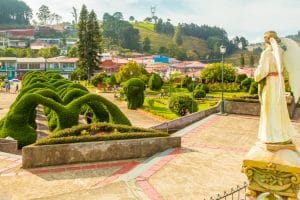
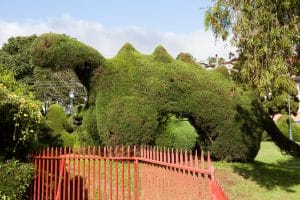
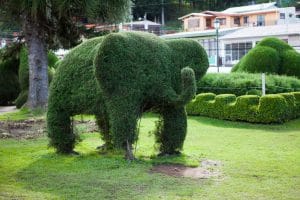
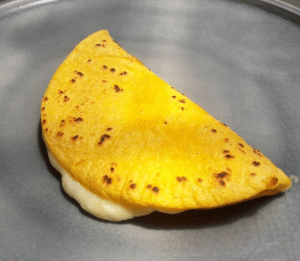


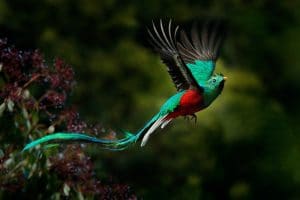
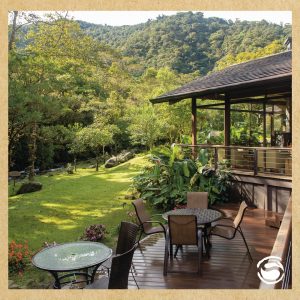

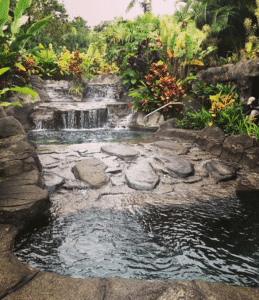


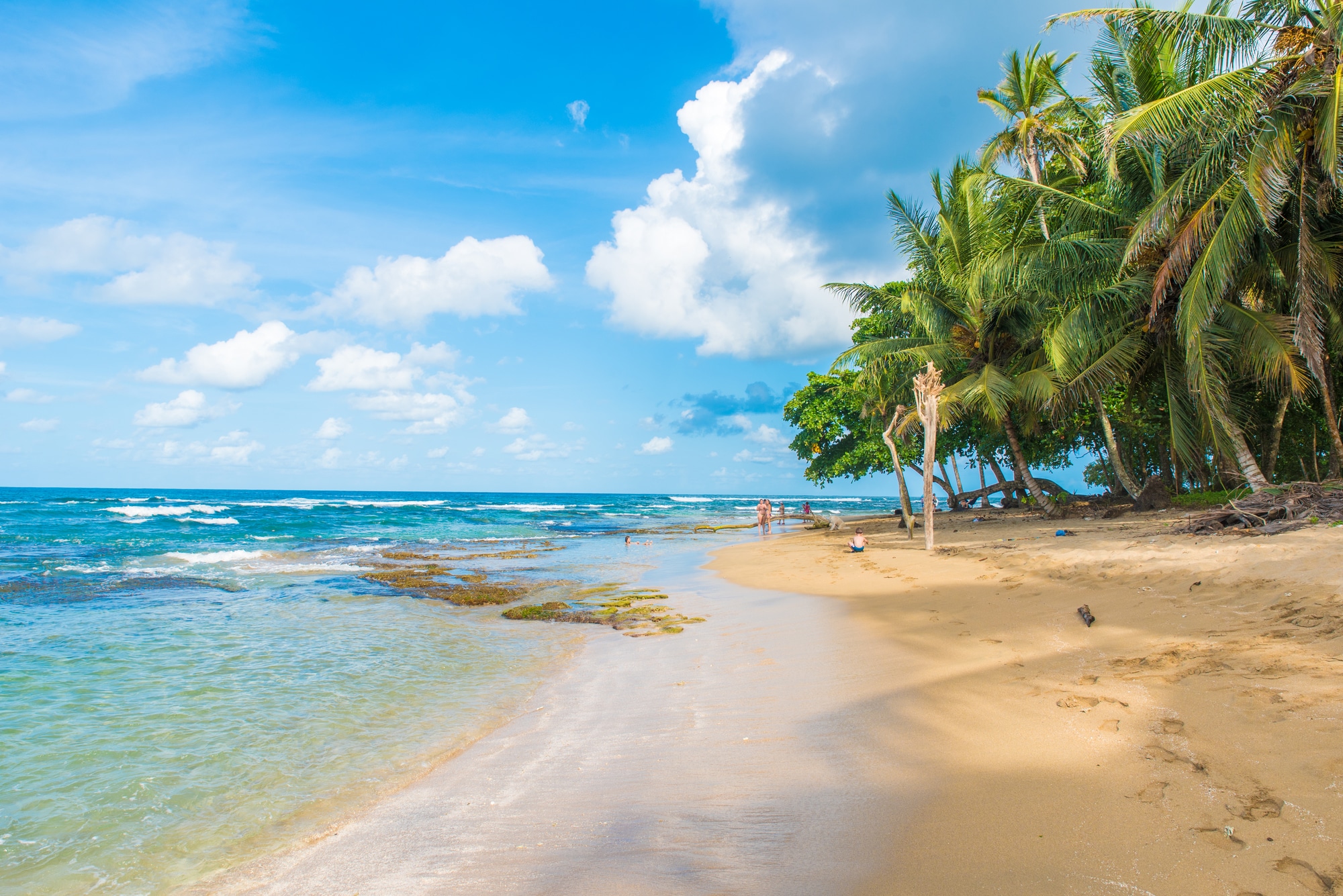


 Best Time to visit Playa Cocles
 The Caribbean coast hosts several toucan species, with the keel-billed toucan and chestnut-mandibled toucan most common around Cocles. These iconic birds with oversized, colorful beaks fly between fruit trees in the morning and late afternoon. Their distinctive calls; ranging from croaking sounds to sharp yelps; often announce their presence before they come into view.
 The leaf litter and low vegetation along jungle trails near Cocles hide one of the region’s most spectacular creatures: poison dart frogs. Several species inhabit the area, displaying brilliant colors; strawberry red, electric blue, and neon green warn potential predators of their toxic skin secretions.
 Large green iguanas bask on tree branches throughout the Cocles area, particularly along the beach edge where they climb palm trees and other vegetation. Males can exceed six feet in length, with dewlaps (throat fans) and spiky crests along their backs. They appear prehistoric and intimidating but are completely harmless herbivores.