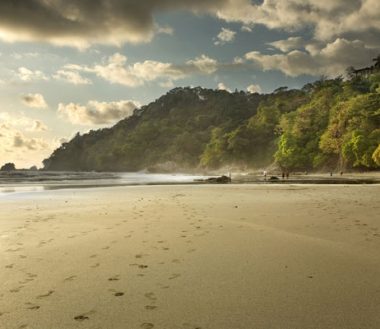

Top 10 Reasons to Visit Costa Rica in Rain Season
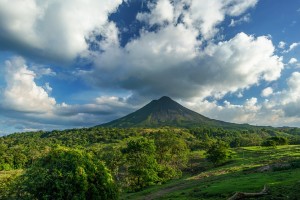
Costa Rica’s rain season has a reputation it does not deserve. Travelers who plan their trips around weather forecasts alone tend to see a calendar full of storm clouds and immediately rule out the months between May and November. That decision means missing what many seasoned visitors and local guides consider the most rewarding time of year to be in the country.
The rainy season, known locally and in the tourism industry as the green season, runs from mid-May through November across most of Costa Rica. Costa Ricans themselves call these months winter, though temperatures remain comfortably warm throughout. What the rains actually deliver is not the relentless downpour most travelers fear. A typical green season day looks like this:
- Mornings are bright, dry, and clear
- Afternoon showers roll in between 2pm and 4pm and last a couple of hours
- Skies often clear again for a golden evening
Once travelers understand this pattern, the objection to visiting largely disappears. Below are ten compelling reasons to stop overlooking rain season and start planning a trip around it.
Reason 1: The Landscapes Are at Their Most Stunning
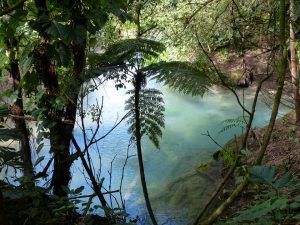
Costa Rica during the dry season is beautiful, but parts of the country, particularly the northern Guanacaste province, become quite brown and parched by March and April. Rivers run low, waterfalls thin out to trickles, and the tropical forests lose some of their lushness. The moment the rains arrive in May, the transformation begins.
Within days, the entire country shifts into vivid green. Forests that looked dusty and tired burst into every shade of emerald. Hillsides fill in. Waterfalls that barely existed during the dry months return with tremendous force:
- La Paz Waterfall reaches its most thunderous volume, with the surrounding cloud forest dripping with blooms
- Nauyaca Waterfalls in the Dominical area become wide, full, and dramatically photogenic
- La Fortuna Waterfall near Arenal surges with a power and roar that dry season visitors never witness
For photographers, the green season is the season that turns every landscape shot into something extraordinary. Mist hangs in the valleys of Monteverde, cloud forests drip with epiphytes in full bloom, and the saturated colors of the jungle canopy are unlike anything the dry months produce. Mornings, in particular, offer golden light through the canopy that is nearly impossible to replicate at any other time of year.
Reason 2: Wildlife Is More Active and More Visible

Rain season is not just good for plants. The entire ecosystem responds. With food more abundant, animals are more active throughout the day, and the general increase in biological activity makes wildlife sightings more frequent and more rewarding. Travelers commonly encounter:
- Howler monkeys, white-faced capuchins, and spider monkeys moving through the canopy in greater numbers
- Sloths descending to lower branches where they are far easier to observe than in the high dry canopy of peak season
- Poison dart frogs, particularly the red-eyed tree frog and strawberry poison dart frog, breeding actively and appearing in vivid abundance
- Toucans, scarlet macaws, and hundreds of migratory bird species present in greater numbers than any other time of year
- The resplendent quetzal, active in the cloud forests around Monteverde and San Gerardo de Dota
For wildlife photographers and serious nature enthusiasts, rain season represents the best conditions Costa Rica offers all year.
Travelers looking for the most adventurous places to encounter Costa Rica’s wildlife in its natural habitat will find the green season opens up regions that feel genuinely remote
Reason 3: The Adventure Activities Are Better

Several of Costa Rica’s signature adventure experiences reach their absolute peak during the rainy season, for a straightforward reason: water.
Whitewater Rafting: The Pacuare River, consistently rated among the top whitewater rafting experiences in the world, runs through dense primary rainforest with the canopy closing overhead. During the green season, river levels rise significantly, creating stronger rapids and a more thrilling run.
The Sarapiquí River similarly becomes a more challenging and rewarding experience. Even for beginners, the increased flow makes for a dramatically more immersive journey through landscapes that road access can never provide.
Surfing: The Pacific coast benefits enormously from the season. The months between April and November bring larger, more consistent swells to breaks all along the coast, particularly in the Nicoya Peninsula around Nosara and Santa Teresa, and in the Jaco area. Experienced surfers specifically time their Costa Rica visits to coincide with these months.
Everything Else: Zip lining, canyoning, and white water kayaking all continue year round. The practical approach is to schedule these activities in the morning when skies are clear, and allow the afternoon rains to arrive while relaxing at a lodge or enjoying a spa treatment.
Reason 4: Prices Are Significantly Lower
This is one of the most practical and persuasive reasons to visit during rain season. Here is what travelers can realistically expect to save:
| Category | Typical Green Season Saving |
| Accommodation | 15% to 40% below high season rates |
| Tour packages | 10% to 30% depending on operator |
| Car rentals | Noticeably lower, especially outside July |
| Airfares | Lowest in August, September, and October |
Costa Rica Rios adventure vacation packages are priced with green season savings built in, making it one of the best times to book an all-inclusive trip.
Many eco-lodges and boutique hotels run green season promotions such as stay three nights and pay for two. The exception worth noting is July and early August, when North American and European summer holidays bring a temporary rise in travelers and prices, particularly in popular destinations. Outside of those weeks, green season pricing is consistently and significantly lower than the December through April high season.
Reason 5: Far Fewer Crowds
Rain season is Costa Rica’s low season for tourism, and the reduction in visitor numbers is immediately noticeable across every type of experience:
- National parks that feel packed during the dry months become quiet and contemplative
- Trails through Manuel Antonio, Corcovado, and Monteverde can be walked without queuing or jostling for a view
- Beaches that attract thousands of visitors in January and February become nearly private in September and October
- Tour groups are smaller, which means more personalized attention from guides
- Restaurant reservations are easy, hotel upgrades are common, and last-minute bookings are genuinely possible
Families in particular benefit from the quieter conditions. A Costa Rica family vacation during the green season allows children to experience national parks at their most natural and unhurried.
The quieter conditions also mean more authentic interaction with local communities. With fewer tourists moving through towns and markets, travelers have more space to connect with Costa Ricans and experience the country’s famous Pura Vida culture in a more unhurried and genuine way.
Reason 6: The Green Season Turtle Nesting and Whale Watching Calendar Is Extraordinary
Some of the most remarkable wildlife events Costa Rica offers happen exclusively during the rainy season, and nowhere else in the world can travelers experience them with such ease and intimacy.
Sea Turtle Nesting

| Location | Species | Peak Season |
| Tortuguero National Park (Caribbean) | Green sea turtle | July to October, peak in August and September |
| Ostional Wildlife Refuge (Pacific, Nicoya) | Olive Ridley turtle | September to November, largest arribadas in October |
Humpback Whale Watching
Costa Rica holds the longest humpback whale season in the world, with whales present virtually year round. The Southern Hemisphere population arrives in August and reaches its highest concentration between August and October. The primary viewing areas are:
- Osa Peninsula
- Bahía Ballena
- Ballena Marine National Park
Spinner dolphins and bottlenose dolphins are also regularly encountered throughout the season along both coasts.
Reason 7: The Caribbean and Pacific Follow Opposite Rain Patterns
One of the most misunderstood aspects of Costa Rica’s climate is that it is not uniform across the country. The Caribbean coast and the Pacific coast operate on essentially inverse seasonal patterns, and understanding this opens up strategic options for green season travelers.
| Month | Pacific Coast | Caribbean Coast |
| May to June | Rains building, mornings still sunny | Moderate rain year round |
| July to August | Green season in full effect | Drier, good beach conditions |
| September to October | Heaviest rainfall of the year | Driest and sunniest months |
| November | Rains tapering off | Rain returns to Caribbean |
During September and October, when travelers are most nervous about rain on the Pacific side, the Caribbean coast around Puerto Viejo and Cahuita is at its clearest and most accessible. Snorkeling on the coral reefs of Cahuita National Park is excellent during this period.
The Sloth Sanctuary and Jaguar Rescue Centre near Puerto Viejo offer close wildlife encounters. The southern Caribbean, with its strong Afro-Caribbean cultural identity, is one of the most rewarding corners of the country to explore and is dramatically undervisited during this window.
For a fuller picture of what to explore on the eastern side of the country, the highlights of Costa Rica’s Caribbean coast lays out the best destinations, activities, and timing.
In the opposite direction, the northern Pacific province of Guanacaste, including Tamarindo, Playa Flamingo, and Sámara, receives considerably less rainfall than the rest of the country even during the heart of the green season, making it a reliable option for travelers who want sunshine alongside green season pricing.
Reason 8: Veranillo, the Little Summer
Somewhere between mid-July and early August, a brief and pleasant weather anomaly occurs across parts of Costa Rica. Locals call it Veranillo, which translates loosely to little summer. During this period, typically lasting two to three weeks, the rains ease considerably and conditions feel closer to the dry season than the wet.
A few things worth knowing about Veranillo:
- It is most pronounced in the northern Pacific region, particularly around Guanacaste and the Nicoya Peninsula
- The exact timing shifts from year to year and cannot be predicted with precision
- Travelers who land within Veranillo enjoy green season pricing and minimal crowds alongside near-dry-season weather
- July also coincides with the start of North American and European summer holidays, so prices tick slightly upward compared to June, but remain well below high season rates
Reason 9: Cultural Events and Local Festivals
Rain season in Costa Rica aligns with some of the country’s most significant cultural celebrations, offering a side of the country that dry season visitors rarely encounter.
Guanacaste Annexation Day — July 25 One of the largest regional festivals in Costa Rica. The province celebrates its 1824 union with Costa Rica through:
- Sabanero cowboy events and traditional rodeos
- Folk dancing and marimba performances
- Street festivals centered around Liberia and Santa Cruz
Attending this celebration provides an immersive look at the traditions and regional identity of northwestern Costa Rica that no packaged tour can replicate.
Independence Day — September 15 A nationwide celebration. The evening of September 14 sees the Torch of Independence carried by relay runners from Guatemala to Costa Rica, and communities across the country gather for lantern parades and patriotic performances. The atmosphere in towns large and small is festive and genuinely welcoming to visitors.
Reason 10: Rain Season Aligns With North American and European Summer Schedules
For families and travelers bound by school calendars, the green season presents a practical advantage. June, July, and August, the peak of the rainy season, coincide exactly with the summer break period in the United States, Canada, and much of Europe. This means families can take a full-length vacation to Costa Rica without pulling children out of school.
The counterintuitive reality is that while these months are busy in traditional summer destinations across North America, Europe, and the Caribbean, Costa Rica in the green season still offers significantly fewer crowds and lower prices than the country’s own December through April peak.
For solo travelers and couples with more flexible schedules, late August through early November is the sweet spot:
- Prices are at their lowest
- Crowds are at their smallest
- Wildlife events are at peak intensity
- The Caribbean coast is at its sunniest and most accessible
Families planning their first trip to Costa Rica will find the green season particularly rewarding, and the bespoke family vacation options available cover every age group and activity level.
What to Expect Month by Month During Rain Season
| Month | Weather Summary | Best For |
| May | Transition month, mostly sunny mornings, light afternoon showers | Budget travelers, lush landscapes beginning, low crowds |
| June | Rains more established, still sunny mornings, forests fully green | Families arriving for summer, green season deals |
| July | Veranillo possible in north, full rivers, warming up for peak wildlife | Rafting, surfing, whale watching beginning, Guanacaste festival |
| August | Peak turtle nesting, strong waves, humpbacks at highest density | Wildlife events, surfing, Caribbean coast drying out |
| September | Wettest month on Pacific, driest on Caribbean, lowest airfares | Caribbean coast, budget travelers, Olive Ridley arrivals |
| October | Pacific coast heavy rain, Caribbean coast at its best, Olive Ridley peak | Caribbean coast, turtle nesting, the lowest prices of the year |
| November | Rains tapering, green landscapes still at peak, green season deals | Nearly everything, green season pricing with improving weather |
Costa Rica Rain Season: Common Questions Answered
Is Costa Rica worth visiting during the rainy season?
Yes. The green season offers a combination of lower prices, fewer crowds, spectacular wildlife events, lush landscapes, and adventure activities at their peak. The concern about constant rain is not reflective of what the weather is actually like. Rain is typically limited to a few afternoon hours, leaving mornings and evenings free for activities and exploration.
When exactly is rainy season in Costa Rica?
Mid-May through November across most of the country. The Caribbean coast runs on a different pattern, with its driest months falling in September and October. Guanacaste in the northwest is consistently the driest region even during the green season.
How much does it rain during the green season?
On a typical day, rain arrives in the afternoon, usually between 2pm and 4pm, and lasts one to three hours. It rarely rains continuously all day across most of the country, except during the peak of September and October on the Pacific coast.
What is the best month to visit Costa Rica during the rainy season?
It depends on the priority:
- For milder weather overall: May, June, or November
- For wildlife events: August through October
- For the lowest prices: September and October
- For a balance of good weather and low crowds: November
Is the Caribbean coast drier than the Pacific during rain season?
Yes, particularly in September and October. While the Pacific coast is at its wettest, the Caribbean coast is at its clearest. This inverse pattern means strategic travelers can essentially chase good weather between the two coasts throughout the green season.
Are there hurricanes during Costa Rica’s rainy season?
No. Costa Rica sits south of the hurricane belt and is not affected by the Caribbean hurricane system.
What activities are best during rain season?
- Whitewater rafting on the Pacuare and Sarapiquí rivers
- Surfing on the Pacific coast
- Sea turtle nesting tours in Tortuguero
- Humpback whale watching near the Osa Peninsula and Bahía Ballena
- Waterfall hikes to La Paz, Nauyaca, and La Fortuna waterfalls
- Bird watching and cloud forest exploration in Monteverde
- Snorkeling on the Caribbean reefs around Cahuita
How to Make the Most of Green Season in Costa Rica
- Plan activities in the morning: Nearly all tours, hikes, and outdoor experiences run smoothly before any afternoon showers arrive. Booking zip lining, rafting, and wildlife tours for the first half of the day means the rain, when it comes, is a welcome break rather than an interruption.
- Pack a rain jacket: A lightweight waterproof layer takes up almost no space and makes the difference between a comfortable afternoon and a miserable one. Waterproof bags or dry sacks are worth carrying for cameras and electronics, particularly on river tours or waterfall hikes.
- Rent a 4WD vehicle if exploring remote areas: For the Osa Peninsula, the southern Caribbean, or any highland routes, standard sedans encounter serious limitations during rain season. Road conditions on unpaved routes can deteriorate quickly.
- Search by region, not by country: Guanacaste weather in August and Osa Peninsula weather in August are completely different realities. The broad “Costa Rica in August” forecast rarely reflects either accurately.
- Build flexibility into the itinerary: Last-minute bookings are easy to arrange because availability is high during the green season. Some of the best experiences come from shifting plans based on where the weather is best that particular week.
Costa Rica in the rainy season rewards travelers who arrive with realistic expectations and a willingness to work with the rhythm of a tropical climate rather than against it. The country offers everything it is known for, at lower prices, with more space, and with a vitality and wildness that peak season simply cannot match.
At Costa Rica Rios, we also take advantage of low-season specials to tour the country and discover new corners we’ve yet to travel to, all the while still offering an exceptional week of adventure tours for those lucky few travelers who realize how gorgeous the country is during this time of year. So why not come have some fun with us? Visit our adventure tour page and click on each option to see tour dates and availability.