
Guide to Costa Rica’s Fabulous Guanacaste Province
The Guanacaste Province encompasses the northwesterner corner of Costa Rica and is framed by the vertiginous Guanacaste mountains in the east and the stunning Pacific Ocean in the west. For many, this region is all about spectacular beaches, luxury coastal resorts and wicked surf. Although it can’t be denied that here you will discover one of the country’s most glorious stretches of coast, there’s a lot more to enjoy than just sun, sea and surf.
With its magnificent volcanoes, its remote rain forests brimming with wildlife, its sensational snorkeling and diving, not to mention its comprehensive array of resorts and eco-lodges, Guanacaste does a stellar job of offering a little of all the amazing things that make Costa Rica such a special and unique travel destination.
No matter which side of Costa Rica you’re after – the cultural, wilderness, wildlife, adventure or relaxing side – trust that you’ll find it in Guanacaste.
Why Guanacaste?
Home to the second-largest international airport in the country (Liberia) and stretching over an extensive portion of the country’s western half, Guanacaste is the ideal playground for families, honeymooners and solo adventurers alike.
The ease of access and sheer concentration of accommodation and activities make this a firm favorite destination for North Americans looking for a quick getaway, most especially in the dead of the northern winter. Guanacaste boasts an ideal warm and dry climate just about all year long and boasts more sunny days, on average, than all other regions. This region is certainly idyllic and utterly stunning and, combined with modern infrastructure and a host of fun activities, makes it a revered spot for tourist and expats alike. The Guanacaste is also one of the country’s most popular choice for 2018 destination weddings.
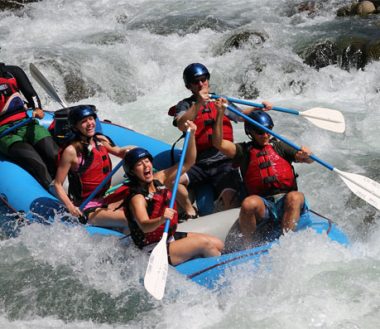
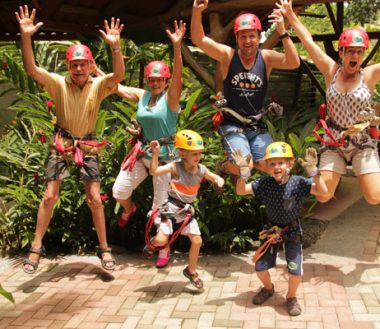
Loved by active visitors looking to hike, horseback ride, snorkel, zip line, SCUBA dive and kayak, Guanacaste also offers abundant chances for relaxation in what can only be described as some of the most breathtaking beaches in the whole country. Add to the mix a heady mix of all-inclusive resorts, excellent eco-lodges and gorgeous hotels, and it’s easy to see why Guanacaste is so popular.
That’s why Guanacaste, in a nutshell!
Getting to Guanacaste
Flying In: Which Airport to Use
Liberia International Airport (LIR) is where most trips to Guanacaste begin. It’s the second largest international airport in Costa Rica, located just outside the city of Liberia in the north of the province.
Direct flights connect Liberia to major US cities including Miami, New York, Los Angeles, Houston, and Atlanta. Most North American visitors skip San Jose entirely and land straight into the heart of the province. That’s the right call for anyone coming purely for the coast.
The other option is San Jose’s Juan Santamaria International Airport (SJO). From San Jose, Liberia is about a 4-hour drive north on the Pan-American Highway. It’s scenic but long.
Sansa Airlines operates domestic flights between San Jose and Tamarindo, Nosara, and Liberia, cutting that trip to under an hour. For people combining Guanacaste with Manuel Antonio, Arenal, or the Caribbean, flying through San Jose first makes more logistical sense.
Drive Times from Liberia Airport to Key Beach Areas
| Destination | Drive Time | Notes |
|---|---|---|
| Papagayo Peninsula | ~35 min | Paved, straightforward |
| Playas del Coco | ~30 min | Closest beach town to airport |
| Playa Flamingo | ~90 min | Paved road |
| Playa Conchal | ~90 min | Paved road |
| Tamarindo | ~90 min | Paved road |
| Sámara | ~2 hrs | Mix of paved and coastal tracks |
| Nosara | ~2.5 hrs | Mixes paved highway with rougher coastal roads |
Best Time to Visit Guanacaste
Guanacaste gets more sun than any other province in Costa Rica. The province sits in a tropical dry forest zone, which gives it a longer, harder dry season than anywhere else in the country.
Dry Season vs. Green Season at a Glance
| Season | Months | What to Expect |
|---|---|---|
| Dry Season | November – April | Clear skies, temperatures 85–100°F (29–38°C), calm ocean, peak rates |
| Green Season | May – October | Daily afternoon rain, lush landscapes, lower hotel rates, October is rainiest |
March is the hottest and driest month, with April close behind. During these months the vegetation turns gold and sparse, trees shed their leaves, and the landscape dries out considerably. But the ocean stays warm, calm, and clear, with snorkeling and diving visibility at its peak.
Everything turns lush during the green season. The hills go green, wildlife is easier to spot in the denser forest cover, and hotel rates drop noticeably from the dry season highs.
Best Times for Specific Activities
| Activity | Best Months | Notes |
|---|---|---|
| Surfing (bigger waves) | June – August | Southern Hemisphere swells hit Witch’s Rock, Ollie’s Point, Playa Hermosa |
| Wildlife & Birdwatching | October – November | Migratory birds arrive, national parks at their fullest |
| Humpback Whale Watching | July – October | Offshore sightings |
| Snorkeling & Diving | December – April | Peak visibility in calm, clear water |
| Sea Turtle Nesting (Olive Ridley) | October – November | Mass arribadas at Ostional |
| Sea Turtle Nesting (Leatherback) | October – February | Playa Grande / Las Baulas |
One thing to confirm before you book: Guanacaste does not have sloths on the coast. The province is dry tropical forest, not rainforest. Sloths live in the cloud forests and on the Caribbean side. It’s worth setting the right expectations before the trip.
Highlights of the Guanacaste Province?
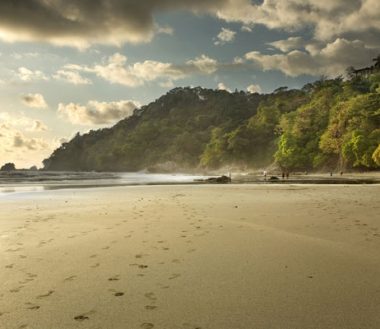
The beaches – There are very good reasons why Guanacaste is beloved among beachgoers the world over. When you’re home to such popular hubs like Tamarindo, Nosara, Playa Conchal, Playa Hermosa, Playa del Coco and Playa Grande, among so many more, you’ll certainly develop an international reputation for being THE premier beach destination in the country. Whilst the prominent regional beach hub of Tamarindo is perfect for both sunbathing lovers and surfers alike, most beaches in Guanacaste entice particular visitors, be they beginner or advanced surfers, families with small children, sun worshippers or snorkelers. Some are perfect for honeymooners looking for remoteness and privacy, whilst others are renowned for their vibrant crowds and loads of exhilarating experiences. If it’s startling tropical beaches framed by luscious forests that you’re after, then do hone in on this region when planning your Costa Rica adventure trip.
The national parks – Guanacaste is home to some of Costa Rica’s most prized national parks, including Las Baulas, Rincon de la Vieja, Santa Rosa and the homonymous Guanacaste NP. Combined, these priceless protected reserves cover the gamut of natural treasures for which the country is so renowned: from vertiginous active volcanoes to glorious beaches, turtle nesting sites and waterfalls, mountains, cloud forests and tropical rainforests, with all the splendid wildlife typically found in each unique ecosystem.
The Nicoya Peninsula – The northern portion of this striking mountainous peninsula belongs to Guanacaste (whilst the southern tip is in the Puntarenas Province) and offers adventure seekers excellent chances for zip lining, hiking, mountain biking, snorkeling and diving. A lesser developed corner of Costa Rica, the Nicoya Peninsula hides a vast array of waterfalls, wildlife refuges and a few very special eco-lodges immersed in resplendent wilderness. Come discover this hidden corner of Costa Rica and we’ll guarantee you’ll fall in love with the Nicoya Peninsula!
The wide range of accommodation to suit all budgets and comfort levels – From 5* luxury honeymoon resorts to rustic lodges seemingly lost in the heart of remote wilderness: Guanacaste has an accommodation choice to suit every traveler, which is inarguably part of its incredible appeal. No matter your budget or desire (private villa on the beach, perhaps?) you’ll find exactly what you’re looking for in this province. From world-class golf courses to exceptional restaurants, great nightlife and fantastic shopping, Guanacaste offers the discerning traveler a modern, vibrant and very comprehensive experience whilst still offering oodles of Costa Rican authenticity.
Adventure sports and activities galore – More than anything else, Guanacaste offers the active traveler a host of active pursuits including surfing, sailing, ATV touring, sport fishing, horseback riding, snorkeling, diving and sooooo much more. For those who prefer to DO rather than just see, Guanacaste really is tailor-made and, because of the sheer choice in both destination and accommodation, this province suits honeymooners, families and those looking for a short and sweet adventure.
Getting Around Guanacaste
Why You Need a Rental Car
Buses don’t connect the beaches here, and that’s not an accident. The province is large and rural. Beach towns are spread far apart along over 200 kilometers of coast. Public buses run between major cities like Liberia and Nicoya, but connecting Tamarindo to Flamingo, or Nosara to Samara, by bus means hours of backtracking through Liberia. No experienced traveler recommends it for beach hopping.
A rental car is the clearest way to see the province properly. A four-wheel drive vehicle is the right choice for anyone planning to visit Rincón de la Vieja, the less developed parts of the Nicoya Peninsula, or beaches that sit off the main coastal highway. Booking a four-wheel drive before arrival is smart – availability drops fast during peak dry season months.
Key Roads to Know
- Pan-American Highway (Route 1): Runs north to south through the province; the main artery.
- Route 21: Cuts through the heart of the Nicoya Peninsula and connects most of the major beach towns.
- GPS tip: Waze is the most reliable navigation app in Costa Rica and is what locals use daily. Download an offline map before heading to areas with patchy signal.
- River crossings: Some remote coastal routes involve river crossings. Straightforward in dry season; require a proper four-wheel drive after heavy rains. Never attempt a crossing in a regular sedan, regardless of how shallow the water looks.
Alternatives to Driving
For people who prefer not to drive, tourist shuttles are the practical alternative. Interbus and Grayline Costa Rica run shared shuttles between the main destinations in Guanacaste and between Guanacaste and San Jose.
Booking in advance is necessary during peak season as seats fill quickly. Private transfers from Liberia Airport to any hotel in the province are widely available through hotels and local operators. Taxis operate within beach towns but rates climb fast for longer journeys between destinations.
The Best Beach Towns in Guanacaste
Every stretch of coast in Guanacaste has its own crowd, its own pace, and its own reason for being there. The province runs more than 200 kilometers of Pacific coastline. Not one beach is the same as the next.
Tamarindo
The largest and busiest beach town in Guanacaste. Surfers, families, and people who want a lively town all end up here. The surf at Tamarindo is forgiving for beginners and consistent enough for intermediate riders year round. Surf schools line the main beach and run lessons daily. At night, bars, restaurants, and live music fill the central streets. Shopping and nightlife options here far exceed anything else in the province. The mangrove estuary at the southern end of town is a good spot for kayaking tours, with crocodiles and birds visible in the channels. Playa Langosta and Playa Avellanas sit within easy driving distance for quieter day trips.
Nosara
About 2.5 hours south of Liberia and unlike anywhere else in Guanacaste. The town is calmer and more deliberate. A large expat community has shaped Nosara around wellness, yoga, and surf culture. Playa Guiones is the main surfing beach, with a long sandy break that works for all levels.
Development in Nosara is controlled – building heights are kept low by local ordinance and trees are protected within the urban boundary. The wildlife corridor running through the area supports howler monkeys, iguanas, coatis, and a wide range of birds that can be spotted even within town. It draws a different kind of traveler to Tamarindo.
Playas del Coco
The closest beach town to Liberia Airport, sitting about 30 minutes from the terminal. It grew from a quiet fishing village into a popular expat hub and tourist town over the past two decades. Dive shops, sport fishing charters, seafood restaurants, and a buzzy central park make it a good base for exploring the northern Gulf of Papagayo area. Just south of Coco sits Playa Hermosa, a dark sand beach that drew professional surf competitions for years. The waves break fast and hollow – suited for experienced surfers, not beginners.
Playa Conchal
A beach made almost entirely of crushed shells, giving the sand a pinkish color and soft, fine texture underfoot. The water is clear and calm in the mornings, with excellent conditions for snorkeling over the reef just offshore. A diverse fish population makes this one of the better snorkeling spots along the northern coast. Public access exists at the northern end of the beach. The Westin Playa Conchal, W Costa Rica, and Reserva Conchal all sit along this stretch.
Playa Flamingo
Carries a relaxed, upscale feel. A full marina handles sport fishing boats and private yachts. Luxury hotels and beach clubs line the town. Flamingo serves as a natural base for day trips north to Playa Brasilito and south to Conchal. The sunsets from Flamingo Point are consistent and worth the evening trip out to the headland.
Sámara
Different in character from most towns on this list. It hasn’t been heavily developed and still carries a fishing village feel, with local families living alongside travelers in a way that more tourist-heavy towns have long lost.
The beach at Sámara is protected by an offshore reef that keeps the water calm and shallow close to shore – reliable for learning to surf and for families with young children. Dolphin watching boat tours leave from the town regularly. Whale sightings are possible offshore between July and October. Werner Sauter Biological Reserve near town has hiking trails through secondary forest with good wildlife access.
Las Catalinas
A planned village north of Flamingo built around the idea of a car-free community. No private vehicles enter the village – the entire town is navigated on foot or by mountain bike. It was designed intentionally, and the result is a quiet, active place suited to travelers who want to explore the coast without the noise of traffic. Casa Chameleon Las Catalinas is the primary hotel in the village and draws guests looking for boutique stays with direct trail access.
National Parks and Nature Reserves in Guanacaste
Five national parks sit inside Guanacaste province. Most visitors spend time at one. The others rarely make the itinerary. That’s a real gap.
Rincón de la Vieja National Park
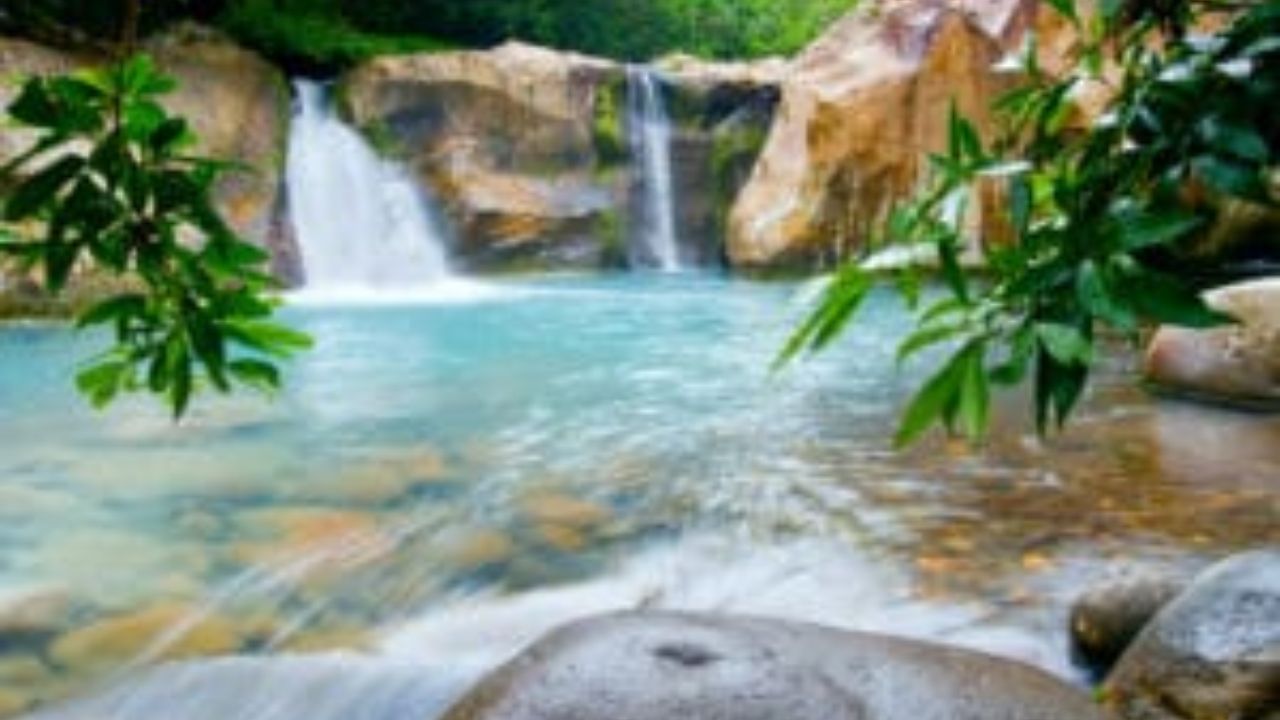 The most visited in the province. It borders the active Rincón de la Vieja Volcano, the largest in Costa Rica by crater volume. The Las Pailas trail is the primary route for day visitors – a nearly two-mile loop through active geothermal terrain, passing hot springs, boiling mud pots, fumaroles, and a small geyser.
The sulfur smell hits early and stays with you. Wildlife along this route includes coatis, white-faced capuchin monkeys, white-tailed deer, and dozens of bird species. The park has two separate entrances – Las Pailas and Santa María – on opposite sides of the volcano. Las Pailas is the easier and far more visited of the two. Entry requires a guide for the longer upper trails. Day trips from Tamarindo and Playa Hermosa run regularly.
Palo Verde National Park
Protects a section of tropical dry forest and wetlands along the Tempisque River in the southern interior of Guanacaste. It holds the most bird species of any protected area in Costa Rica – over 300 species recorded within the park, including the jabiru stork, the scarlet macaw, and large populations of migratory waterfowl during the dry season.
Boat tours on the Tempisque River are the main way to access the wetlands. American crocodiles are seen frequently from the water. The park is less visited than Rincón de la Vieja and suits travelers who want serious wildlife time without the crowds.
Santa Rosa National Park
The oldest protected area in Costa Rica, carrying history that goes beyond ecology. The ruins of La Casona hacienda sit within the park – the site of the 1856 Battle of Santa Rosa, where Costa Rican forces defeated William Walker’s mercenary army.
The park also extends to a remote Pacific coast including Playa Naranjo, reachable only by four-wheel drive and a long hike from the park entrance. Just offshore from this beach sit Witch’s Rock and Ollie’s Point, two surf breaks with serious reputations in the surfing world. Both are reachable only by boat from Tamarindo.
Guanacaste National Park
Covers sections of the Guanacaste volcanic range and forms part of a broader UNESCO World Heritage Site together with Rincón de la Vieja and Santa Rosa parks. The park protects a connected system of dry forest, cloud forest, and rainforest ecosystems in a single corridor. Pumas, tapirs, and over 300 bird species move through the wildlife corridors within this system. Visitor access is more restricted here than at other parks in the province and advance coordination is needed for most activities.
Las Baulas National Marine Park
It wraps around Playa Grande, directly north of Tamarindo. It exists to protect the nesting habitat of the Pacific leatherback sea turtle, the largest sea turtle species alive. Leatherbacks arrive on Playa Grande between October and February to lay their eggs.
Guided night tours during nesting season operate under strict limits on visitor numbers per night and per tour group. Booking through a licensed tour operator well in advance is not optional during peak nesting months. The experience of watching a leatherback on the beach at night is unlike anything else in Costa Rica.
Sea Turtle Nesting in Guanacaste
Every October, the beach at Ostional fills with Olive Ridley sea turtles. Not dozens – thousands arrive in a single night, sometimes tens of thousands across a single event. This is called an arribada, the Spanish word for arrival. It is among the most striking natural events in all of Costa Rica.
Ostional Wildlife Refuge on the Nicoya Peninsula is the main nesting site for these mass arrivals. Olive Ridley turtles gather offshore and come ashore together in synchronized waves, driven by lunar cycles and shifts in ocean temperature. The beach turns dense with bodies moving across the sand in every direction.
Local guides lead small night tour groups to the active nesting zone, keeping lights at minimum levels and groups quiet and controlled throughout. The refuge is managed jointly by the local community and Costa Rica’s conservation authority (SINAC) – revenue from guided tours funds both community livelihoods and ongoing turtle monitoring.
Las Baulas National Marine Park at Playa Grande is the Pacific nesting site for leatherback turtles. These are far larger animals than Olive Ridleys – a mature leatherback can weigh up to 2,000 pounds and measure over six feet in length.
Tour groups per night are capped at strict numbers, guides are mandatory, and photography with flash is prohibited in the nesting zone. This is not a walk-in visit. Tours book out weeks in advance during the height of the nesting season.
Green turtles also nest along parts of the Guanacaste coastline, with timing less predictable than Olive Ridleys and more spread across the year. Any turtle tour in Guanacaste should be booked through a certified local operator. Unguided access to active nesting beaches is not permitted.
Where to Stay in Guanacaste
The right base in Guanacaste comes down to what kind of trip this is. The province has a wider range of luxury hotel options than any other region in Costa Rica, but it also has surf camps, eco-lodges, boutique hotels, and budget hostels across most of the major beach towns.
Luxury and All-Inclusive Options
The Papagayo Peninsula holds the most exclusive resort properties on this coast. Getting onto the peninsula requires a resort reservation.
- Four Seasons Resort Costa Rica at Peninsula Papagayo – the flagship property in the province, set on a private beach with ocean views from every villa. Includes an Arnold Palmer-designed golf course with water visible on three sides of the fairways.
- Andaz Costa Rica by Hyatt – on the same peninsula, draws a younger, more design-conscious crowd.
- W Costa Rica Resort – positioned on a stretch of protected beach with its own beach club and water sports center.
For all-inclusive stays, the Westin Playa Conchal is the largest all-inclusive resort in Costa Rica by capacity, sitting directly on the shell-sand beach and including a large pool complex, multiple restaurants, and golf course access. Planet Hollywood Beach Resort near the Gulf of Papagayo runs a more entertainment-focused all-inclusive program. The RIU Guanacaste and RIU Palace are budget-tier all-inclusive properties near the airport with direct beach access.
For Surfers and Independent Travelers
Tamarindo has a strong range of options from hostel-style surf camps to boutique hotels near the beach. Nosara draws guests looking for wellness-focused stays, with small hotels built around yoga centers and surf coaching programs. Neither town has a mega resort – that deliberate absence is part of what keeps both towns interesting.
For National Park Access
The inland areas near Rincón de la Vieja have lodges set within the forest. Hacienda Guachipelín is a well-established lodge in this zone, running horseback riding, zip-lining, hot spring access, and white-water tubing alongside direct access to the national park trails. It suits travelers who want full days in the park followed by evenings with a view of the volcano.
Guanacaste Culture and History
Most people fly into Liberia for the beach and never look up from the coast. The culture of Guanacaste sits right there waiting, ignored by most itineraries.
A Province with Its Own Identity
Guanacaste has a distinct identity that separates it from the rest of Costa Rica. The province was part of Nicaragua until 1824, when the people of Guanacaste voted in a formal annexation to join Costa Rica. July 25 is Guanacaste Day, a national holiday that marks this event. Celebrations involve traditional music, cattle parades, street festivals, and rodeos – mostly centered in Liberia and the smaller interior towns.
Indigenous Roots
The Chorotega were the dominant indigenous group in Guanacaste before Spanish colonization arrived in the 16th century. Their cultural influence runs through the art, ceramics, and food traditions of the province in ways that are still visible today.
Pre-Columbian Chorotega pottery and gold work from this region is on display at the Jade Museum and the Gold Museum in San José. In Guanacaste itself, the colonial church in Nicoya town dates to the 17th century and reflects centuries of Spanish and Chorotega cultural mixing in the built environment. The Cacao Volcano area holds petroglyphs carved by pre-Columbian communities, with hundreds of rock carvings discovered in the El Pedregal zone.
The Sabanero Tradition
The sabanero tradition is the most visible face of Guanacaste’s modern identity. Sabaneros are Costa Rican cowboys. Cattle ranching across the flat interior grasslands has been central to the provincial economy for centuries. Rodeos take place throughout the year at towns across the interior.
The Punto Guanacasteco – the official national dance of Costa Rica – originates from this province. At any traditional festival in Guanacaste, it is performed as a matter of cultural identity, not as a tourist performance.
What to Eat in Guanacaste
Food here has its own regional character. None of this appears at resort buffets – it requires going to local sodas and market days to find it.
- Gallo pinto – rice and black beans cooked together, eaten at breakfast across the province, traditionally served alongside white corn tortillas called tortillas de maíz.
- Rosquillas – corn cookies baked in clay ovens and sold at local festivals and roadside stalls. Crumbly, slightly salty, and found nowhere else in the country quite like here.
- Chicha – a fermented corn drink, a festival staple with roots in the Chorotega tradition.
- Casado – the standard midday meal at any local soda: rice, black beans, a portion of meat or fish, a small salad, and fried plantains. Freshly made and costs a fraction of what resort restaurants charge.
- Seasonal fruit – mango and guava from roadside fruit stands during green season are worth stopping the car for.
Practical Tips Before You Go
A few things in Guanacaste will catch first-timers off guard. Here they are, before arrival.
Sun, Bugs, and Health
- Sunscreen: SPF 50 applied every two hours is not excessive. Sun exposure between 10am and 3pm on the open beach is stronger than most North American visitors expect on their first day. Burning on day one and spending the rest of the trip in the shade is a common mistake.
- Bug spray: DEET-based spray is worth packing, particularly near water and forested areas at dawn and dusk. Mosquito activity increases during green season from May onward.
- Malaria: Risk in Guanacaste is low but not zero. Travelers with extended stays or plans to spend nights near wetlands like Palo Verde should discuss prevention with a doctor before departure.
- Medical facilities: Hospital facilities in rural Guanacaste are limited. Serious medical cases route back to Liberia’s public hospital or to San José’s private hospitals. Travel insurance that covers medical evacuation is worth having.
Money and Payments
Both US dollars and Costa Rican colones are accepted widely across Guanacaste. Most hotels, tour operators, and restaurants in beach towns take credit cards. Cash in small bills is useful at local markets, sodas, and for tipping guides and drivers. ATMs are available in Liberia, Tamarindo, Nosara, and Playa Coco – smaller towns may have none within easy reach. Withdrawing cash in Liberia before heading to a remote beach is a practical habit.
Ocean Safety
Ocean currents along Guanacaste’s open beaches are stronger than they appear. Rip currents at exposed beach breaks pull hard. Red flag warnings at patrolled beaches are not decorative. Playa Hermosa, the Witch’s Rock area, and sections of open Nicoya Peninsula coast have been sites of drownings due to underestimated currents. Swimming at beaches with lifeguard presence during peak hours is the safest approach.
Phone and Navigation
Phone signal is reliable in beach towns and along Route 1 and Route 21. Coverage gets patchy on dirt roads and in national parks. Download an offline map before leaving a town with good signal. Waze is the navigation app locals use daily – more reliable than Google Maps on smaller tracks.
Guanacaste is one of Costa Rica’s most popular and rewarding destinations and arguably offers the greatest range of activities and accommodation choice in the entire country.
Want to know just how much fun you can have in Guanacaste? Then visit our adventure tours page and contact us for tailor-made itineraries in Guanacaste and everywhere else in Costa Rica, all designed to suit your budget and desires. At Costa Rica Rios, we bring you the very best of Costa Rica so all you have to do is pack your adventurous spirit and come along for the thrilling ride of a lifetime.
Frequently Asked Questions About Guanacaste
What is Guanacaste known for?
Guanacaste is known for its Pacific coastline, which stretches over 200 kilometers and includes a wide range of beaches suited to surfing, snorkeling, swimming, and wildlife watching. The province is also known for its national parks, active volcanoes, and the sabanero cowboy culture that gives the region a distinct identity separate from the rest of Costa Rica.
When is the best time to visit Guanacaste?
The dry season from November through April brings the most reliable beach weather, with warm temperatures, minimal rain, and clear water. Surfers targeting bigger swells and wildlife lovers looking for fuller forests often prefer the green season from May to October, when rates are lower and natural settings are at their lushest.
How do you get to Guanacaste?
Liberia International Airport (LIR) is the main entry point for Guanacaste, with direct flights from major US cities including Miami, New York, Los Angeles, Houston, and Atlanta. The alternative is San Jose’s Juan Santamaria International Airport (SJO), followed by a 4 hour drive north or a short domestic flight with Sansa Airlines to Liberia or Tamarindo.
What are the best beaches in Guanacaste?
Playa Conchal, Tamarindo, Playa Flamingo, Playa Hermosa, Playa Guiones in Nosara, and Samara are consistently rated among the strongest beaches in the province. Each has a distinct character, from the shell-sand shallows of Conchal to the powerful surf breaks at Playa Hermosa.
Is Guanacaste safe for tourists?
Yes. Guanacaste is considered a safe region for travelers by Costa Rica standards. Standard precautions apply: keep valuables out of sight in parked cars, use hotel safes for passports and extra cash, and pay attention to ocean current warnings at open beaches. Medical facilities outside of Liberia are limited. Travel insurance that includes medical evacuation coverage is worth having.
What national parks are worth visiting in Guanacaste?
Rincon de la Vieja National Park is the top choice for day visitors, with active geothermal features and strong wildlife on the Las Pailas trail. Palo Verde is the province’s premier birdwatching site. Las Baulas Marine Park at Playa Grande protects Pacific leatherback nesting. Santa Rosa holds both historical significance and remote surf beaches accessible only by four wheel drive.
What currency is used in Guanacaste?
The official currency is the Costa Rican colon, written as CRC. US dollars are accepted nearly everywhere across Guanacaste, including hotels, restaurants, tour operators, and most market stalls. Credit cards work at most established businesses. Small bills in USD or colones are useful for local sodas, fruit stands, and tipping.
The Guanacaste Province encompasses the northwesterner corner of Costa Rica and is framed by the vertiginous Guanacaste mountains in the east and the stunning Pacific Ocean in the west. For many, this region is all about spectacular beaches, luxury coastal resorts and wicked surf. Although it can’t be denied that here you will discover one of the country’s most glorious stretches of coast, there’s a lot more to enjoy than just sun, sea and surf.
With its magnificent volcanoes, its remote rain forests brimming with wildlife, its sensational snorkeling and diving, not to mention its comprehensive array of resorts and eco-lodges, Guanacaste does a stellar job of offering a little of all the amazing things that make Costa Rica such a special and unique travel destination.
No matter which side of Costa Rica you’re after – the cultural, wilderness, wildlife, adventure or relaxing side – trust that you’ll find it in Guanacaste.
Why Guanacaste?
Home to the second-largest international airport in the country (Liberia) and stretching over an extensive portion of the country’s western half, Guanacaste is the ideal playground for families, honeymooners and solo adventurers alike.
The ease of access and sheer concentration of accommodation and activities make this a firm favorite destination for North Americans looking for a quick getaway, most especially in the dead of the northern winter. Guanacaste boasts an ideal warm and dry climate just about all year long and boasts more sunny days, on average, than all other regions. This region is certainly idyllic and utterly stunning and, combined with modern infrastructure and a host of fun activities, makes it a revered spot for tourist and expats alike. The Guanacaste is also one of the country’s most popular choice for 2018 destination weddings.
Loved by active visitors looking to hike, horseback ride, snorkel, zip line, SCUBA dive and kayak, Guanacaste also offers abundant chances for relaxation in what can only be described as some of the most breathtaking beaches in the whole country. Add to the mix a heady mix of all-inclusive resorts, excellent eco-lodges and gorgeous hotels, and it’s easy to see why Guanacaste is so popular.
That’s why Guanacaste, in a nutshell!
Getting to Guanacaste
Flying In: Which Airport to Use
Liberia International Airport (LIR) is where most trips to Guanacaste begin. It’s the second largest international airport in Costa Rica, located just outside the city of Liberia in the north of the province.
Direct flights connect Liberia to major US cities including Miami, New York, Los Angeles, Houston, and Atlanta. Most North American visitors skip San Jose entirely and land straight into the heart of the province. That’s the right call for anyone coming purely for the coast.
The other option is San Jose’s Juan Santamaria International Airport (SJO). From San Jose, Liberia is about a 4-hour drive north on the Pan-American Highway. It’s scenic but long.
Sansa Airlines operates domestic flights between San Jose and Tamarindo, Nosara, and Liberia, cutting that trip to under an hour. For people combining Guanacaste with Manuel Antonio, Arenal, or the Caribbean, flying through San Jose first makes more logistical sense.
Drive Times from Liberia Airport to Key Beach Areas
| Destination | Drive Time | Notes |
| Papagayo Peninsula | ~35 min | Paved, straightforward |
| Playas del Coco | ~30 min | Closest beach town to airport |
| Playa Flamingo | ~90 min | Paved road |
| Playa Conchal | ~90 min | Paved road |
| Tamarindo | ~90 min | Paved road |
| Sámara | ~2 hrs | Mix of paved and coastal tracks |
| Nosara | ~2.5 hrs | Mixes paved highway with rougher coastal roads |
Best Time to Visit Guanacaste
Guanacaste gets more sun than any other province in Costa Rica. The province sits in a tropical dry forest zone, which gives it a longer, harder dry season than anywhere else in the country.
Dry Season vs. Green Season at a Glance
| Season | Months | What to Expect |
| Dry Season | November – April | Clear skies, temperatures 85–100°F (29–38°C), calm ocean, peak rates |
| Green Season | May – October | Daily afternoon rain, lush landscapes, lower hotel rates, October is rainiest |
March is the hottest and driest month, with April close behind. During these months the vegetation turns gold and sparse, trees shed their leaves, and the landscape dries out considerably. But the ocean stays warm, calm, and clear, with snorkeling and diving visibility at its peak.
Everything turns lush during the green season. The hills go green, wildlife is easier to spot in the denser forest cover, and hotel rates drop noticeably from the dry season highs.
Best Times for Specific Activities
| Activity | Best Months | Notes |
| Surfing (bigger waves) | June – August | Southern Hemisphere swells hit Witch’s Rock, Ollie’s Point, Playa Hermosa |
| Wildlife & Birdwatching | October – November | Migratory birds arrive, national parks at their fullest |
| Humpback Whale Watching | July – October | Offshore sightings |
| Snorkeling & Diving | December – April | Peak visibility in calm, clear water |
| Sea Turtle Nesting (Olive Ridley) | October – November | Mass arribadas at Ostional |
| Sea Turtle Nesting (Leatherback) | October – February | Playa Grande / Las Baulas |
One thing to confirm before you book: Guanacaste does not have sloths on the coast. The province is dry tropical forest, not rainforest. Sloths live in the cloud forests and on the Caribbean side. It’s worth setting the right expectations before the trip.
Highlights of the Guanacaste Province?
The beaches – There are very good reasons why Guanacaste is beloved among beachgoers the world over. When you’re home to such popular hubs like Tamarindo, Nosara, Playa Conchal, Playa Hermosa, Playa del Coco and Playa Grande, among so many more, you’ll certainly develop an international reputation for being THE premier beach destination in the country. Whilst the prominent regional beach hub of Tamarindo is perfect for both sunbathing lovers and surfers alike, most beaches in Guanacaste entice particular visitors, be they beginner or advanced surfers, families with small children, sun worshippers or snorkelers. Some are perfect for honeymooners looking for remoteness and privacy, whilst others are renowned for their vibrant crowds and loads of exhilarating experiences. If it’s startling tropical beaches framed by luscious forests that you’re after, then do hone in on this region when planning your Costa Rica adventure trip.
The national parks – Guanacaste is home to some of Costa Rica’s most prized national parks, including Las Baulas, Rincon de la Vieja, Santa Rosa and the homonymous Guanacaste NP. Combined, these priceless protected reserves cover the gamut of natural treasures for which the country is so renowned: from vertiginous active volcanoes to glorious beaches, turtle nesting sites and waterfalls, mountains, cloud forests and tropical rainforests, with all the splendid wildlife typically found in each unique ecosystem.
The Nicoya Peninsula – The northern portion of this striking mountainous peninsula belongs to Guanacaste (whilst the southern tip is in the Puntarenas Province) and offers adventure seekers excellent chances for zip lining, hiking, mountain biking, snorkeling and diving. A lesser developed corner of Costa Rica, the Nicoya Peninsula hides a vast array of waterfalls, wildlife refuges and a few very special eco-lodges immersed in resplendent wilderness. Come discover this hidden corner of Costa Rica and we’ll guarantee you’ll fall in love with the Nicoya Peninsula!
The wide range of accommodation to suit all budgets and comfort levels – From 5* luxury honeymoon resorts to rustic lodges seemingly lost in the heart of remote wilderness: Guanacaste has an accommodation choice to suit every traveler, which is inarguably part of its incredible appeal. No matter your budget or desire (private villa on the beach, perhaps?) you’ll find exactly what you’re looking for in this province. From world-class golf courses to exceptional restaurants, great nightlife and fantastic shopping, Guanacaste offers the discerning traveler a modern, vibrant and very comprehensive experience whilst still offering oodles of Costa Rican authenticity.
Adventure sports and activities galore – More than anything else, Guanacaste offers the active traveler a host of active pursuits including surfing, sailing, ATV touring, sport fishing, horseback riding, snorkeling, diving and sooooo much more. For those who prefer to DO rather than just see, Guanacaste really is tailor-made and, because of the sheer choice in both destination and accommodation, this province suits honeymooners, families and those looking for a short and sweet adventure.
Getting Around Guanacaste
Why You Need a Rental Car
Buses don’t connect the beaches here, and that’s not an accident. The province is large and rural. Beach towns are spread far apart along over 200 kilometers of coast. Public buses run between major cities like Liberia and Nicoya, but connecting Tamarindo to Flamingo, or Nosara to Samara, by bus means hours of backtracking through Liberia. No experienced traveler recommends it for beach hopping.
A rental car is the clearest way to see the province properly. A four-wheel drive vehicle is the right choice for anyone planning to visit Rincón de la Vieja, the less developed parts of the Nicoya Peninsula, or beaches that sit off the main coastal highway. Booking a four-wheel drive before arrival is smart – availability drops fast during peak dry season months.
Key Roads to Know
- Pan-American Highway (Route 1): Runs north to south through the province; the main artery.
- Route 21: Cuts through the heart of the Nicoya Peninsula and connects most of the major beach towns.
- GPS tip: Waze is the most reliable navigation app in Costa Rica and is what locals use daily. Download an offline map before heading to areas with patchy signal.
- River crossings: Some remote coastal routes involve river crossings. Straightforward in dry season; require a proper four-wheel drive after heavy rains. Never attempt a crossing in a regular sedan, regardless of how shallow the water looks.
Alternatives to Driving
For people who prefer not to drive, tourist shuttles are the practical alternative. Interbus and Grayline Costa Rica run shared shuttles between the main destinations in Guanacaste and between Guanacaste and San Jose.
Booking in advance is necessary during peak season as seats fill quickly. Private transfers from Liberia Airport to any hotel in the province are widely available through hotels and local operators. Taxis operate within beach towns but rates climb fast for longer journeys between destinations.
The Best Beach Towns in Guanacaste
Every stretch of coast in Guanacaste has its own crowd, its own pace, and its own reason for being there. The province runs more than 200 kilometers of Pacific coastline. Not one beach is the same as the next.
Tamarindo
The largest and busiest beach town in Guanacaste. Surfers, families, and people who want a lively town all end up here. The surf at Tamarindo is forgiving for beginners and consistent enough for intermediate riders year round. Surf schools line the main beach and run lessons daily. At night, bars, restaurants, and live music fill the central streets. Shopping and nightlife options here far exceed anything else in the province. The mangrove estuary at the southern end of town is a good spot for kayaking tours, with crocodiles and birds visible in the channels. Playa Langosta and Playa Avellanas sit within easy driving distance for quieter day trips.
Nosara
About 2.5 hours south of Liberia and unlike anywhere else in Guanacaste. The town is calmer and more deliberate. A large expat community has shaped Nosara around wellness, yoga, and surf culture. Playa Guiones is the main surfing beach, with a long sandy break that works for all levels.
Development in Nosara is controlled – building heights are kept low by local ordinance and trees are protected within the urban boundary. The wildlife corridor running through the area supports howler monkeys, iguanas, coatis, and a wide range of birds that can be spotted even within town. It draws a different kind of traveler to Tamarindo.
Playas del Coco
The closest beach town to Liberia Airport, sitting about 30 minutes from the terminal. It grew from a quiet fishing village into a popular expat hub and tourist town over the past two decades. Dive shops, sport fishing charters, seafood restaurants, and a buzzy central park make it a good base for exploring the northern Gulf of Papagayo area. Just south of Coco sits Playa Hermosa, a dark sand beach that drew professional surf competitions for years. The waves break fast and hollow – suited for experienced surfers, not beginners.
Playa Conchal
A beach made almost entirely of crushed shells, giving the sand a pinkish color and soft, fine texture underfoot. The water is clear and calm in the mornings, with excellent conditions for snorkeling over the reef just offshore. A diverse fish population makes this one of the better snorkeling spots along the northern coast. Public access exists at the northern end of the beach. The Westin Playa Conchal, W Costa Rica, and Reserva Conchal all sit along this stretch.
Playa Flamingo
Carries a relaxed, upscale feel. A full marina handles sport fishing boats and private yachts. Luxury hotels and beach clubs line the town. Flamingo serves as a natural base for day trips north to Playa Brasilito and south to Conchal. The sunsets from Flamingo Point are consistent and worth the evening trip out to the headland.
Sámara
Different in character from most towns on this list. It hasn’t been heavily developed and still carries a fishing village feel, with local families living alongside travelers in a way that more tourist-heavy towns have long lost.
The beach at Sámara is protected by an offshore reef that keeps the water calm and shallow close to shore – reliable for learning to surf and for families with young children. Dolphin watching boat tours leave from the town regularly. Whale sightings are possible offshore between July and October. Werner Sauter Biological Reserve near town has hiking trails through secondary forest with good wildlife access.
Las Catalinas
A planned village north of Flamingo built around the idea of a car-free community. No private vehicles enter the village – the entire town is navigated on foot or by mountain bike. It was designed intentionally, and the result is a quiet, active place suited to travelers who want to explore the coast without the noise of traffic. Casa Chameleon Las Catalinas is the primary hotel in the village and draws guests looking for boutique stays with direct trail access.
National Parks and Nature Reserves in Guanacaste
Five national parks sit inside Guanacaste province. Most visitors spend time at one. The others rarely make the itinerary. That’s a real gap.
Rincón de la Vieja National Park
The most visited in the province. It borders the active Rincón de la Vieja Volcano, the largest in Costa Rica by crater volume. The Las Pailas trail is the primary route for day visitors – a nearly two-mile loop through active geothermal terrain, passing hot springs, boiling mud pots, fumaroles, and a small geyser.
The sulfur smell hits early and stays with you. Wildlife along this route includes coatis, white-faced capuchin monkeys, white-tailed deer, and dozens of bird species. The park has two separate entrances – Las Pailas and Santa María – on opposite sides of the volcano. Las Pailas is the easier and far more visited of the two. Entry requires a guide for the longer upper trails. Day trips from Tamarindo and Playa Hermosa run regularly.
Palo Verde National Park
Protects a section of tropical dry forest and wetlands along the Tempisque River in the southern interior of Guanacaste. It holds the most bird species of any protected area in Costa Rica – over 300 species recorded within the park, including the jabiru stork, the scarlet macaw, and large populations of migratory waterfowl during the dry season.
Boat tours on the Tempisque River are the main way to access the wetlands. American crocodiles are seen frequently from the water. The park is less visited than Rincón de la Vieja and suits travelers who want serious wildlife time without the crowds.
Santa Rosa National Park
The oldest protected area in Costa Rica, carrying history that goes beyond ecology. The ruins of La Casona hacienda sit within the park – the site of the 1856 Battle of Santa Rosa, where Costa Rican forces defeated William Walker’s mercenary army.
The park also extends to a remote Pacific coast including Playa Naranjo, reachable only by four-wheel drive and a long hike from the park entrance. Just offshore from this beach sit Witch’s Rock and Ollie’s Point, two surf breaks with serious reputations in the surfing world. Both are reachable only by boat from Tamarindo.
Guanacaste National Park
Covers sections of the Guanacaste volcanic range and forms part of a broader UNESCO World Heritage Site together with Rincón de la Vieja and Santa Rosa parks. The park protects a connected system of dry forest, cloud forest, and rainforest ecosystems in a single corridor. Pumas, tapirs, and over 300 bird species move through the wildlife corridors within this system. Visitor access is more restricted here than at other parks in the province and advance coordination is needed for most activities.
Las Baulas National Marine Park
It wraps around Playa Grande, directly north of Tamarindo. It exists to protect the nesting habitat of the Pacific leatherback sea turtle, the largest sea turtle species alive. Leatherbacks arrive on Playa Grande between October and February to lay their eggs.
Guided night tours during nesting season operate under strict limits on visitor numbers per night and per tour group. Booking through a licensed tour operator well in advance is not optional during peak nesting months. The experience of watching a leatherback on the beach at night is unlike anything else in Costa Rica.
Sea Turtle Nesting in Guanacaste
Every October, the beach at Ostional fills with Olive Ridley sea turtles. Not dozens – thousands arrive in a single night, sometimes tens of thousands across a single event. This is called an arribada, the Spanish word for arrival. It is among the most striking natural events in all of Costa Rica.
Ostional Wildlife Refuge on the Nicoya Peninsula is the main nesting site for these mass arrivals. Olive Ridley turtles gather offshore and come ashore together in synchronized waves, driven by lunar cycles and shifts in ocean temperature. The beach turns dense with bodies moving across the sand in every direction.
Local guides lead small night tour groups to the active nesting zone, keeping lights at minimum levels and groups quiet and controlled throughout. The refuge is managed jointly by the local community and Costa Rica’s conservation authority (SINAC) – revenue from guided tours funds both community livelihoods and ongoing turtle monitoring.
Las Baulas National Marine Park at Playa Grande is the Pacific nesting site for leatherback turtles. These are far larger animals than Olive Ridleys – a mature leatherback can weigh up to 2,000 pounds and measure over six feet in length.
Tour groups per night are capped at strict numbers, guides are mandatory, and photography with flash is prohibited in the nesting zone. This is not a walk-in visit. Tours book out weeks in advance during the height of the nesting season.
Green turtles also nest along parts of the Guanacaste coastline, with timing less predictable than Olive Ridleys and more spread across the year. Any turtle tour in Guanacaste should be booked through a certified local operator. Unguided access to active nesting beaches is not permitted.
Where to Stay in Guanacaste
The right base in Guanacaste comes down to what kind of trip this is. The province has a wider range of luxury hotel options than any other region in Costa Rica, but it also has surf camps, eco-lodges, boutique hotels, and budget hostels across most of the major beach towns.
Luxury and All-Inclusive Options
The Papagayo Peninsula holds the most exclusive resort properties on this coast. Getting onto the peninsula requires a resort reservation.
- Four Seasons Resort Costa Rica at Peninsula Papagayo – the flagship property in the province, set on a private beach with ocean views from every villa. Includes an Arnold Palmer-designed golf course with water visible on three sides of the fairways.
- Andaz Costa Rica by Hyatt – on the same peninsula, draws a younger, more design-conscious crowd.
- W Costa Rica Resort – positioned on a stretch of protected beach with its own beach club and water sports center.
For all-inclusive stays, the Westin Playa Conchal is the largest all-inclusive resort in Costa Rica by capacity, sitting directly on the shell-sand beach and including a large pool complex, multiple restaurants, and golf course access. Planet Hollywood Beach Resort near the Gulf of Papagayo runs a more entertainment-focused all-inclusive program. The RIU Guanacaste and RIU Palace are budget-tier all-inclusive properties near the airport with direct beach access.
For Surfers and Independent Travelers
Tamarindo has a strong range of options from hostel-style surf camps to boutique hotels near the beach. Nosara draws guests looking for wellness-focused stays, with small hotels built around yoga centers and surf coaching programs. Neither town has a mega resort – that deliberate absence is part of what keeps both towns interesting.
For National Park Access
The inland areas near Rincón de la Vieja have lodges set within the forest. Hacienda Guachipelín is a well-established lodge in this zone, running horseback riding, zip-lining, hot spring access, and white-water tubing alongside direct access to the national park trails. It suits travelers who want full days in the park followed by evenings with a view of the volcano.
Guanacaste Culture and History
Most people fly into Liberia for the beach and never look up from the coast. The culture of Guanacaste sits right there waiting, ignored by most itineraries.
A Province with Its Own Identity
Guanacaste has a distinct identity that separates it from the rest of Costa Rica. The province was part of Nicaragua until 1824, when the people of Guanacaste voted in a formal annexation to join Costa Rica. July 25 is Guanacaste Day, a national holiday that marks this event. Celebrations involve traditional music, cattle parades, street festivals, and rodeos – mostly centered in Liberia and the smaller interior towns.
Indigenous Roots
The Chorotega were the dominant indigenous group in Guanacaste before Spanish colonization arrived in the 16th century. Their cultural influence runs through the art, ceramics, and food traditions of the province in ways that are still visible today.
Pre-Columbian Chorotega pottery and gold work from this region is on display at the Jade Museum and the Gold Museum in San José. In Guanacaste itself, the colonial church in Nicoya town dates to the 17th century and reflects centuries of Spanish and Chorotega cultural mixing in the built environment. The Cacao Volcano area holds petroglyphs carved by pre-Columbian communities, with hundreds of rock carvings discovered in the El Pedregal zone.
The Sabanero Tradition
The sabanero tradition is the most visible face of Guanacaste’s modern identity. Sabaneros are Costa Rican cowboys. Cattle ranching across the flat interior grasslands has been central to the provincial economy for centuries. Rodeos take place throughout the year at towns across the interior.
The Punto Guanacasteco – the official national dance of Costa Rica – originates from this province. At any traditional festival in Guanacaste, it is performed as a matter of cultural identity, not as a tourist performance.
What to Eat in Guanacaste
Food here has its own regional character. None of this appears at resort buffets – it requires going to local sodas and market days to find it.
- Gallo pinto – rice and black beans cooked together, eaten at breakfast across the province, traditionally served alongside white corn tortillas called tortillas de maíz.
- Rosquillas – corn cookies baked in clay ovens and sold at local festivals and roadside stalls. Crumbly, slightly salty, and found nowhere else in the country quite like here.
- Chicha – a fermented corn drink, a festival staple with roots in the Chorotega tradition.
- Casado – the standard midday meal at any local soda: rice, black beans, a portion of meat or fish, a small salad, and fried plantains. Freshly made and costs a fraction of what resort restaurants charge.
- Seasonal fruit – mango and guava from roadside fruit stands during green season are worth stopping the car for.
Practical Tips Before You Go
A few things in Guanacaste will catch first-timers off guard. Here they are, before arrival.
Sun, Bugs, and Health
- Sunscreen: SPF 50 applied every two hours is not excessive. Sun exposure between 10am and 3pm on the open beach is stronger than most North American visitors expect on their first day. Burning on day one and spending the rest of the trip in the shade is a common mistake.
- Bug spray: DEET-based spray is worth packing, particularly near water and forested areas at dawn and dusk. Mosquito activity increases during green season from May onward.
- Malaria: Risk in Guanacaste is low but not zero. Travelers with extended stays or plans to spend nights near wetlands like Palo Verde should discuss prevention with a doctor before departure.
- Medical facilities: Hospital facilities in rural Guanacaste are limited. Serious medical cases route back to Liberia’s public hospital or to San José’s private hospitals. Travel insurance that covers medical evacuation is worth having.
Money and Payments
Both US dollars and Costa Rican colones are accepted widely across Guanacaste. Most hotels, tour operators, and restaurants in beach towns take credit cards. Cash in small bills is useful at local markets, sodas, and for tipping guides and drivers. ATMs are available in Liberia, Tamarindo, Nosara, and Playa Coco – smaller towns may have none within easy reach. Withdrawing cash in Liberia before heading to a remote beach is a practical habit.
Ocean Safety
Ocean currents along Guanacaste’s open beaches are stronger than they appear. Rip currents at exposed beach breaks pull hard. Red flag warnings at patrolled beaches are not decorative. Playa Hermosa, the Witch’s Rock area, and sections of open Nicoya Peninsula coast have been sites of drownings due to underestimated currents. Swimming at beaches with lifeguard presence during peak hours is the safest approach.
Phone and Navigation
Phone signal is reliable in beach towns and along Route 1 and Route 21. Coverage gets patchy on dirt roads and in national parks. Download an offline map before leaving a town with good signal. Waze is the navigation app locals use daily – more reliable than Google Maps on smaller tracks.
Guanacaste is one of Costa Rica’s most popular and rewarding destinations and arguably offers the greatest range of activities and accommodation choice in the entire country.
Want to know just how much fun you can have in Guanacaste? Then visit our adventure tours page and contact us for tailor-made itineraries in Guanacaste and everywhere else in Costa Rica, all designed to suit your budget and desires. At Costa Rica Rios, we bring you the very best of Costa Rica so all you have to do is pack your adventurous spirit and come along for the thrilling ride of a lifetime.
Frequently Asked Questions About Guanacaste
What is Guanacaste known for?
Guanacaste is known for its Pacific coastline, which stretches over 200 kilometers and includes a wide range of beaches suited to surfing, snorkeling, swimming, and wildlife watching. The province is also known for its national parks, active volcanoes, and the sabanero cowboy culture that gives the region a distinct identity separate from the rest of Costa Rica.
When is the best time to visit Guanacaste?
The dry season from November through April brings the most reliable beach weather, with warm temperatures, minimal rain, and clear water. Surfers targeting bigger swells and wildlife lovers looking for fuller forests often prefer the green season from May to October, when rates are lower and natural settings are at their lushest.
How do you get to Guanacaste?
Liberia International Airport (LIR) is the main entry point for Guanacaste, with direct flights from major US cities including Miami, New York, Los Angeles, Houston, and Atlanta. The alternative is San Jose’s Juan Santamaria International Airport (SJO), followed by a 4 hour drive north or a short domestic flight with Sansa Airlines to Liberia or Tamarindo.
What are the best beaches in Guanacaste?
Playa Conchal, Tamarindo, Playa Flamingo, Playa Hermosa, Playa Guiones in Nosara, and Samara are consistently rated among the strongest beaches in the province. Each has a distinct character, from the shell-sand shallows of Conchal to the powerful surf breaks at Playa Hermosa.
Is Guanacaste safe for tourists?
Yes. Guanacaste is considered a safe region for travelers by Costa Rica standards. Standard precautions apply: keep valuables out of sight in parked cars, use hotel safes for passports and extra cash, and pay attention to ocean current warnings at open beaches. Medical facilities outside of Liberia are limited. Travel insurance that includes medical evacuation coverage is worth having.
What national parks are worth visiting in Guanacaste?
Rincon de la Vieja National Park is the top choice for day visitors, with active geothermal features and strong wildlife on the Las Pailas trail. Palo Verde is the province’s premier birdwatching site. Las Baulas Marine Park at Playa Grande protects Pacific leatherback nesting. Santa Rosa holds both historical significance and remote surf beaches accessible only by four wheel drive.
What currency is used in Guanacaste?
The official currency is the Costa Rican colon, written as CRC. US dollars are accepted nearly everywhere across Guanacaste, including hotels, restaurants, tour operators, and most market stalls. Credit cards work at most established businesses. Small bills in USD or colones are useful for local sodas, fruit stands, and tipping.