
Costa Rica’s Stunning Peninsulas – Which One Should You Visit?
Anyone planning an adventure vacation in Costa Rica will undoubtedly want to visit one of the country’s stunning peninsulas, all found on the western Pacific coast. Renowned for boasting pristine wilderness, bundles of wildlife and seemingly endless stretches of unspoiled beaches, Costa Rica’s peninsulas offer a less crowded and much less touristy escape, one drenched in nature and offering a host of adventure activities as well as glimpses of authentic Tico life. Although you could just about pick any of the amazing peninsulas here and be guaranteed a phenomenal time, they all do offer something unique. From the easily-accessible Nicoya to the remote but resplendent Osa and the luxurious Papagayo – there’s a stunning Costa Rica peninsula that’s just right for your next adventure vacation.
Eeny meeny miny moe, where in Costa Rica should you go?!
Read on to find out!
How Many Peninsulas Does Costa Rica Have?
Costa Rica has five main peninsulas: Nicoya, Osa, Papagayo, Burica, and Punta Burica. Each one juts out into the Pacific Ocean on the country’s western coast, creating its own distinct coastline, ecosystem, and travel personality.
Nicoya is the largest and most visited. Osa is the wildest and most biodiverse. Papagayo is the most luxurious. Burica and Punta Burica, straddling the border with Panama, remain the most remote and least touched by tourism of them all.
Why Are Costa Rica’s Peninsulas So Revered?
Being one of the most popular adventure vacation destinations on the planet, Costa Rica’s most visited areas tend to get a little crowded during high tourist season in the first five months of the year. Most visitors (especially first-timers) tend to stick to the most famous spots like Arenal, Manuel Antonio and Monteverde. These three hot-spots make for a great ‘loop trip’ from the capital, are easy to reach and offer every service and luxury one would ever want. This leaves the outermost areas, the peninsulas, uncrowded – even at the height of tourist season.
Moreover, Costa Rica’s stunning peninsulas are still the least developed regions of the country so although you’ll still find plenty of accommodation and fantastic places to feast on local cuisine, the lack of over-commercialization is palpable. Some areas are more built-up whilst others are positively unspoiled, perfect if you have an adventurous spirit and don’t mind giving up a few creature comforts to immerse yourself in the country’s most untarnished nature.
It takes just a little more time and effort to visit one of Costa Rica’s peninsulas but the rewards are well wroth your while.
Costa Rica Rios has been voted one of the Best Adventure Travel Companies on Earth by National Geographic Adventure. The team has guided countless travelers through every one of these peninsulas and knows exactly how to match the right traveler to the right destination. Browse the full range of Costa Rica adventure vacations to see how the team can build the perfect peninsula itinerary.
Which Costa Rica Peninsula Is Right for You? A Quick Comparison
Before diving into each peninsula in detail, here is a simple breakdown to help narrow down the choice:
Nicoya Peninsula is best for families, honeymooners, surfers, yoga travelers and first-time visitors to Costa Rica. Budget options are plentiful. A trip of five days or more is enough to enjoy it well. Access is easy via Liberia Airport or a ferry from Puntarenas. The best time to visit is December through April for dry weather, though the rainy season from May through November brings fewer crowds and lush scenery.
Osa Peninsula is best for hardcore wildlife lovers, nature photographers, eco-travelers and anyone chasing bucket-list biodiversity. Budget options are available but tend to be rustic. A minimum of four to five days is recommended.
Access is by small aircraft into Puerto Jimenez or Drake Bay. It is best visited during the dry season since heavy rains between August and November can make portions of the peninsula almost inaccessible.
Papagayo Peninsula is best for luxury travelers, couples on a splurge and anyone who wants world-class resort amenities surrounded by wilderness. It is an expensive destination by Costa Rican standards.
Even a two to three night stay delivers a memorable experience. Access is effortless via Liberia International Airport. It is enjoyable year-round, given the resort infrastructure.
Burica Peninsula is best for experienced surfers, off-grid adventurers, and those who genuinely want to get away from everything. Accommodation is rustic and limited. Visitors should plan at least three to four days. Access is by rough road or boat from the southern Pacific coast. The rainy green season tends to produce the best surf.
Punta Burica is best for travelers who value complete seclusion and untouched nature above all else. It is the most remote point of Costa Rica, extending into Panama. Access requires dedication, typically by boat, and the reward is pristine beaches and world-class breaks without another tourist in sight.
For help deciding which peninsula suits a particular travel style, the Costa Rica Rios travel staff is available to advise on the best fit.
Nicoya Peninsula – The Easiest To Reach, Ideal For Short Adventure Vacations & Lots Of Choices
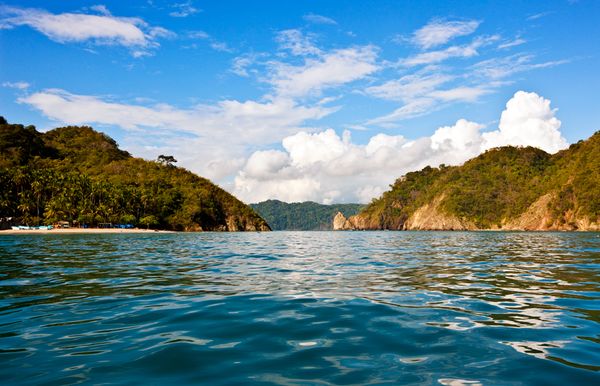
The largest of Costa Rica’s peninsulas is by far the most accessible and the easiest to explore. With a jaw-dropping coastline and beaches favored by avid surfers from all over the world, Nicoya boasts very good tourist infrastructure and is connected to Puntarenas, one of the most popular tourist hot-spots in the country. It’s an easy trip from the capital, San Jose, whether you choose a road trip to the north-west (a sensationally scenic route) or a drive and swift ferry ride across the Gulf of Nicoya from the town of Punta Arenas.
If you choose an adventure-filled vacation in Nicoya, then your best bet is to fly into the Liberia International Airport rather than San Jose, as you’ll already be at the peninsula’s doorstep.
Beach Towns of the Nicoya Peninsula
The north of the Nicoya Peninsula is home to famous beach towns like Tamarindo and Playa Hermosa, where you’ll find a wide range of accommodation to suit your budget, whether you seek a luxury escape or a more rustic experience. A ‘wonderful array of choice’ is what best defines the Nicoya: here, you’ll find eco-lodges nestled in prime rain-forests in the heartland and breathtaking seaside hotels that’ll make you feel as if you’ve just won the Costa Rica travel-lottery. In the far south, you’ll find remote beaches and sleepy fishing villages. If you have time, you should seriously consider a round-trip along the solitary road that traverses Nicoya.
Each beach town on the Nicoya Peninsula has its own distinct personality. Tamarindo is the peninsula’s most developed surf town, packed with restaurants, surf schools, and nightlife.
Nosara has become an internationally recognized yoga and wellness destination, attracting practitioners from around the world who come for both the waves and the spiritual environment. Samara is one of the most family-friendly beaches in all of Costa Rica, with a calm, protected bay ideal for swimming and beginner surfers.
Santa Teresa and Malpais on the southern tip have transformed into bohemian surf havens with a strong expat community and high-quality dining. Montezuma, at the very tip of the peninsula, charms visitors with its waterfalls, rainforests, and free-spirited atmosphere.
Nicoya Peninsula: Costa Rica’s Blue Zone
One of the most extraordinary and often-overlooked facts about the Nicoya Peninsula is that it is one of only five Blue Zones on Earth. Blue Zones are regions where researchers have documented that people consistently live longer and healthier lives than anywhere else in the world, with many residents living active lives well past 100 years.
The Nicoya Blue Zone has been studied extensively by scientists and is attributed to a combination of strong social community, a diet rich in tropical fruits and legumes, a deep sense of purpose known locally as “plan de vida,” clean water high in calcium and magnesium, and a physically active lifestyle. For wellness-focused travelers, simply being in this environment is an experience in itself.
Travelers looking specifically at where to stay can explore Tamarindo hotels and Santa Teresa hotels for a full picture of accommodation options across the peninsula.
Wildlife and Nature on the Nicoya Peninsula
The Nicoya Peninsula is also a world-class destination for wildlife and nature. Ostional National Wildlife Refuge, located just north of Nosara, is one of the most significant sea turtle nesting sites anywhere on the planet.
During the peak nesting season between May and December, olive ridley sea turtles arrive on shore in events called “arribadas,” with as many as 30,000 females coming ashore in a single night to lay their eggs. Leatherback and Pacific green turtles also nest along the peninsula’s beaches. Playa Grande within Marino Las Baulas National Park is particularly important for leatherback nesting.
At the very southern tip of the peninsula sits the Cabo Blanco Nature Reserve, a deeply significant site as the first protected national reserve ever established in Costa Rica. The reserve shelters howler monkeys, coatis, coyotes and a remarkable variety of bird species. Hiking through Cabo Blanco feels like stepping into a corner of Costa Rica that time has forgotten.
For unique family vacations and honeymoon adventure trips, the Nicoya is pretty hard to beat. If you’re dreaming of a relaxing vacation, with plenty of time to soak up the rays and relaxing on beautiful beaches, then the Nicoya is the one for you.
Adventure Activities on the Nicoya Peninsula
As far as adventure sports are concerned, Nicoya lacks absolutely nothing! From zip-lining to surfing, SCUBA diving, snorkeling, hiking, kayaking, horseback riding and so much more: the Nicoya Peninsula simply has it all. Read more about the Nicoya Peninsula to see if this corner of Costa Rica paradise is just what you seek.
Best Time to Visit the Nicoya Peninsula
The dry season runs from December through April and is considered the peak tourist season. Skies are clear, beaches are sunny and conditions for outdoor activities are ideal. The rainy green season runs from May through November.
Rain typically falls during the evenings or at night, leaving most of the day perfectly enjoyable. This quieter season brings significantly lower hotel rates, fewer crowds and a lush, deeply green landscape that wildlife lovers will find spectacular.
How to Get to the Nicoya Peninsula
Flying into Liberia’s Daniel Oduber Quiros International Airport is the fastest way to reach the northern Nicoya Peninsula. For travelers arriving into San Jose, the journey continues by road to Puntarenas followed by a short ferry crossing across the Gulf of Nicoya. Domestic airstrips in Nosara, Carrillo, Tamarindo and Tambor provide additional access points for those connecting from the capital.
Families planning this route can also explore Costa Rica family vacation packages that include transportation and accommodation across the Nicoya Peninsula, while couples may find the honeymoon and romance packages a perfect fit for a Nicoya-based getaway.
Osa Peninsula – The True Wild West Of Costa Rica (But You Need More Time)
The best choice for outstanding wilderness and wildlife adventures, the Osa Peninsula beckons the most adventurous travelers. Part of this has to do with the Osa’s remoteness – you need a bit more time to visit this unspoiled south-western peninsula, one that becomes all but disconnected from the rest of the country during the rainiest months. This is still an amazing time to visit, with many eco-lodges including a short round-trip flight from San Jose to get you in and out. Flying is actually the fastest way to reach the Osa Peninsula, even though the capital is only 100 miles away, as the toucan flies.
Yet the Osa is proof that even 100 miles can make all the difference. It’s another world, out here, one where nature reigns supreme.
Corcovado National Park: The Heart of the Osa Peninsula
The unrivaled highlight of the Osa Peninsula is, without a doubt, the Corcovado National Park which is often dubbed ‘the most priceless natural haven’ in the entire country and a reserve that makes up the great majority of the peninsula. If you choose the Osa, you are effectively choosing Corcovado…and what a great choice that would be.
The biodiversity within Corcovado is almost incomprehensible in its richness. Scarlet macaws fill the tree canopy. Squirrel monkeys, one of Costa Rica’s rarest primate species, inhabit the forest interior.
Spider monkeys, howler monkeys, and white-faced capuchins are all regularly spotted. Tapirs, giant anteaters, armadillos, and peccaries roam the forest floor. And for those fortunate enough, the elusive jaguar, the largest wild cat in the Americas, occasionally reveals itself to patient observers.
An important practical note for visitors: all entry into Corcovado National Park requires a licensed, certified guide. This regulation has been in place since 2014 and exists to protect both the ecosystem and visitors. Park entrance tickets must be arranged through the National Park office in Puerto Jimenez. Most eco-lodges in the area coordinate this as part of their standard packages.
Those staying overnight in the area can browse Corcovado hotels for lodge options ranging from deep-jungle eco camps to more comfortable base properties near Puerto Jimenez.
Drake Bay, Cano Island and Beyond
The Osa Peninsula offers more than Corcovado alone. Drake Bay on the northern coast serves as a key gateway into the park and is a destination in its own right, accessible by small aircraft or boat from the coastal town of Sierpe.
Cano Island, located just offshore, is one of the premier snorkeling and diving destinations in Costa Rica. The waters around Cano are exceptionally clear and the marine life abundant, with reef sharks, rays, sea turtles and colorful reef fish all commonly encountered.
Wildlife, Lodges and Adventure on the Osa Peninsula
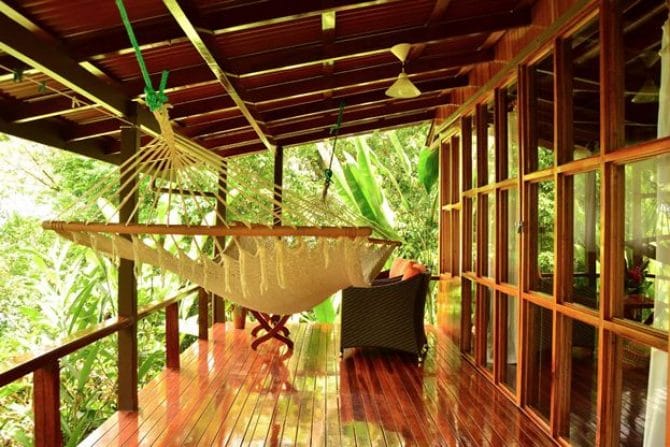
If you’re a nature lover who dreams of total wilderness immersion then the Osa is just right for you. There’s a handful of luxury lodges as well as budget-friendly options that are definitely on the more ‘rustic’ side of travel. But it matters not. Soon enough, it’s the Osa’s exotic cache of birds, monkeys, tapirs, armadillos, giant anteaters and even elusive jaguars that become the real highlights.
The distinct lack of human influence does not mean that a vacation here needs to be subdued. The Osa still offers a tremendous array of adventures, including boat trips for whale and dolphin watching, kayak journeys through mangroves, snorkeling and diving off Drake Bay, guided wildlife hikes at all hours, horseback riding, canyoning, and zip-lining, among quite a few other active pursuits.
Humpback whales from both the northern and southern hemispheres pass through the waters offshore, making the Osa one of a small number of places on Earth where humpbacks can be seen virtually year-round.
The distinct lack of human influence doesn’t mean that your vacation need be subdued: the Osa still offers a great array of adventures, including boat trips for whale and dolphin watching, kayak trips through mangroves, fantastic snorkeling and diving off Drake Bay, a great array of guided hikes to spot native wildlife, horseback riding, canyoning and zip-lining, among quite a few other active pursuits.
This is an incredibly bio-diverse corner of Costa Rica and as long as ‘unblemished nature’ is what you want to experience then you’ll feel right at home.
Check out our Osa Peninsula Guide and scroll to the bottom of the page for more tips on time-saving transfers from the mainland.
Papagayo Peninsula – For Luxe Eco-Conscious Wilderness Experiences
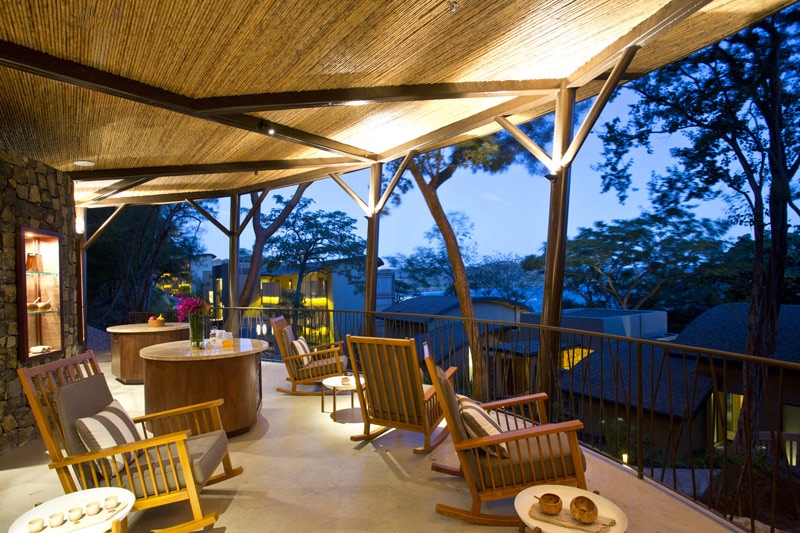
Right at the top of the luxury travel scale, the Papagayo Peninsula is the smallest of the three promontories and found just north of Nicoya. Luxury resorts here are out of this world and, quite simply, travel destinations in their own right.
Each of the main resorts has been designed to offer everything a guest could dream of, from sunset cruises to rounds of golf at acclaimed courses, private beach clubs, glorious rental villas and yacht marinas. Most of the resorts are found along the north and west coasts of the Papagayo Peninsula, although a few exquisite choices are also found on the south coast on the northern fringe of Culebra Bay.
Conservation and Luxury in Perfect Balance
Almost three-quarters of the Papagayo Peninsula is designated as a protected reserve. What was permitted to be developed was designated exclusively as luxury resort space. The result is an entire peninsula that is essentially a vast sweep of resplendent wilderness dotted with a small number of exceptional five-star resorts. What makes Papagayo so very special is that in true Costa Rica style, it leads the way when it comes to sustainable tourism. The peninsula has been widely recognized for its efforts in combining genuine environmental protection with world-class luxury travel.
The standout resorts include the Four Seasons Resort Costa Rica at Peninsula Papagayo, which features an Arnold Palmer-designed golf course and is consistently ranked among the finest resorts in Latin America.
The Andaz Costa Rica Resort at Peninsula Papagayo, a Hyatt property, seamlessly blends open-air design with its forest surroundings. El Mangroove, a smaller and equally stunning boutique property, sits at the edge of mangrove wetlands and offers an exceptionally intimate experience. Each of these properties places sustainability at the center of its operations, not as an afterthought.
Hacienda Aromal, within the peninsula, offers cultural tour experiences that connect guests with Costa Rica’s ranching and agricultural heritage, adding another dimension to what might otherwise be a purely resort-based stay.
Travelers planning a Papagayo-centered trip can browse Guanacaste hotels alongside the peninsula-specific options to compare the full range of accommodation available in this part of Costa Rica.
Day Trips and Activities from Papagayo
The proximity of Papagayo to major attractions in the Guanacaste Province, including hiking trips, volcano climbing, whitewater rafting, horseback riding, zip-lining and a great deal more, means guests can base themselves on the peninsula and take day-trips throughout the region.
The best approach for most travelers, however, is to include a few indulgent days at Papagayo at the end of a wider Costa Rica adventure vacation. These resorts are idyllic rest and recovery havens, a magical way to close out an unforgettable trip to the land of Pura Vida.
Burica Peninsula, Costa Rica: The Most Remote and Wild Frontier
For travelers who want to go truly off the beaten path, the Burica Peninsula sits at the far southern end of Costa Rica’s Pacific coast, extending further south into Panama. It is one of the least-visited and most ecologically intact corners of the country, largely because reaching it requires real effort. Access is by rough road or boat, and there is very little in the way of tourist infrastructure. That is precisely the point.
Pavones and World-Class Surfing
The Burica Peninsula is renowned in surfing circles for Pavones, home to one of the longest left-hand wave breaks in the world. On a good swell, the ride at Pavones can last several minutes, making it a bucket-list experience for accomplished surfers.
The coastline also offers deserted beaches where it is genuinely possible to spend an entire day without seeing another person. Fishing, beachcombing and hiking through the dense coastal forests fill the days for those who make the journey.
Biodiversity and the Costa Rica-Panama Connection
The Burica Peninsula stands at a fascinating cultural and ecological crossroads. Communities here share influences from both Costa Rica and Panama, giving the area a distinctive character that feels unlike anywhere else in the country. The forests are richly biodiverse, harboring wildlife that is undisturbed by significant human activity.
For travelers who have already experienced the better-known national parks and want something genuinely raw, Burica offers a level of isolation that even Corcovado cannot match. For the eco-traveler who has already experienced Corcovado and Nicoya and is looking for something genuinely unexplored, Burica delivers.
Which Peninsula Should You Visit on Your Costa Rica Trip?
With five remarkable peninsulas to consider, the right choice comes down to the kind of experience the traveler is looking for.
For a first visit to Costa Rica with a mix of beaches, surfing, wildlife and ease of access, the Nicoya Peninsula is the clear answer. For a raw, immersive encounter with the most biologically rich rainforest on Costa Rica’s Pacific coast, the Osa Peninsula is unmatched.
For a combination of absolute luxury and genuine environmental commitment, Papagayo is in a category of its own. For the traveler who has done Costa Rica before and wants something genuinely new, Burica and Punta Burica offer an authenticity and wildness that is increasingly rare anywhere in the world.
The smart move for a comprehensive Costa Rica adventure vacation is to combine two or more of these destinations. A trip might open in Papagayo for a few luxurious days of arrival, move into the rainforests and surf breaks of Nicoya, and culminate with an extraordinary wildlife immersion on the Osa Peninsula. The possibilities are genuinely endless.
Check out the full range of Costa Rica Adventure Vacations and the team at Costa Rica Rios can help plan an all-encompassing trip to include a stay in one or more of the country’s most stunning peninsulas.
Frequently Asked Questions About Costa Rica’s Peninsulas
How many peninsulas does Costa Rica have?
Costa Rica has five main peninsulas along its Pacific coast: Nicoya, Osa, Papagayo, Burica and Punta Burica. Nicoya is the largest and most developed for tourism, while Punta Burica is the most remote and least visited.
What is the most popular peninsula in Costa Rica?
The Nicoya Peninsula is the most visited peninsula in Costa Rica. It offers the best tourist infrastructure, the greatest variety of beach towns and the widest range of accommodation options from budget hostels to luxury resorts. Towns like Tamarindo, Nosara, Samara and Santa Teresa are internationally recognized surf and wellness destinations.
Which Costa Rica peninsula is best for wildlife?
The Osa Peninsula is widely regarded as the best peninsula for wildlife in Costa Rica and one of the best wildlife destinations in all of Central America. Corcovado National Park, which covers nearly half of the peninsula, is home to jaguars, tapirs, scarlet macaws, four species of monkeys, giant anteaters and hundreds of reptile and amphibian species.
Which Costa Rica peninsula is best for surfing?
Both the Nicoya Peninsula and the Burica Peninsula offer world-class surfing. Nicoya is better for surfers of all levels, with spots like Tamarindo and Nosara for beginners and intermediates, and Santa Teresa and Malpais for more advanced riders. Burica’s Pavones break, one of the longest left-hand waves in the world, draws experienced surfers specifically for that ride.
Is the Nicoya Peninsula a Blue Zone?
Yes. The Nicoya Peninsula is one of five certified Blue Zones on Earth, regions where researchers have documented that the population lives measurably longer and healthier lives than average. Locals in the Nicoya Blue Zone commonly live active lives well into their nineties and beyond, influenced by diet, community, physical activity and a strong sense of life purpose.
How do you get to the Osa Peninsula?
The fastest way to reach the Osa Peninsula from San Jose is by small domestic aircraft. SANSA Airlines operates regular flights into Puerto Jimenez and Drake Bay. The drive from San Jose takes approximately six to eight hours depending on road conditions, with the last stretch often requiring a four-wheel-drive vehicle. Ferry and water taxi connections from Sierpe are also commonly used to access Drake Bay.
Is the Papagayo Peninsula expensive?
By Costa Rican standards, yes. The Papagayo Peninsula is home to some of the country’s most exclusive luxury resorts, including the Four Seasons, Andaz and El Mangroove. Budget accommodation is not available on the peninsula itself. However, the experience delivered by these properties, combining world-class amenities with genuinely pristine wilderness and strong sustainability credentials, represents outstanding value for luxury travelers.
What is the best time to visit Costa Rica’s peninsulas?
The dry season from December through April is the most popular time to visit for beach activities, wildlife viewing and outdoor adventures across all the peninsulas. The green season from May through November brings lush scenery, lower prices, fewer tourists and excellent surfing conditions, particularly on the southern peninsulas. Osa is best avoided during the peak of the heavy rain season in October and November when some areas become difficult to access.
Which peninsula is best for families?
The Nicoya Peninsula is the top choice for family vacations. It offers calm beaches suitable for children, particularly at Samara and Nosara, a wide range of family-friendly accommodation, excellent adventure activities at every level and easy access from Liberia Airport. Papagayo’s luxury resorts also cater exceptionally well to families seeking a higher-end experience.
Can one trip combine multiple Costa Rica peninsulas? Absolutely, and doing so makes for one of the most rewarding Costa Rica itineraries possible. A classic combination pairs Nicoya and Papagayo in the north before flying south to the Osa Peninsula for a wildlife immersion. The team at Costa Rica Rios specializes in designing exactly these multi-peninsula adventures, tailored to any travel style, budget and timeframe.
The proximity of Papagayo to major attractions in the Guanacaste Province, which include hiking trips, volcano climbing, white water rafting, horseback riding, zip-lining (and so much more) means you could base yourself on the peninsula and take day-trips out and about. However, the best course of action would be to simply include a few indulgent days here at the end of your Costa Rica adventure vacation as these resorts are idyllic ‘rest and recoup’ havens. A simply magical way to cap off your unforgettable adventure vacation in the land of Pura Vida!
Read to hit the jackpot? Check out our Costa Rica Adventure Vacations and ask us how we can help you plan an all-encompassing trip to include a stay in one of the country’s most stunning peninsulas.