Costa Rica’s Top 10 Attractions rightly deserve to be on the spotlight yet alongside world-renowned highlights like the spectacular Arenal Volcano, verdant Manuel Antonio National Park and the ethereal cloud forests of Monteverde, Costa Rica hides innumerable hidden secrets. From unknown paradise islands to lesser-visited national parks, uncrowded natural thermal pools and sensational whitewater rivers that pack a huge adrenalin punch but no tourist crowds, the Seven Secret Wonders of Costa Rica open up a whole new, off-the-beaten-path world for those who make the effort to explore further.
Piscinas de los Pobres, La Fortuna
We love that these natural, uncrowded pools are right next door to the country’s most famous spring spa resort. It just goes to show that you needn’t travel that far to find Costa Rica’s many hidden secrets. The Pools of the Poor are a challenge to reach (which is unarguably what keeps the crowds at bay) but the short but steep trek is certainly worth the effort. Known for its challenging currents, these pools are not just outrageously beautiful but also very thrilling.
Isla Cabuya, Montezuma
A gorgeous little island only accessible from Montezuma at low tide, Isla Cabuya – known locally as Cemetery Island – is a snorkeling haven, its rocky shores inhabited by a wealth of colorful exotic fish. According to local lore, this burial island is haunted by ghosts and, if you’re lucky enough to visit on an evening when a funeral is being held, it’ll certainly feel spooky. Cabuya is actually well-known in the area but given its remote location – off the southern tip of the Nicoya Peninsula – it simply doesn’t see the crowds found elsewhere. Plan to spend a whole day, bring snorkel gear and a backpack full of snacks and explore this fascinating isle and its crystalline waters. Read more about Isla Cabuya.
Punta Uva Beach, Puerto Viejo
The Caribbean Coast is undoubtedly the lesser-visited in Costa Rica and, even among this long stretch of amazing beaches, there’s a secret little wonder that’ll get you away from it all. Punta Uva is revered locally for being the release point of the endangered green macaw, once native to the area and now reintroduced to the wild after a successful breeding program. This place is heaven – not just for the macaws – but for anyone who makes the trek to reach it. We’re talking long stretches of glistening sand, turquoise waters, coral reefs close to shore and about as postcard-perfect a setting as you could ever find, anywhere on earth.
Bahia de los Piratas, Guanacaste
If pirates found this bay to be the ideal hiding spot, it’s no wonder those who stumble upon it rate it so highly. If it were anywhere else, Pirate Bay would be swarming with tourists but given its out-of-the-way location in the north of Guanacaste’s coast, it remains a secret wonder discovered by just a handful of visitors. Boasting a very long stretch of pink-sand beach, this glorious spot is ideal if you’re looking for a quiet spot to laze about for the day. There’s loads you can do here if you’re feeling energetic though, with paddle boarding, kayaking, snorkeling and even horseback riding excursions on offer from nearby Playa Conchal – which is exceptionally beautiful but also very crowded. So head to Bahia de los Pirates to get away from the crowds!
Isla Chiras, Puntarenas
Easily accessible and endlessly idyllic, Chira Island is not the most secret spot in Costa Rica but considering that much of the island is wild, brimming with incredible wildlife and unexplored, it certainly feels like a hidden secret when you’re actually there. Three small villages are all you’ll find here with just a handful of family-run lodges and great eateries that’ll make you feel like you’re a world away from the mainland. This is one of the best eco-tourism spots in the Gulf of Nicoya and locals are committed to leaving this place as natural as can be. Most visitors just head over for a day trip from Puntarenas so if you really want to enjoy it thoroughly, stay a few nights and spend your days exploring Chira on foot and by mountain bike discovering slat pans, mangroves and stunning forests. We know you’ll absolutely love it.
Savegre Rainforest, Puntarenas
Savegre is one of our very fave spots and our trusted recommendations for guests looking for Costa Rica honeymoons off the beaten path. It may be in one of the most visited provinces at all but Savegre and its sensational river and jungle are blissfully remote. The rain forest is home to tapirs and jaguars, vibrantly-colored parrots, ospreys and egrets, and the Savegre River, to cap it off, is considered one of the best adventure vacation spots in Costa Rica, offering rapids class II and III among its endless acres of pristine wilderness. This is the kind of place you’ll want to get totally immersed in for a few days to really soak up the wild delight of the country.
The Amazing Treehouse and Nature Observatory of Manzanillo, Limon
Crazy name and an even crazier spot, this tree-house lodge is absolutely unreal and by far one of the best secret wonders of Costa Rica. Eco-friendly and immensely enticing, this Manzanillo gem immerses you in the heart of its wilderness and as long as you’re not a sleepwalker (gasp!) you’ll absolutely cherish your overnight stay. This unique place markets itself as a 3-in-1 experience, where you can hike in its prime rain forest full of exotic creatures, hoist yourself up to the wildlife observatory (actually easier than it sounds) and, finally, spend a night amidst the treetops. An exhilarating experience and a secret spot that’s not to be missed.
Bajos del Toro, Alajuela
Nestled between extinct volcanoes and nearby some of the most spectacular waterfalls in all of Costa Rica, Bajos del Toro is one of the most surprising secret wonders of all. How on earth this place doesn’t feature in all the top-10-must-see-guides we’ll never know. The town itself is laid-back and lovely, with chances for hiking and waterfall chasing keeping the few visitors totally captive for days on end. The Cataratas del Toro rates as one of Costa Rica’s most magnificent, plunging powerfully down a sheer rocky cliff into an emerald pool. Take a heart-pumping hike around the pool and explore the surrounding forests, looking for wildlife. Only an hour and a half’s drive from San Jose, Bajos is a true wonder of Costa Rica’s wilderness.
Rincon de la Vieja National Park
Just next door to Arenal but overlooked by so many, Rincon de la Vieja is where we head to get away from the crowds and enjoy some truly sensational hiking. The volcanic peaks, mud springs, sulfur hot springs and array of challenging and easier hiking trail offer a wealth of options for those who love this rea (or are staying close by) but want to hike in peace and quiet. Still a hidden spot, after all these years, Rincon is a real gem not to be missed.
Barra Honda National Park, Nicoya Peninsula
Avid cavers head to Barra Honda from all over the world to explore its complex cave system yet outside this dedicated circle, the place receives little air-time. Great news for you! Head here with a dedicated guide and you could be plunging 700 ft into the Nicoya’s underground, exploring the limestone caverns dotted with otherworldly rock formations. This maze of caverns is said to consist of more than 40 separate caves yet in order to keep the area pristine, only 209 have been explored and only one is open to the public. If you’re into caving, you’ll enjoy reading our guide to Costa Rica’s Hidden Caves.
BONUS #11 – The Pacuare River
The National Geographic named the Pacuare one of the world’s best whitewater rafting and kayaking rivers and here at Costa Rica Rios, we couldn’t possibly disagree. This is our playground, our corner of paradise and our favorite spot to frolic with paddles. Despite its illustrious tag, the Pacuare and its surrounding jungles remain uncrowded, given the remote location and the fact this river offers multi-day adventure tour options but your average Costa Rica tourist only wants to get wet n’ wild for a single day. So most tourists stay on the west, leaving this incredible paradise uncrowded for the active explorers and adventurous spirits, those who want to get totally lost in the wilderness on the adventure vacation of a lifetime. Our own secret wonder of Costa Rica really is the country’s best adrenaline rush!
Costa Rica Rios – your adventure travel specialists and lover of all things hidden and secret. Check out our stellar ADVENTURE VACATIONS and contact us to book your next vacation to the most exhilarating country on earth!
One of the world’s most popular honeymoon destinations, Costa Rica seamlessly blends adventure and romance to offer unique experiences that are far removed from the cookie-cutter mold. Yes, you can still soak up the rays along a stretch of an impossibly idyllic beach, but intrepid couples heading to Costa Rica choose to do so after a n active day out spent whitewater rafting, kayaking, canyoning, zip-lining or mountain biking. That’s really what sets Costa Rica apart from all other ‘tropical honeymoon destinations’ the world over: just as dreamy and swoon-worthy yet with the added bonus of a wicked, fun and adventurous side.
Do you get easily bored lunging on a beach chair sipping cocktails for days on end? Then Costa Rica is the honeymoon destinations for you! Every corner of the country offers its own cache of delights and adventures, offering an eclectic array for bespoke Costa Rica honeymoons.
We’ve compiled a comprehensive Costa Rica Honeymoon Guide for 2019 – the best places to go, the highlights you shouldn’t miss and a few insider tips to ensure your ‘once-in-a-lifetime’ trip to our shores is as memorable as can be.
Here’s to the adventure you’ll be telling the grand kids about!
Costa Rica Honeymoons in 2019 – The Best Hot Spots for Loved-up Couples
Let’s be honest: you’d be hard pressed to find a single corner of Costa Rica without redeeming honeymoon offerings but it is true that some areas are simply better suited to honeymooning couples. A few luxurious indulgences wouldn’t go amiss (in between all the crazy excursions) and given the fact most couples take only a week off to explore, many tend to home in on well-established destinations. Have more time? We’ll guide you to more remote destinations too!
One-week Costa Rica Honeymoon –Manuel Antonio and Arenal Volcano National Parks are the country’s prime hot-spots for Costa Rica honeymoons in 2019. Combine these two parks and you’ll have it all: pristine rain forests, peaky volcanoes, stunning beaches lined with coral reefs, natural thermal pools and a sensational array of activities that let you immerse yourself in the outstanding wilderness. Rafting, kayaking, mountain biking, surfing, snorkeling, hiking, zip-lining, wildlife-spotting and, naturally, plenty of steamy togetherness in hot springs and beaches. All in one compact and easily accessible region, all in just a single week!
Two-week Costa Rica Honeymoon – Add an extra week to your itinerary and you can spread your wings a little further afield. The Nicoya and Osa Peninsulas are our top pick for longer honeymoon adventures in Costa Rica, these two wild corners of the country offering the kind of remoteness you simply won’t find anywhere else. They both require more time to reach, however, and the added bonus of lesser development means you’ll find them blissfully uncrowded and wonderfully unplugged. Both regions are home to an astonishing array of wildlife and offer unique adventures. Read more about Nicoya and Osa and see which one tickles your travel-buds most.
Exclusive & Luxurious Costa Rica Honeymoons – When only the best will do, you really can’t sail past the Gulf of Papagayo in the Guanacaste Province, home to some of the most exclusive 5* resorts in the entire country. For world-class sustainable tourism with oodles of class – something for which Costa Rica is world-renowned – the Gulf of Papagayo is the bees’ knees. We’re talking golf courses, luxury marinas and incredible lodges, all immersed in unspoiled Costa Rica wilderness. Check out our latest guide to the Stellar Highlights of the Gulf of Papagayo to drool some more. You’ll soon see why so many honeymooning couples head here for a few days during their trip.
The Best Costa Rica Honeymoon Resorts for 2019
Gorgeous resorts and eco-lodges catering specifically to adventurous couples are all the rage in Costa Rica and it’s hardly surprising. Just as the country is beloved by families (and boasts plenty of family-friendly resorts) there’s a whole tourism scene that’s solely dedicated to adults-only vacations, where romantic candle-lit dinners, couple spa treatments, yoga classes and adventure-filled excursions are on the daily menu. The great thing about Costa Rica honeymoon resorts is that they are scattered about the country and come in all shapes, sizes and prices, so every couple will find their own little corner of paradise.
Here are just three of our long-standing favourites, to give you an idea of what you can expect to find in Costa Rica:
Nayara Springs Resort (Arenal Volcano) – The Nayara is an Arenal institution, winning a cult-like following thanks to its two equally sensational resorts. This adult-only delight boasts amazing villas equipped with their own private thermal pools and feels as removed from the Arenal mayhem as can be. Forbes Magazine rated this one of Costa Rica’s best picks and, in all seriousness, who’d argue with that?
Occidental Grand (Gulf of Papagayo) – Choosing the best value honeymoon resort in the Gulf of Papagayo is hard work – but someone had to do it! Cradled between two outstanding beaches (Playa Buena and Bonita) the Occidental is a luxury spa resort that offers fantastic value for money in a region of the country that can be a little pricey. The incredible location is reason enough to stay here yet what impresses most is the way the Occidental manages to offer superb luxuries among its pocket of pristine wilderness. The best parts? Their all-inclusive program and the fact that this is a small and compact resort, so it feels romantic and uncrowded. It’s not 5* by any means but it certainly feels like it and, for its price, it just can’t be beaten. Read this Telegraph Review to see if it fits your bill. Add a couple of nights here at the end of your Costa Rica honeymoon and you’ll go home totally transformed.
Pacuare Lodge (Limon) – The Pacuare Lodge is one of the most distinctive eco-lodges in Costa Rica, revered for its commitment to sustainability as much as for its magnificent setting and luxury. Rated as one of the best extreme-adventure lodges in the world by National Geographic, the Pacuare isn’t a specific adults-only resort yet it still rates as one of the most ideal, unplugged, romantic and mesmerizing places for honeymooners to stay. Its organic spa treatments, farm-to-table dining, international wine-cellar offerings and extensive array of amazing villas seduces couples like nothing else, and that’s without even mentioning the wildlife-enriched wilderness that surrounds it. Built right on the shores of the famed Pacuare River – the best whitewater rafting destination in Costa Rica – The Pacuare Lodge is an adventure-seeker’s dream.
The Best Months for Costa Rica Honeymoons
Costa Rica is currently in the throes of its prime honeymoon season, the months between January and May – the driest of the year in the western half of the country- attracting more couples than at any other time. Now is a great time to plan your 2020 honeymoon if you’d love to visit during this peak time, with the best honeymoon resorts booking out months in advance.
If you’re looking to honeymoon in Costa Rica in 2019, however, note that all is not lost! We actually love the last month of the dry season – May – as you can still enjoy an idyllic climate BUT the crowds will have dissipated so last-minute bookings are still possible. Green Season honeymoons (June to December) can also be immensely rewarding, the sporadic rains helping to nourish the landscape and offering a vividly colourful backdrop to all those adrenalin-filled adventures. Honeymooning during Green Season also offers unrivalled value, as most top-end resorts and lodges offer discounts. You can still enjoy plenty of romantic beachside dinners, but you’ll just need to be on the lookout for the forecast and change plans accordingly. Generally speaking, the wettest months of all in Costa Rica’s Pacific region are September, October and November: choose to honeymoon outside of these months and your sunny time will surely be enhanced. Costa Rica boasts an eclectic climate given its varied regions – read more about regional differences in our Planning Your Costa Rica Wedding guide.
Honeymoon Insider Tips from the Experts
At Costa Rica Rios, we’ve helped plan countless honeymoons for adventurous couples and like to think we’ve accrued a fair bit of expertise on the subject. Here are just a few of the most important considerations when planning your Costa Rica honeymoon:
Budgeting is important – Budgeting is a very pivotal factor for many honeymooning couples and, although Costa Rica is an affordable holiday destination compared to many others, the cost of a trip can quickly add up. Speak to us about your budget first and foremost and we’ll help you plan your honeymoon from there. Read our recent guide Budgeting Tips for Costa Rica Honeymoons where we detail a few nifty trips to help you along.
Fight the urge to cram too much in your itinerary – Our beloved country is wild and most of the tourist infrastructure (ie. perfectly tarred roads) are concentrated in just a few areas. It takes time to get around, longer than you may imagine and that’s why we advise no more than two destinations in a week of travel. The fabulous thing about Costa Rica is that its most famous highlights are not only in one area: there are volcanoes and mountains all over, hot springs too, an endless array of beaches, wildlife parks in every corner and there’s rafting, kayaking, surfing and zip-lining to be had in almost every province. Choose what activities you wish to indulge in your Costa Rica honeymoon and we can advise you which province you should be visiting to make the most of your time here. We know all the most strategically placed honeymoon bases that offer a multitude of experiences nearby, cutting out your travel times and maximizing the fun ones.
That goes for activities, too! Sometimes, it’s not just about cramming different destinations in just a single week of travel but also about planning every single hour, of every single day. You’re coming a long way for your honeymoon, we get that, but we also know you’ll be craving some time for R&R and that’s why we plan our honeymoon itineraries to include some downtime, whether to chill out in your resort, take a leisurely walk or just lie in a hammock and read a book.
Don’t forget the cultural aspects of a Costa Rica honeymoon – Costa Rica is an enticing, welcoming and exotic country, where regional culinary specialties, history and indigenous culture combine to offer truly unique experiences. We know that the adventure-seekers will be out to conquer the forests, the rivers and the volcanoes but there’s so much to this country that should also be experienced. When visiting, make time to seek out local eateries, visit local plantations, perhaps a few museums and take time to know the local culture – this is one of the most rewarding aspects of any visit here and we know your experience will be all the more enriched because of it.
Found this Costa Rica honeymoon guide for 2019 helpful? Check out our Costa Rica Rios Blog Archive for more invaluable travel advice and inspiration and see all the amazing Honeymoon & Romance Itineraries we have on offer. Contact us at any time for more info and to book your unforgettable Costa Rica honeymoon in 2019.
Eco-conscious adventure tours may be what we do best here at Costa Rica Rios, but we know travelers love a comprehensive experience when on vacation so we’ve tracked the best sustainable Costa Rica farm experiences to boot. In such a varied country brimming with sensational nature, sustainable tourism takes every shape and form imaginable and indulging on an all-encompassing adventure is about the best way to soak up all the country’s highlights.
Farm experiences in Costa Rica can vary between staying in a farm-lodge or resort, enjoying the activities on offer and feasting on organic farm-to-table meals to simply spending a day touring a sustainable coffee or cocoa farm and even taking the kids along for a meet and greet with local farm animals and getting a behind-the-scenes look at traditional farming life. Whatever farm experiences tickle your fancy, rest assured you’ll find plenty of options, no matter where you go. Aside from tourism, agriculture plays a huge role in Costa Rica’s economy and farming, in general, is still the everyday life for many Ticos.
Want to add a little spice to your next journey abroad? Then add some of the best sustainable Costa Rica farm experiences to your adventure itinerary.
Terra Viva is a wonderful place, boasting its own private wildlife reserve in its expansive 300-acre property. It’s set in a quiet valley, away from the bustling crowds of Monteverde’s most tourist-ed spots, leaving guests to enjoy the peacefulness of a sustainable Costa Rica farm experience. The rustic lodging is in tune with the surrounding nature and split up between gorgeous self-contained casitas (which sleep 5 and include a kitchen, terrace and dining room) and rooms within the main house, designed to sleep two people. Once you check in we recommend you take a half-day off just to settle in and unwind, before diving into the main farm experiences on offer. At Terra Viva, there are over 4 miles of private trails you can follow through pristine cloud forests, keeping your eyes peeled for the Resplendent Quetzal, one of Costa Rica’s most precious and elusive birds. Take on a glorious horseback ride through the private reserve (ideal for first timers as they won’t need to contend with crowds) or enjoy a private cheese-making workshop with the in-house master cheese makers. The lodge also offers a sensational night hiking experience that delivers a wealth of animal spotting at a time of day when they are most active and we’re quite sure the kids will absolutely love getting to know all the farm animals.
La Iguana Chocolate Workshop, San Jose Province – Organic chocolate-making workshops
La Iguana is one of the country’s best organic chocolate brands, revered for being one of only a few places in Costa Rica where chocolate is made directly from beans harvested on their property. These guys are so passionate about the art of making chocolate that they offer intensive workshops aimed at training and educating those who wish to go into the trade, professionally. This doesn’t mean, however, that the experience isn’t rewarding if you’re not planning to open your own chocolate haven. On the contrary, the detailed and comprehensive workshops are fascinating, hands-on and very rewarding. Nevertheless, you need not be a master chocolatier-wannabe to enjoy a La Iguana experience – the farm also offers tours, half-day chocolate-making classes and fantastic home-stays on the property. This small, family-run business is a treat in every way.
El Toledo Organic Coffee Plantation, Alajuela Province – Coffee Farm Tour
Despite its diminutive size, El Toledo consistently ranks among the top sustainable farm tours in all of Costa Rica and that’s not just due to the ridiculously low price of $20pp. The El Toledo family lives and breathes coffee, is committed to sustainable farming practices and endeavors to educate and inform all those who are lucky enough to find them. In just a few hours here, you’ll get an insight into the permaculture farming practice that keeps this place thriving and get to feast on all the luscious tropical fruits grown on the property. You’ll see how the beans are processed, packed and shipped off to suppliers or sold in local markets. The tour is rewarding and the region just stunning, so make a point to include this on your tour of the country.
Hacienda AltaGracia, San José Province – A 5* sustainable farm stay ? You bet!
Just to prove the point that the best sustainable Costa Rica farm experiences can come in all shapes and sizes, we introduce you this exceptional and totally luxurious resort. Part of the Auberge Resorts Collection, AltaGracia is super lush: a 5* luxury ranch that’s set in one of the most magnificent corners of the country.
Having impressively earned a Level 4 Certification for Sustainable Tourism, AltaGracia is guilt-free indulgence at its very best. Between the jacuzzi and spa, the equestrian excursions, gourmet dining, stunning accommodation and overall drop-dead-gorgeous design and setting, it’s no wonder this place earned the number one badge for best hotel in Central America from Conde Nast.
A stay here unlocks microlight sightseeing flights, cultural village visits, horseback riding, mountain biking, wildlife watching, coffee and fresh produce farm tours and plenty of workshops covering cheese making and the insider secrets of Tico cuisine. All this comes at a respectably steep cost, of course, but for that one sustainable farm experience splurge, this is a top contender.
Northern Costa Rica Farm Stays
La Carolina Lodge, Bijagua de Upala, Alajuela Province – All-inclusive working farm, cow milking, horseback riding, and proximity to the Rio Celeste
Best for: Families, digital detox seekers, couples, nature lovers
La Carolina Lodge sits on 170 acres of working ranch land on the eastern slopes of Tenorio Volcano, just a short drive from one of Costa Rica’s most photographed natural wonders, the turquoise Rio Celeste waterfall inside Tenorio Volcano National Park. This is one of the most genuinely off-grid farm stays available in the entire country.
There is no Wi-Fi and very limited phone reception, which is precisely the point. The lodge runs entirely on fresh spring water sourced from the mountains above, and the kitchen serves three hearty, family-style meals per day cooked over a traditional wood-burning stove using ingredients grown or raised directly on the farm. Beans, rice, fresh vegetables, tropical fruits, homemade bread and farm-fermented cheese all come from the property itself.
Activities include guided horseback riding through meadows and river trails, cow milking sessions with the resident ranch manager Alejandro, guided hikes through the lush surrounding forest, swimming in the crystal-clear freshwater river that winds through the property and soaking in the one-of-a-kind wood-fired hot tub positioned right beside the water.
Accommodations are spread across 10 rustic but comfortable cabins, the most romantic of which overlooks the river with a private porch and fireplace.
A 4×4 vehicle is strongly recommended to navigate the access road. A two-night minimum stay applies, though three or four nights is genuinely the better choice to absorb everything the property offers.
Rancho Margot, El Castillo, Arenal / La Fortuna Región
Regenerative eco-lodge, organic farm, yoga, animal rescue center
Best for: Families, wellness travelers, eco-minded adventurers, solo travelers, student groups
Featured by CNN and Al Jazeera as a pioneer in Costa Rica’s regenerative tourism movement, Rancho Margot occupies 400 acres of mountain rainforest just 40 minutes from La Fortuna, bordering the Children’s Eternal Rainforest and sitting at the edge of Lake Arenal. This is not simply a farm stay; it operates as a living, self-sufficient community. All electricity is generated on-site through hydroelectric power.
One hundred percent of all dairy and meats consumed on the property are produced without chemicals. Fruits and vegetables are grown on-site, and all furniture is handcrafted by local carpenters using reclaimed or waste wood from the ranch.
A complex composting system handles all organic waste, while a biodigester converts animal waste into natural gas used for cooking.
Guests stay in 19 bungalows or bunkhouse-style quarters, all with terraces fitted with hammocks and views of the rolling forested hills. Included with every stay are guided ranch tours that walk through all aspects of the property’s sustainable systems, twice-daily yoga sessions, access to hiking trails and use of the chemical-free swimming pool.
Additional activities available include horseback riding, kayaking on calm waterways, night hikes through the rainforest after dusk, and a self-guided hike to the Mirador lookout with panoramic views of the Arenal, Tenorio, and Miravalles volcanoes.
The ranch also runs an on-site animal rescue and reintegration center, receiving animals recovered by local authorities, rehabilitating them, and returning them to the wild. Around 50 people from the surrounding village of El Castillo are employed by Rancho Margot, giving the experience a real community dimension. A 4×4 is recommended for the final stretch of access road.
Price range: Mid-range; all meals included in most packages
Finca Luna Nueva Lodge, Chachagua, Arenal Region
Regenerative farm, Sacred Seeds Sanctuary, chocolate tour, wellness center
Best for: Couples, families, eco-tourists, wellness travelers, scientists, and students
About 25 to 30 minutes from La Fortuna, Finca Luna Nueva has been farming organically since 1994, starting with ginger and turmeric before expanding into cacao and a sweeping variety of tropical produce.
Today, the 207-acre property is recognized as the inaugural center for the teaching of regenerative organic agriculture in the tropics and holds a Certification for Sustainable Tourism from Costa Rica’s Institute of Tourism.
The crown jewel of the property is the Sacred Seeds Sanctuary, a remarkable living collection of over 300 species of tropical plants of medicinal and cultural significance to indigenous communities throughout the region.
Accommodations range from private Casita bungalows with king beds, solar-heated water, private terraces and hammocks to family cabins sleeping up to six guests. A solar-heated jacuzzi, ozonated swimming pool, open-air yoga platform and a full spa with bamboo treatment huts round out the wellness amenities.
The lodge’s restaurant serves all three meals using produce harvested directly from the property, including freshly ground chocolate drinks, farm-made cheese and free-range eggs.
Guided farm tours run 1.5 hours and cost around $25 for guests, covering the cacao groves, the Sacred Seeds Sanctuary, medicinal plant gardens and an explanation of the regenerative farming philosophy. A paid chocolate tour walks visitors through the entire process from harvested cacao bean to finished product.
All construction at the lodge was done using timber milled on-site, crafted by local builders. Day visitors are also welcome for farm tours, making this an excellent add-on even without an overnight stay.
Price range: Mid-range to upper-mid-range; meals available at the restaurant
Hacienda Pozo Azul, Sarapiquí Región, Heredia Province
Best for: Adventure seekers, families, active couples, budget-conscious travelers, groups
Hacienda Pozo Azul is a 2,500-acre private reserve located in the biodiverse Sarapiqui region, approximately two hours from San Jose in the province of Heredia, positioned right alongside the Sarapiqui River. The property blends active farm tourism with rainforest adventure in a combination rarely matched in the country.
Guests stay in tented accommodations set within the forest, offering an immersive experience that puts nature front and center without removing all creature comforts. A continental breakfast is served each morning, and the on-site restaurant prepares Latin American cuisine using locally sourced ingredients.
On the farm side, guided tours visit the organic garden and meet the property’s animals, including poultry, sheep, goats, calves, miniature Falabella horses, and rabbits. A tractor-ride tour called the “Chapulín Tour” (named for the traditional Costa Rican farm tractor) takes small groups through the pastures, gardens, and fields while the farm team explains the history and traditions of Costa Rican agriculture.
Beyond the farm, the full adventure menu includes white-water rafting on the Sarapiqui River at Class 2, 3, and 4 levels, zip-lining through the rainforest canopy, canyoneering, rappelling, a hanging bridge walk over the river, and guided nature walks through over 10 miles of jungle trails. Cooking classes are also available.
The property is located in one of Costa Rica’s most biodiverse regions, with Sarapiqui alone accounting for 4% of the country’s total biodiversity.
Price range: Budget to mid-range; tent accommodation from approximately $80 to $120 per night
Central Costa Rica Farm Stays
Finca Rosa Blanca Coffee Plantation and Inn, Heredia
Best for: Couples, honeymooners, luxury travelers, coffee enthusiasts
Finca Rosa Blanca sits within the coffee-growing hills of the Central Valley, just 20 minutes from San Jose International Airport, making it one of the most accessible luxury farm experiences in the country.
The property is built around a working certified organic coffee plantation and has earned recognition from National Geographic and the Rainforest Alliance for its environmental and community practices. The whimsical architecture of the main building, featuring curved walls, hand-painted murals, and a tower suite with panoramic valley views, makes this one of the most photographed small hotels in Costa Rica.
Coffee tours walk guests through the full cultivation and processing cycle on the property’s own terraced hillside plantation, concluding with a tasting of the estate’s single-origin roast.
The restaurant, El Tigre Vestido, sources ingredients from the kitchen garden on-site and from neighboring farms, preparing dishes that celebrate Central Valley cooking traditions. The grounds hold a natural swimming pool, yoga classes, and guided birding walks.
For the traveler who wants genuine farm proximity without sacrificing refinement, Finca Rosa Blanca delivers both in the same place.
Price range: Upper-range boutique hotel
Southern Costa Rica Farm Stays
Origins Lodge, Bijagua de Upala
Best for: Couples, luxury eco-travelers, birdwatchers, honeymooners
Origins Lodge represents the more refined end of the sustainable farm stay spectrum in Costa Rica. Nestled near Bijagua de Upala in the lush rainforests of the Talamanca Mountains, this eco-lodge offers luxurious bungalows and villas designed to blend organically into the surrounding landscape using natural materials and open-air construction.
All dining at Origins emphasizes farm-to-table principles, with meals prepared from locally sourced produce that supports the surrounding farming community. Activities include guided nature walks, birdwatching excursions, waterfall hikes and access to the nearby Tenorio Volcano National Park for the famous Rio Celeste trail. This is a property where sustainability and luxury operate side by side without tension.
Price range: Upper-range to luxury
Caribbean Coast Costa Rica Farm Stays
Finca Las Hormigas, Puerto Viejo de Talamanca
Best for: Solo travelers, volunteer travelers, permaculture enthusiasts, groups seeking educational retreats
Rooted in the jungle of the Caribbean coast near Puerto Viejo, Finca Las Hormigas is a regenerative permaculture farm offering farm stays, hands-on workshops and sustainable living experiences in an off-grid tropical setting.
The property operates as both a working farm and an educational center, teaching visitors how to build soil, grow food and live in rhythm with the land through daily practice.
Stays range from short visits for farm tours and a community brunch, to multi-week immersions for those who want to go deeper into permaculture design and agroforestry. Group retreats, workshops and shared adventures can also be arranged for organizations, school groups and families.
Price range: Budget-friendly, varies by program length
Planning a Sustainable Costa Rica Farm Stay: What to Know Before Arriving
Understanding the CST Certification
When researching farm stays in Costa Rica, the letters CST appear on many properties. The Certification for Sustainable Tourism is a voluntary program administered by Costa Rica’s Institute of Tourism (ICT), established in 1997, and has since become a globally recognized standard acknowledged by the Global Sustainable Tourism Council.
The program evaluates businesses across four pillars: business management, social and cultural impact, environmental impact and sector-specific indicators. Properties are rated on a scale from Level 0 to Level 5, with Level 5 representing the highest achievable compliance with all sustainability criteria. A Level 4 certified property, such as Hacienda AltaGracia, has scored in the 80 to 94 percentile range across all evaluation categories, covering everything from waste reduction and water conservation practices to local employment and community education programs.
When a farm stay carries a CST rating, it provides verified assurance that its sustainability claims go beyond marketing language.
What to Expect at a Costa Rica Farm Stay
Farm stays in Costa Rica range from truly rustic off-grid experiences, where candles light the pathways and Wi-Fi is intentionally absent (La Carolina Lodge being the clearest example), to polished eco-luxury resorts where sustainability certification sits alongside five-star hospitality (AltaGracia). Between those poles sits the majority of quality farm stays, offering simple but comfortable wooden accommodations, shared or private bathrooms with hot water, farm-to-table meals prepared fresh three times a day and an activities calendar built around the land itself.
Meals are a genuine highlight at virtually every well-regarded farm stay. The best properties grow or raise a substantial portion of what appears on the table: cheese fermented in-house, vegetables harvested that morning, fresh fruit juices pressed from the property’s orchards, coffee roasted on-site. This is not a marketing claim at places like Rancho Margot, La Carolina, or Finca Luna Nueva but a verifiable daily reality that guests notice immediately.
What to Pack
Sturdy, closed-toe walking shoes or rubber boots are essential, particularly during the rainy season when farm trails become slick with mud. Most farms provide rubber boots for use on-site. Light, breathable clothing works well for the heat during the day, while one long-sleeved layer is useful for evenings at higher-altitude farms like Terra Viva in Monteverde or Las Vueltas Lodge near Cerro de la Muerte.
A quality insect repellent, a rain poncho or lightweight jacket and a reusable water bottle round out the packing essentials. Bathing suits are worth bringing for any farm stay near a river or with a pool.
Getting There: Do You Need a 4×4?
Several of the most rewarding farm stays in Costa Rica are accessed via unpaved rural roads, and a 4×4 rental vehicle is strongly recommended for La Carolina Lodge, Rancho Margot and any farm in the more remote corners of the country.
Rancho Margot, for example, sits at the end of a long dirt road past El Castillo that is passable in a regular car during the dry season but becomes challenging in the rain. La Carolina’s access road runs through the hills above Bijagua. For farm stays closer to main highways, such as El Toledo, Finca Rosa Blanca, and Hacienda Pozo Azul, standard vehicles are fine.
Best Time to Visit
The dry season, running from December through April, represents the most comfortable window for farm stays across most regions of Costa Rica. Roads are at their easiest to navigate, outdoor activities run without interruption, and wildlife viewing is excellent.
That said, the green season from May through November brings its own rewards: lush, intensely verdant landscapes, lower prices at many properties, and far fewer visitors sharing the trails. Rancho Margot and Finca Luna Nueva are particularly stunning in the green season when the surrounding rainforest is at its most vibrant.
For Monteverde-based farm stays like Terra Viva, the dry season reduces the chance of cloud cover obscuring the Quetzal habitats.
How Much Do Costa Rica Farm Stays Cost?
Budget options like El Toledo Coffee Tour start at $20 per person for a half-day experience. Mid-range all-inclusive farm lodges like La Carolina Lodge and Rancho Margot typically run between $80 and $180 per night per person with all meals included, which represents strong value given the quality and quantity of food served.
Finca Luna Nueva and Hacienda Pozo Azul sit in a similar range. Upper-tier options like Finca Rosa Blanca run $250 to $400 per night, while a stay at Hacienda AltaGracia represents a true luxury investment in the $500 and above per night category. For most farm stays, meals are included or available at reasonable prices on-site.
Frequently Asked Questions About Costa Rica Farm Stays
What is a farm stay in Costa Rica?
A farm stay in Costa Rica is an accommodation experience at a working farm, finca or ranch where guests participate in daily agricultural life alongside the resident farmers.
This typically includes farm tours, animal interactions such as cow milking, farm-to-table meals prepared from on-site produce, and activities like hiking, horseback riding and hands-on workshops in cheese making, chocolate or coffee production.
Farm stays range from budget-friendly rustic lodges to luxury eco-resorts, but all share the connecting thread of authentic engagement with Costa Rican agricultural traditions.
What is the difference between a farm stay and an eco-lodge in Costa Rica?
The distinction is not always rigid, but a farm stay places agricultural activity at the center of the experience, meaning guests interact directly with crops, livestock and farming practices as the primary draw. An eco-lodge focuses primarily on nature immersion and wildlife, using sustainable practices in operations but without necessarily running an active working farm.
Many properties in Costa Rica combine both elements: Finca Luna Nueva and Rancho Margot, for example, function as fully operational farms that also offer wildlife observation, trail hiking, and biodiversity programming more commonly associated with eco-lodges.
Are Costa Rica farm stays good for children?
Farm stays are among the best options in all of Costa Rica for families traveling with children. Experiences like feeding farm animals, milking cows, collecting eggs, learning how chocolate is made from a cacao pod, and watching cheese being produced offer genuine educational value in an environment where children are engaged rather than passive.
La Carolina Lodge, Rancho Margot, Terra Viva, and Finca Luna Nueva all have strong track records hosting families with kids of various ages. For very young children, the inclusion of all meals at most farm stays also removes the logistical challenge of finding suitable restaurants in remote rural areas.
Which region of Costa Rica has the best farm stays?
The Arenal and La Fortuna region offers the highest concentration of quality farm stays relative to geographic area, with Rancho Margot and Finca Luna Nueva both within 40 minutes of each other and positioned near one of the most activity-rich tourism zones in the country. Monteverde is the second strongest cluster, anchored by Terra Viva.
The northern Tenorio region around Bijagua is a rising contender with La Carolina Lodge offering one of the most authentic all-inclusive farm experiences available. For those routing through the Central Valley, Finca Rosa Blanca near Heredia combines accessibility from San Jose with genuine organic farm credentials.
What does Costa Rica’s Certification for Sustainable Tourism (CST) actually mean?
The CST is a voluntary program run by Costa Rica’s national tourism body, the ICT, and is recognized internationally by the Global Sustainable Tourism Council. Properties are independently audited and scored on their practices across environmental, social and business sustainability dimensions.
A higher CST level indicates that a property has independently verified, not just self-declared, its commitment to sustainable practices. When planning a farm stay, looking for CST-certified properties adds a meaningful layer of confidence that environmental and community practices are genuine and monitored, not simply presented in marketing materials.
Do Costa Rica farm stays have Wi-Fi and electricity?
This varies significantly by property. Finca Luna Nueva, Terra Viva and Hacienda Pozo Azul all offer Wi-Fi, though connectivity at remote lodges is often limited to communal areas. La Carolina Lodge intentionally does not offer Wi-Fi or reliable cell reception, positioning the disconnection as a feature of the experience rather than a limitation.
Rancho Margot provides Wi-Fi in the bar and communal areas only. Most farms generate electricity either from the main grid or from renewable on-site sources like hydroelectric or solar power, so electrical outlets for charging devices are generally available. For travelers deeply reliant on constant connectivity, this is worth confirming directly with the property before booking.
At Costa Rica Rios, we can plan your bespoke and group adventure tour to include as many distinct Tico experiences as you desire. We’ll guide you through the best the country has to offer and send you home with some of the most unforgettable travel memories you’ll ever have.
Unplugged vacations in Costa Rica – the dream of every stressed-out city dweller looking for an escape. It’s quite ironic when one thinks about it: just a few years ago, we’d all have paid extra for an eco-lodge in Costa Rica that offered Wi-Fi and, nowadays, we’re willing to pay more for one that doesn’t. It’s not all that surprising, really, considering so many people feel unable to switch off straight off the bat, to simply ignore the device even if connection is on offer. Digital detoxing is certainly rising in demand and although totally unplugged destinations are disappearing right before our eyes, a few choice options have remained steadfast in their aim to offer unrivaled, nature-infused, off-the-grid experiences in Costa Rica.
If that sounds like something you’d love to experience, here are the best spots for your Costa Rica Unplugged Vacation – The Most Rewarding Remote Destinations to Visit.
Lapa Rios Ecolodge, Puerto Jimenez, Osa Peninsula
Over a dozen stunning lodges immersed in the pristine wilderness of the Osa Peninsula, one of the least developed corners of Costa Rica, combine to create an eco-lodge that is not only outstandingly beautiful but also totally off-the-grid. You won’t hear phones beeping at Laps Rios, but only the sounds of the forests and its rowdy monkeys and abundance of birds. Instead of spending time updating your Insta account, you can indulge in a relaxing spa treatment, take a refreshing dip in the gorgeous pool or an exhilarating hike through the pristine forest in search of sloths and macaws. Instagram can wait.
National Geographic named this one of the most unique hotels in the world and, besides unplugged blissfulness, what Lapa Rios offers is a truly magnificent and immersive rainforest experience. The resort stretches across 1000 acres of prime lowland forest, is beautifully designed and aimed at making you feel at one with the nature around you. There’s no air-con nor a Tv in the bungalows, no Wi-Fi connection nor phone reception, anywhere in the property. Instead, there are naturalist guides, wildlife-watching walks, stunning verandas, gourmet meals and special programmes specifically aimed at visiting families, honeymooning couples, adventure-seekers and those craving a restful reprieve. If this is what life is like without Wi-Fi, you may never look at your gadgets the same way again: this is unplugged Costa Rica at its very best.
Nayara Springs, La Fortuna
Nayara Springs is just a 3hr drive from San Jose in what is, essentially, one of the most developed and touristed areas in the country, just a few miles from famous Arenal Volcano. Yet the moment you enter this absolute haven of a place, it’ll feel like you’ve just stepped into another world. Nayara Springs has a pedigree befitting what will surely be your initial impressions – over the last decade, it’s been named the #1 spa resort in the world, #1 hotel in Latin America, one of the world’s most romantic hotel for honeymooners and, if that’s not enough, the #1 restaurant in Arenal. This kind of beauty, service and luxury doesn’t go unnoticed.
Much like Lapa Rios, Nayara Springs sits on 1000 protected acres of prime rainforest, home to an abundance of wildlife and 17 stunning open-air bungalows with private viewing verandas, garden and plunge pool, a jaw-dropping communal pool with a view to kill and an array of activities and indulgences aimed to destress and revitalise. Yoga, wildlife-watching, sublime spa treatments, gourmet dining and, of course, Costa Rica’s most famous volcano national park just a step away. Nayara Spring snow proudly offers free high-speed Wi-Fi but here’s the thing: book a detox package and, after you agree to safely store your devices with the super professional staff, they’ll set you up with yoga and meditation classes, as well as a few excellent spa treatments. A wonderful win-win as far as we’re concerned. Do note that this is an adults-only lodge and one of our most popular choices in Arenal.
Asclepios Wellness & Spa, Tambor
If you’re craving more than a restful vacation but a comprehensive wellness experience that’ll work wonders on your body and soul then Asclepios is the place you should set your sights on. A fully-serviced wellness centre and health spa, Asclepios is that quiet retreat you seek when you really need to disconnect from everything, one that offers startling views across to the mountains and nearby coffee plantations. It’s only a half-hour’s drive north of the capital (easy to include two nights’ stay either at the start or end of your adventure vacation) and set in a superb location. Here, you’ll swap the AC, Wi-Fi and culinary over-indulgence for reflexology, meditation, Pilates, yoga, aquafit, Vichy showers, floral remedies, destressing spa treatments and organic meals aimed to detox and boost your metabolism and digestion. Food is sourced locally (think lots of fresh vegetables, fish and fruit) and complemented by healthy grains and homemade breads. If this sounds like a sacrifice rather than a bonus to you, Asclepios may not be suitable yet if a chance to unwind and detox is high on your agenda then consider this your Eden found.
Tree Houses Hotel, La Fortuna
A unique concept lodge set in an exquisite property boasting a wildlife refuge, private dipping pools and waterfalls. At Tree Houses, the rainforest is your literal home as you swap your standard hotel room for delightful tree houses the kids will simply adore. There’s a ton of stuff to do here that doesn’t involve Candy Crush, like bird-watching and wildlife walks (the complimentary night walks are simply awesome), hiking, swimming and, of course, the bustling highlights of Arenal nearby. Although we bet that once you arrive you will not want to leave this place! Food is delicious and the tree houses, rather surprisingly, are equipped with air-con for even greater comfort in the height of summer. In the morning, the gorgeous staff delivers coffee right up to your porch and sets out some fruits to attract the exotic birds that inhabit the forest. This is an eco-stay that’s worth its weight in gold and we think it’s one of the best accommodation choices for families.
Whether you’re looking to unplug and get off-the-grid for two days or two weeks, you’ll find plenty of fantastic accommodation choices in Costa Rica. And when you leave Costa Rica Rios in charge of your adventure vacation itinerary here, you’ll know you’ll be in the best hands in the business. Let us connect and plan so all you have to do is head to wonderful Costa Rica and have the (unplugged) time of your life. See our collection of award-winning Adventure Vacations in Costa Rica and contact us to know more.
The history of ecological tourism in Costa Rica is an interesting tale that resulted from a most fortuitous marriage between natural prowess and innovative thinking. There may be other countries following its model, nowadays, yet Costa Rica is and always will be seen as the poster-child for eco-tourism, the one country that spearheaded (if not invented) the movement. Moreover, Costa Rica is still seen as one of the few ‘true’ ecotourism destinations in the world, where environmental protection is paramount not merely used as a gimmicky marketing ploy.
What is ecotourism?
Ecotourism aims to offer immersive wilderness experiences, blending environmental protection initiatives with commercial viability. Basically, it aims to attract tourists to its most pristine corners, limit the impact of visitors as much as possible whilst providing a stable income to local communities. For the tourist, ecotourism means travelling to a nature-infused destination specifically to experience it, study it, learn from it and admire it – without expecting all the modern facilities that would do more harm than good.
When done right, the benefits are immense. The standard of living in Costa Rica has increased dramatically in the last two decades with tourism making up a considerable portion of the country’s economy. And as more tourist visit, more wilderness is set aside for protection, as the government can clearly see this is where the long-term economic benefit lies.
Nowadays, almost 30% of the country is set aside for conservation, one of the highest rates in the world. Moreover, considering Costa Rica is one of the most bio-diverse countries on earth, one that boasts the highest density of flora and fauna and six distinct ecosystems, it is an absolute environmental success story for the whole planet in general.
How did ecotourism start in Costa Rica?
There are various factors that enabled Costa Rica to develop its ecotourism industry. First of all, it has always been a rare gem in Central America, a region that has generally suffered civil unrest, wars and extreme poverty – the latter usually a consequence of the former two. Yet Costa Rica relinquished its military in 1949 when a new constitution was drawn up, effectively freeing up funds to help develop the country and protect what had already been identified as priceless wilderness. Ecotourism was a natural progression of that, as a way to increase income and boost the economy whilst simultaneously preserve its flora and fauna. Initially, it was a bit of a grab-for-all and the first areas to be developed for tourism – around the Manuel Antonio National Park and the Pacific coastline – do showcase widespread development. As the breaks were applied, however, the kind of aggressive commercialization seen in the most touristed areas was not replicated elsewhere, leaving the harder to reach places (the Caribbean side of the country as well as the southern regions around the Osa Peninsula) blissfully uncrowded.
How can you experience true ecotourism in Costa Rica?
Most of Costa Rica’s eco-lodges do what they mean – offering immersive and unforgettable experiences whilst keeping human impact to a minimum. To play your part, you’ll want to set your sights on smaller, less-developed lodges and resorts, the kind that offer bird-watching and monkey-spotting from your private veranda rather than a TV with cable channels. There are innumerable choices to enjoy an ecotourism experience in Costa Rica and yes, even in the most popular areas of all. It all comes down to making wise choices and a little bit of research.
Sustainable tourism may be big business here but it is also a pivotal contributor to environmental awareness and protection. So when you visit, make sure to buy sustainable souvenirs, eat only locally-sourced food and stay in self-sustaining lodges if you’d love to be part of this incredible movement.
At Costa Rica Rios, we are committed and proud to be part of the country’s ecotourism world. The success story here isn’t just about the government but also about non-government organizations and small entrepreneurial business, like ours, that play (and have always played) a crucial role in the success of the movement. Many of Costa Rica’s private reserves were established by foreign biologists in the 1960s and 70s. The Monteverde Cloud Forest Reserve, for example, was founded by a group of Quakers who migrated here in search of a war-free, wilderness paradise. A lot of the ecotourism success stories in Costa Rica originated from outside visitors as much as they did from governmental policies. together, they have created an ecotourism model that has been envied the world over.
If you’d love to know more about our sustainability pledge and to see the kind of adventure vacations you can enjoy, immersed in this magnificent wilderness, contact us today.
Costa Rica is often dubbed the best honeymoon destination on earth, thanks not only to the insane beauty of the wilderness in this wonderful home of our but, primarily, for the sheer number of options on offer. You see, it doesn’t matter if you’re dreaming of a 5* luxury honeymoon, an adventure-packed honeymoon, a rustic authentic honeymoon or a blissfully relaxing honeymoon in Costa Rica – what it is that you dream, you will find it here and that’s the country’s biggest allure.
There’s a Costa Rica experience for every honeymooning couple and, more often than not, intrepid couples combine all the elements to create a stunning itinerary that includes luxury, adventure AND romance, all in one unforgettable week (or more!) of travel.
Costa Rica honeymoons don’t have to cost a fortune (in fact, they most often don’t) and if you’re after an adventurous and romantic honeymoon that offers outstanding value, then this country well and truly has you covered. A week long barefoot romance honeymoon in Costa Rica can include four days of adrenaline-pumping activities like kayaking, zip-lining, waterfall chasing and whitewater rafting, followed by a few days of complete relaxation (except for that stint of wicked surfing, that is) in one of the Pacific Coast’s dreamiest beaches. For the sheer convenience, beauty and value, we love the region of La Fortuna, home to Costa Rica’s most famous volcano (Arenal) and a compact area that boasts hot springs, waterfalls, hiking trails, raging rivers and amazing outdoor activities. For your honeymoon beach stint, we recommend the Nicoya Peninsula, where gorgeous beach bungalows and endless stretches of glistening beaches await. Keep your distances short and your accommodation choices at 3* and a barefoot romance honeymoon in Costa Rica can cost as little as $200 a day, ALL included, per person. That’s crazy value in anyone’s books!
Ultimate Luxury – When a Honeymoon Becomes a Once-in-a-Lifetime Indulges
At the of the other end of the spectrum, Costa Rica offers purely luxurious honeymoons, the kind that are ideal if you’re planning to indulge all your senses. The country is dotted with an impressive array of 5* resorts that are ideal for honeymooners. Not necessarily gargantuan and impersonal all-inclusive mini-villages but the more exclusive kind, where romantic gourmet dining, indulgent spa treatments, floodlit hot springs and an astonishing property make you feel like honeymooning royalty. One of our favorite gems for this kind of luxury honeymoon is the Springs Resort & Spa, an oasis of exquisite calmness and indulgences. Perched atop a cliff overlooking the luscious Arenal Volcano, the Springs is jaw-dropping beautiful and you’ll want at least 3 days here to soak up all the resort has to offer, including hiking around the volcano. For your relaxing beach days, we recommend the southwest, around the Marino Ballena National Park. The beaches this far south are postcard-perfect and private villa rentals here are unparalleled if luxurious stays are on your wish-list. Enjoying sundowners whilst soaking in your private pool overlooking this exceptional stretch of Costa Rica coast really is a honeymooning dream. Active couples can indulge in snorkeling on Caño Island where a wealth of marine life thrives, as well as thrilling hiking in Corcovado, one of the world’s most bio-diverse nature reserves and one of Costa Rica’s most remote and spellbinding wildlife havens.
We find 8 days to be the ideal time-frame for his kind of luxury Costa Rica honeymoon itinerary, so see how we bring it all together, right here.
Off the Beaten Path – For Adventurous & Intrepid Honeymooners
If you’d love your married life to be all about unforgettable adventures then you’ll no doubt want to know how to get off the well-beaten-path in Costa Rica. Let us tell you: options are endless! Not only does Costa Rica boast an exhaustive choice of remote locations (think the above-mentioned Corcovado in the Osa Peninsula as well as the outstanding Tortuguero National Park on the Caribbean side of the coast) but is also home to a collective array of remote lodges set in glorious nature reserves. These places make you feel like you’re a million miles away from civilization, lost in a wilderness paradise that’s disconnected from the outside world – whilst still having so many options for fabulous adventures at your fingertips. If this idea gets your juices flowing then follow our lead and set your sights on glamping adventures at the Rafiki Luxury Lodge, where you’ll only be half-an-hour away from all the action of Manuel Antonio but cocooned in a romantic world all of your own. Rafiki (which is Swahili for ‘friend’) is a family-run treasure of a place, which brings together the safari experience of Africa into the unspoiled wilds of Costa Rica in the Savegre Valley, revered for off-the-beaten-path rafting, kayaking, hiking and canyoning.
Total Adrenaline-Packed Adventure – For the Thrill -Seeking Couple
Thrill-seekers with adrenaline on their minds and adventure in their hearts will want to hone in on more active honeymoons, including perhaps an overnight rafting trip and extreme canyoning excursions, whilst still including free time for R&R, to soak up the rays on a stunning beach or soak those weary bones in a therapeutic hot spring. If this sounds like a bit of you, we definitely have you covered! Costa Rica is for adventure lovers, first and foremost, and if you want to indulge in the craziest activities the country has to offer you may want to plan on a few extra days – both to cover greater distances and have time to relax and unwind in-between excursions. Our wicked adventure honeymoon idea for 2019 will see you start your journey on an overnight rafting trip along the world-famous Pacuare River, considered the best rafting hub in the whole country, followed by a day of sensational extreme canyoning before delivering you to the indulgent arms of the famous Tabacon Hot Springs Resort. This is among the most luxurious spa resorts in La Fortuna. Surfing, jet-ski riding, snorkeling and beach-bumming follow next, on the breath-taking beaches of Manuel Antonio. Sure, you may need a holiday to rest from your Costa Rica adventure honeymoon but if it’s thrills you’re after then you’ll certainly find plenty here.
At Costa Rica Rios, we have a ton of fantastic honeymoon ideas with itineraries planned to combine the honeymooning elements you crave most. Build your own trip or follow one of our suggestions and rest assured that options for customized changes are always available. Contact us to plan your Costa Rica Honeymoon in 2019 and leave it to the experts to create your once-in-a-lifetime adventure.
Costa Rica rates among the world’s best family vacation destinations and that’s because this country is bursting at the seams with an array of outdoor pursuits that enthrall kids and adults alike. Families love holidaying here and that’s hardly surprising when you consider the inherent love of children and family-life the Tico culture boasts. Unlike other destinations that place an emphasis on separating adult-fun and children-fun, Costa Rica brings it all together, offering immersive and rewarding experiences to families who actually love spending time together and sharing unforgettable memories.
So why not plan a family adventure vacation with a difference for 2019?
Come and see what magical adventures await you all in wonderful Costa Rica.
Wildlife & Wilderness in Costa Rica
What makes Costa Rica so ideal for family vacations is the fact that parents don’t really need to do too much to entertain the kids: the country’s wildlife-enriched wilderness does a great job of grabbing everybody’s attention. A nature lover’s dream, this compact country is enriched with a host of eco-tourism projects that offer educational and totally fun activities for kids of all ages. In Costa Rica, kids learn about the importance of environmental protection by discovering rare and endangered species, by walking on hanging bridges in virgin forests and by exploring national parks full of creatures, sounds and smells. You’ll be amazed how fascinated children can be in unspoiled nature and even if you think your child is not the nature-lover you’d hoped he/she would be, just wait until you see them here, locking eyes with a sloth, spotting colorful toucans and giggling at the piercing call of howler monkeys. Jungle experiences are the #1 attraction for families visiting Costa Rica and rest assured that there are plenty of eco-lodges that offer comfortable stays for even the most creepy-crawly-phobic child (or parent). See our selection of the Best National Parks in Costa Rica that make for superb family vacations.
Family-friendly Hiking Trails in Costa Rica
Families heading to Costa Rica for the first time can be anxious about the country’s extensive maze of hiking trails, thinking that the options for young families are limited. Not so! The most popular destinations, in fact, are tailor-made for family vacations, offering a wide array of options for parents with young kids in tow. Visiting Manuel Antonio and La Paz Waterfall Gardens to enjoying leisurely walks is a no-brainer for first-time visitors, especially those with very young kids or those who don’t normally hike very much in the great outdoors. If your family is a bit more adventurous and used to hiking then the whole country really is your oyster: Costa Rica boasts a multitude of hikes to waterfalls, mountain peaks, temperate and cloud forests, as well as endless miles of glorious beaches that can be walked for hours on end. You can read more about our favorite family vacation hiking trails.
Family-friendly Resorts in Costa Rica
Family-centered resorts are very popular here, especially along the north-western Pacific coastline, where you’ll find a bevy of excellent choices along some of the most celebrated beaches in the country. Yet if you’re looking for some quality time away from the maddening distractions of everyday life, then you might want to look into some of Costa Rica’s most unplugged eco-tourism lodges instead, where jungle activities, surfing, swimming, snorkeling and night wildlife-watching tours ensure the kids not even notice the Wi-Fi is missing. Read more about some truly special Family-friendly Resorts in Costa Rica.
The Best Amusement Parks in Costa Rica
It may surprise you to learn that Costa Rica isn’t replete with amusement parks and that’s because the whole country is considered a nature-filled family playground – the need for dedicated play parks is not as pronounced here as in other countries. Nevertheless, there are a few great options if you have children of varying ages and just wish to treat them to a different kind of day out. Costa Rica’s best amusement parks are much more organic and less commercial than those back home and most visitors love them precisely for this reason. In Costa Rica, kids can slide down thrilling water rides created with thermal springs, fly through tree-tops in pristine tropical rainforests and even indulge in a multi-sport adventure outing where horseback riding, zip-lining and kayaking provide all the thrills.
Mountain Biking Adventures
If exploring mountainous wilderness on two wheels is your family’s idea of a great vacation, then you’ll be excited to know that Costa Rica is traversed by hundreds of miles of exceptional mountain biking trails and is considered one of the world’s prime destinations for bikers. The country’s diversity means that no matter what time of year you visit, you’ll find one region at its absolute prime: perfect temps to hit the trails, a kaleidoscope of destinations and fantastic scenery, no matter where you go. Obviously, mountain biking adventures in Costa Rica are primarily suited to families who bike together regularly although there are plenty of short and sweet trails if your kids are just starting off and you’d like to test the waters. We offer tailor-made mountain-biking itineraries that will ensure your family has a fantastic, safe and unforgettable time.
Family Multi-Adventure Tours
At Costa Rica Rios, we combine everything that makes this incredible country so ideal for families and create multi-adventure vacations that captivate the hearts and souls of young and young-at-heart alike. Our most popular tours combine whitewater rafting, canopy zipline, horseback riding, hiking, hot spring soaking, surfing and wildlife-watching in a week (or more) of exceptionally fun adventures. We offer soft adventures for families with younger kids and more active experiences for those with fearless teenagers on their hands. We can take you to the most popular sites if it’s your first visit or more remote locations if you crave an off-the-beaten-trail journey. Our adventure tours are not only fun and varied but they’re also safe, affordable and planned to suit your needs. We take the hassle of planning every detail of your adventure vacation in Costa Rica so you can rest easy, knowing your vacation, and your family, are in capable and experienced hands.
Above all, we combine the best aspects of Costa Rica’s nature and culture to offer truly immersive experiences – these are the family adventure vacations no family will readily forget.
Safety is usually a huge priority for anyone planning an adventure vacation in Costa Rica. And if it isn’t then it definitely should be. The country of a million adventure sports is an active traveler’s dream with such exciting activities as zip-lining, whitewater rafting, abseiling, horseback riding and mountain biking appearing on the daily itinerary of all adventure seekers heading our way. Yet as exciting as all this may be, it’s easy to often overlook the safety aspect of such endeavors.
To this end, here are a few recommendations to help you plan your unforgettable (and safe!) adventure vacation in Costa Rica:
Do Your Research Before…So You Don’t Have To Worry During Your Vacation
The main reason so many people overlook the safety aspect of adventure-filled vacation is because it’s a totally boring subject to contemplate, especially at a time when one is fantasizing about swinging between jungle treetops and rappelling down raging waterfalls. Yet although the chances of something going awry is minuscule, endeavoring to ensure your utmost safety before you even get on the plane means you need not worry about DURING your trip. This is what everyone should be aiming for: make safety a priority during the planning stage (ensuring you are able to actually partake in some extreme sports and choosing the right adventure travel company) and you need not question yourself during the trip.
Choose An Adventure Company You Know You Can Trust. Once You Do, Listen To Them And Tell Them Of Any Health Issues
The adventure travel company you choose should be well-renowned and boast an excellent safety record and plenty of client reviews. Once you’ve made your pick, trust them wholeheartedly. These are the guys that know best.
There are certain health issues that may prevent you from partaking in some of Costa Rica’s most coveted activities. You may not know what they are but your tour company definitely should, so disclose any issues you may have (including medication you may be taking) and let them guide you towards the right activities for you. Moreover, trust that your guides know their job and have your safety (and that of your travelling group) as their top priority, above and beyond anything else. Sometimes, they’ll ask you to wear specific shoes for certain activities or remover jewelry and leave your camera behind. Some activities have age restrictions. All of this is done purely for safety reasons so, please, listen to the recommendations of your guide and, even if you don’t understand the reasons behind certain restrictions, always follow them. By all means, do ask for explanations if you so wish and if you’re not in a situation of immediate danger (in which case follow directions first and ask questions later) as guides do appreciate explaining their safety protocols. The best agencies will have top-notch equipment of the highest standard and experienced and well-trained guides that know their chosen pocket of wilderness like the back of their hands. They’ll know to continually check the weather forecast and have contingency plans in place should anything negatively impact the day’s intended activity.
Make Sure You’ve Had No Alcohol And Are Well Rested Before Attempting Any Outdoor Activity In Costa Rica
When having a blast in Costa Rica’s wilderness, it’s imperative that you – just like your guides – be at the top of your game and that means you should be well rested and not suffering under the influence of alcohol or drugs of any kind. You’d be surprised at just how uncoordinated you can be being only a little bit tired, let alone a little bit hungover. Your reaction times are delayed and your overall physical performance will suffer greatly if you aren’t feeling 100%. If in doubt, speak to your guide about what’s required of you on the day and take a rain check to rest instead. This way, your safety will never be compromised.
Make Sure You Have Comprehensive Health Insurance That Covers All The Activities You Want To Do
No matter how many precautions you may take when travelling to Costa Rica, something can always happen and for that reason it is imperative you arrive with a fully comprehensive travel insurance policy to cover you for all eventualities. Should you suffer an injury during your adventure tour of Costa Rica (rare but not impossible), the last thing you’ll want to worry about is whether or not your travel insurance will cover all of your expenses. As we love to say: if you can’t afford insurance, you can’t afford to travel! Make sure your insurance policy will cover your intended activities specifically. Many standard travel policies will not cover for adventure sports, for example, so make sure you have a policy that does.
At Costa Rica Rios, we take your safety seriously and that’s part of the reason National Geographic voted us one of the Best Adventure Travel Companies (on Earth). We’ve been running fully-guided adventure tours in Costa Rica for over two decades, using world-class equipment and employing the best guides in the business. For your unparalleled safety and peace of mind, we are your safety guides for Costa Rica adventures. When only the best will do!
Costa Rica takes up just 0.03% of the planet’s surface. That is a sliver of land smaller than the state of West Virginia. Yet within that sliver lives nearly 6% of all species known to exist on Earth. No other country of comparable size comes close to that ratio. The rainforests are the reason why.
They are not just scenery. They are the engine behind one of the most extraordinary concentrations of life found anywhere on the planet. Whether someone is visiting for the first time or returning for the tenth, understanding what these forests actually are and why they matter transforms a walk in the trees into something far more memorable.
Collectively, they harbor a colossal chunk of the biodiversity the planet needs to thrive, or between 40 and 75% of all biotic species. When in Costa Rica, you’ll be undoubtedly be planning a visit to some of the country’s phenomenal rain forests, so let us help tickly your curiosity with these 10 fascinating facts.
10 Costa Rica Rainforest Facts Worth Knowing Before You Go
1. Not All Rainforests Are the Same
Most people arrive in Costa Rica expecting one kind of rainforest. What they find is something far more layered than that.
Rain forests across the world are divided into two broad categories: tropical and temperate. Tropical rain forests sit between the Tropics of Cancer and Capricorn and are defined largely by how much rain falls on them, which averages around 66 inches per year at minimum but can push well beyond 200 inches in Costa Rica’s heaviest zones. Temperate rain forests grow in cooler parts of the globe, including parts of the Pacific Northwest in North America and stretches of coastal Chile.
Costa Rica sits firmly in tropical territory, but what makes it genuinely unusual is that within its tropical setting, it supports six distinct forest types. Visitors moving from the Caribbean coast to the Pacific highlands to the dry northwest are essentially traveling through entirely separate ecosystems, each with its own rainfall pattern, temperature range, tree species, and wildlife profile. That variety within such a compact geography is what keeps even seasoned naturalists coming back.
Local tip: Most first-time visitors head straight to Monteverde or Manuel Antonio. Both are extraordinary, but exploring a second forest type on the same trip reveals just how different the country’s ecosystems truly are.
2. Every Rainforest Is a Building With Four Floors
Standing at the entrance to a Costa Rican rainforest and looking up, the first impression is one of impenetrable green. But the forest is not a single undifferentiated mass. It is a vertical city, organized into four distinct layers, each functioning as its own habitat.
The forest floor is the bottom level, where very little sunlight reaches. The ground is covered in decomposing leaves, fallen branches, and dense root systems. This is where jaguars move silently, where tapirs forage, and where armies of leafcutter ants carry fragments of leaves along invisible highways that can stretch for hundreds of meters.
The understory sits above the forest floor. This is the eye-level world of ferns, shrubs, young trees, and the low-hanging vines that snake upward toward the light. Poison dart frogs and glass frogs live here, along with dozens of snake species and the majority of Costa Rica’s spider community.
The canopy is the roof of the forest. It is where the majority of wildlife activity happens, where howler monkeys sleep, where toucans nest, where sloths spend most of their lives barely moving among the high branches. The canopy intercepts most of the rainfall and sunlight before it reaches anything below.
Above the canopy, the emergent layer is where a handful of enormous individual trees break through the ceiling. These giants, some of them over 150 feet tall, are home to harpy eagles and large raptors surveying the forest from above.
Walking a canopy hanging bridge puts visitors directly inside the layer where the majority of rainforest life actually happens. That perspective, from inside the forest rather than looking up at it from below, is something that cannot be replicated from a ground-level trail.
3. More Than Half of Costa Rica Is Forest, and That Was Not Always True
Today, forests cover approximately 57% of Costa Rica’s land area. That number sounds encouraging, and it is. But the story behind it is what makes it remarkable.
In the 1940s, more than three-quarters of the country was blanketed in primary tropical forest. Over the following four decades, uncontrolled logging, cattle ranching expansion, and agricultural clearing stripped the landscape at one of the fastest deforestation rates recorded anywhere in the world.
By 1983, forest cover had collapsed to just 26% of the national territory. Species lost their habitat. Rivers silted up. The country that would become synonymous with ecological tourism was, at that moment, one of the most environmentally damaged nations in the Western Hemisphere.
What happened next is the part that matters.
Starting in the late 1980s, policymakers reversed direction. A national ban on unauthorized forest clearing was introduced in 1996. The following year, a Payments for Environmental Services program began compensating landowners directly for keeping forests intact, funded through a national fuel tax. Farmers who had cleared land for cattle found it financially worthwhile to let the forest grow back instead.
The result is that Costa Rica is now one of the only tropical nations in the world gaining more forest cover annually than it loses. That recovery earned the country the UN Champion of the Earth Award in 2019 and the Earthshot Prize in 2021, and it turned a country once known for destruction into the global template for what conservation policy can actually achieve.
The largest tropical rainforest in the world remains the Amazon, stretching across nine South American countries. Costa Rica’s forests are not the biggest. They are, acre for acre, among the most biologically dense anywhere on Earth.
4. These Forests Hold the Pharmacy the World Has Not Yet Opened
The medicinal potential of rainforest plants is not a vague, future possibility. It is an active and ongoing reality.
Roughly 70% of the plants currently used in cancer treatment worldwide originate from rainforest environments. Compounds found in plants like the rosy periwinkle transformed treatment for certain childhood leukemias. Rainforest-derived compounds are found in treatments for Hodgkin’s disease, breast cancer, and numerous other conditions.
The irony is that scientists have formally studied less than 1% of all known rainforest plant species for their medicinal properties. The remainder of the pharmacopeia is still out there, growing in places like Corcovado and Tortuguero, identified only by the communities and Indigenous groups who have used them for generations.
Each square mile of Costa Rican rainforest holds, on average, around 400 species of flowering plants and approximately 200 different tree species. Local communities, particularly the
Bribri and Cabécar peoples who have lived within these forests for centuries, have developed deep traditional knowledge of plants used to treat infections, wounds, fever, parasites, and digestive conditions. Plants like jackass bitters, tropical cilantro, and cacao have documented traditional uses that modern researchers are only beginning to verify through formal study.
This is one of the more concrete arguments for rainforest preservation that goes well beyond tourism or aesthetics. What has not yet been studied may matter enormously to medicine in the decades ahead.
5. Most of What Lives Here Has Never Been Formally Described by Science
Costa Rica is home to an estimated 500,000 species total. Of those, scientists have formally described and named only a fraction. The remainder are known to exist, their presence inferred from the scale of the ecosystem and the rate at which new species are discovered, but they have never been catalogued, named, or studied.
New species of insects, fungi, nematodes, and microorganisms are identified in Costa Rica on a near-continuous basis. In the Osa Peninsula alone, new amphibian and plant species have been documented in recent years that had never been recorded anywhere in scientific literature.
National Geographic named the Osa Peninsula the most biologically intense place on Earth, a designation based not on hyperbole but on the raw density of unique and undiscovered life per unit of land.
What that means in practical terms for a visitor is this: the frog on a branch during a night walk, the moth resting on a leaf, the beetle crossing the trail, any of them could belong to a species with no name yet given to it by anyone outside the forest itself.
6. The World Is Losing Rainforests. Costa Rica Chose a Different Direction.
Every single day, the world loses an area of rainforest equivalent to roughly 80,000 football fields. That loss does not stop on weekends or slow during climate summits. It is continuous and cumulative, driven by logging, cattle farming, palm oil production, and agricultural expansion across South America, Southeast Asia, and Central Africa.
Costa Rica made a deliberate choice to break from that trend. Through the conservation policies described above, through ecotourism investment, and through a national culture that came to see its forests as an economic asset rather than an obstacle to development, the country built a different model.
The forests that visitors walk through today exist in part because a generation of Costa Rican policymakers chose a path that almost no other developing nation at the time was willing to take.
That context gives every visit to a Costa Rican rainforest a weight that is worth appreciating. The forest did not survive by accident.
7. More Than a Billion People Depend on Rainforests to Survive
Worldwide, rainforests support the livelihoods of over 1.2 billion people living in poverty. They provide food, freshwater, building materials, medicines, and income through tourism and sustainable forestry.
In Costa Rica, this connection is particularly visible. Rural communities in forested regions depend on rivers fed by forest catchments for drinking water. Ecotourism operations that bring visitors into the forest employ local guides, cooks, drivers, and naturalists throughout the country’s most biodiverse zones.
For travelers seeking a deeper connection to that local economy, choosing off the beaten path experiences supports rural communities most directly tied to forest conservation.
Costa Rica’s model demonstrates that forests generate more economic value standing than cleared. The country’s tourism sector, much of which is built around its forests, contributes significantly to national GDP. That economic argument, which was not widely accepted in the 1980s, is now central to how the government justifies conservation spending to its own population.
8. Rain Has to Earn Its Way Down to the Forest Floor
Inside a mature Costa Rican tropical rainforest, rainfall does not fall straight to the ground. The canopy is so dense, so layered with leaves and branches, that water falling during a rainstorm can take up to ten minutes to filter down from the emergent layer to the forest floor.
By the time rain reaches the ground, it has been intercepted, collected, dripped, channeled, and absorbed dozens of times. Bromeliads, the spiky plants that grow on tree branches throughout the canopy, act as miniature reservoirs, holding pools of standing water where poison dart frogs lay eggs and where entire micro-communities of insects, microorganisms, and small amphibians live out their entire lives without ever touching the forest floor.
This slow-water phenomenon also means that rainforests act as massive water regulators. They reduce flood peaks after heavy rain and maintain river flows during dry seasons by releasing stored moisture gradually.
The rivers used for white water rafting in Costa Rica, including the Pacuare and the Reventazón, flow with the consistency they do in part because the forests surrounding their headwaters are still intact.
9. These Ecosystems Are Older Than Most Things on Earth That Humans Think of as Ancient
Rainforests are the oldest living ecosystems on the planet. Some tropical forests have maintained continuous ecological function for 70 million years or more. That predates the extinction of the dinosaurs.
The basic biological architecture of the rainforest, including the layered canopy structure, the nutrient cycling between decomposers and canopy giants, the relationships between pollinators and flowering plants, was in place before modern mammals evolved.
That age matters because it produced the biodiversity visitors encounter today. Species have had tens of millions of years to adapt, specialize, and develop ecological relationships of extraordinary complexity.
The ant that farms fungus underground. The fig tree that can only be pollinated by a single wasp species. The sloth whose fur hosts its own micro-ecosystem of algae and insects. These are not coincidences. They are the product of evolutionary time measured in geological scales, not human ones.
10. Costa Rica Protects More of Its Land Than Almost Any Nation Its Size
More than 27% of Costa Rica’s national territory is legally protected through a network of national parks, biological reserves, wildlife refuges, wetlands, and marine reserves managed by the National System of Conservation Areas, known by its Spanish acronym SINAC. An additional percentage falls under private reserves and Indigenous territories that function as de facto conservation areas.
To put that in context: the global average for protected land area is around 15%. Costa Rica nearly doubles that figure, in a country small enough to drive across in a single day.
That protection translates directly into what visitors experience. The jaguar in Corcovado, the quetzal in Monteverde, the sea turtle nesting on the Tortuguero beach, these encounters happen because the habitats that support them were formally set aside and defended.
The entry fees paid to national parks fund ranger programs, trail maintenance, wildlife monitoring, and anti-poaching enforcement that keep the ecosystem functioning at the level that draws visitors from every part of the world.
The Three Rainforest Types You Will Actually Encounter in Costa Rica
Tropical Rainforest
Tropical rainforest is the most widespread and immediately recognizable forest type in Costa Rica. It dominates the Caribbean lowlands, the southern Pacific coast, and the Osa Peninsula, and it is the environment most visitors picture when they think of the country.
Temperatures here stay warm throughout the year, generally between 71°F and 91°F (22°C to 33°C), and humidity rarely drops below 80%. Annual rainfall frequently exceeds 200 inches in the heaviest zones. The canopy reaches heights of 100 to 150 feet, with individual emergent trees breaking even further above.
Plants include laurel, cedar, strangler figs, enormous ceiba trees, hundreds of bromeliad species, and over 1,400 species of orchids recorded across the country. Animals include howler monkeys, white-faced capuchin monkeys, spider monkeys, green iguanas, jaguars, Baird’s tapirs, coatis, two sloth species, poison dart frogs, red-eyed tree frogs, scarlet macaws, keel-billed toucans, and American crocodiles.
Where to experience it: Corcovado National Park on the Osa Peninsula is the most pristine example of primary tropical rainforest in the country. Manuel Antonio National Park in the Central Pacific offers accessible tropical rainforest with consistent wildlife sightings.
Tortuguero National Park on the Caribbean coast combines lowland rainforest with an extensive canal system and sea turtle nesting beaches. Visitors planning a stay can browse hotels in Tortuguero that sit within or immediately adjacent to the park and canal system.
Cloud Forest
Cloud forests occupy Costa Rica’s mountain ranges, generally forming between 4,500 and 8,000 feet above sea level. The defining feature is the mist. As moisture-laden air rises from both coastlines and meets the mountain slopes, it condenses into a near-permanent fog that filters through the canopy and settles on every surface.
The result is a forest that feels fundamentally different from anything at lower elevations. Temperatures drop considerably, ranging between 50°F and 68°F (10°C to 20°C). Every branch, every rock, and every fallen log is covered in a thick blanket of mosses, liverworts, and lichens. The trees are shorter and more gnarled than tropical rainforest giants, their branches draped in epiphytes and ferns.
Wildlife is different here too. The resplendent quetzal, one of the most sought-after bird sightings in the Western Hemisphere, nests in cloud forest avocado trees between February and June. Hummingbirds are abundant. The rare three-wattled bellbird calls from the upper canopy. Pumas move through the understory. Glass frogs and salamanders occupy the damp, mossy floor.
Where to experience it: Monteverde Cloud Forest Reserve protects over 26,000 acres of cloud forest and is the most famous destination in the country for this ecosystem. The Children’s Eternal Rainforest nearby, the largest private reserve in Costa Rica, extends the protected cloud forest corridor significantly.
Tropical Dry Forest
Tropical dry forests occupy the northwestern Pacific coast, concentrated in the Guanacaste province and the Nicoya Peninsula. They receive far less rainfall than the rainforests to the south and east, generally under 79 inches per year, and they endure a pronounced dry season from November through April during which many tree species drop their leaves entirely.
During the dry season, the landscape transforms. What was dense green becomes open and sun-drenched, with skeletal tree silhouettes and long sightlines. This openness makes wildlife spotting considerably easier than in dense rainforest. Animals cannot hide as effectively, and watering holes concentrate activity in a way that resembles savanna ecosystems more than tropical jungle.
Iconic species include howler monkeys, coyotes, white-tailed deer, coatis, iguanas, and spectacular nesting colonies of scarlet macaws. The Guanacaste tree, Costa Rica’s national tree, is the signature species of this ecosystem.
Where to experience it: Santa Rosa National Park protects the largest remaining stand of tropical dry forest in Central America. Palo Verde National Park is renowned for waterbird and wildlife concentration during the dry season. Rincón de la Vieja offers dry forest combined with active volcanic landscape.
Wildlife in Costa Rica’s Rainforests: What the Numbers Actually Mean
The statistics around Costa Rica’s biodiversity are cited so frequently that they can start to lose their meaning. It helps to put them in concrete terms.
With over 940 recorded bird species, Costa Rica has more birds than the United States and Canada combined, concentrated into a country the size of West Virginia. Of those, six species are found nowhere else on Earth.
With more than 250 mammal species, the country supports all six of Central America’s wild cat species in a single national territory: the jaguar, puma, ocelot, margay, jaguarundi, and oncilla. That concentration of apex predators in a functioning ecosystem is extraordinarily rare globally.
With four monkey species, howler, spider, white-faced capuchin, and the endangered Central American squirrel monkey, every primary forest visit carries a genuine chance of encountering primates in their natural habitat. Howler monkeys, whose territorial calls carry up to three miles through the forest, are often heard before dawn and are one of the most visceral sounds in the country.
With over 210 amphibian species, approximately 85% of which are frogs, Costa Rica has poison dart frogs, glass frogs with translucent skin revealing their internal organs, red-eyed tree frogs, and over 140 snake species sharing the same forest floor.
The Baird’s tapir, the largest land mammal in Central America, lives in Corcovado. Five of the world’s seven sea turtle species nest on Costa Rican beaches. Over 100 bat species, some with wingspans exceeding one meter, handle nighttime pollination across the forest canopy.
Every one of those animals lives within a forest that exists today because of a policy decision made three decades ago. That is the part of the biodiversity story that is least often told.
The Best Rainforests to Visit in Costa Rica
Corcovado National Park
The Osa Peninsula in the far south Pacific is home to Corcovado, the most remote and ecologically intact rainforest destination accessible to visitors in Costa Rica. The park receives over 200 inches of rain annually and protects approximately 164,000 acres of primary tropical rainforest.
This is one of the few remaining places in Central America where jaguars, Baird’s tapirs, giant anteaters, and all four monkey species coexist within a single protected landscape. Entry requires a certified naturalist guide and advance permits. Both book out quickly during high season and should be arranged well ahead of arrival.
Tortuguero National Park
On the northern Caribbean coast, Tortuguero sits within a network of navigable canals that have earned it the nickname Costa Rica’s Amazon. The park is internationally recognized as one of the most important green sea turtle nesting sites in the Western Hemisphere, with the main nesting season running from July through October.
Wildlife visible from the canal system includes howler monkeys, spider monkeys, caimans, basilisk lizards, manatees, poison dart frogs, and over 300 bird species. Night tours during nesting season to watch female green turtles come ashore are among the most powerful wildlife experiences available anywhere in Central America.
Manuel Antonio National Park
The smallest national park in Costa Rica by area is also the most visited, and that popularity is earned rather than merely marketed. Manuel Antonio places tropical rainforest trails directly against white-sand Pacific beaches, creating a visual contrast that is immediately striking.
Sloth sightings are almost guaranteed with a good guide. Capuchin monkey troops are regularly encountered along the trails and are known for investigating visitors with considerable boldness. Toucans, iguanas, coatis, and scarlet macaws are routine. This is the park best suited to first-time visitors and families with children, combining accessibility with genuine wildlife density.
Monteverde Cloud Forest Reserve
At approximately 4,600 feet in the Tilaran Mountain Range, Monteverde protects over 26,000 acres of cloud forest. The reserve holds more than 2,500 plant species, 400 bird species, 100 mammal species, and 120 reptile and amphibian species. It is the premier destination in Costa Rica for resplendent quetzal sightings during nesting season between February and June.
Guided night walks through the reserve regularly produce glass frog sightings, sleeping birds at close range, and nocturnal insects. The hanging bridges here offer a cloud forest canopy experience that is fundamentally different from anything available at lower elevations.
Carara National Park
Carara occupies a biological transition zone where the dry forests of Guanacaste’s Pacific coast give way to the humid rainforests of the southern Pacific. This ecological overlap produces an unusually high species count for a compact park. It is particularly famous for its large and stable scarlet macaw population, which can be seen flying in mating pairs at sunrise and sunset along the Río Tárcoles corridor.
American crocodiles congregate in numbers below the bridge over the Tárcoles River. Two well-maintained trails are accessible to most fitness levels, and the park functions well as a half-day excursion from San José.
Cahuita National Park
Cahuita combines lowland tropical rainforest with one of the only living coral reef systems on Costa Rica’s Caribbean coast. Forest trails run parallel to the ocean through a coastal rainforest habitat where sloths are commonly spotted in the canopy, howler monkeys move through the trees at dawn, and sea turtles nest on the beaches at night between March and October.
The reef offshore supports nurse sharks, sea turtles, parrotfish, and hundreds of tropical fish species, making Cahuita the best single destination in Costa Rica for visitors wanting both forest and marine wildlife in one location.
Rainforest Activities: How to Actually Experience These Forests
White Water Rafting Through Lowland Rainforest
Whitewater rafting on rivers like the Pacuare and the Sarapiquí places participants deep inside lowland tropical rainforest accessible by no other means. The Pacuare in particular is consistently rated among the best river rafting experiences in the world, running through continuous primary forest where the canopy closes overhead and wildlife encounters, including the occasional jaguar sighting on the riverbank, are genuinely possible. Rafting here is not simply an adventure activity. It is one of the more immersive ways to move through forest that has no road access and no foot trails.
Canopy Zip Lining
Zip lining across the canopy places participants at the level where the majority of rainforest wildlife actually lives. Lines run between platforms built into emergent trees, offering perspectives of the forest from above the canopy ceiling rather than looking up at it from below. Costa Rica is where commercial canopy zip lining was pioneered, and the infrastructure across multiple forest regions is world-class.
Hanging Bridge Walks
Hanging bridges strung at canopy height between forest giants allow slow, quiet passage through the upper layers of the forest. This is widely considered the best method for close wildlife observation without disturbance.
Sloths resting in the canopy, hummingbirds visiting bromeliads, and monkeys moving through the branches become visible at eye level rather than as distant shapes far overhead. Mistico Arenal Hanging Bridges in the Arenal region and the Monteverde Hanging Bridges are two of the most visited installations in the country.
Guided Night Walks
The rainforest after dark is an entirely different experience from anything available during daylight hours. The majority of Costa Rica’s amphibian and insect species are nocturnal. Guided torch-lit walks produce routine sightings of glass frogs, red-eyed tree frogs, katydids, walking sticks, tarantulas, sleeping birds at close range, and occasional snake encounters. Animals that hide effectively during the day are stationary and visible by torchlight in ways they never are during daytime hours.
Birdwatching
With nearly 950 recorded bird species in a compact geography, Costa Rica is one of the most productive birdwatching destinations on the planet. Target species achievable within a single trip include the resplendent quetzal (Monteverde and San Gerardo de Dota), scarlet macaw (Carara, Corcovado, Osa Peninsula), keel-billed toucan (Caribbean lowlands), and over 50 hummingbird species distributed across every forest type. Dawn birding sessions in primary forest, particularly in Corcovado and Tortuguero, regularly produce lists of 80 to 100 species within a single morning.
Kayaking Through Forest Canals
The canal system in Tortuguero National Park and the waterways threading through the Osa Peninsula allow silent, low-impact wildlife observation from water level. Moving quietly by kayak through forest-lined channels produces close encounters with caimans resting on banks, river otters fishing in the shallows, kingfishers perched at eye level, basilisk lizards walking on water, and monkeys crossing branches overhead. The water provides a perspective on forest wildlife that no land-based trail can replicate.
Discover Costa Rica’s Forests
All up, Costa Rica is home to six different kinds of rain forests, including tropical, tropical dry and the mesmerizing cloud forests. Over 100 different species of trees are found here, as well as an enticing array of wildlife, including sloths, a nearly endless array of monkey and thousands of bird species.
The most famous cloud forest in the country is undoubtedly Monteverde, a mystical place brimming with coffee plantations, rowdy monkeys, and endless hiking possibilities. Cloud forests are very special, almost magical, as they are shrouded in a mist that makes them feel quite ethereal. The wonderful thing about Costa Rica’s rain forests is that they are thriving centers for eco-friendly activities. zip lining, hiking, canopy tours, visiting butterfly farms and bird-watching: these are some of the ways you can experience the rain forests in this spectacular country.
In the northern Pacific coast, in the Guanacaste province, is where you’ll find tropical dry forests. These are not nearly as dense as cloud forests, so your chances of spotting wildlife are much higher. Kayaking and horseback riding are two of the best activities in which you can indulge here.
If planning a white water rafting tour in Costa Rica you’ll be exploring what are known as lowland rain forests. These occur up to 1,000m in altitude and boast the tallest trees of all, harboring a huge number of micro environments.
The Rain forest is also a beautiful stop on your Costa Rica Honeymoon to add to your romantic adventure.
At Costa Rica Rios, we strive to showcase the inherent beauty of the country’s rain forests, as it is inherently human to only protect what one knows, and loves. We are committed to promoting eco-friendly tourism, where the only things you take are unforgettable memories, and the only things you leave behind are your footprints…and just a little piece of your heart. Contact us for more info.
Frequently Asked Questions About Costa Rica’s Rainforests
How much of Costa Rica is covered by rainforest?
Forests of various types cover approximately 57% of Costa Rica’s total land area today. That includes tropical rainforest, cloud forest, tropical dry forest, and secondary forest in various stages of regeneration. It is a number that has more than doubled since 1983, when the country’s forest cover hit a historic low of 26% following decades of uncontrolled deforestation.
What animals will be seen in Costa Rica’s rainforest?
The short answer is that it depends on which forest and which time of day. Across the rainforest systems as a whole, the country supports over 500,000 species including 940 plus bird species, 250 mammal species among them jaguar, puma, and ocelot, four monkey species, two sloth species, five sea turtle species, over 210 amphibians, and 225 reptiles. Sloths, capuchin monkeys, toucans, scarlet macaws, and coatis are among the most reliably encountered animals throughout the major national parks.
What is the best rainforest to visit in Costa Rica?
For the most pristine and remote primary rainforest experience, Corcovado National Park on the Osa Peninsula stands alone. For first-time visitors wanting accessible trails with guaranteed wildlife sightings and beach access, Manuel Antonio National Park is the most practical choice. For sea turtle nesting and canal wildlife, Tortuguero is unmatched. For cloud forest and resplendent quetzal sightings, Monteverde is the destination.
When is the best time to visit Costa Rica’s rainforests?
The rainforests are open and rewarding year-round. The dry season from December through April brings clearer skies, firmer trails, and the high season crowds that come with them. The green season from May through November brings lush vegetation at its most intense, higher waterfall flows, more active wildlife, fewer visitors, and considerably lower accommodation prices. Sea turtles nesting at Tortuguero peaks between July and October. Quetzal nesting at Monteverde is best between February and June.
How many types of rainforest does Costa Rica have?
Costa Rica supports six distinct forest types: tropical rainforest, cloud forest, tropical dry forest, mangrove forest, montane forest, and lowland rainforest. The variation between them is significant enough that visitors exploring two or three forest types on a single trip will encounter fundamentally different landscapes, temperature ranges, rainfall patterns, and wildlife communities at each location.
Is it safe to visit Costa Rica’s rainforest?
Costa Rica’s major national parks are well-managed, with marked trails and ranger presence. The most remote destinations, including Corcovado, require a certified guide by law. The most important precautions for any rainforest visit are solid footwear, insect repellent, staying on marked trails, carrying adequate water, and following the direction of a qualified naturalist guide who can identify hazards and wildlife that an untrained eye would miss entirely.
How does Costa Rica protect its rainforests?
More than 27% of the national territory is legally protected through national parks, biological reserves, wildlife refuges, and protected zones managed by SINAC. The Payments for Environmental Services program, running since 1997, compensates private landowners for maintaining forest on their properties, funded through a national tax on fossil fuels. A national ban on unauthorized forest clearing has been in effect since 1996. The combined result is that Costa Rica now gains more forest cover annually than it loses, a feat achieved by almost no other tropical nation.
Had an incredible week with Costa Rica Rios! The adventure had the perfect amount of adventure and rest. We explored the beauty of the country’s rural areas and connected with a bunch of amazing local guides. Highly recommend traveling with this company.
We are a family group of 10 - two 70-yr old grandparents, three adults in their 40s and 5 grandchildren, between the ages of 12 and 17. Costa Rica Rios did a wonderful job helping us organize a great 9-day vacation. We chose lots of activities (teenagers love that!), and Costa Rica Rios did all the leg work, providing transportation from the airport, between the 2 hotels we chose, and to all of the activities - from our hotel. All the drivers were great, and we really appreciated not having to navigate some of the bumpy roads ourselves. The tour guides at all the sites were just wonderful! They were friendly, spoke English well, and kindly answered our many questions! You can tell that they love Costa Rica, and are so eager to preserve all the natural beauty there! We chose two locations: La Fortuna and Manuel Antonio These are the activities we chose and enjoyed! La Fortuna - Nature Safari Float, Hanging Bridges and Canopy Zipline Tour, Horseback Riding to La Fortuna Waterfall, Coffee and Chocolate Tour Manuel Antonio - Manuel Antonio Nat. Park Private Guided Tour, Half-day Sport Fishing, Manuel Antonio Beach, ATV tour The two hotels that they selected for us were just wonderful! Beautiful landscaping, nice rooms, excellent restaurants. La Fortuna - Hotel Los Lagos Manuel Antonio - Hotel Costa Verde I was a little concerned that we might get a LOT of rain, since it was in the rainy season. We had some rain, but it didn't hinder the fun that we had! Lots of beautiful memories of a great family time! Thank you Costa Rica Rios!
I just wrapped up my second adventure with Costa Rica Rios and I can’t say enough good things. Henry (aka Ninja) and Michael, along with the entire crew, are the absolute best at what they do. From the moment you arrive, you feel like family — they handle every detail with so much care, humor, and local wisdom.
Every day was packed with jaw-dropping adventures: river rafting, kayaking, zip lining, waterfall rappelling — you name it. They balance safety and adrenaline so perfectly that even when you’re pushing your limits, you feel completely looked after.
This trip is off-the-grid magic. Great food, stunning scenery, and a team that loves what they do and makes you love every second too. If you’re thinking about booking — do it! I came back for my second year in a row, and I’d do it again in a heartbeat.
We just got back from Costa Rica -- it was fabulous AND stress free thanks to Costa Rica Rio. We usually arrange our own trips and activities but we were so happy that we traveled with Costa Rica Rio this time. Everything happened as scheduled at top notch venues and on time, every time. Frasier revised our trip four times to get it exactly right and within our budget. Costa Rica Rio deserves 10 stars.
Response from the owner 1 year ago
Thanks for the incredible review, Connie and it's so nice to hear that you loved your vacation. Pura vida!
If there were more stars to give, I would give them!! 100% the best adventure vacation we've ever been on!! There were 6 of us on the tour of varying abilities, and we all had an epic time! Henry and Michael were the best guides ever: knowledgeable, skilled, and funny! The rafting was spectacular, the zip lining and Tarzan swing were perfect for the adrenaline junkies among us, the tour at Manuel Antonio NP gave us a chance to see a ton of animals, and the sea kayaking was beautiful. Highly recommend this tour company! We didn't want the vacation to end. Pura Vida!
Response from the owner 1 year ago
Thanks for the fantastic review, Misty! It's so nice to hear that you loved your vacation with us. Pura vida!
My family of 5 (mom, dad, 3 sons who are 21+) had the BEST trip ever. We've been on various adventure tours but this one was the absolute BEST! We were met at the airport by a very friendly guide. We waited a short while for one other group participant to arrive and then were driven a few hours to Villa Florencia. This was a beautiful resort with a restaurant, pool, work out area and many places to relax. We arrived at around lunchtime and needed to arrange a lunch with the restaurant staff as this was not provided. Food was provided from dinner that first night through breakfast on the last day. Each night all week, our fearless leader briefed us on what to expect the next day. We went kayaking, zip-lining, whitewater rafting for 2 days on #1,2,3,4 rapids, hiking, tarzan swing, repelling down a handful of waterfalls, walk in animal sanctuary, morning at the beach and shopping. There's probably more I'm forgetting as the schedule was very packed. My favorite place was the ECO Lodge without electricity where the view and experience was spectacular. We traveled with a group of 13 people (including our family) in a van with our Leader and Driver. We all got along very well and had a great time together. It didn't take long for us to feel like a family. The food was great, accommodations also great (some had more bugs than others but hey, this is Costa Rica - there are bugs!) I recommend a few things: listen to your guide and you will have a much better time - when traveling, when adventuring, when given safety warnings and for all things Costa Rica. Bring a watertight sealed bag for your camera to wear around your neck so you can take pictures in all settings. Bring a pair of binoculars for animal viewing. Bring good water shoes that you can also hike in, and another pair of shoes that can get wet and muddy along with flip flops and something else. I was glad I brought 4 pairs of shoes to wear. One pair gets wet and you will have another to wear. They do not necessarily dry out overnight. Bring lots of t-shirts and shorts for the same reason. You will go through clothing. Bring rain gear. Not much need for dress-up clothes although you might want something clean for restaurants and a possible trip to a bar. There's not much opportunity to wash/dry clothes. Bring sunscreen and bug spray. There is some time for relaxing in the evenings before and after dinner. Bring the stuff on the list you are given. Keep in mind that at the end there is an expectation to tip guides 5-10% of the total per person in cash. An envelope is given out for this purpose. It was our understanding that guides would be given % dependent on how much contact they had with the group all week. There are ATM's in town that you can access the day before you leave. I highly recommend this trip for adventurous people who are tolerant of bugs and who love to see the world and meet other adventurous people. Excellent trip we will have a hard time topping elsewhere!
Response from the owner 2 years ago
Thanks for the amazing review Teresa! It's so nice to hear that you and your family loved your vacation with us. Pura vida!
Wonderful Accommodations and transportation . Great food! Week of Adventures was amazing. Fun River paddles, hiking , zip lining and rappelling waterfalls. Great guides on the water and land. Wonderful country and people 💖
Response from the owner 2 years ago
Thanks for the fantastic review, Susan and it's great to hear you loved your vacation with us. Pura vida!
They were fantastic to work with. I had MANY questions before booking our trip and even during our trip. They always got back to me very quickly and had very thorough answers. I also changed my plans for the trip and they were able to smoothly make a new itinerary. The transfers were safe and efficient and on time. All excursions were fun!! I highly recommend Costa Rica Rios!
Response from the owner 2 years ago
Thank you for the lovely review, Danielle and it's so nice to hear you enjoyed your vacation. Pura vida!
I have no doubt that Costa Rica Rios is one of the best adventure companies in Costa Rica! Everything from start to finish of the adventure tour was executed so smoothly and so perfectly. This company and their guides are extremely professional, experienced and work to ensure your safety and comfort 100% of the time. Experience level is not a concern for them, and they will complete all the activities to fulfill your needs. The guides we had were all local, and had decades worth of experience in kayaking, rafting, hiking, climbing, etc.. They all spoken English fluently and shared beautiful stories and facts about the surrounding areas of Turrialba, CR. The accommodations we stayed in were amazing, especially the Eco Lodge which sits alongside the Pacuare River. The food was fantastic and locally sourced. The airport pickup, drop off and all other transportation in between was so punctual and so smooth. I would recommend this tour to anyone who is visiting Costa Rica! It is a beautiful and fun way to see the country off the beaten path and get to know some of the locals and some other travellers. As a young solo female traveller, I felt extremely safe and well taken care of by Costa Rica Rios. I’ll be back!
Response from the owner 2 years ago
Thank you for the amazing review Hillary and it's so nice to hear that you loved your vacation with us. Pura vida!
Usually my wife and I plan our vacations ourselves, so this was our first time using a travel agency. Costa Rica Rios put together a personalized trip for us based on our budget and interests and it all went way better than I expected.
The accommodations were lovely, the activities and guides were all excellent and having the transportation pre-arranged was a huge convenience. Everyone was on time to the minute.
Particularly nice was that all activities (and even transportation) were private -- just me, my wife and the guide or driver. I wasn't expecting that, especially on a whitewater rafting trip! That made the activities feel more personal and special.
Response from the owner 2 years ago
Thanks for the great review Seth and it's so nice to hear you enjoyed your vacation. Pura vida!
Our family of six (parents plus four adolescents) went on the Week of Adventures! We had the most amazing time on the adventures, as well as enjoying typical Costa Rican food and learning about "Tico" culture. Our guides were knowledgable, attentive and enthusiastic, and they were completely focused on our safety during all of the adventures. We had plenty of time to rest at the wonderful hotels (we especially loved the Eco-lodge) and we enjoyed the kayaking, zip-lining, rafting, snorkeling and canyoning thoroughly! The landscape in Costa Rica is absolutely stunning and we loved every moment of this incredible adventure! Thank you, Henry (AKA "Ninja"), Paolo, Jeffrey, Gustavo, and Manuel for taking such great care of us in your beautiful country!
Response from the owner 2 years ago
What a fantastic review thanks, Christine. It's so nice to hear that you and your family enjoyed your vacation and we hope to see you again at some point in the future. Pura vida!
This trip was our first big trip together and I was super nervous on how to plan it. What if things went wrong, what if I missed our flight, etc. Costa Rica Rios helped with practically everything except packing my bags. Great communication, great recommendations. Everything we had booked for us was an amazing experience. If we could, we'd use this company for every place we'd go to all over the world.
We absolutely LOVED our trip with Costa Rica Rios. Our group was led by Manuel who was INCREDIBLE! We could not have asked for a better set of guides and drivers. Raul, Ronnie, Emanuel, Carolina, Pablo, and Randall we LOVE you! Costa Rica Rios provided an amazing tour and exceeded all of our trip expectations. We were met at the airport with snacks, water, juice, and beer! From that point on we fell in love with Turrialba, especially those tortillas! The views are breathtaking, the beach so fun, and the rivers amazing. The Pacuare Eco Lodge is a refreshing breath of fresh air off the beaten path and supplied with the best cooks (guides) ever. You will never go hungry on this trip. We saw so many sloths, toucans, frogs, snakes, birds, and more! The Week of Adventures is truly designed with everything you want in mind and executed flawlessly. There were plenty of activities but also ample down time to hang out and chill. We loved all of the food, the people, the country, everything. We cannot say enough good things about this local company. Until we see you again family, Pura Vida!
Costa Rica may be renowned for its infinite array of truly breathtaking beaches yet because we all know that not all beaches are created equal, we’ve compiled this guide to the best strips of sparkling shores that are best suited to surfing, sunbathing, snorkeling and honeymoon vacations. From blinding white sand to black volcanic rock, remote, accessible and all the in-between, the most spectacular beaches in Costa Rica offer something for everyone.
Want to find the Costa Rica beach with your name all over it?
Then off you go!
Manuel Antonio – Best for families, ease of access and great snorkeling
The calm and warm waters of Manuel Antonio and the sheer ease of access and concentration of amenities make the beaches here the most sought-after by families and first-time visitors.
It also helps that the stretch of sandy shore sis startlingly beautiful AND the fact that the coast is framed luscious rain forests brimming with fantastic wildlife. In fact, getting the kids to the beach may prove to be a challenge, once they start spotting the squirrel monkeys and sloths that call the national park home place home. With a great range of hiking trails taking in sections of beach and forest, Manuel Antonio is the undisputed king of the ‘all-rounder’ and a brilliant choice for hassle-free beach bumming.
Puerto Viejo – Best for honeymooners and anyone seeking privacy, romance and remoteness
The Caribbean beach hub of Puerto Viejo attracts avid surfers and the bohemian vibe of the quaint town certainly reflects that. Yet this gem way off the beaten path is actually ideal if you’d love to spend some days soaking up the rays on a quieter beach, with far fewer tourists for company. A fantastic active vacation destination, Puerto Viejo offers bucket loads of adventure for days when you want to get off your beach towel. From hiking to horseback riding, SCUBA and snorkeling, surfing, biking and more, this entire region is a phenomenal playground if you want to mix it up a bit. A short distance from town, moreover, is where you can discover remote coves and totally deserted beaches, all showcasing that signature turquoise sea that makes the Caribbean side of Costa Rica so incredibly idyllic. You can read more about Puerto Viejo, right here.
Tamarindo – Best for beginner surfers who enjoy a vibrant nightlife
Surf lessons by day and socializing by night. If this sounds like your ideal Costa Rica beach vacation then best you set your sight son Tamarindo. Decent waves make this beach not the best for swimming – or families – but the concentration of surfing schools is what attracts beginner surfers. The nearby Las Baulas National Park provides plenty of options for days off the sand, whilst the town’s thriving nightlife means you need not have early nights if you don’t want to. Small but thriving, Tamarindo is a great options for young couples and groups of friends looking to surf and socialize when in Costa Rica.
Samara – The hottest up and coming beach scene with picture-perfect sand
One of those ‘too beautiful to be real’ beaches, Samara is simply drop-dead gorgeous. Fine white blinding sand frame the protected cove, where the clam crystalline waters harbor an array of great marine life. Kayak, snorkel, swim and sunbathe on the beach, grab a bit to eat nearby and explore the uninhabited island in the heart of the bay that’s home to a heady concentration of exotic birds. Samara is, without a doubt, the latest ‘hot spot’ to fly right in the tourist radar so although you’ll still find it quieter than others further north, this idyllic beach in the Nicoya Peninsula still gets plenty of attention.
Jaco Beach – Best for watersports, vibrant town life and surfing
The big swells at Jaco tend to keep families away yet the town’s popularity offers enough dining, drinking and partying to attract everyone else. The beach is fantastic for surfing and all sorts of water sports and, being so close to San Jose, Jaco attracts visitors on short and sweet active vacations. International restaurants and even a couple of casinos cater for anyone of any age and the facilities in town and on the beach mean you’ll need for nada during your stay.
Nosara – Best for spotting marine life and getting off the main tourist trail
Nestled in a remote and lesser developed corner of the Nicoya Peninsula, Nosara features endless miles of sandy shores and tranquil coves home to a flurry of beautiful marine creatures. If you don’t mind foregoing luxuries and prefer a more organic beach vacation in Costa Rica, then this may just be your little corner of paradise. Snorkel, swim, sun-bake and take long walks on the beach in Nosara and you’ll also find a couple of surfing outfitters if you’re keen to learn.
Here at CostaRicaRios, we are firm believers that in order to have a truly unforgettable Costa Rica vacation one must taste a little of all the country has to offer. From whitewater rafting to hiking, biking, kayaking, surfing and beach-bumming, our active vacation itineraries are as diverse as this country’s incredible nature. Visit our adventure tours page and contact us to know more about how we combine all the highlights of Costa Rica in one, totally unparalleled adventure.


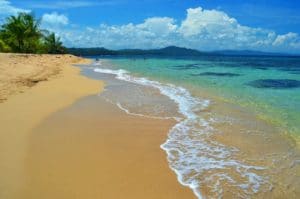
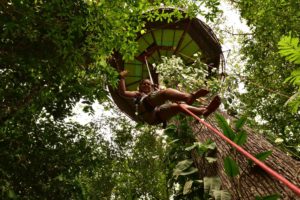


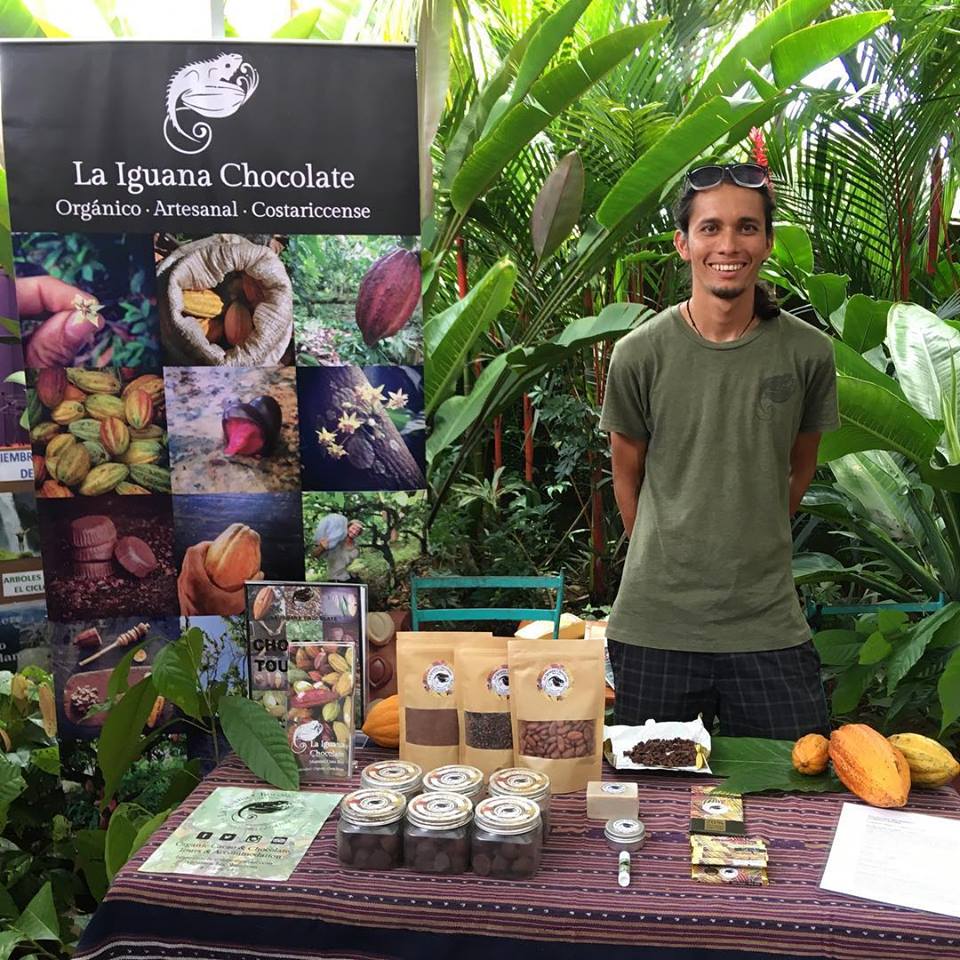

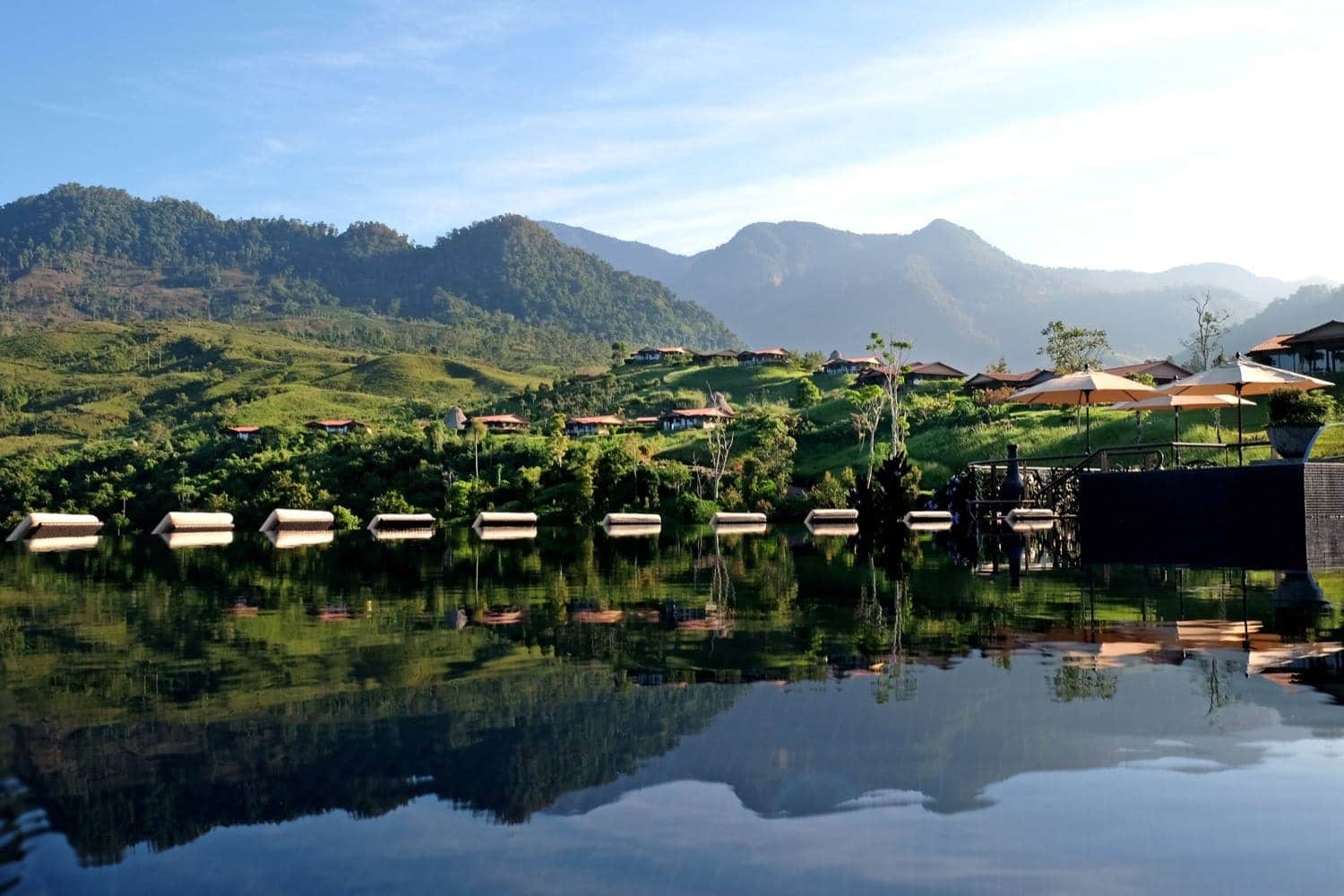
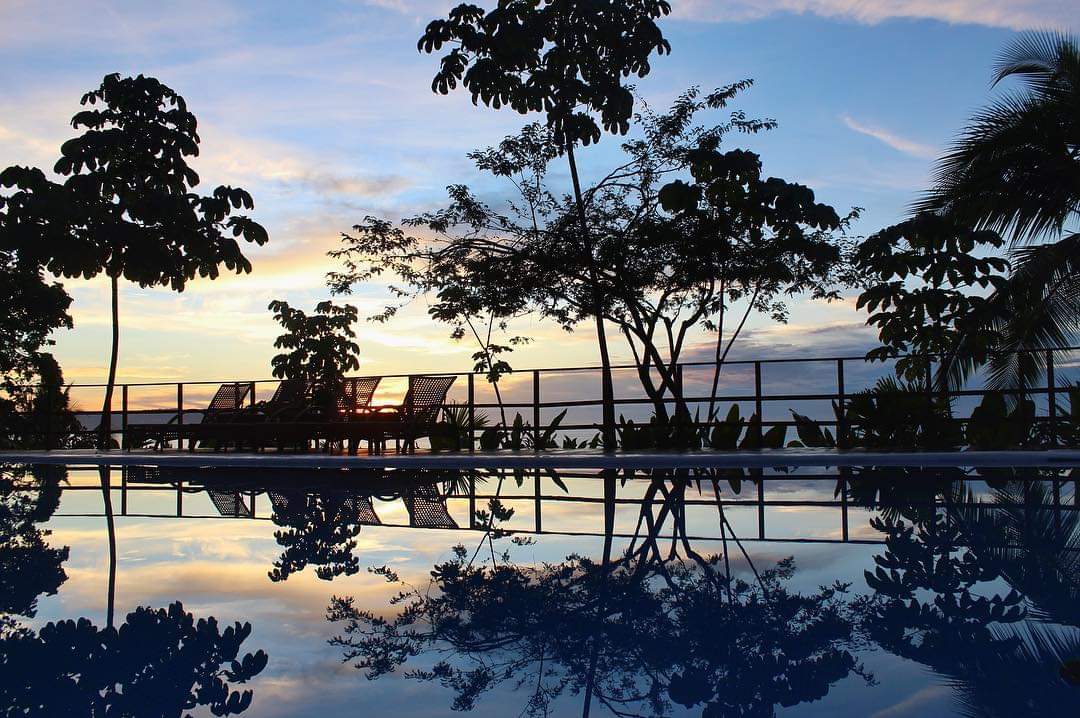


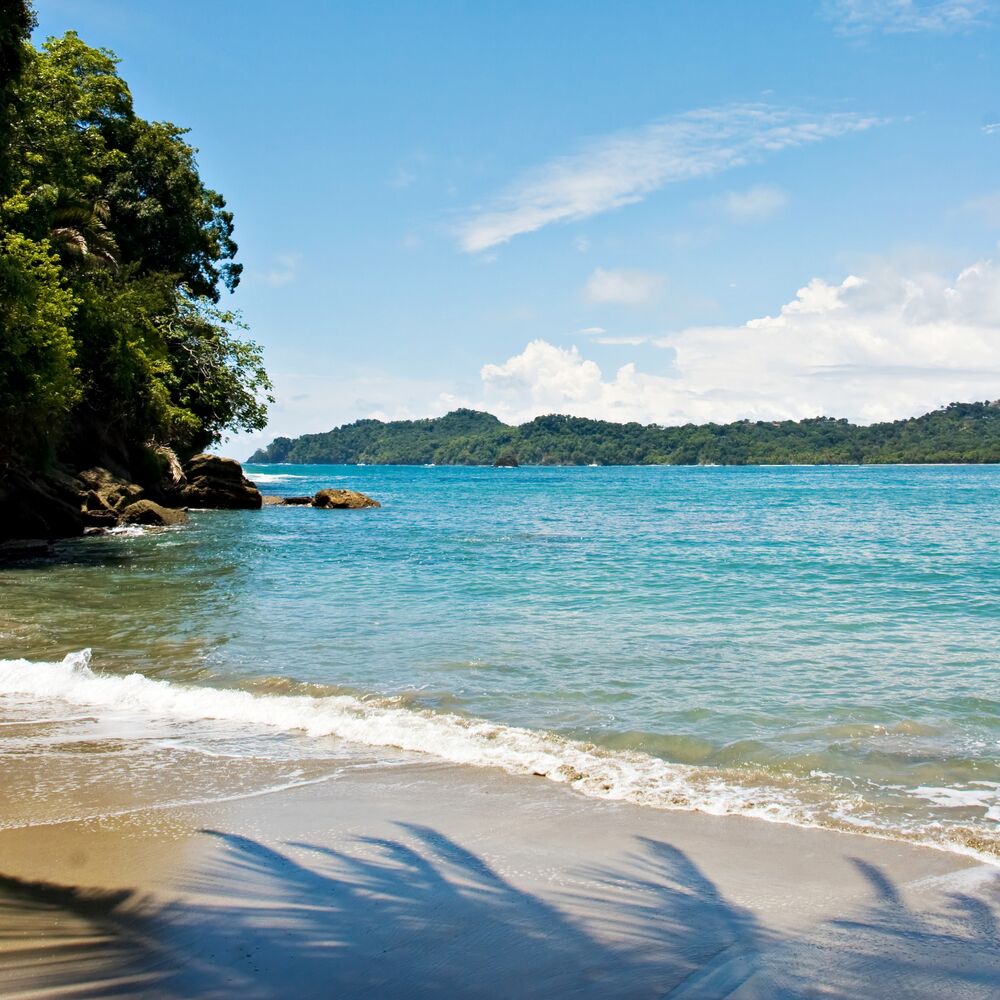


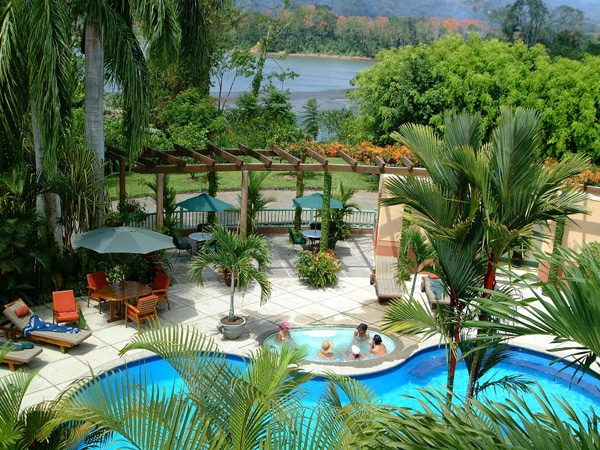
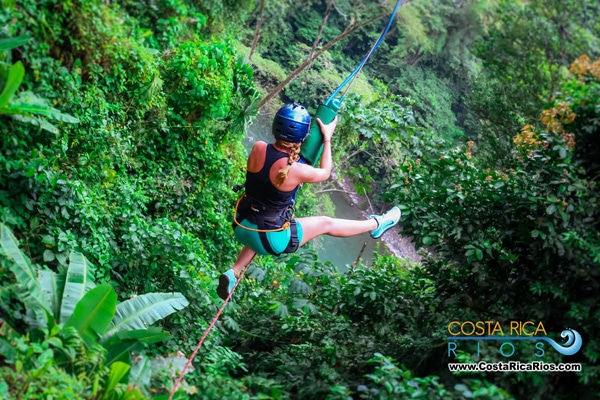
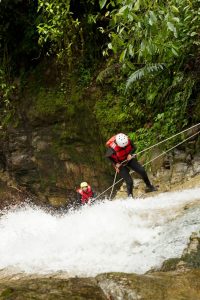
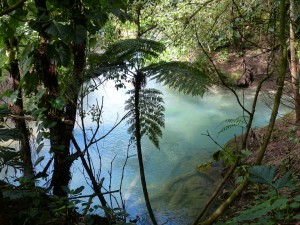

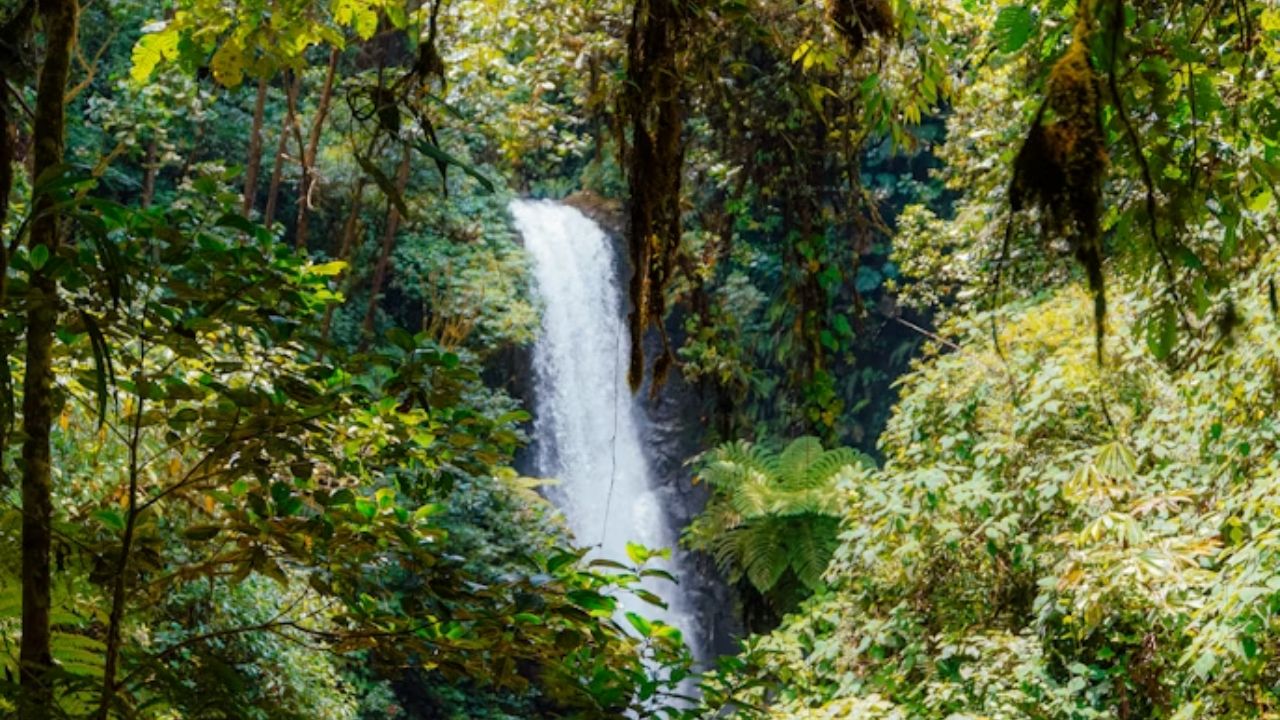





 The calm and warm waters of Manuel Antonio and the sheer ease of access and concentration of amenities make the beaches here the most sought-after by families and first-time visitors.
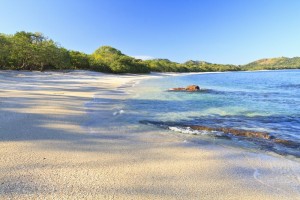 Nestled in a remote and lesser developed corner of the Nicoya Peninsula, Nosara features endless miles of sandy shores and tranquil coves home to a flurry of beautiful marine creatures. If you don’t mind foregoing luxuries and prefer a more organic beach vacation in Costa Rica, then this may just be your little corner of paradise. Snorkel, swim, sun-bake and take long walks on the beach in Nosara and you’ll also find a couple of surfing outfitters if you’re keen to learn.