
Best Sustainable Costa Rica Farm Experiences
Eco-conscious adventure tours may be what we do best here at Costa Rica Rios, but we know travelers love a comprehensive experience when on vacation so we’ve tracked the best sustainable Costa Rica farm experiences to boot. In such a varied country brimming with sensational nature, sustainable tourism takes every shape and form imaginable and indulging on an all-encompassing adventure is about the best way to soak up all the country’s highlights.
Quick-Reference Comparison Table
| Farm | Region | Price Range | Best For | Signature Experience |
|---|---|---|---|---|
| Terra Viva Private Reserve | Monteverde | Mid-range | Families, couples | Cheese making, Quetzal spotting |
| La Iguana Chocolate | San Jose Province | Budget | Day-trippers, foodies | Bean-to-bar chocolate workshop |
| El Toledo Coffee Plantation | Alajuela Province | Budget ($20pp) | Coffee lovers, day-trippers | Permaculture coffee tour |
| Hacienda AltaGracia | San Jose Province | Luxury | Couples, honeymooners | 5-star farm lodging, Level 4 CST |
| La Carolina Lodge | Bijagua, Alajuela | Mid-range | Families, digital detox | All-inclusive, wood-fired hot tub, Rio Celeste |
| Rancho Margot | Arenal / La Fortuna | Mid-range | Families, wellness | Regenerative farm, CNN-featured |
| Finca Luna Nueva Lodge | Chachagua, Arenal | Mid-range | Couples, eco-tourists | Sacred Seeds Sanctuary, cacao tour |
| Hacienda Pozo Azul | Sarapiqui, Heredia | Budget to mid | Adventure seekers | Rafting, zip-lining, farm animals |
| Finca Rosa Blanca | Central Valley, Heredia | Upper-range | Couples, luxury | Organic coffee estate, 20 min from SJO |
| Origins Lodge | Bijagua, Alajuela | Luxury | Couples, honeymooners | Luxury eco-lodge, Tenorio Volcano |
| Finca Las Hormigas | Puerto Viejo | Budget | Permaculture seekers | Off-grid jungle farm, workshops |
A Little About Costa Rica Farm Experiences
Farm experiences in Costa Rica can vary between staying in a farm-lodge or resort, enjoying the activities on offer and feasting on organic farm-to-table meals to simply spending a day touring a sustainable coffee or cocoa farm and even taking the kids along for a meet and greet with local farm animals and getting a behind-the-scenes look at traditional farming life. Whatever farm experiences tickle your fancy, rest assured you’ll find plenty of options, no matter where you go. Aside from tourism, agriculture plays a huge role in Costa Rica’s economy and farming, in general, is still the everyday life for many Ticos.
Want to add a little spice to your next journey abroad? Then add some of the best sustainable Costa Rica farm experiences to your adventure itinerary.
Terra Viva Private Reserve, Monteverde – Farm stay, cheese making, wildlife watching, hiking, horseback riding, farm animals
Terra Viva is a wonderful place, boasting its own private wildlife reserve in its expansive 300-acre property. It’s set in a quiet valley, away from the bustling crowds of Monteverde’s most tourist-ed spots, leaving guests to enjoy the peacefulness of a sustainable Costa Rica farm experience. The rustic lodging is in tune with the surrounding nature and split up between gorgeous self-contained casitas (which sleep 5 and include a kitchen, terrace and dining room) and rooms within the main house, designed to sleep two people. Once you check in we recommend you take a half-day off just to settle in and unwind, before diving into the main farm experiences on offer. At Terra Viva, there are over 4 miles of private trails you can follow through pristine cloud forests, keeping your eyes peeled for the Resplendent Quetzal, one of Costa Rica’s most precious and elusive birds. Take on a glorious horseback ride through the private reserve (ideal for first timers as they won’t need to contend with crowds) or enjoy a private cheese-making workshop with the in-house master cheese makers. The lodge also offers a sensational night hiking experience that delivers a wealth of animal spotting at a time of day when they are most active and we’re quite sure the kids will absolutely love getting to know all the farm animals.

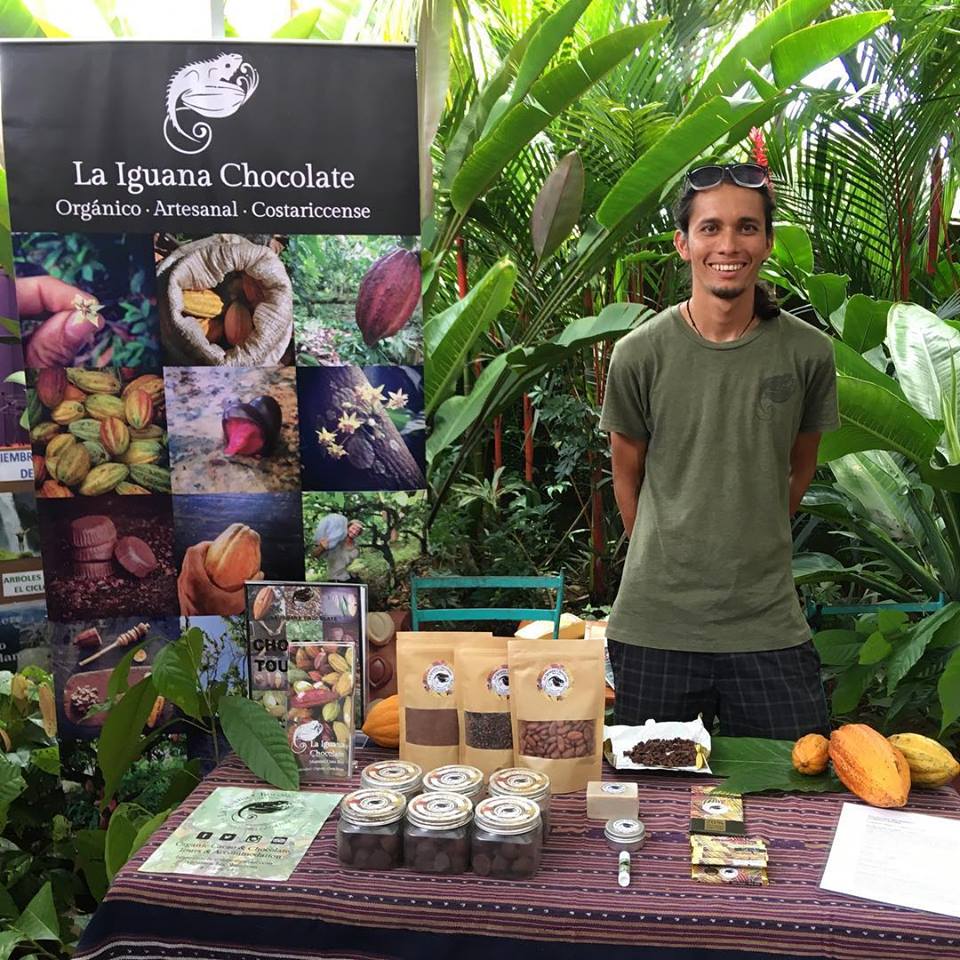
La Iguana Chocolate Workshop, San Jose Province – Organic chocolate-making workshops
La Iguana is one of the country’s best organic chocolate brands, revered for being one of only a few places in Costa Rica where chocolate is made directly from beans harvested on their property. These guys are so passionate about the art of making chocolate that they offer intensive workshops aimed at training and educating those who wish to go into the trade, professionally. This doesn’t mean, however, that the experience isn’t rewarding if you’re not planning to open your own chocolate haven. On the contrary, the detailed and comprehensive workshops are fascinating, hands-on and very rewarding. Nevertheless, you need not be a master chocolatier-wannabe to enjoy a La Iguana experience – the farm also offers tours, half-day chocolate-making classes and fantastic home-stays on the property. This small, family-run business is a treat in every way.
El Toledo Organic Coffee Plantation, Alajuela Province – Coffee Farm Tour
Despite its diminutive size, El Toledo consistently ranks among the top sustainable farm tours in all of Costa Rica and that’s not just due to the ridiculously low price of $20pp. The El Toledo family lives and breathes coffee, is committed to sustainable farming practices and endeavors to educate and inform all those who are lucky enough to find them. In just a few hours here, you’ll get an insight into the permaculture farming practice that keeps this place thriving and get to feast on all the luscious tropical fruits grown on the property. You’ll see how the beans are processed, packed and shipped off to suppliers or sold in local markets. The tour is rewarding and the region just stunning, so make a point to include this on your tour of the country.

Hacienda AltaGracia, San José Province – A 5* sustainable farm stay ? You bet!
Just to prove the point that the best sustainable Costa Rica farm experiences can come in all shapes and sizes, we introduce you this exceptional and totally luxurious resort. Part of the Auberge Resorts Collection, AltaGracia is super lush: a 5* luxury ranch that’s set in one of the most magnificent corners of the country.
Having impressively earned a Level 4 Certification for Sustainable Tourism, AltaGracia is guilt-free indulgence at its very best. Between the jacuzzi and spa, the equestrian excursions, gourmet dining, stunning accommodation and overall drop-dead-gorgeous design and setting, it’s no wonder this place earned the number one badge for best hotel in Central America from Conde Nast.
A stay here unlocks microlight sightseeing flights, cultural village visits, horseback riding, mountain biking, wildlife watching, coffee and fresh produce farm tours and plenty of workshops covering cheese making and the insider secrets of Tico cuisine. All this comes at a respectably steep cost, of course, but for that one sustainable farm experience splurge, this is a top contender.
Northern Costa Rica Farm Stays
La Carolina Lodge, Bijagua de Upala, Alajuela Province – All-inclusive working farm, cow milking, horseback riding, and proximity to the Rio Celeste
Best for: Families, digital detox seekers, couples, nature lovers
La Carolina Lodge sits on 170 acres of working ranch land on the eastern slopes of Tenorio Volcano, just a short drive from one of Costa Rica’s most photographed natural wonders, the turquoise Rio Celeste waterfall inside Tenorio Volcano National Park. This is one of the most genuinely off-grid farm stays available in the entire country.
There is no Wi-Fi and very limited phone reception, which is precisely the point. The lodge runs entirely on fresh spring water sourced from the mountains above, and the kitchen serves three hearty, family-style meals per day cooked over a traditional wood-burning stove using ingredients grown or raised directly on the farm. Beans, rice, fresh vegetables, tropical fruits, homemade bread and farm-fermented cheese all come from the property itself.
Activities include guided horseback riding through meadows and river trails, cow milking sessions with the resident ranch manager Alejandro, guided hikes through the lush surrounding forest, swimming in the crystal-clear freshwater river that winds through the property and soaking in the one-of-a-kind wood-fired hot tub positioned right beside the water.
Accommodations are spread across 10 rustic but comfortable cabins, the most romantic of which overlooks the river with a private porch and fireplace.
A 4×4 vehicle is strongly recommended to navigate the access road. A two-night minimum stay applies, though three or four nights is genuinely the better choice to absorb everything the property offers.
Price range: Mid-range; all-inclusive (meals included)
Rancho Margot, El Castillo, Arenal / La Fortuna Región
Regenerative eco-lodge, organic farm, yoga, animal rescue center
Best for: Families, wellness travelers, eco-minded adventurers, solo travelers, student groups
Featured by CNN and Al Jazeera as a pioneer in Costa Rica’s regenerative tourism movement, Rancho Margot occupies 400 acres of mountain rainforest just 40 minutes from La Fortuna, bordering the Children’s Eternal Rainforest and sitting at the edge of Lake Arenal. This is not simply a farm stay; it operates as a living, self-sufficient community. All electricity is generated on-site through hydroelectric power.
One hundred percent of all dairy and meats consumed on the property are produced without chemicals. Fruits and vegetables are grown on-site, and all furniture is handcrafted by local carpenters using reclaimed or waste wood from the ranch.
A complex composting system handles all organic waste, while a biodigester converts animal waste into natural gas used for cooking.
Guests stay in 19 bungalows or bunkhouse-style quarters, all with terraces fitted with hammocks and views of the rolling forested hills. Included with every stay are guided ranch tours that walk through all aspects of the property’s sustainable systems, twice-daily yoga sessions, access to hiking trails and use of the chemical-free swimming pool.
Additional activities available include horseback riding, kayaking on calm waterways, night hikes through the rainforest after dusk, and a self-guided hike to the Mirador lookout with panoramic views of the Arenal, Tenorio, and Miravalles volcanoes.
The ranch also runs an on-site animal rescue and reintegration center, receiving animals recovered by local authorities, rehabilitating them, and returning them to the wild. Around 50 people from the surrounding village of El Castillo are employed by Rancho Margot, giving the experience a real community dimension. A 4×4 is recommended for the final stretch of access road.
Price range: Mid-range; all meals included in most packages
Finca Luna Nueva Lodge, Chachagua, Arenal Region
Regenerative farm, Sacred Seeds Sanctuary, chocolate tour, wellness center
Best for: Couples, families, eco-tourists, wellness travelers, scientists, and students
About 25 to 30 minutes from La Fortuna, Finca Luna Nueva has been farming organically since 1994, starting with ginger and turmeric before expanding into cacao and a sweeping variety of tropical produce.
Today, the 207-acre property is recognized as the inaugural center for the teaching of regenerative organic agriculture in the tropics and holds a Certification for Sustainable Tourism from Costa Rica’s Institute of Tourism.
The crown jewel of the property is the Sacred Seeds Sanctuary, a remarkable living collection of over 300 species of tropical plants of medicinal and cultural significance to indigenous communities throughout the region.
Accommodations range from private Casita bungalows with king beds, solar-heated water, private terraces and hammocks to family cabins sleeping up to six guests. A solar-heated jacuzzi, ozonated swimming pool, open-air yoga platform and a full spa with bamboo treatment huts round out the wellness amenities.
The lodge’s restaurant serves all three meals using produce harvested directly from the property, including freshly ground chocolate drinks, farm-made cheese and free-range eggs.
Guided farm tours run 1.5 hours and cost around $25 for guests, covering the cacao groves, the Sacred Seeds Sanctuary, medicinal plant gardens and an explanation of the regenerative farming philosophy. A paid chocolate tour walks visitors through the entire process from harvested cacao bean to finished product.
All construction at the lodge was done using timber milled on-site, crafted by local builders. Day visitors are also welcome for farm tours, making this an excellent add-on even without an overnight stay.
Price range: Mid-range to upper-mid-range; meals available at the restaurant
Hacienda Pozo Azul, Sarapiquí Región, Heredia Province
Adventure farm, white-water rafting, organic garden, farm animals, tent camping
Best for: Adventure seekers, families, active couples, budget-conscious travelers, groups
Hacienda Pozo Azul is a 2,500-acre private reserve located in the biodiverse Sarapiqui region, approximately two hours from San Jose in the province of Heredia, positioned right alongside the Sarapiqui River. The property blends active farm tourism with rainforest adventure in a combination rarely matched in the country.
Guests stay in tented accommodations set within the forest, offering an immersive experience that puts nature front and center without removing all creature comforts. A continental breakfast is served each morning, and the on-site restaurant prepares Latin American cuisine using locally sourced ingredients.
On the farm side, guided tours visit the organic garden and meet the property’s animals, including poultry, sheep, goats, calves, miniature Falabella horses, and rabbits. A tractor-ride tour called the “Chapulín Tour” (named for the traditional Costa Rican farm tractor) takes small groups through the pastures, gardens, and fields while the farm team explains the history and traditions of Costa Rican agriculture.
Beyond the farm, the full adventure menu includes white-water rafting on the Sarapiqui River at Class 2, 3, and 4 levels, zip-lining through the rainforest canopy, canyoneering, rappelling, a hanging bridge walk over the river, and guided nature walks through over 10 miles of jungle trails. Cooking classes are also available.
The property is located in one of Costa Rica’s most biodiverse regions, with Sarapiqui alone accounting for 4% of the country’s total biodiversity.
Price range: Budget to mid-range; tent accommodation from approximately $80 to $120 per night
Central Costa Rica Farm Stays
Finca Rosa Blanca Coffee Plantation and Inn, Heredia
Boutique coffee farm, luxury inn, farm-to-table restaurant
Best for: Couples, honeymooners, luxury travelers, coffee enthusiasts
Finca Rosa Blanca sits within the coffee-growing hills of the Central Valley, just 20 minutes from San Jose International Airport, making it one of the most accessible luxury farm experiences in the country.
The property is built around a working certified organic coffee plantation and has earned recognition from National Geographic and the Rainforest Alliance for its environmental and community practices. The whimsical architecture of the main building, featuring curved walls, hand-painted murals, and a tower suite with panoramic valley views, makes this one of the most photographed small hotels in Costa Rica.
Coffee tours walk guests through the full cultivation and processing cycle on the property’s own terraced hillside plantation, concluding with a tasting of the estate’s single-origin roast.
The restaurant, El Tigre Vestido, sources ingredients from the kitchen garden on-site and from neighboring farms, preparing dishes that celebrate Central Valley cooking traditions. The grounds hold a natural swimming pool, yoga classes, and guided birding walks.
For the traveler who wants genuine farm proximity without sacrificing refinement, Finca Rosa Blanca delivers both in the same place.
Price range: Upper-range boutique hotel
Southern Costa Rica Farm Stays
Origins Lodge, Bijagua de Upala
Best for: Couples, luxury eco-travelers, birdwatchers, honeymooners
Origins Lodge represents the more refined end of the sustainable farm stay spectrum in Costa Rica. Nestled near Bijagua de Upala in the lush rainforests of the Talamanca Mountains, this eco-lodge offers luxurious bungalows and villas designed to blend organically into the surrounding landscape using natural materials and open-air construction.
All dining at Origins emphasizes farm-to-table principles, with meals prepared from locally sourced produce that supports the surrounding farming community. Activities include guided nature walks, birdwatching excursions, waterfall hikes and access to the nearby Tenorio Volcano National Park for the famous Rio Celeste trail. This is a property where sustainability and luxury operate side by side without tension.
Price range: Upper-range to luxury
Caribbean Coast Costa Rica Farm Stays
Finca Las Hormigas, Puerto Viejo de Talamanca
Best for: Solo travelers, volunteer travelers, permaculture enthusiasts, groups seeking educational retreats
Rooted in the jungle of the Caribbean coast near Puerto Viejo, Finca Las Hormigas is a regenerative permaculture farm offering farm stays, hands-on workshops and sustainable living experiences in an off-grid tropical setting.
The property operates as both a working farm and an educational center, teaching visitors how to build soil, grow food and live in rhythm with the land through daily practice.
Stays range from short visits for farm tours and a community brunch, to multi-week immersions for those who want to go deeper into permaculture design and agroforestry. Group retreats, workshops and shared adventures can also be arranged for organizations, school groups and families.
Price range: Budget-friendly, varies by program length
Planning a Sustainable Costa Rica Farm Stay: What to Know Before Arriving
Understanding the CST Certification
When researching farm stays in Costa Rica, the letters CST appear on many properties. The Certification for Sustainable Tourism is a voluntary program administered by Costa Rica’s Institute of Tourism (ICT), established in 1997, and has since become a globally recognized standard acknowledged by the Global Sustainable Tourism Council.
The program evaluates businesses across four pillars: business management, social and cultural impact, environmental impact and sector-specific indicators. Properties are rated on a scale from Level 0 to Level 5, with Level 5 representing the highest achievable compliance with all sustainability criteria. A Level 4 certified property, such as Hacienda AltaGracia, has scored in the 80 to 94 percentile range across all evaluation categories, covering everything from waste reduction and water conservation practices to local employment and community education programs.
When a farm stay carries a CST rating, it provides verified assurance that its sustainability claims go beyond marketing language.
What to Expect at a Costa Rica Farm Stay
Farm stays in Costa Rica range from truly rustic off-grid experiences, where candles light the pathways and Wi-Fi is intentionally absent (La Carolina Lodge being the clearest example), to polished eco-luxury resorts where sustainability certification sits alongside five-star hospitality (AltaGracia). Between those poles sits the majority of quality farm stays, offering simple but comfortable wooden accommodations, shared or private bathrooms with hot water, farm-to-table meals prepared fresh three times a day and an activities calendar built around the land itself.
Meals are a genuine highlight at virtually every well-regarded farm stay. The best properties grow or raise a substantial portion of what appears on the table: cheese fermented in-house, vegetables harvested that morning, fresh fruit juices pressed from the property’s orchards, coffee roasted on-site. This is not a marketing claim at places like Rancho Margot, La Carolina, or Finca Luna Nueva but a verifiable daily reality that guests notice immediately.
What to Pack
Sturdy, closed-toe walking shoes or rubber boots are essential, particularly during the rainy season when farm trails become slick with mud. Most farms provide rubber boots for use on-site. Light, breathable clothing works well for the heat during the day, while one long-sleeved layer is useful for evenings at higher-altitude farms like Terra Viva in Monteverde or Las Vueltas Lodge near Cerro de la Muerte.
A quality insect repellent, a rain poncho or lightweight jacket and a reusable water bottle round out the packing essentials. Bathing suits are worth bringing for any farm stay near a river or with a pool.
Getting There: Do You Need a 4×4?
Several of the most rewarding farm stays in Costa Rica are accessed via unpaved rural roads, and a 4×4 rental vehicle is strongly recommended for La Carolina Lodge, Rancho Margot and any farm in the more remote corners of the country.
Rancho Margot, for example, sits at the end of a long dirt road past El Castillo that is passable in a regular car during the dry season but becomes challenging in the rain. La Carolina’s access road runs through the hills above Bijagua. For farm stays closer to main highways, such as El Toledo, Finca Rosa Blanca, and Hacienda Pozo Azul, standard vehicles are fine.
Best Time to Visit
The dry season, running from December through April, represents the most comfortable window for farm stays across most regions of Costa Rica. Roads are at their easiest to navigate, outdoor activities run without interruption, and wildlife viewing is excellent.
That said, the green season from May through November brings its own rewards: lush, intensely verdant landscapes, lower prices at many properties, and far fewer visitors sharing the trails. Rancho Margot and Finca Luna Nueva are particularly stunning in the green season when the surrounding rainforest is at its most vibrant.
For Monteverde-based farm stays like Terra Viva, the dry season reduces the chance of cloud cover obscuring the Quetzal habitats.
How Much Do Costa Rica Farm Stays Cost?
Budget options like El Toledo Coffee Tour start at $20 per person for a half-day experience. Mid-range all-inclusive farm lodges like La Carolina Lodge and Rancho Margot typically run between $80 and $180 per night per person with all meals included, which represents strong value given the quality and quantity of food served.
Finca Luna Nueva and Hacienda Pozo Azul sit in a similar range. Upper-tier options like Finca Rosa Blanca run $250 to $400 per night, while a stay at Hacienda AltaGracia represents a true luxury investment in the $500 and above per night category. For most farm stays, meals are included or available at reasonable prices on-site.
Frequently Asked Questions About Costa Rica Farm Stays
What is a farm stay in Costa Rica?
A farm stay in Costa Rica is an accommodation experience at a working farm, finca or ranch where guests participate in daily agricultural life alongside the resident farmers.
This typically includes farm tours, animal interactions such as cow milking, farm-to-table meals prepared from on-site produce, and activities like hiking, horseback riding and hands-on workshops in cheese making, chocolate or coffee production.
Farm stays range from budget-friendly rustic lodges to luxury eco-resorts, but all share the connecting thread of authentic engagement with Costa Rican agricultural traditions.
What is the difference between a farm stay and an eco-lodge in Costa Rica?
The distinction is not always rigid, but a farm stay places agricultural activity at the center of the experience, meaning guests interact directly with crops, livestock and farming practices as the primary draw. An eco-lodge focuses primarily on nature immersion and wildlife, using sustainable practices in operations but without necessarily running an active working farm.
Many properties in Costa Rica combine both elements: Finca Luna Nueva and Rancho Margot, for example, function as fully operational farms that also offer wildlife observation, trail hiking, and biodiversity programming more commonly associated with eco-lodges.
Are Costa Rica farm stays good for children?
Farm stays are among the best options in all of Costa Rica for families traveling with children. Experiences like feeding farm animals, milking cows, collecting eggs, learning how chocolate is made from a cacao pod, and watching cheese being produced offer genuine educational value in an environment where children are engaged rather than passive.
La Carolina Lodge, Rancho Margot, Terra Viva, and Finca Luna Nueva all have strong track records hosting families with kids of various ages. For very young children, the inclusion of all meals at most farm stays also removes the logistical challenge of finding suitable restaurants in remote rural areas.
Which region of Costa Rica has the best farm stays?
The Arenal and La Fortuna region offers the highest concentration of quality farm stays relative to geographic area, with Rancho Margot and Finca Luna Nueva both within 40 minutes of each other and positioned near one of the most activity-rich tourism zones in the country. Monteverde is the second strongest cluster, anchored by Terra Viva.
The northern Tenorio region around Bijagua is a rising contender with La Carolina Lodge offering one of the most authentic all-inclusive farm experiences available. For those routing through the Central Valley, Finca Rosa Blanca near Heredia combines accessibility from San Jose with genuine organic farm credentials.
What does Costa Rica’s Certification for Sustainable Tourism (CST) actually mean?
The CST is a voluntary program run by Costa Rica’s national tourism body, the ICT, and is recognized internationally by the Global Sustainable Tourism Council. Properties are independently audited and scored on their practices across environmental, social and business sustainability dimensions.
A higher CST level indicates that a property has independently verified, not just self-declared, its commitment to sustainable practices. When planning a farm stay, looking for CST-certified properties adds a meaningful layer of confidence that environmental and community practices are genuine and monitored, not simply presented in marketing materials.
Do Costa Rica farm stays have Wi-Fi and electricity?
This varies significantly by property. Finca Luna Nueva, Terra Viva and Hacienda Pozo Azul all offer Wi-Fi, though connectivity at remote lodges is often limited to communal areas. La Carolina Lodge intentionally does not offer Wi-Fi or reliable cell reception, positioning the disconnection as a feature of the experience rather than a limitation.
Rancho Margot provides Wi-Fi in the bar and communal areas only. Most farms generate electricity either from the main grid or from renewable on-site sources like hydroelectric or solar power, so electrical outlets for charging devices are generally available. For travelers deeply reliant on constant connectivity, this is worth confirming directly with the property before booking.
At Costa Rica Rios, we can plan your bespoke and group adventure tour to include as many distinct Tico experiences as you desire. We’ll guide you through the best the country has to offer and send you home with some of the most unforgettable travel memories you’ll ever have.
Contact us to know more.