

Costa Rica family vacations with kids work better than most parents expect. The country is small, safe, and built for exactly this kind of trip. Rainforests, volcanoes, white water, and warm beaches all sit within a few hours of each other. No other destination in this hemisphere packs that range into one week.

Parents who’ve been here before will tell you the same thing. The activities are real. The guides are good. The kids almost always outperform what parents thought possible. And the moments that stick longest are rarely the biggest ones.
Is Costa Rica Safe for Families?
Tourist towns are well set up. Liberia, La Fortuna, Manuel Antonio, and Tamarindo all have tourist police, paved hospital access, and English-speaking emergency staff. Road quality varies. That’s where most family incidents happen. Not crime. Hire a known driver or rent a 4WD and go slow on mountain roads.
Medical care is also solid in the main towns. San José has private hospitals that match US standards. Farther into rural zones, access drops. Travel cover that includes a medical flight out is worth having. Not optional. Not a box-checking thing. Worth having. Families who want maximum control over safety and scheduling often choose private tours in Costa Rica over group packages.
Wildlife safety is its own category. No snake will come looking for your kids. But, closed-toe shoes matter on jungle trails. Teach children not to reach under rocks or touch wildlife. Guides handle this well and will tell families exactly what to avoid on arrival.
The water is safe to drink. Costa Rica has invested heavily in its water systems. No need for bottled water in most towns and hotels. That’s a genuine surprise for most first-time visitors.
Best Time to Visit Costa Rica with Kids
Not all months are equal. December through April is the dry season. Skies are clear, roads are dry, and most national parks are fully accessible. This is peak season. Costs go up. Book early.
May through November is the rainy season. Rains mostly hit in the afternoon. Mornings are often clear and perfectly good for tours and hikes. July is the exception. The second two weeks of July fall in what Ticos call the “little summer,” a natural dry break mid-rainy season. It is some of the best family travel timing in the entire year.
Avoid late October and the first two weeks of November. Rain gets heavy and sustained. Some roads flood. National park trails close. It’s not impossible to travel then, but it’s the hardest window.
School holiday timing matters for US families. December through early January lines up with the dry season perfectly. Spring break in March and April also works well. Summer in June and July is popular and the wet season makes the jungle look its best.
The Caribbean coast runs on a flipped calendar. When the Pacific side is dry, the Caribbean coast is often wet, and vice versa. Families planning a two-coast trip should build an itinerary around this.
Best Regions in Costa Rica for Families
Knowing where to go is the trick to a great trip. Costa Rica is small but not simple. Different regions suit different ages, budgets, and energy levels.
La Fortuna and the Arenal Volcano Region
Arenal is the adventure capital. The volcano is active but stable. Kids can see real lava fields, hang bridges over forest canopy, soak in natural hot springs, and do white water rafting on the Sarapiquí and Balsa rivers.
This is where families with kids aged 6 and up tend to get the most out of a first trip. The town of La Fortuna is well set up with restaurants, medical clinics, and easy transport links. Most families spend three to four nights here as their first stop.
Manuel Antonio
Manuel Antonio sits on the Pacific coast and is the most family-friendly region in the country. The national park has short, paved trails where monkeys, sloths, and scarlet macaws appear within minutes of entry. No hiking fitness required. The beaches inside the park are calm and beautiful. Hotels here range from budget guesthouses to luxury cliff-top resorts. Families with young children and toddlers tend to do best here. Mix beach days with one or two guided wildlife tours.
Monteverde Cloud Forest
Monteverde is slower and cooler. The cloud forest sits above the tree line at about 4,600 feet. Families come for hang bridges, zip lines through misty cloud forest canopy, and night hikes. The canopy tour here is one of the best in the country. Some of the most amazing zip lines in Costa Rica run through this exact cloud forest terrain.
Temperatures drop at night, which surprises many first-time visitors. Pack a layer. Kids who love nature, quiet trails, and birdwatching find this region the most rewarding stretch of any Costa Rica trip.
Guanacaste and the Nicoya Peninsula
Guanacaste is in the dry, sunny northwest. The region has the most all-inclusive beach resorts. Families who want a beach-first trip with some wildlife and adventure nearby tend to gravitate here. Tamarindo and Flamingo are the most family-accessible towns. Surfing lessons are everywhere.
The Nicoya Peninsula, just south, has quieter beaches at Samara and Nosara. Sea turtle nesting season runs from September to November at Ostional beach on the Nicoya Peninsula. Watching hatchlings at night is one of the best family wildlife experiences in all of Central America. Kids remember it for years.
Tortuguero National Park
Tortuguero is remote and different. It sits on the Caribbean coast and has no roads. Families arrive by boat or small plane. The park is canal-based. Boat tours through jungle channels deliver green turtle sightings, river otters, caimans, and more bird species than most families can name. July to October is turtle nesting season.
This region suits families who want something genuinely wild and off the typical tourist path. Plan for at least two nights. One night is not enough. Families interested in combining canal wildlife with kayaking in Costa Rica can add a guided paddle through the narrower waterways.
Osa Peninsula
Osa is the most biodiverse corner of Costa Rica. Corcovado National Park sits here. It is remote, requires permits, and is best with a guide. Families with older kids aged 10 and up get the most from this area. Younger children may find the long hiking days hard.
The wildlife density here is unlike anything else in the country. Scarlet macaws fly in pairs. Tapirs cross the trail. Whale sharks move through the bay in season.
The Costa Rica adventure vacation packages that include Corcovado are built specifically for families with older kids who want the deepest wildlife experience in the country
What Can Kids of Each Age Actually Do?
Age matters more here than in most destinations. The good news is that there is no age group that runs out of things to do. The guide calibrates the activity. Parents don’t have to.
Toddlers and young children (ages 2 to 5)
These kids do better than most parents assume. Wildlife visits work brilliantly. Seeing a sloth moves them. Watching a toucan feed overhead does too. National parks with paved or flat trails are accessible with a carrier or sturdy stroller. Manuel Antonio is ideal. Hot springs are a hit at this age. Some rafting companies offer gentle float trips on flat sections of river that work for kids as young as 3 with a guide present.
Avoid long travel days. The drives between regions can run 3 to 5 hours. Break them with a stop. Snacks matter a lot on these stretches.
Young kids (ages 6 to 9)
This is where the trip opens up. Zip line tours have minimum age requirements that often start at 6 or 7. White water rafting on Class 2 and 3 rivers is open to kids from age 6 at most operators. Kayaking, horseback riding, and canopy tours are all in range.
Wildlife spotting becomes more interactive at this age. Kids start identifying species on their own. Guides love working with this age group. Their energy matches the pace of a full adventure day.
Tweens (ages 10 to 12)
Tweens can access almost everything on offer. Class 3 and 4 white water rafting is open to most fit 10-year-olds. Canyoning, mountain biking, and overnight hiking trips work at this age. The Osa Peninsula becomes accessible. Night hikes in the jungle start feeling genuinely exciting rather than scary. This is often the age where kids lead the pace of the trip. Parents end up keeping up.
Teens (ages 13 and up)
Teens get full access. Surfing lessons, canyoning down waterfalls, open-water kayaking, and advanced white water are all options. Volunteer programs at wildlife rescue centers are open to teens aged 14 and up at some operators. Add a Spanish lesson morning before an afternoon adventure. Teens who come to Costa Rica reluctant about a family trip tend to leave asking when they’re coming back.
Mixed-age siblings
This is a common planning problem. Families with a 5-year-old and a 13-year-old assume one of them will miss out. That’s rarely true here. Guides split activities by ability, not by family unit. On a rafting day, the younger child may paddle a calm section with one guide while the older one hits hard rapids with another.
Everyone gets back at the same landing point. Nobody compromises. That flexibility is what sets a guided family tour apart from self-booking. The Costa Rica family vacation itineraries at Costa Rica Rios are built around exactly this challenge. Real mixed-age families. Real solutions.
A Sample 7-Day Costa Rica Family Adventure Itinerary
Seven nights is the sweet spot for a first family trip. Enough time to cover two regions, rest properly, and not feel rushed.
Day 1: Arrive and transfer to La Fortuna
Fly into San José (SJO). A private transfer to La Fortuna takes about 2.5 to 3 hours depending on traffic. Book a private driver, not a shuttle, on the first day. Kids are tired after a long flight. The drive goes through the central valley and climbs into volcanic terrain. Check in, eat at the hotel, and go to sleep early.
Day 2: Arenal Volcano and Hot Springs
Morning trail walk around the old lava fields at Arenal Volcano National Park. The volcano is visible on clear days and the geology is unlike anything in North America. Afternoon at a hot springs resort. Most have multiple temperature pools, waterslides, and buffet restaurants. Book through a hotel or tour operator. Walk-in prices are higher and the best slots fill by noon.
Day 3: White Water Rafting or Canopy Tour
Pick one for the morning. Rafting on the Balsa River works for kids aged 6 and up on Class 2 and 3 sections. The Sarapiquí suits older kids looking for Class 3 and 4 rapids. Canopy tours on the Arenal side run through high forest with good views of the volcano. Afternoon free for a waterfall swim or hanging bridges walk.
Day 4: Transfer to Manuel Antonio
The drive is about 4 hours via the Interamerican Highway. It’s a full travel day. Break it at a roadside soda (local diner) for a casado lunch. The food is cheap, good, and local. Arrive in Manuel Antonio by mid-afternoon. Rest.
Day 5: Manuel Antonio National Park
Enter the park early. The gate opens at 7am and wildlife is most active in the first two hours. Hire a licensed guide at the gate if not pre-booked. Guides spot animals that families on solo walks miss entirely. A good guide will find a sloth within 20 minutes. Afternoon on the beach inside the park.
Day 6: Beach Day and Optional Kayaking
Full beach day. Manuel Antonio has calm waters on the main park beach. Kayaking tours launch from the town side and go around the headland into quiet coves. Good for all ages. Evening in town for dinner.
Day 7: Depart
Transfer back to San José. About 3 hours. Fly home.
This structure covers the volcano region, cloud forest on the transfer route, wildlife, beach, white water, and canopy. Two airports serve this itinerary. SJO in and SJO out.
Knowing the Most Suitable Destinations in Costa Rica
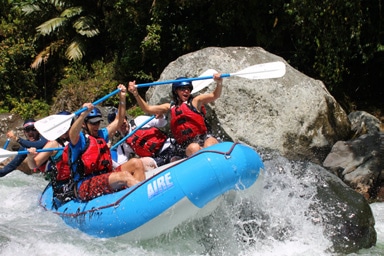
Knowing the most suitable destinations in Costa Rica for your family is the trick to planning a fabulous adventure vacation and that’s why we offer our knowledge and expertise during our tour booking process. Simply tell us what you and your family want to do, how old (and intrepid) your children are and we’ll find the best Costa Rica spots (and sports) for you all to discover together.
Pushing your kids out of their comfort zones can be an extraordinary experience
Although we realize that parents know their children best, we also know from experience that, sometimes, fearless kids would like to push themselves a little more. A parent with a fear of heights, for example, may rate canopy tours far too daring for their 10-year-old child when, in reality, the tour and the child may be a perfect match.
Giving children the opportunity to try new and exciting adventures in complete safety and with a professional guide at hand, means they can test their abilities and courage, and discover things about themselves they may otherwise never know. From our combined decades of experience, we can attest that adventure-seeking kids who head to Costa Rica on family vacations manage to surprise their parents, each and every day.
The trick to letting go of the reigns just a tad? This next point…
Trust the expertise of your tour guides – they really do know what they’re doing!
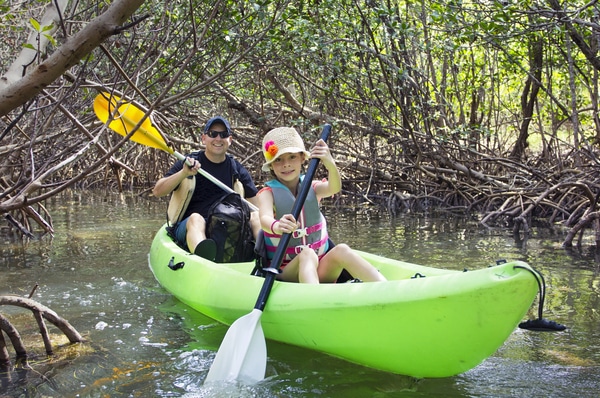 It may be unnerving to place your family’s travel plans in the hands of strangers but, when it comes to professional and experienced adventure guides in Costa Rica, you really do need to let go of their reigns. From transfer plans to eco-lodge booking, inclusion of daily activities and the offer of a wonderfully balanced itinerary: these are just a few of the priceless benefits of planning your family vacation with us.
Aside from the logistics, our expert guides also know how to test the abilities of children for various activities. We can swiftly ascertain if that river rapid, that waterfall hike or that snorkeling excursion is perfect for your child or if it may be too challenging.
When you’re in expert hands, you can ALL let go and have the time of your lives
How do we get children to do the craziest things in Costa Rica? Simple. We simply ask them if they would love to have a go.
Our tactic really is very simple – just ask each child if he/she would like to try something daring and fun, even if it may seem a little scary. If they say YES, PLEAAAAASE! and we know we can let them try it safely, then we know we’re about to create a lifelong memory for them. At times, it’s the parents that need a little more coaxing to join them (seriously!) and, when we succeed, we see the overwhelming excitement in the children’s eyes.
Enjoying this kind of adventure-filled vacation is one of the most empowering and bonding experiences families can have. How do we know this? Because we’ve seen it happen with our own eyes.
We know how to solve age-disparity issues – you just need to ask!
Some families we’ve hosted have told us that they waited a couple of years to book their Costa Rica extreme adventures vacation, because they thought their children’s age gap was simply too great. They assumed one of them would have to compromise BIG time in order for the other to have a great time. Maybe this would be true in another country but it certainly isn’t in Costa Rica.
At Costa Rica Rios, we constantly host families with children of varying ages which means we’re apt at planning hybrid tours that combine super-fun activities that are enjoyable for every member of the family. On whitewater rafting trips, for example, we may have the younger child in a kayak with a guide (or bypass a rapid altogether) whilst the older one rafts hard-core rapids, and then swap places so everyone gets to paddle in stretches we think are suitable for their age.
One child wants to go rafting but the other doesn’t? NO problem!! There’s always an array of fantastic alternatives, no matter where in Costa Rica you are vacationing. From wildlife spotting to zip lining, enjoying a swim under a waterfall or exploring a national park nearby – flexibility and variety are the most revered aspects of our bespoke family tours so don’t let differing ages and/or desires put you off planning a family vacation in Costa Rica.
This really is the country that offers something for everyone. Yes…grandparents included!
Don’t just focus on BIG ticket items – for kids, it’s the little discoveries that really impress
At the end of family tours, children are always keen to tell us what their favorite highlight has been. The answers can be very surprising for all of us adults and are a beautiful reminder that the little things can matter as much as the big things. If not more.
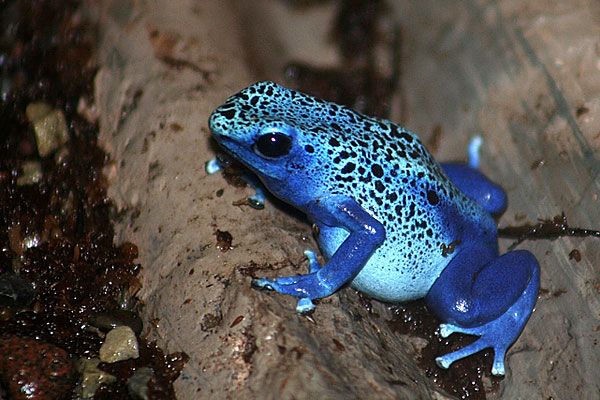 From visiting a butterfly garden to seeing a flurry of scurrying carbs on the beach, spotting a crazy colorful frog in the forest, playing a game of football with local kids, learning all about chocolate making or enjoying a home stay with a local family for a night – these are the kind of highlights children constantly comment on. And so they should!
Visiting famous national parks and doing cool stuff is, well, cool…but seeing how families in other countries live, discovering animals when they least expect it and experiencing anything foreign to them can really blow their mind!
By all means, plan the ‘popular’ stuff on your family vacation in Costa Rica but don’t forget to also include plenty of free time for last-minute, local experiences.
Not so fast! Slow it down when traveling with kids
Adults may be able to buckle up and head off on a whirlwind adventure all over Costa Rica just as soon as they get off the plane but children need a little more down time – even the most active ones!
Depending on where in the country you wish to go, transfers can be slow and tedious, especially at the height of dry season (Jan-April) when the heat can be stifling. If you aren’t sure what kind of pace you should keep…ask us! Most of the time, having a balanced itinerary and including a few hours of rest in the middle of the day is just what children need. Look into amazing eco-lodges that offer activities within their property, so if the kids want to do something, they can, but they (and you) also have the option to unwind (on a hammock in a terrace, perhaps?) if they need to.
Getting There and Around Costa Rica
Two international airports serve most family trips. San José (SJO) is the main hub on the Pacific side of the central valley. Liberia (LIR) in Guanacaste is smaller but closer to the beach regions in the northwest. Families planning to start in Arenal or Manuel Antonio should fly into SJO. Families going straight to Tamarindo or Flamingo can use LIR and save three hours of driving.
Both airports have direct flights from most major US cities. Flight time from Miami is about 3 hours. From Los Angeles, closer to 6.
Getting around Costa Rica with kids works best by private car or private transfer. Car rental is the most flexible option. 4WD is necessary for coastal and mountain roads. Most rental agencies at SJO carry booster seats and child seats on request. Book these in advance and confirm again 48 hours before pickup.
Road conditions vary a lot by region. The Interamerican Highway is paved and smooth. Side roads to many beach towns and lodges are unpaved and sometimes rough. Google Maps often underestimates drive times on Costa Rican roads. A route that says 2 hours may take 3.5 in rainy season.
Shuttle services connect all major tourist towns. They’re affordable, run on fixed routes, and don’t require navigating unfamiliar roads. For families with young children who don’t want to drive, shuttles plus local taxis work fine for most itineraries.
Domestic flights also exist. SANSA and Skyway connect San José to Quepos (Manuel Antonio), Tamarindo, Nosara, Puerto Jiménez (Osa Peninsula), and Tortuguero. Flight times are 30 to 60 minutes. Worth it for distant regions. The planes are small. Most hold 8 to 12 passengers. Kids who handle small aircraft well are fine. Some children find them exciting. Budget accordingly.
What Families Should Pack for Costa Rica
Packing light is harder than it sounds for a family trip here. The rainforest and the beach require different gear. Here’s what actually matters.
Families almost always overpack clothing and underpack practical gear. Cotton looks good on the packing list. It is terrible in the rainforest. Cotton soaks, stays wet, and makes everyone miserable by day two. Quick-dry fabrics only. Same logic for towels.
Bug repellent is non-negotiable. DEET-based repellent for adults. Picaridin works well for kids and is gentler on skin. Apply every evening. Mosquitoes are most active at dusk and after dark. In rainforest regions, daytime application matters too. Dengue and Chikungunya are present in some areas. Not a reason to panic. A reason to use repellent.
Closed-toe shoes for jungle trails. Every family member needs a pair. Flip-flops are fine on the beach. They are not fine in the jungle, near rivers, or on volcanic terrain. Good trail shoes make a real difference on wet roots and rocky paths.
A basic first aid kit is worth packing. Include antihistamine cream for insect bites, hydrocortisone, oral rehydration salts, and a kids’ fever reducer. Minor ailments happen. Having gear on hand means not hunting for a pharmacy in an unfamiliar town at 10pm.
Reef-safe sunscreen. Costa Rica has banned non-reef-safe sunscreens in many protected marine areas. Bring enough for the whole trip from home. US brands that meet reef-safe standards are hard to find in smaller Costa Rican towns.
Useful items families often forget:
- A dry bag for rafting and boat days (one per family, minimum)
- A small headlamp for each person for night hikes
- A reusable water bottle for each family member
- A lightweight rain jacket for each person (not a poncho)
- Sandals with a heel strap for beach and town use
- Travel-size hand sanitizer for national park visits where bathrooms are basic
Practical Logistics for Families
Currency and Money
The local currency is the colón. The exchange rate sits at roughly 500 to 520 colones per US dollar. Many tour operators, hotels, and restaurants price in US dollars. Cards work in most tourist towns. Carry cash for small sodas (local restaurants), national park entry fees, and local market purchases. ATMs are in all major towns. They dispense colones. Most also offer dollars.
Tipping
Tip your guide at the end of each tour. The standard is 10 to 15 dollars per person per day for a private guide. For group tours, 5 to 10 dollars per person is the norm. Guides work hard, carry safety gear, and are responsible for making the trip work. A good guide makes the difference between a decent day and an unforgettable one.
Passports and Entry
Every family member needs a valid passport. The passport must not expire within 6 months of the travel date. No visa is needed for US citizens. An automatic 90-day tourist stay is granted at the border. Proof of onward travel (a return flight booking) must be shown at immigration. Have it ready on a phone or printed.
Health Prep Before Departure
See a travel health doctor or GP 6 to 8 weeks before travel. Routine vaccines should be current for all family members. Hepatitis A vaccine is advised for Costa Rica travel. Typhoid is worth discussing with the doctor for families going into remote rural areas. Malaria risk is low in most tourist zones but present in the Limón province on the Caribbean coast.
Travel health insurance that covers emergency evacuation is strongly advised. Not just a coverage technicality. The difference between basic travel insurance and a policy that includes a medical flight out is significant if something goes wrong in a remote region.
Phone and Connectivity
US phones work in Costa Rica on most major carriers. Check international roaming rates before travel. A local SIM card is cheap and easy to buy at SJO airport or in any town. Data coverage is good in all main tourist areas. Some remote lodges have limited or no signal. That’s often intentional and part of the experience.
National Park Entry
All major national parks charge entry fees. Manuel Antonio costs about $21 per adult and $8 per child. Corcovado requires a permit and advance booking through a registered guide operator. Most parks have daily visitor limits and require online reservations in high season. Book national park entry at least two weeks ahead in December, January, March, and April.
Frequently Asked Questions About Costa Rica Family Vacations
What age is appropriate for white water rafting in Costa Rica?
Most operators take children as young as 6 on Class 2 and 3 rivers. The Balsa River near Arenal is the most common choice for younger families. Class 4 and 5 rivers are open to fit, confident kids from about age 12 with experienced operators. Weight minimums, not age minimums, often determine eligibility on harder sections. Ask the operator for specifics before booking.
Do kids need vaccinations to travel to Costa Rica?
No vaccinations are required for entry from the US. That said, Hepatitis A is advised. Routine vaccines for measles, mumps, rubella, and tetanus should be current. Talk to a travel health doctor 6 weeks before departure. They’ll tailor advice based on the specific regions the family plans to visit.
Is Costa Rica good for toddlers and babies?
Yes, but logistics require more planning. Manuel Antonio is the best region for very young children. Flat trails, calm beach waters, and a wide range of hotel types all help. Bring a structured baby carrier for trail use. Strollers work on paved paths and town streets but not in the jungle. Baby gear rental is available in most major beach towns. Formula and nappies are sold in supermarkets in the main towns but not in smaller villages.
What is the best itinerary for families visiting for the first time?
A first-time family trip works best across two regions. Arenal first, then Manuel Antonio. This covers adventure activities, hot springs, volcano landscapes, wildlife, and beach in one week. Transfer between the two regions takes about 4 hours by car. Families with more time can add Monteverde as a middle stop.
Is it safe to drink the water in Costa Rica?
Yes, in most tourist areas and main towns. Costa Rica has invested significantly in its water treatment and delivery systems. Tap water is safe in San José, La Fortuna, Manuel Antonio, and most hotels. In very remote rural zones, use bottled water as a precaution.
What wildlife will kids actually see in Costa Rica?
With a guide, kids almost always see sloths, howler monkeys, white-faced capuchin monkeys, toucans, scarlet macaws, and various lizard species. Depending on the region and time of year: sea turtles, humpback whales, spinner dolphins, whale sharks, caimans, river otters, and poison dart frogs are all possible. Manuel Antonio has the densest wildlife viewing for short visits. Corcovado and Tortuguero offer the widest variety for families spending more time.
How far in advance should families book a Costa Rica trip?
For peak season travel (December, January, March, April), book 3 to 6 months in advance. National park reservations, especially Manuel Antonio, sell out 30 to 45 days ahead in peak season. Shoulder season (May, June, September, October, November) has more availability. Guided tour operators and good lodges fill up fast regardless of season. Don’t leave booking until the last month.
Can families rent a car and self-drive in Costa Rica?
Yes. Self-driving works well for families who are confident navigating in foreign countries. A 4WD vehicle is necessary for most itineraries. An offline map app (Google Maps offline or Maps.me) is essential since mobile signal drops in some mountain areas.
International driving permits are not required for US license holders. Insurance purchased through the rental company is recommended. Road conditions vary significantly by season and region.
What language do people speak in Costa Rica?
Spanish is the national language. English is widely spoken in all tourist areas, national parks, hotels, and restaurants. Most tour guides speak fluent English. Outside tourist zones, Spanish is needed. Learning a few phrases before the trip makes a real difference in smaller towns and local markets.
Is Costa Rica expensive for families?
It can be. Costa Rica sits at the higher end of Central American travel costs. A family of four spending a week on a guided tour with mid-range hotels will typically budget between $4,000 and $8,000 for the full trip including flights. Budget travel is possible with local sodas, shared shuttles, and guesthouses.
Luxury lodges and private guides push costs higher. The value comes from the quality of the wildlife, the guide knowledge, and the density of good experiences packed into a short trip. Most families who go once come back.
Family life can be insanely hectic back home and heading off on a family adventure in Costa Rica is your chance to unplug, unwind and come home totally revitalized.
A once-in-a-lifetime adventure in paradise? That’s what a Costa Rica extreme adventures family vacation memories are made of!
Discover the most kid-friendly activities to include in your itinerary, see our most popular Costa Rica Family Vacation Itineraries and contact us to know more.
Ready to Plan your Kid-Friendly Vacation? Book Now!
 Bohemian and laid-back Montezuma may be the latest ‘it’ beach destination in Costa Rica although, given its remote location, the risk that it’ll soon be overrun by masses are tourists are close to zilch. Located at southeastern of the
  Boasting unpaved local roads, just two main streets and an out-there feel, Montezuma is Costa Rica’s wild west equivalent. The fabulous thing about this gem of a place is that although it may take some effort to reach, you’ll need to make none to enjoy your stay. There are bucket loads of things to see and do nearby and you’ll have no problems filling your days.
 Go chase
  Hike to your heart’s content – Nearby Montezuma is the Cabo Blanco Nature Reserve, which was actually the first reserve ever designated in Costa Rica. The
  Zip lining at sensational speeds above tree-tops is perhaps the most iconic of all the experiences in Costa Rica. The thrilling sport was actually a forest exploration method invented by scientists in Costa Rica, who were desperate to find a way to explore and document flora and fauna species hidden in the impenetrable forests of Costa Rica.
 Whether on a raft with like-minded adventure-seekers or on your own personal kayak, exploring Costa Rica’s sensational whitewater rivers is an absolute must. Adrenalin-junkies come here from every corner of the globe, intent of enjoying one of five of the world’s very best whitewater rivers: the
  Among the very many experiences you shouldn’t miss in Costa Rica, meeting the country’s wildlife reigns supreme. This, above anything else, is reason enough to warrant a spectacular visit. Considered one of the world’s most wildlife-diverse countries, Costa Rica shines with a plethora of amazing creatures in its
 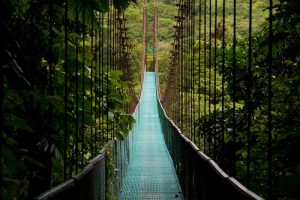 Adventure vacations in Costa Rica are always about spending a lot of time in the country’s beautiful
 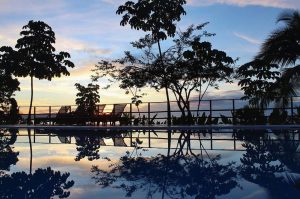 It isn’t surprising to learn that Costa Rica is also the birthplace of the remote eco-lodge experience. This kind of unique accommodation is a stunning experience of its own accord and when you choose one of the many outstanding remote lodges where you are guaranteed a wilderness and wildlife experience that you will NEVER forget.
 On the Pacific (western) side of Costa Rica, the coastline stretches for an astonishing 780 miles. This is 780 miles of superb surfing
 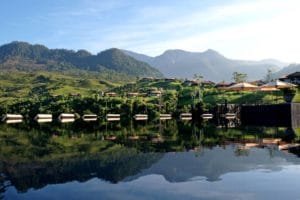 Farm experiences are like the gifts that keep on giving: not only do you enjoy something totally different on a Costa Rica adventure vacation but you also have the chance to savor some of the best produce the country has to offer.
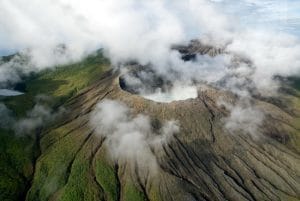 Want to visit Costa Rica to climb a
  Costa Rica’s cuisine may not be revered as one of the world’s best yet the lack of flamboyant reputation belies a culinary reality that’s filled with gloriously fresh and organic food, made with love and passion.