

Top Three Voted Volcano Hikes in Costa Rica
A land of natural extremes and a kaleidoscope of landscapes, Costa Rica is a wicked destination for anyone who wants to be immersed in pristine wilderness for a few days. Renowned for its striking volcanoes and volcano hikes, a Costa Rica vacation can be an adrenaline rush like no other.
This is a country brimming with active and extinct volcanoes and offers a multitude of rewarding hikes of varying duration and levels of difficulty.
In the mood to stand on the rim of a volcano and shout ‘I’m on top of the world?’ Then include a visit to one of these beauties on your next Costa Rica vacation.
Rincon de la Vieja, Guanacaste
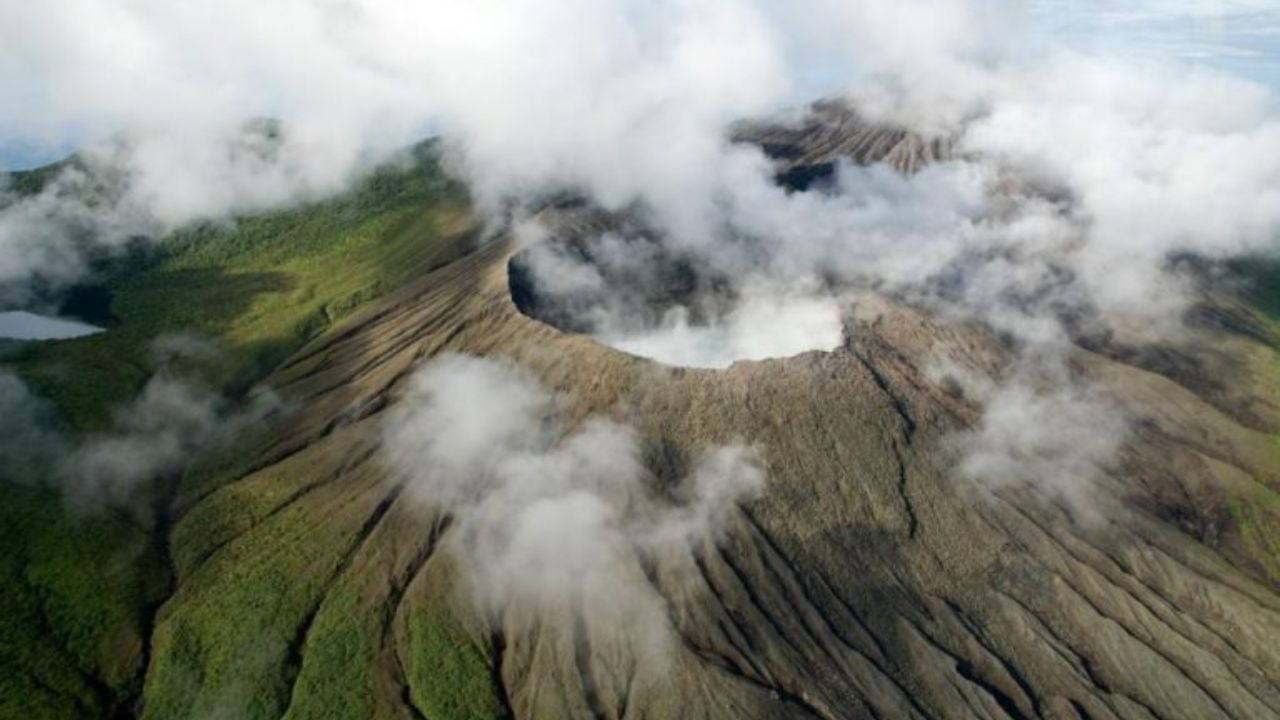 Arguably the most popular volcano climb of all, Rincon de la Vieja offers a spectacular and somewhat hard-going climb to the rim, as well as several shorter ones if the weather isn’t cooperating or you wish for a more subdued workout. At 6,286 feet in height and with intermittent activity, Rincon is a firm and exhilarating choice. The trail to the rim has closed intermittently over the last two years, so check the latest info on the ground before heading up. The climb itself is breath-taking (for both beauty and hardship) and you’ll experience a steady and mesmerizing change in scenery. From the lush tropical rainforests of the base, through to dry forest half way up and finally a scramble over volcanic rocks for the last ascent. On a clear day the views are out of this world.
A round-trip hike up to the top is an all-day affair (8 hours on average) so pack plenty of water and snacks, and make sure you pack cold and wet weather gear. The hike is not suitable to do with children, the elderly or anyone with health issues, as the weather can be unpredictable and the path (especially towards the end) steep, treacherous and narrow.
The Summit Hike
The round-trip hike to the rim is an all-day affair, averaging 8 hours total. This is not a casual walk; it’s a serious mountaineering effort suitable only for fit, experienced hikers. Pack plenty of water (at least 3 liters per person), high-energy snacks, and prepare for unpredictable weather with both cold and wet weather gear.
The trail starts relatively gently through rainforest but becomes increasingly steep, treacherous, and narrow as you approach the summit. The final sections require scrambling over rocks and navigating narrow ridges. Weather at the top can change in minutes from sunshine to cold, driving rain or dense fog.
This hike is NOT suitable for children, elderly visitors, or anyone with health conditions. The altitude, physical demands, and potential weather exposure make it genuinely challenging.
What to See & Do at Rincon de la Vieja
Beyond the challenging summit hike, Rincon de la Vieja National Park offers several shorter trails perfect for all fitness levels. The Las Pailas loop trail is a must-do 3.5-kilometer (2.2-mile) easy walk that takes you past bubbling mud pots, steaming fumaroles, and volcanic hot springs; it’s like walking through a volcanic wonderland. This trail typically takes 1.5-2 hours and is suitable for families.
For waterfall lovers, the Catarata La Cangreja trail leads to a stunning 40-meter (131-foot) waterfall. This 4.8-kilometer (3-mile) hike each way is more challenging but absolutely worth it. You can swim in the pools at the base of the falls, a refreshing reward after the trek.
Wildlife is abundant here. Keep your eyes peeled for howler monkeys, white-faced capuchins, coatis, iguanas, and over 300 species of birds including the three-wattled bellbird and Montezuma oropendola. The best wildlife viewing is early morning when animals are most active.
Park Information:
- Entrance Fee: $17 USD adults, $5.60 children
- Hours: Tuesday-Sunday, 8am-3pm (closed Mondays)
- Best Time: Dry season (December-April) for summit; year-round for lower trails
- Location: 1 hour from Liberia, 4 hours from San Jose
Tours & How to Visit Rincon de la Vieja
While you can explore independently with a rental car, guided tours are extremely popular and recommended here because guides spot wildlife you’d otherwise miss and explain the volcanic features in detail. Full-day tours from Liberia, Tamarindo, or Playa Flamingo typically include the Las Pailas trail, hot springs, and waterfall visits.
Many visitors combine the volcano hike with adventure activities at nearby adventure parks offering ziplining, horseback riding, river tubing, and natural hot springs – making it an action-packed full day. These combo tours are especially popular with families and adventure seekers who want variety.
Rincon de la Vieja is one of Costa Rica’s best national parks, spanning 35,000 acres with diverse ecosystems from dry tropical forest to cloud forest. It’s easily one of the top volcano destinations in the country.
Tenorio, Guanacaste
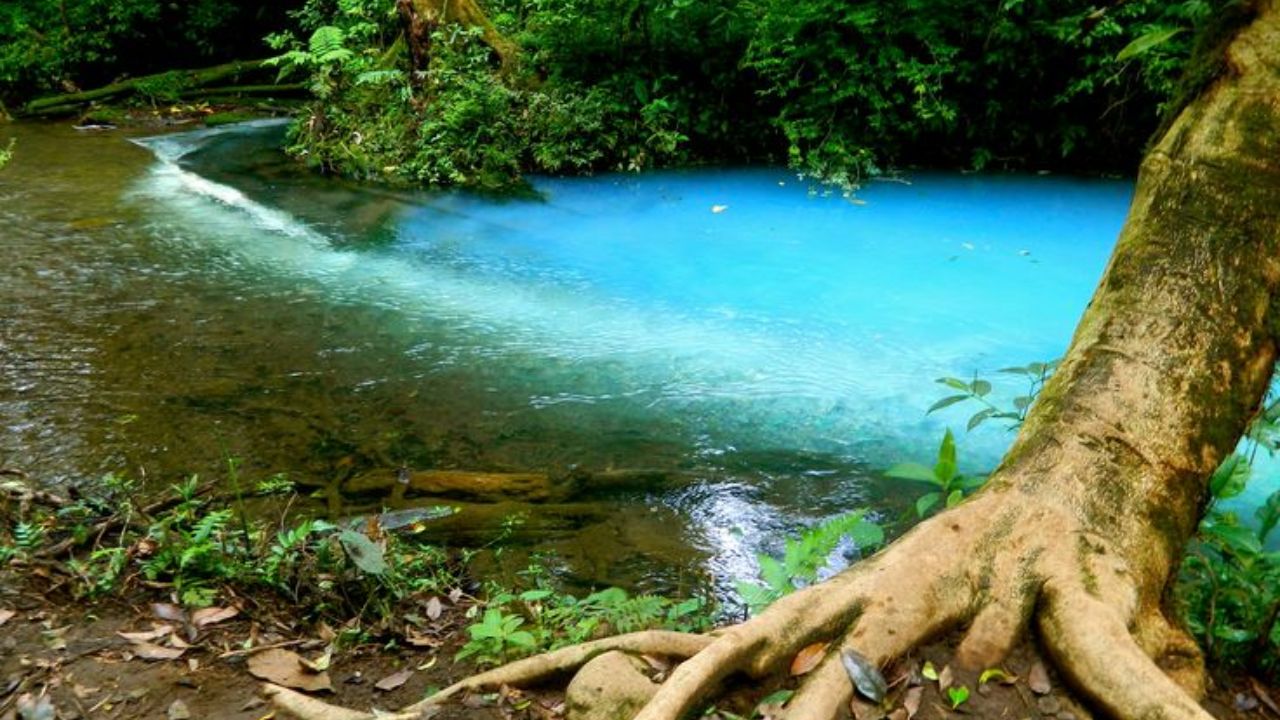 Perhaps the most exciting up-and-coming hiking destination, Tenorio and its stupendous National Park is a delightful hub of stellar experiences. There are hanging bridges to cross, sparkling waterfalls and colourful lagoons, verdant rainforests, natural hot springs and, to top it off, even a crater rim hike. The trail to the rim is accessible through a private property (Heliconias Lodge) and it’s a hard-core hiking feast that’s steep and muddy, but extremely rewarding for those who go to the effort. The lodge can also help you organize a guide with an expert local, as this is a near-inaccessible part of the national park and getting lost is not difficult.
Tenorio Volcano rises to 1,916 meters (6,287 feet) in the Guanacaste highlands and sits within the spectacular Tenorio Volcano National Park. While the volcano itself is inactive and the summit is closed to public access, Tenorio has become one of Costa Rica’s most visited natural attractions for one stunning reason: Rio Celeste.
The Magic of Rio Celeste
Rio Celeste (Celestial River) is famous for its striking turquoise-blue color caused by a natural optical phenomenon where volcanic minerals, specifically aluminosilicates mixed in the water. This chemical reaction creates what locals once believed was divine intervention, calling the river “blessed by the gods.”
The main hiking trail through the park is a 5.5-kilometer (3.4-mile) out-and-back route that showcases the best of what Tenorio offers. This moderate trail takes you through lush primary rainforest to several spectacular sites:
- Rio Celeste Waterfall: A breathtaking 30-meter cascade of brilliant blue water tumbling into a turquoise pool. This is the park’s centerpiece and most photographed spot.
- Los Borbollones: A section where volcanic gases bubble up through the riverbed, creating an eerie, boiling effect in the ice-cold water.
- La Laguna Azul: A vibrant blue lagoon tucked into the forest, offering a serene contrast to the rushing waterfall.
- El Tenidero: The exact confluence point where two clear rivers (Quebrada Agria and Rio Buena Vista) merge, and the blue color is “born” before your eyes. It’s a fascinating natural chemistry lesson.
The Trail Experience
The hike takes 3-4 hours at a leisurely pace with photo stops. The trail is well-maintained but can be muddy and slippery, especially during or after rain. The most challenging section is the steep staircase; over 400 steps down to the waterfall viewing platform. What goes down must come up, so save energy for the return climb!
Wear sturdy hiking shoes with good grip, bring trekking poles if you have them, and don’t underestimate the humidity and physical demands despite the “moderate” rating.
Important Note: Swimming is strictly prohibited throughout the park to protect the delicate ecosystem. The volcanic minerals that create the beautiful color can also irritate skin and damage the fragile riverbed habitat. Rangers enforce this strictly.
Wildlife & Forest
Tenorio sits at the convergence of several ecosystems, creating incredible biodiversity. You’ll likely spot howler monkeys (you’ll definitely hear them!), three-toed sloths hanging motionless in trees, colorful toucans and hummingbirds, and possibly tayras, coatis, or kinkajous.
The rainforest here is pristine, with towering trees, dangling vines, and an orchestra of bird calls and insect sounds. Your guide (if you book a tour) will point out medicinal plants, unique insects, and hidden wildlife you’d miss on your own.
Park Information:
- Entrance Fee: $12 USD adults, $4 USD children (card only, no cash accepted)
- Hours: Daily 8am-4pm (last entry 2pm)
- Parking: $3.50 USD per vehicle
- Best Time: Early morning (before 9am) to avoid crowds and see the color at its most vibrant
- Daily visitor limit: 500 people at once, 1,000 per day
- Location: 1.5 hours from La Fortuna, 1.5 hours from Liberia, 3.5 hours from San Jose
What to Bring
Pack water, high-energy snacks, insect repellent (mosquitoes can be fierce), sunscreen, and a rain jacket regardless of season. The weather can change quickly. There are restrooms and small restaurants at the park entrance, plus vendors selling fresh coconuts; perfect for rehydration after your hike.
Tours to Tenorio Volcano
Many visitors join full-day guided tours from La Fortuna, Tamarindo, or Liberia that include transportation, entrance fees, and a knowledgeable naturalist guide. Guides significantly enhance the experience by spotting wildlife, explaining the volcanic geology and chemical reactions creating the blue color, and sharing local legends about the “enchanted” river.
Tours typically include lunch and may combine Rio Celeste with nearby hot springs or the Llanos de Cortes waterfall.
Pro tip: Arrive right when the park opens at 8am to experience the trails before tour buses arrive. The morning light on Rio Celeste is absolutely magical, and you’ll have the waterfall practically to yourself. The blue color is most vivid on sunny days but still impressive when overcast.
Poás, Alajuela
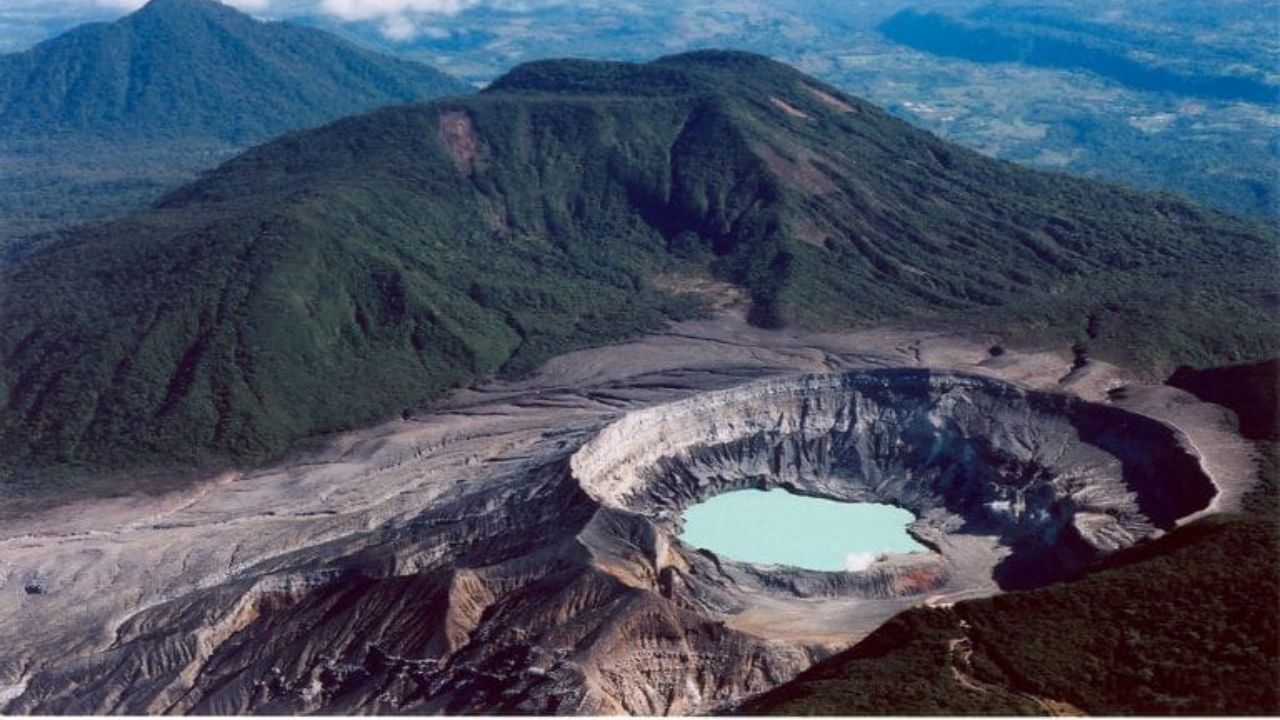 Just shy of 9,000 feet, Poás is as vertiginous as it is extraordinary, and also very popular due to the ease of access of its rim. You can actually drive (almost) all the way up! From the parking lot it’s merely a 5-minute walk to the rim, making this accessible to just about anyone. Poás last had a major eruptive period in 1952-1954, but the volcano has remained active with significant eruptions in 2017 (causing a 17-month park closure), 2019, and periodic activity as recently as 2025. Volcanologists continue to monitor the volcano closely for any escalation in activity. Due to weather concerns at this height, we suggest you head off early and plan to be at the rim no later than 9 am. Spend a whole day exploring the Poás National Park, where you’ll find picturesque lake-filled craters, dramatic landscapes and beautiful vegetation.
The Massive Crater & Acid Lake
Poas boasts one of the world’s largest active volcanic craters – a staggering 1.5 kilometers (0.9 miles) in diameter. The main crater contains a brilliant turquoise-blue acidic lake, constantly bubbling and steaming from geothermal activity below. The lake’s color comes from dissolved minerals and its extreme acidity (pH around 0-1, similar to battery acid).
On active days, you’ll see fumaroles shooting steam hundreds of feet into the air, and smell the distinctive sulfur; like rotten eggs. It’s a powerful reminder that you’re standing on the edge of one of Costa Rica’s most active volcanoes.
The Easy Walk to the Rim
From the main parking lot, it’s merely a 5-minute walk on a paved, wheelchair-accessible path to the rim observation platform. This makes Poas accessible to families with young children, elderly visitors, and anyone unable to tackle strenuous hikes; without sacrificing the awe-inspiring volcanic experience.
The short trail passes through a unique high-altitude dwarf cloud forest with stunted trees twisted by constant wind and mist. Interpretive signs explain the volcanic geology and unique ecosystem adaptations.
Important: Due to dangerous volcanic gases, visitors are limited to 20 minutes at the main crater observation deck. Park rangers enforce this strictly with timers, so make every minute count – take your photos, soak in the views, and listen to the volcano’s rumbling breath.
Exploring Poas Volcano National Park
Beyond the famous main crater, Poas offers additional trails worth exploring if time permits:
Botos Lagoon Trail: A beautiful 30-minute walk through ethereal cloud forest to a serene, cold-water crater lake in an extinct secondary crater. The contrast between this peaceful lake and the violent main crater is striking. The trail is easy and offers excellent bird watching.
Escalonia Trail: Known for vibrant wildflowers and panoramic views across the Central Valley on exceptionally clear days.
The park encompasses diverse ecosystems from coffee plantations at lower elevations to high-altitude cloud forest near the summit, creating rich biodiversity despite the harsh volcanic environment.
Volcanic Activity & History
Poas has erupted 39 times since 1828, making it one of Costa Rica’s most active volcanoes. While the last major eruptive period was 1952-1954, the volcano has remained highly active. A significant eruption in April 2017 forced park closure for nearly 17 months, with the park reopening in 2018 under new safety protocols. The volcano erupted again in 2019 and has shown periodic eruptive activity as recently as 2025.
Recent minor events have led volcanologists to monitor Poas closely for signs of a potentially larger eruption. Don’t let this deter you – the park has sophisticated monitoring systems and would close at any serious threat. The volcano’s active nature is part of what makes visiting so thrilling.
Weather & Timing Your Visit
The high elevation means cool temperatures – typically 10-15°C (50-60°F) at the summit – and rapidly changing weather. Morning visits before 10 am offer the best chance of clear skies before afternoon clouds and fog roll in, often completely obscuring the crater.
Due to weather concerns at this height, plan to arrive at the rim no later than 9 am for optimal visibility. Some visitors make the mistake of arriving mid-morning and see nothing but white fog – frustrating after the drive up!
Bring warm layers, a windbreaker, and rain gear even on sunny days. The weather can shift in minutes.
Park Information:
- Entrance Fee: $15 USD adults, $5 USD children
- Hours: Daily 8 am-3:30 pm
- Booking Required: MUST purchase tickets online in advance via the SINAC website – tickets sell out days ahead during peak season
- Best Time: December-April (dry season), arrive before 9 am
- Location: 1.5 hours from San Jose, 90 minutes from Juan Santamaria International Airport
Nearby Attractions & Coffee Country
Poas sits in the heart of Costa Rica’s coffee region, where volcanic soil produces some of the world’s finest arabica beans. On your drive up from San Jose, you’ll pass through charming mountain towns like Varablanca and Fraijanes.
Stop at roadside vendors selling fresh strawberries (the area is famous for them – some of the sweetest we’ve ever tasted), artisan cheeses like Palmito cheese, homemade preserves, and local coffee. These make perfect souvenirs or picnic additions.
Consider combining your volcano visit with:
- La Paz Waterfall Gardens (20 minutes from Poas): Five stunning waterfalls, hummingbird gardens, butterfly observatory, and wildlife exhibits
- Doka or Britt Coffee Plantation tours: Learn about coffee production from bean to cup
- Poasito or Fraijanes villages: Authentic mountain towns with local restaurants
Popular combo tours from San Jose include Poas and La Paz Waterfalls, or Poas with a coffee plantation, making an excellent full-day experience.
How to Visit Poas
- By rental car: The easiest option for flexibility. The entire drive from San Jose is paved, though the final section has steep switchbacks and hairpin turns. Stop at strawberry stands and coffee shops along the way!
- By tour: If you don’t have a car, guided tours from San Jose include transportation, entrance fees, and often skip-the-line access at the crater (valuable since viewing time is limited). Your guide will explain the volcano’s geology, history, and ecological significance. Full-day tours combining Poas with other attractions offer the best value.
- By public bus: Possible but very limited. Check current schedules in advance, as service is infrequent.
- Safety Note: Always check the SINAC website for the current park status before visiting. Temporary closures can happen without advance notice if volcanic activity increases.
3 More Incredible Volcano Hikes in Costa Rica
#4 Arenal Volcano, La Fortuna
Arenal Volcano stands as Costa Rica’s most iconic peak and one of the most perfectly cone-shaped volcanoes in the world. At 1,633 meters (5,358 feet), this is the country’s youngest major volcano; only about 7,500 years old. Though its spectacular lava flows ceased in 2010, Arenal remains technically active and continues to dominate the landscape around La Fortuna.
The 1968 Eruption & Recent History
On July 29, 1968, Arenal violently awakened after 400 years of dormancy. The catastrophic eruption killed 87 people and buried three villages under pyroclastic flows and lava. From 1968 until 2010, Arenal put on a near-constant show of lava, glowing rocks tumbling down its slopes, and explosive eruptions, making it one of the world’s most active volcanoes and a major tourist draw.
Today, you can hike through the 1968 lava fields, now partially reclaimed by vegetation, offering a powerful look at nature’s destructive and regenerative forces.
Hiking at Arenal Volcano National Park
Important: Climbing to Arenal’s summit is strictly prohibited due to safety concerns (unstable slopes, toxic gases, and the risk of renewed activity). Despite this, the national park offers excellent trails around the volcano’s base through lush rainforest and across old lava flows.
Best Trails:
El Silencio Trail (1968 Trail): 2 kilometers, easy-moderate, 1-1.5 hours. Crosses the 1968 lava flow with spectacular volcano views from multiple lookouts.
Las Coladas Trail: 2 kilometers, moderate, showcases different lava flows from various eruptions and regenerating forest.
Peninsula Trail: 1.2 kilometers, easy, offers beautiful Lake Arenal views and forest immersion.
Wildlife is abundant – look for howler monkeys, white-faced capuchins, coatis, toucans, parrots, and, if you’re very lucky, tapirs or jaguars (though rarely seen).
Best Views & Photography Tips
The volcano is often shrouded in clouds, especially in the afternoons and during the rainy season (May-November). For the best chance of clear views:
- Visit February through April (peak dry season)
- Arrive early morning (before 10 am)
- Stay multiple days in La Fortuna to increase your chances
There are numerous viewpoints around town and along the road to the park. The Observatory Lodge offers one of the closest accommodations to the volcano with stunning views from its grounds.
Park Information:
- Entrance Fee: $15 USD adults, $5 USD children
- Hours: Daily 8 am – 4 pm
- Best Time: February-April, early morning
- Location: 25 minutes from La Fortuna town, 3 hours from San Jose
Arenal Volcano Tours & Activities
La Fortuna is Costa Rica’s adventure capital, and most visitors combine volcano hiking with other activities. Popular tour combinations include guided volcano hikes paired with hot springs visits, full-day adventures featuring hanging bridges, La Fortuna Waterfall and the volcano, or comprehensive 4-in-1 tours covering the volcano, safari float, waterfall, and hot springs.
The area’s hot springs are heated by Arenal’s geothermal activity, with options ranging from luxurious Tabacon to budget-friendly Eco Termales. Evening hot springs tours after hiking are especially popular.
Why Visit Arenal?
Beyond the volcano itself, La Fortuna offers the stunning 70-meter La Fortuna Waterfall, hanging bridge walks through rainforest canopy, whitewater rafting, ziplining, and Lake Arenal activities. It’s the perfect base for 2-4 days of adventure and consistently ranks as one of Costa Rica’s top destinations.
#5 Irazu Volcano, Cartago Province
At 3,432 meters (11,260 feet), Irazu is Costa Rica’s highest volcano and one of the most accessible peaks in the country. Located just 1.5 hours from San Jose in Cartago Province, Irazu makes an excellent day trip and offers something truly unique – on exceptionally clear days, you can see both the Pacific Ocean and Caribbean Sea from the summit, one of only a handful of places in the Americas where this is possible.
The Moon-Like Landscape
Irazu’s summit is otherworldly. The stark, barren landscape resembles a lunar surface, with several massive craters creating a dramatic panorama. The main crater is an astounding 1,050 meters (3,445 feet) in diameter and over 300 meters (984 feet) deep. During the rainy season, a striking green acidic lake forms at the bottom, while in the dry season you can see the exposed volcanic rock and evidence of old lava flows.
The Diego de la Haya crater, located nearby, is 690 meters (2,264 feet) in diameter and features a distinctive bright green coloration year-round, creating an incredible contrast against the gray volcanic terrain.
The Easy Summit
What makes Irazu special for many visitors is its accessibility. You can drive nearly to the summit, and from the main parking lot, it’s only a 3-minute walk on a paved path to reach the main crater viewpoint. This makes Irazu accessible to families with young children, elderly visitors, and anyone unable to tackle more strenuous hikes.
Don’t let the easy access fool you; the views are spectacular and the volcanic landscape is genuinely impressive. Along the short trail, you’ll see unique high-altitude plant species adapted to the harsh conditions and, if you’re lucky, spot mountain birds like the volcano junco.
Recent Activity & History
Irazu last erupted in December 1994, but its most famous eruption occurred in 1963-1965, coinciding with President John F. Kennedy’s visit to Costa Rica. The eruption covered San Jose in ash for nearly two years, causing significant agricultural damage but also enriching the soil of the Central Valley; part of why Costa Rica’s coffee is so prized.
The volcano remains active with constant fumarolic activity (steam vents). Park rangers monitor conditions daily, and temporary closures can occur if volcanic activity increases.
Park Information:
- Entrance Fee: $15 USD adults, $5 USD children
- Hours: Daily 8am-4pm (last entry 3pm)
- Booking Required: Must reserve tickets online via SINAC website in advance
- Best Time: Early morning (before 10am) before clouds obscure views
- Location: 1 hour 20 minutes from San Jose
What to Bring & Expect
The high elevation means cold temperatures – typically 5-15°C (40-60°F) at the summit. Bring warm layers, a windbreaker, and sun protection (the sun is intense at this altitude). Weather changes rapidly, so be prepared for possible rain or fog even on sunny days.
There’s a small café and restrooms at the parking area, plus vendors selling hot coffee and snacks; welcome comforts at this chilly elevation.
Visiting Irazu Volcano
By rental car: The drive from San Jose is straightforward on paved roads, though the final sections have steep switchbacks. You’ll pass through Cartago city and can stop at the stunning Basilica de Nuestra Señora de los Ángeles.
By public bus: Buses Metropoli operate a daily service from San Jose, departing at 8 am and returning at 12:30 pm. This gives you about 2-3 hours at the volcano.
By tour: Guided tours from San Jose typically include transportation, entrance fees, and stops at Cartago’s basilica. Many tours combine Irazu with nearby attractions like coffee plantations or Orosi Valley. Half-day tours focus solely on the volcano, while full-day tours add multiple stops.
Nearby Attractions
Consider combining Irazu with Turrialba Volcano (only 10 kilometers away), Cartago’s historic sites, or a coffee plantation tour. The drive through the Central Valley countryside is beautiful, with mountain views and agricultural landscapes.
#6 Turrialba Volcano, Cartago Province
Turrialba Volcano towers at 3,340 meters (10,958 feet), making it Costa Rica’s second-tallest volcano after neighboring Irazu. Located in Cartago Province, Turrialba is one of the country’s most active and explosive volcanoes, yet it remains relatively unknown and rarely visited compared to more famous peaks – making it perfect for adventurers seeking an off-the-beaten-path experience.
A Powerfully Active Volcano
Turrialba has been active for over 8,000 years and entered a new eruptive phase in 2010 after being dormant since 1866. Since then, it has had numerous eruptions, including major events in 2016 and 2017 that sent ash clouds over San Jose and forced temporary airport closures.
The volcano continues to show significant activity with regular gas emissions, ash plumes, and seismic events. This makes Turrialba both thrilling and potentially dangerous – the park closes periodically when volcanic activity increases, and all visits require guides due to safety concerns.
The Remote Summit Hike
When open, the trail to Turrialba’s summit is a spectacular 10.5-kilometer (6.5-mile) out-and-back hike considered moderate in difficulty, though the high altitude and potential for harsh weather make it more challenging than the rating suggests. Most people complete the hike in under 3 hours round-trip.
The trail climbs through three distinct ecosystems:
Lower elevations: Lush tropical rainforest with dense vegetation, towering trees, and abundant wildlife, including howler monkeys, toucans, and colorful tanagers.
Mid-elevations: Transition zone where rainforest gives way to cloud forest with moss-covered trees, bromeliads, and frequent mist.
Upper elevations: Stark, barren volcanic landscape near the summit with little vegetation but dramatic views of three active craters belching sulfurous gases.
At the summit, you’ll see Turrialba’s three main craters – the central crater being the most active. On clear days, the views stretch across the Central Valley to both coasts, though the volcano is frequently shrouded in clouds and mist at the peak.
Wildlife in an Unlikely Place
Despite the volcanic activity, Turrialba’s lower slopes harbor incredible biodiversity. The relatively remote location and limited visitor numbers mean wildlife is abundant and less skittish than at more popular parks.
Watch for:
- Howler and white-faced capuchin monkeys in the lower forest
- Giant toads are unique to high-altitude volcanic areas
- Resplendent quetzals (one of Costa Rica’s most spectacular birds)
- Collared trogons and emerald toucanets
- Black guan (a large bird endemic to Costa Rica’s highlands)
- Volcano juncos near the summit
The contrast between lush rainforest and barren volcanic moonscape makes Turrialba’s ecosystem uniquely diverse.
Volcanic Activity & Park Closures
Important: Turrialba’s status is highly dynamic. The park was closed to all visitors for several years due to dangerous volcanic activity, but reopened to limited guided tours in December 2020. However, closures can happen again without advance notice if eruptions increase.
The National System of Conservation Areas (SINAC) monitors Turrialba constantly and restricts access when necessary. Even when officially open, access may be limited to specific hours and viewpoints rather than the full summit trail.
Always checkthe current status before planning a visit – the situation can change literally overnight based on seismic activity and gas emissions.
Ancient Lava Flows & Geological Features
One of Turrialba’s most fascinating aspects is the visible evidence of past eruptions. The trails cross multiple solidified lava flows from different eruptive periods, creating a geological timeline you can literally walk through.
Volcanic rock formations, old lava tubes, and fumaroles (steam vents) dot the landscape. Your guide (mandatory for all visits) will explain the volcano’s eruptive history and point out features you’d miss on your own.
Spanish conquistadores left accounts describing Turrialba as exceptionally active in the 18th century – its name derives from “torre blanca” (white tower), referring to the volcano’s frequent white steam plumes visible from miles away.
Park Information:
- Entrance Fee: $12 USD adults, $5 USD children
- Hours: Daily 8 am-3:30 pm (when open)
- Guided tours required: All visitors must be accompanied by accredited guides
- Best time: Dry season (December-April) for best visibility
- Location: 2 hours 15 minutes from San Jose, only 10 km from Irazu Volcano
Access & Tour Requirements
Unlike most Costa Rican volcanoes, where you can hike independently, Turrialba requires all visitors to join guided tours with accredited naturalist guides. This mandatory rule exists for two reasons:
- Safety: Volcanic conditions can change rapidly, and guides monitor for danger signs
- Navigation: The remote location and multiple trail options make getting lost a real risk
Tours typically accommodate small groups of up to 35 people and last approximately 4-5 hour,s including the hike and time at various viewpoints. Guides provide fascinating information about volcanic geology, the 2016-2017 eruptions, and ecosystem adaptations to volcanic activity.
Why Visit Turrialba?
Turrialba offers something unique – a genuinely active, powerful volcano with far fewer visitors than Poas or Arenal. The combination of pristine rainforest, dramatic volcanic landscapes, and the raw power of an erupting volcano creates an unforgettable experience.
For volcano enthusiasts and adventurous travelers, Turrialba represents Costa Rica’s wild volcanic heart. The relatively difficult access and uncertain availability make reaching it feel like a real accomplishment.
Combining with the Irazu Volcano
Turrialba and Irazu share the same volcanic system and are only 10 kilometers apart, making them a natural combination destination. Some tour operators offer full-day trips visiting both volcanoes, allowing you to experience Costa Rica’s two highest peaks in one adventure.
The drive between them passes through beautiful Central Valley countryside with coffee plantations, dairy farms, and mountain villages offering an authentic slice of highland Costa Rican life.
Current Status & Booking Tours
Due to Turrialba’s volatile nature and access restrictions, booking through an established tour operator is essential. Tours from San Jose are the most common option, though some operators in Cartago Province also offer Turrialba expeditions.
Check SINAC’s website or contact tour operators directly to confirm current park status and tour availability before planning your visit. Some periods see the park completely closed, while other times it’s open with restrictions.
Despite the logistical challenges, Turrialba rewards adventurous visitors with an authentic, powerful volcanic experience increasingly rare in today’s tourist-friendly Costa Rica.
Volcano Comparison & Which to Choose
- For Families & Easy Access: Poas or Irazu – both have short walks from parking lots and are accessible to all ages.
- For Adventure Seekers: Rincon de la Vieja – full-day challenging summit hike with mud pots, hot springs, and waterfalls.
- For Iconic Views: Arenal – the most photographed volcano in Costa Rica, with a perfect cone shape, combined with hot springs.
- For Unique Beauty: Tenorio – Rio Celeste’s turquoise waterfall is unmissable, with moderate hiking.
- For Swimming in a Crater: Chato – tough hike, but you can swim in the volcanic crater lake (check if open).
- For Off-the-Beaten-Path: Turrialba – active volcano, fewer tourists, guided tours required.
- For Highest Peak: Irazu –the tallest volcano, see both oceans on clear days.
Practical Information
Getting Around Costa Rica
Rental Car: Best option for flexibility. Book through Discover Cars – ensure TPL (mandatory insurance) is included in the price.
Shuttles: Affordable tourist shuttles between destinations. Book via Bookaway for the best prices.
Tours: Most convenient for volcano visits – includes transport, guide, and entrance fees.
Best Time to Visit Volcanoes
Dry Season (December-April): Best visibility, less mud, clearer summit views. Peak season = higher prices and crowds.
Rainy Season (May-November): Cheaper, fewer tourists, but clouds often obscure volcanoes, especially afternoons. Trails muddy and slippery.
Pro tip: Always visit volcanoes early morning (before 10 am), regardless of season – clouds roll in by afternoon.
What to Pack for Volcano Hikes
Essential Gear:
- Sturdy hiking boots that have good tread
- 2-3 liters of water per person
- High-energy snacks
- Sunscreen and hat
- Insect repellent
- Light rain jacket (weather changes fast)
- Warm layer (high altitudes are cold)
Optional but Useful:
- Trekking poles (for steep/muddy trails)
- Dry bag for electronics
- Swimsuit (for Chato or hot springs)
- Binoculars (wildlife viewing)
- Camera with good zoom
Booking Tours vs DIY
Book a Tour If:
- You don’t have a rental car
- You want wildlife identified by expert guides
- You prefer hassle-free logistics
- Visiting remote volcanoes (Turrialba requires guides)
Go on your own If:
- You have a rental car and strong confidence driving
- You want flexible timing and pace
- You’re comfortable navigating independently
- Budget is tight (tours cost $60-150 per person)
FAQ Section
Q: Can you climb to the top of Arenal Volcano?
A: No, climbing Arenal’s summit is illegal and extremely dangerous. The trails around the base are open and offer excellent views.
Q: Which volcano is closest to San Jose?
A: Poas and Irazu are both 1.5 hours from San Jose, making them perfect day trips.
Q: Do I need a guide for volcano hikes?
A: Only Turrialba legally requires guides. Other volcanoes can be explored independently, but guides enhance wildlife spotting and provide valuable context.
Q: Are the volcanoes safe to visit?
A: Yes, when parks are open. Costa Rica monitors volcanic activity closely and closes parks when danger increases. Always check the SINAC website for current status.
Q: Which volcano is best for families with young children?
A: Poas or Irazu – both have very short, easy walks from parking lots (5 minutes max) and are accessible to strollers.
Q: Can I see lava at any Costa Rica volcanoes?
A: No. Arenal’s lava flows stopped in 2010. You’ll see steam, fumaroles, and old lava fields, but no flowing lava currently.
Q: What’s the best volcano for photography?
A: Arenal for iconic cone shots, Tenorio for Rio Celeste’s blue water, Poas for dramatic crater close-ups.
Q: How much do volcano park entrance fees cost?
A: Most parks charge $12-17 USD for adults, $4-5 USD for children. Poas and Irazu require advance online booking.
Q: Can I visit multiple volcanoes in one day?
A: Irazu and Turrialba are close enough (10km apart) to visit both. Most others require full days individually.
Q: Is it worth visiting volcanoes in the rainy season?
A: Yes, but expect clouds obscuring summit views and muddy trails. Go early in the morning for best visibility.


