
Top 16 Things To Do In The Nicoya Peninsula
 Imagine a place so beautiful, tranquil, and refreshing that it enhances the health and well-being of anyone who lives there? That’s the Nicoya Peninsula in a nutshell! Read on to discover the top 16 must-do highlights of this magical destination in Costa Rica.
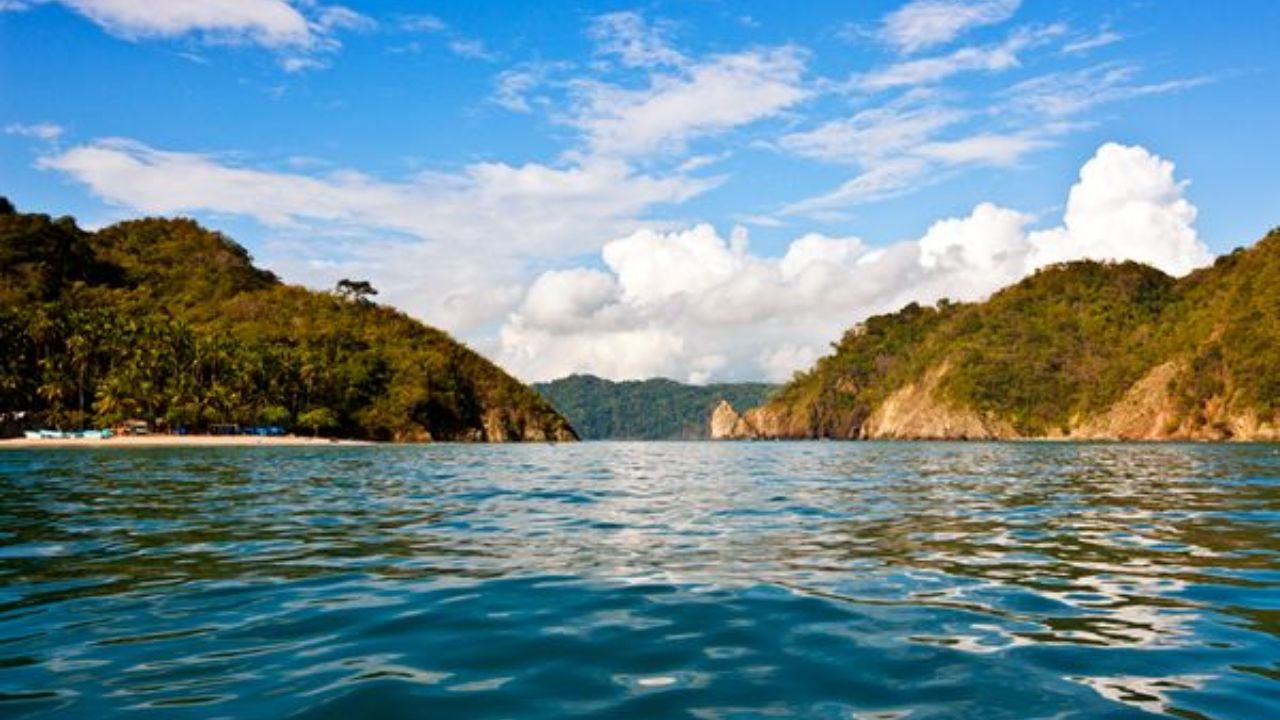
The Nicoya Peninsula is one of Costa Rica’s most delightful off-the-beaten-path destinations. It is roughly 80 miles long and 40 miles wide and blessed with long stretches of pristine sandy beaches and mountainous rain forests replete with exotic wildlife.
This is one of Costa Rica’s least-developed corners and is often overlooked by mainstream tourists. However, those looking to get off the usual touristy path find their heaven here. Recently, the peninsula has gained popularity among surfing crowds and anyone after a relaxing wellness experience.
The most popular activities to enjoy here are surfing, yoga retreats, beach combing, water sports, and spotting nesting turtles in season.
Quick Facts About Nicoya Peninsula
- Location: Northwestern Costa Rica, accessible from Liberia (LIR) or San José (SJO) airports
- Size: Approximately 80 miles long × 40 miles wide
- Famous For: One of the world’s five original Blue Zones (exceptional longevity), world-class surfing, pristine beaches, wellness retreats
- Best Time to Visit: December-April (dry season) for sunshine; May-November (green season) for fewer crowds
- Getting There: 2 hours from Liberia or San José by car/bus, ferry from Puntarenas, or domestic flights to Tambor/Nosara
- Popular Towns: Santa Teresa, Nosara, Tamarindo, Samara, Montezuma, Mal Pais
- Activities: Surfing, yoga retreats, turtle watching, zip-lining, snorkeling, wildlife spotting, horseback riding
- Essential: 4WD vehicle recommended for navigating unpaved roads
How to Get to Nicoya Peninsula
Getting to the Nicoya Peninsula is easier than you might think, with multiple transportation options depending on your budget and time constraints:
By Air
International Airports: Most visitors fly into Daniel Oduber Quirós International Airport (LIR) in Liberia, which is closest to the northern peninsula (only 1.5-2 hours to popular destinations). Alternatively, Juan Santamaría International Airport (SJO) in San José is about 3-4 hours away but offers more international flight options.
Domestic Flights: For a quicker, more scenic option, SANSA and Green Airways operate daily domestic flights from San José to Tambor Airport (TMU) and Nosara Airport (NOB). These 30-40 minute flights save hours of driving and offer stunning aerial views of the coastline. Flights typically range from $80-150 USD one-way.
By Car
Driving gives you the freedom to explore at your own pace. From Liberia, take Route 21 south toward Nicoya town, then branch off toward your destination. From San José, you can either drive via the Pan-American Highway through Puntarenas or take the shorter ferry route (see below).
Important: A 4WD vehicle is highly recommended, especially during the rainy season (May-November), as many roads to beaches and towns are unpaved and can become muddy or rutted.
By Ferry
The Puntarenas-Paquera ferry is a popular and scenic option that significantly shortens drive time from San José. Two companies operate this route (Naviera Tambor and Ferry Peninsular) with departures every 2-3 hours. The crossing takes about 1.5 hours and accommodates both passengers and vehicles. Fares are approximately $2-3 USD per person and $20-25 USD per vehicle. Arrive at least 1 hour early during peak season (December-April) as ferries can fill up quickly.
By Bus
Public buses run daily from San José to various Nicoya destinations including Montezuma, Santa Teresa, Nosara, and Samara. This is the most budget-friendly option ($10-20 USD), though travel times are longer (5-7 hours) and schedules can be limited. Some routes require transfers in Nicoya town or at the ferry terminal.
Private Transfers & Shuttles
For maximum comfort and convenience, private transfer services and shared shuttle vans are available from both airports. Companies like Interbus, Grayline, and Easy Ride offer door-to-door service with air-conditioned vehicles. Expect to pay $50-100 USD per person for shared shuttles or $150-300 USD for private transfers depending on your destination.
When to Visit Nicoya Peninsula: Best Time & Weather
Timing your visit to the Nicoya Peninsula can greatly enhance your experience. Here’s what you need to know about each season:
Dry Season (December – April) – Peak Season
This is the most popular time to visit, featuring sunny days, warm temperatures (85-95°F / 29-35°C), and minimal rainfall. Beach conditions are ideal, and all roads are easily accessible. However, expect higher prices, crowded beaches (especially December-January and Easter week), and advance booking is essential for accommodations. The northern peninsula around Tamarindo is particularly dry and sunny during these months.
Green Season (May – November) – Low Season
Don’t dismiss the rainy season! While afternoon showers are common (usually 1-3 hours in late afternoon), mornings are often sunny and perfect for activities. Benefits include lower prices (30-50% off accommodations), fewer tourists, lush green landscapes, better wildlife viewing, and ideal surfing conditions.
The wettest months are September and October. Some remote lodges may close, and unpaved roads can be challenging, but the trade-offs are worth it for budget-conscious travelers and those seeking a more authentic experience.
Special Events & Seasons
- Turtle Nesting Season: July-November at Ostional (peak arribadas in August-October)
- Whale Season: July-November (humpback whales migrate along the coast)
- Surf Competitions: Various throughout the year in Tamarindo, Santa Teresa, and Nosara
- Best for Families: December-April when weather is most predictable
- Best for Budget Travelers: May-June or November (shoulder months with good weather and lower prices)
Nicoya: A Recipe For A Long, Happy, And Healthy Life
Long renowned as one of the healthiest and happiest places on earth, Costa Rica’s Nicoya Peninsula is one of the world’s five original Blue Zones. This northwestern region boasts such an idyllic lifestyle that it is home to the highest number of centenarians on the planet.
On average, people here are about twice as likely to reach 90 years of age as North Americans. Experts have put this down to the local diet (made up mostly of organically grown fresh produce), strong family and community ties (for that all-important human connection), calcium-enriched water (fewer bone fractures than usual, even at an elderly age), and a strong sense of purpose. Life on Nicoya is still inherently tied to agriculture and hasn’t really changed much over the years. Locals don’t retire: they simply continue working the land with their families for as long as they can. As it turns out, this can be a very long time indeed.
Naturally, you need not live there to soak up the benefits of its pristine wilderness and multitude of anti-stress remedies. An immersive Costa Rica adventure vacation on the Nicoya Peninsula is enough to rejuvenate even the most stressed-out exec.
The Five Pillars of Blue Zone Living in Nicoya
- The Traditional Diet: Nicoyans follow a primarily plant-based diet centered around the “three sisters” of Mesoamerican agriculture: corn, beans, and squash. Meals feature rice and beans (gallo pinto), fresh tropical fruits (mango, papaya, guava), locally grown vegetables, and minimal processed foods. The famous corn tortillas, made fresh daily using traditional nixtamalization (treating corn with lime water), provide exceptional nutritional value and calcium. Animal protein is consumed in moderation, and meals are prepared simply with minimal oils or fats.
- Natural Movement: Rather than structured exercise, Nicoyans incorporate constant low-intensity physical activity into daily life. Traditional farming requires regular walking, bending, lifting, and manual labor well into old age. Many centenarians still chop wood, tend gardens, and walk significant distances daily. This lifelong pattern of natural movement keeps bodies strong and flexible without the need for gyms or formal workouts.
- Strong Social Connections (Plan de Vida): The concept of “plan de vida” (reason to live) is central to Nicoyan culture. Multi-generational households are common, with elders remaining active, valued members of family life rather than being isolated. Regular social gatherings, strong community bonds, and a sense of being needed and useful contribute significantly to mental health and longevity. Weekly church services and community celebrations reinforce these connections.
- Calcium-Rich Water: The peninsula’s volcanic bedrock naturally enriches the water supply with calcium and magnesium. This mineral-rich water, combined with the calcium from nixtamalized corn, gives Nicoyans exceptionally strong bones and low rates of heart disease. Even in their 90s, bone fractures are remarkably rare compared to other populations.
- Faith and Spirituality: A strong Catholic faith permeates Nicoyan culture, providing stress relief, community support, and a sense of purpose beyond daily work. Regular religious observance and prayer contribute to lower stress levels and enhanced emotional well-being throughout life.
Experience Blue Zone Wellness as a Visitor
Naturally, you need not live there to soak up the benefits of its pristine wilderness and multitude of anti-stress remedies. An immersive Costa Rica adventure vacation on the Nicoya Peninsula is enough to rejuvenate even the most stressed-out exec. Here’s how to embrace the Blue Zone lifestyle during your visit:
- Farm-to-Table Dining: Most lodges and restaurants emphasize locally grown organic produce, allowing you to taste the Blue Zone diet firsthand
- Yoga and Wellness Retreats: Santa Teresa, Nosara, and Montezuma host world-class yoga studios and wellness centers offering daily classes, meditation sessions, and multi-day retreats
- Cooking Classes: Learn to prepare traditional Nicoyan dishes including handmade tortillas, gallo pinto, and tropical fruit-based meals
- Community Farm Tours: Visit working organic farms to see sustainable agriculture practices and connect with local farmers
- Spa and Healing Treatments: Natural hot springs, massage therapy, and holistic healing practices abound throughout the peninsula
- Slow Travel Philosophy: Resist the urge to rush. Embrace the “pura vida” mindset by spending quality time in each location rather than constantly moving
About the Nicoya Peninsula
Separated from the mainland by a small estuary and a namesake gulf, the Nicoya is only remote on paper. In reality, it takes merely two hours by car to reach it from either the San Jose or Liberia airports.
The majority of the population is clustered in charming seaside towns while inland you’ll discover a lot of nature and not many people. On the coast, villages are small and laid-back. Tourist activities are centered on surfing and water sports, as well as hiking and wildlife-watching.
The most popular bases are the towns of Santa Teresa, Nosara, Mal Pais, Montezuma, and Cabuya. Eco-lodges, surfing hostels, hotels, and rental villas abound, but note that you’ll want to get around in a 4WD to reach even the most popular towns. Perfectly asphalted roads don’t exist here!
Wondering what there is to see and do in this sublime corner of paradise?
Here are the top 16 must-do highlights of the Nicoya Peninsula, organized by region:
Northern Nicoya Peninsula: Surf, Sun & Sand
The northern section of the Nicoya Peninsula is characterized by its particularly dry climate, well-developed tourist infrastructure, and world-famous surf breaks. This region is easily accessible from Liberia airport and features some of Costa Rica’s most celebrated beaches.
Playa Tamarindo: The Surf Capital
Nicoya’s surfing beaches are legendary, none more so than Playa Tamarindo. This is the reputed best surfing beach in the whole country and you’ll find it on the northwestern border of the peninsula. This is a well-developed part of Costa Rica and is favored for its particularly dry climate. In fact, the northern and southern sections of the Nicoya can easily be considered two worlds apart in this respect.
Beyond surfing, Tamarindo has evolved into a full-service beach town offering diverse restaurants (international and local cuisine), vibrant nightlife, boutique shopping, and activities like sport fishing, scuba diving, kayaking through mangrove estuaries, and horseback riding. Surf schools line the beach offering lessons for all levels ($50-70 USD for 2-hour group sessions). Board rentals are readily available ($15-25 USD per day).
The nearby Las Baulas National Marine Park protects crucial leatherback turtle nesting beaches. From October to March, guided night tours ($35-45 USD) allow visitors to witness these magnificent creatures laying eggs. Advance booking is essential as permits are limited to protect the endangered turtles.
Where to Stay: Options range from budget surf hostels ($20-40 USD) to luxury beachfront resorts ($200-500+ USD). The town center can be noisy; consider staying slightly south for a quieter experience while maintaining easy beach access.
Nosara & Playa Guiones: Yoga Paradise
Nosara has established itself as one of the world’s premier yoga destinations, drawing practitioners from around the globe to its renowned studios and retreat centers. The crown jewel is Playa Guiones, a pristine 7-kilometer stretch of golden sand perfect for both surfing and long beach walks.
Unlike much of Costa Rica, Nosara has maintained strict development regulations, preserving the natural canopy and wildlife corridors. Howler monkeys are frequently spotted, and the area hosts exceptional bird watching opportunities. The Nosara Biological Reserve (also called Lagarta Lodge Reserve) offers guided nature hikes ($35-50 USD) through pristine forest and mangrove ecosystems.
Playa Guiones is consistently ranked among the best surf beaches for beginners and intermediates, with reliable waves year-round. The long stretch means you can always find space even during high season. Surf lessons cost $50-75 USD for 2-hour sessions, with board rentals around $20 USD per day.
Yoga Studios and Retreats: The Bodhi Tree Yoga Resort, Harmony Hotel, Blue Spirit Retreat Center, and Casa Tuanis offer daily drop-in classes ($15-20 USD) and multi-day retreats ($1,500-3,500 USD). Styles range from vinyasa and yin to aerial yoga and meditation.
Nearby Playa Pelada offers a different vibe with its rocky tide pools perfect for snorkeling, dramatic sunsets viewed from clifftop restaurants, and a more local, bohemian atmosphere. The morning farmers market on Saturdays is excellent for fresh produce, artisan goods, and prepared foods.
Playa Samara & Playa Carrillo: Family-Friendly Paradise
Playa Samara is one of the peninsula’s most accessible and family-friendly destinations, featuring calm waters protected by an offshore reef that dampens large waves. The 5-kilometer crescent beach offers safe swimming, paddleboarding, kayaking, and gentle surf conditions ideal for beginners.
The town itself has excellent infrastructure with reliable WiFi, grocery stores, medical services, and a range of accommodations. Between the beach tapas bars, wine bars, dance clubs, and live-music venues, you are sure to find plenty of after-dark entertainment here.
Activities in Samara include snorkeling tours to nearby Isla Chora ($45-65 USD), dolphin watching excursions, sport fishing charters ($500-800 USD full day), sea kayaking through mangroves, and Spanish language schools for those wanting to extend their stay and learn.
Playa Carrillo: Pristine Serenity
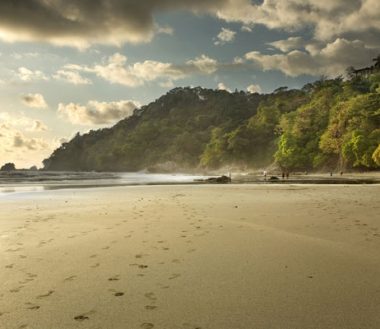
Families love Playa Carrillo because it is almost completely devoid of big waves. Add a stretch of impossibly beautiful sandy shores, swaying palm trees, and breathtaking sunsets, and you’ve got a Nicoya beach made in heaven.
Just south of uber-famous Samara Beach (which tends to attract bigger crowds) Carrillo is quieter and boasts a glorious coral reef near the shore that’s ideal for snorkeling. Enjoy the picnic set up under the shade of palm trees and the long half-moon shores. A favored beach for locals, Carrillo can get busy on weekends but there’s usually always a chance to find some peace and quiet here.
The palm-fringed beach is backed by a single hotel and a smattering of private residences, maintaining an undeveloped feel. The reef creates a natural pool effect perfect for young children, and the consistent snorkeling conditions allow observation of tropical fish, sea turtles, rays, and occasionally reef sharks. Bring your own snorkel gear or rent from nearby Samara.
Best Time to Visit: December through April offers the calmest, clearest water. Visit on weekdays for maximum solitude, as Tico families flock here on weekends and holidays.
Southern Nicoya Peninsula: Wild, Remote & Bohemian
The southern peninsula offers a completely different atmosphere from the north—more remote, more adventurous, and decidedly bohemian. Unpaved roads, intermittent electricity in some areas, and a slower pace of life define this region. It’s here that you’ll find the peninsula’s most dramatic wilderness, best yoga retreats, and that authentic “end of the road” feeling that draws adventurous travelers worldwide.
Santa Teresa: The Tulum of Costa Rica
Often dubbed the Tulum of Costa Rica, the remote village of Santa Teresa is enjoying a crazy surge in popularity right now. The enchanting beach town boasts unpaved roads, loads of wellness retreats, amazing food (more international options available), and a sublimely chilled-out vibe. This has now become THE most happening surfing town on the entire peninsula.
Since this quaint little town hit the news a few years back (thanks to Giselle Bundchen and Tom Brady buying a house here), an increasing array of luxury options for accommodation and activities have sprung up. Great news for anyone who wants more comfort while still getting off the beaten path.
Surfing and swimming beaches in and around Santa Teresa have now made this the most popular base of all. The main beach stretch offers consistent surf with multiple breaks suitable for different skill levels. Playa Santa Teresa, Playa Hermosa, and Playa Carmen are all within easy reach, each with distinct wave characteristics.
Wellness Scene: Santa Teresa rivals Nosara as a yoga destination with studios like Horizon Yoga, Selina, Nalu, and Pranamar offering daily classes ($15-22 USD). Many hotels include complimentary yoga sessions. Wellness retreats range from weekend intensives to month-long yoga teacher training programs. The town also features numerous massage therapists, sound healing sessions, cacao ceremonies, and holistic practitioners.
Dining: The food scene has exploded with international options including Italian, Japanese, Mexican, Mediterranean, and innovative fusion cuisine. Standouts include Koji’s for sushi, Nami for Asian-fusion, Product C for coffee and smoothies, and Chicken Bus for tacos. Farm-to-table restaurants showcase organic local ingredients grown in the surrounding hills.
Nightlife: While not as developed as Tamarindo, Santa Teresa offers beach bars with sunset cocktails, weekly reggae nights, DJ sets at hotels, and the occasional live music performance. The vibe remains relaxed and bohemian rather than rowdy club culture.
Mal Pais: Santa Teresa’s Quieter Neighbor
Just south of Santa Teresa, Mal Pais (“Bad Country” in Spanish; named for its historically difficult terrain) offers a more tranquil alternative while maintaining proximity to Santa Teresa’s amenities. The distinction between the two towns has blurred as development has connected them, but Mal Pais retains a slightly more local feel.
Surfing is what defines Nicoya to a T, so exceptional waves can also be caught all over the coast. Beginners tend to favor Mal Pais and Playa Hermosa, while more experienced surfers should head to Santa Teresa, after having tamed the Tamarindo beasts.
Mal Pais is particularly popular with intermediate surfers looking to progress beyond beginner breaks but not yet ready for the more powerful Santa Teresa waves. Several surf camps and schools operate here, offering multi-day packages with accommodations, meals, and surf instruction ($800-1,500 USD per week).
The area is also known for its tide pools visible at low tide, which provide fascinating exploration opportunities and chances to observe marine life. Fishing village roots are still evident, with local fishermen bringing in daily catches that supply area restaurants.
Montezuma: Bohemian Beach Town with Natural Attractions
Montezuma is one of the popular bases for Nicoya adventures. The town itself retains a distinctly bohemian, backpacker-friendly atmosphere with budget accommodations, organic cafes, artisan shops, and a laid-back beach culture. While less polished than Santa Teresa or Nosara, Montezuma’s authentic vibe and proximity to several major attractions make it an excellent base for nature lovers.
The town sits on a stunning coastline with rocky outcroppings, tide pools, and small beaches. Just north of town, you can walk to a picturesque waterfall that spills directly onto the beach—a perfect spot for photos and a refreshing swim. The main town beach is compact but charming, backed by restaurants and bars where you can watch spectacular sunsets.
Montezuma also offers the shortest boat transfers to Isla Tortuga, one of Nicoya’s prime highlights (see Isla Tortuga section below). The town serves as a gateway to both Cabo Blanco Absolute Nature Reserve to the south and the famous Montezuma Waterfalls to the east.
Budget Travelers’ Haven: Hostels start at $12-18 USD for dorm beds, with private rooms available from $30-60 USD. The town has several sodas (local eateries) serving inexpensive traditional meals ($4-8 USD), making it one of the peninsula’s most affordable destinations.
Cabuya: Remote Ranches & Horseback Adventures
What do you get when you have a stunning western-facing beach, stunning wilderness, and tropical climate? A romantic sunset horseback riding tour, of course!
Horseback riding is offered all over the Nicoya, but we think the tours on offer in Cabuya are sensational. The tiny hamlet is nestled just east of the Cabo Blanco Nature Reserve, the resplendent park on the southern tip of the peninsula.
This is the remotest and wildest corner you can visit, one home to ranches offering day-long and multiple-day horseback riding experiences. Tours typically range from $60-90 USD for 2-3 hour rides through forest trails ending at pristine beaches, to full-day adventures ($120-150 USD) including lunch at a remote waterfall.
Cabuya is also famous for its abundance of local producers, who make honey, jams, and coconut oils. Several small farms welcome visitors for tours where you can learn about organic farming practices, taste fresh tropical fruits, and purchase artisanal products directly from producers.
Unique Island Cemetery: One of Cabuya’s most intriguing features is its cemetery located on a small island accessible only at low tide via a rocky causeway. This picturesque site provides both cultural interest and excellent photo opportunities. Check tide charts before visiting and wear appropriate footwear for the rocky crossing.
Complete Beach Guide: Top Beaches in Nicoya Peninsula
The Nicoya Peninsula is blessed with dozens of stunning beaches, each with its own character, surf conditions, and amenities. Here’s your comprehensive guide to choosing the perfect beach for your interests:
Playa Conchal: Shell Beach Snorkeling Paradise
Named for the billions of crushed shells that form its unique beach surface, Playa Conchal near Brasilito is one of the most beautiful beaches on the peninsula. The water is exceptionally clear with excellent snorkeling conditions just offshore. The beach is backed by the upscale Westin Conchal Resort, but public access is maintained. Bring water shoes as walking on shells can be uncomfortable. Best for couples and snorkeling enthusiasts. Limited shade, so arrive early or bring an umbrella.
Playa Garza: Fishing Village Authenticity
Located between Nosara and Samara, Playa Garza remains an authentic fishing village largely untouched by mass tourism. Local fishermen still launch boats from the beach in early mornings, providing opportunities to purchase fresh catch or arrange fishing trips.
The beach offers gentle waves suitable for swimming and beginner surfing, with far fewer crowds than neighboring beaches. Several beachfront restaurants serve excellent seafood at reasonable prices. Perfect for travelers seeking an authentic local experience and peaceful beach days.
Playa Hermosa (Guanacaste): Calm Waters & Dark Sand
Not to be confused with the Playa Hermosa near Santa Teresa, this northern peninsula beach features distinctive dark gray sand and calm waters protected by headlands. Located just north of Playa del Coco, it’s excellent for families, swimming, and beginner surfing.
The beach has good amenities including restaurants, bathrooms, and lifeguards during peak season. Several all-inclusive resorts back the beach, but public access is well-maintained. Sport fishing charters and scuba diving tours are readily available from nearby marinas.
Playa Manzanillo: Secluded Paradise South of Santa Teresa
This hidden gem requires either a challenging hike from Santa Teresa or access via rough 4WD roads, which keeps crowds minimal. The reward is a pristine white sand beach with powerful surf, dramatic rock formations, and excellent wildlife viewing. Howler monkeys are commonly spotted in trees backing the beach.
No facilities exist here, so bring everything you need. Strong swimmers only; currents can be dangerous. Ideal for adventurous travelers, photographers, and those seeking complete solitude.
Playa Barrigona: Private Beach Accessible by Tour
While technically private property, this stunning horseshoe bay can be accessed through organized tours or with permission from the owner. The beach is considered one of the most beautiful on the peninsula, with golden sand, clear turquoise water, and surrounding forest-covered hills.
Swimming is excellent during calm conditions, though surf can pick up. Several tour operators in Samara offer day trips combining transportation, beach time, and lunch ($75-100 USD per person). The exclusivity and pristine conditions make this worth the extra effort.
Playa Avellanas: Endless Beach for Experienced Surfers
Located between Tamarindo and Junquillal, Playa Avellanas is a long, wild beach famous for the right-hand reef break featured in the surf film “Endless Summer II.” The waves here are powerful and best suited for intermediate to advanced surfers.
During low tide, extensive tide pools reveal diverse marine life perfect for exploration. The legendary Lola’s Beach Bar serves food and drinks right on the sand; their shrimp tacos are iconic. Bring sunscreen and seek shade under mangrove trees during midday heat.
Playa Grande: Leatherback Turtle Nesting Ground
Immediately north of Tamarindo, Playa Grande is part of Las Baulas National Marine Park, one of the world’s most important nesting sites for endangered leatherback turtles. From October to March, nighttime turtle watching tours operate here with strict regulations to protect nesting females.
The beach itself is spectacular even without turtles; a long, wild stretch with powerful surf favored by experienced surfers and bodyboarders. Development is minimal to protect the nesting habitat. Accessible by boat from Tamarindo or by car via a roundabout route.
Adventure Activities & Water Sports
Surfing on Playa Tamarindo and Beyond
Already covered in the Northern Peninsula section above, but worth emphasizing: Surfing is what defines Nicoya to a T, with exceptional waves caught all over the coast. The peninsula offers surf breaks for every level, consistent year-round conditions, and warm water temperatures (no wetsuit needed most of the year). Surf seasons vary by location; northern beaches are best December-April, while southern beaches offer excellent surf May-November.
Zip-lining & Canopy Tours
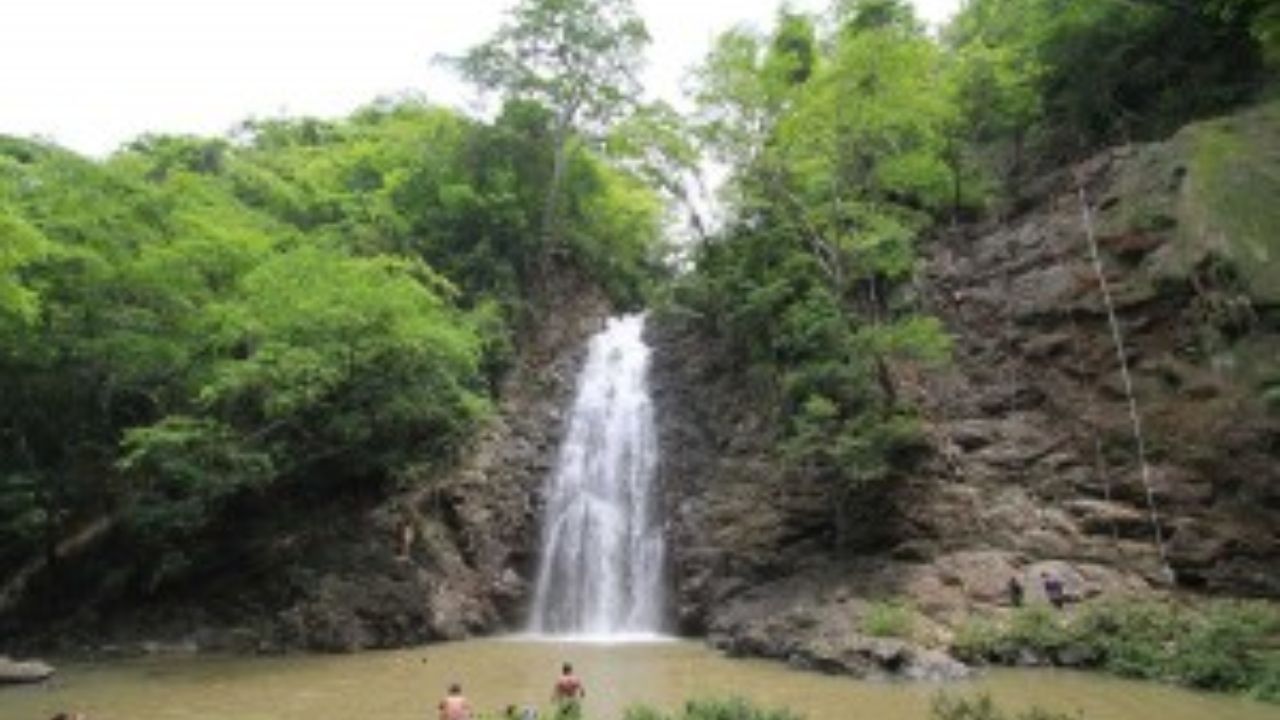
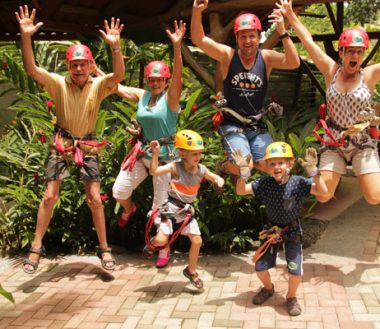
The Montezuma Waterfalls can be visited on a thrilling zip line course as well. Currently, two companies offer canopy tours down south: the one connecting you to the waterfalls and a longer, faster and higher course just outside Mal Pais.
Additional zip-line options throughout the peninsula include:
- Canopy Safari near Mal Pais: 11 cables, some reaching 150 meters long, $60-75 USD per person
- Montezuma Waterfall Canopy Tour: Combines zip-lining with waterfall access, $45-60 USD
- Congo Trail Canopy Tour (near Playa del Coco): 24 platforms, Tarzan swing, $65-80 USD
Most tours include safety equipment, training, and round-trip transportation from nearby hotels. Minimum age typically 6-8 years and weight restrictions apply.
Scuba Diving & Snorkeling: Underwater Wonders
The Nicoya Peninsula offers exceptional diving and snorkeling, with the best sites concentrated in the north. The Catalinas Islands are the premier dive destination, featuring volcanic rock formations, swim-throughs, caves, and an explosion of marine life including manta rays, bull sharks, moray eels, octopuses, and massive schools of tropical fish.
Dive trips typically depart from Playas del Coco or Tamarindo, with 2-tank dives costing $90-130 USD for certified divers, and full-day PADI certification courses available for $350-450 USD.
Top snorkeling sites accessible without boat tours include Playa Conchal’s shell beach reef, Playa Carrillo’s coral formations, and the rocky coast near Montezuma. For the best visibility, snorkel during morning hours before wind picks up. Water temperatures range from 75-85°F year-round, though a shorty wetsuit can be comfortable for extended sessions.
Isla Tortuga (covered in detail below) offers excellent snorkeling from shore, with opportunities to see reef fish, sea turtles, and rays. Organized boat tours provide equipment and guidance, ensuring you visit the best spots while respecting marine ecosystems.
Sport Fishing: Big Game & Inshore Action
The Pacific waters off Nicoya are legendary fishing grounds offering both inshore and offshore opportunities. Sailfish, marlin (blue and striped), dorado (mahi-mahi), yellowfin tuna, wahoo, and roosterfish are commonly caught depending on season. The northern peninsula, particularly Tamarindo, Flamingo, and Playas del Coco, are the main fishing hubs with numerous charter operators.
Half-day inshore trips ($500-700 USD for up to 4 anglers) target roosterfish, snapper, and grouper closer to shore. Full-day offshore charters ($800-1,500 USD) venture into deeper waters for billfish and tuna. Most boats are equipped with modern tackle, bait, and experienced captains. Peak fishing season runs December-April, though fish are caught year-round. Costa Rica practices catch-and-release for billfish to preserve populations.
Kayaking & Stand-Up Paddleboarding
The calm waters of protected bays and mangrove estuaries provide perfect conditions for kayaking and SUP (stand-up paddleboarding). Popular kayaking destinations include the Tamarindo mangroves where you can paddle through tunnel-like channels observing crocodiles, iguanas, and diverse bird species. Guided tours ($45-65 USD) typically last 2-3 hours and are suitable for all fitness levels.
Ocean kayaking is excellent in calm conditions at beaches like Samara, Nosara, and Santa Teresa. Many hotels offer complimentary kayaks and SUP boards for guests. Sunrise and sunset paddles provide the calmest conditions and best light for photography. The bioluminescence kayaking tour at Bahia Rica (covered below) is a must-do nighttime paddling experience.
ATV & UTV Tours: Off-Road Adventures
All-terrain vehicle tours offer an exciting way to access remote beaches, hidden waterfalls, and mountain viewpoints. Most tours operate from Tamarindo, Samara, and Santa Teresa, covering 15-30 kilometers of coastal trails, mountain roads, and river crossings. Half-day tours ($75-120 USD per person, $110-180 USD for UTV vehicles) include safety gear, instruction, and sometimes lunch or refreshments.
Popular routes include beach-hopping tours visiting multiple secluded coves, waterfall adventures combining off-roading with swimming opportunities, and sunset tours climbing to mountain viewpoints. A valid driver’s license is required, and passengers must be at least 6 years old. Tours can be dusty; bring bandanas or face coverings, sunglasses, and close-toed shoes. The wet season (May-November) offers more challenging, muddy conditions preferred by experienced riders.
Wildlife Viewing & National Parks
The Nicoya Peninsula’s biodiversity rivals any destination in Costa Rica, with multiple ecosystems supporting hundreds of species. From nesting sea turtles to howler monkeys, colorful birds to elusive big cats, the wildlife viewing opportunities are extraordinary. Here’s your complete guide to the peninsula’s natural treasures:
Watch Nesting Turtles on Ostional Beach
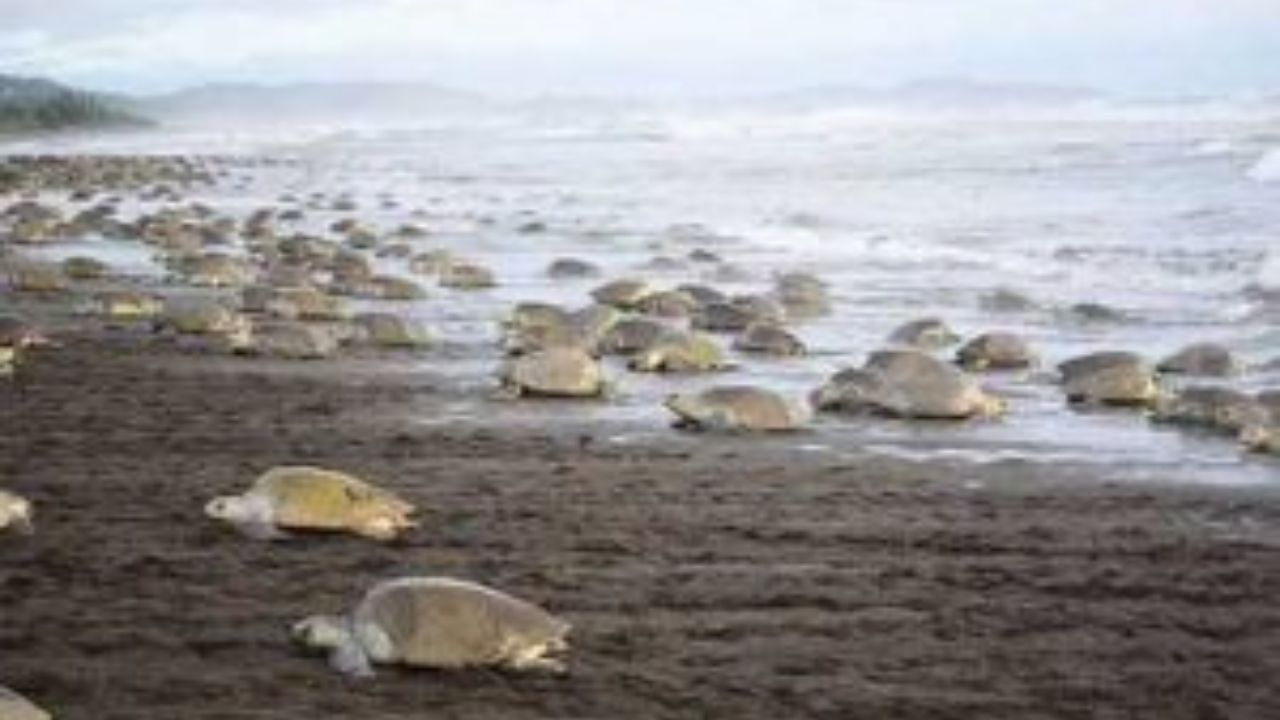
Two of the best night tours in Costa Rica take place on the Nicoya Peninsula. The most famous is the turtle nesting tours in Ostional on the Nicoya Peninsula, which run from the end of May, all the way to October. The protected beach at Ostional attracts Olive Ridley turtles in extraordinary numbers.
These mass nesting events, called arribadas, are among the most magnificent natural events you could experience, anywhere in the world. During peak arribadas (typically August through October), thousands of female turtles emerge from the ocean simultaneously over several consecutive nights to lay eggs. The sight of hundreds of turtles covering the beach is profoundly moving.
Tours must be arranged through the local cooperative ADIO (Asociación de Desarrollo Integral de Ostional) which manages permits and guides. Tours typically last 2-3 hours starting after sunset and cost $15-20 USD per person.
The community-based model ensures tourism revenue directly supports both conservation and local families. Groups are limited, guides are knowledgeable, and strict protocols protect nesting females. No flash photography is permitted, red lights only.
Best Months: August and September see the most consistent arribadas. May-July and October offer sporadic nesting but fewer crowds. Check moon phases; arribadas typically occur during the last quarter moon.
What to Bring: Closed-toe shoes (beach can be covered with eggs), dark clothing, bug spray, and small red flashlight if you have one. Rain gear during the wet season. Avoid white clothing which disturbs turtles.
Wildlife Spotting Guide: What to See & Where
Mammals:
- Howler Monkeys: Heard before seen—their roars carry up to 3 miles. Best spots: Nosara, Montezuma, Santa Teresa, any forested area. Most active dawn and dusk.
- White-faced Capuchin Monkeys: Intelligent and curious, often approach humans. Best spots: Cabo Blanco, Curú, Barra Honda. Active throughout the day.
- Spider Monkeys: Acrobatic and rare. Best spots: Cabo Blanco, Curú. Early morning and late afternoon.
- Sloths (Two-toed and Three-toed): Move slowly through the canopy. Best spots: Nosara (look in cecropia trees), Cabo Blanco, Montezuma area. Morning hours.
- Coatis: Social mammals with long ringed tails, often in groups. Best spots: Beaches, forest edges, hotel grounds throughout peninsula.
- White-tailed Deer: Shy and primarily nocturnal. Best spots: Barra Honda, Palo Verde, Curú. Early morning or dusk.
Birds:
- Scarlet Macaws: Large, brilliantly colored parrots. Best spots: Cabo Blanco, Curú, Barra Honda. Often seen flying in pairs with loud squawks.
- Toucans (Keel-billed and Chestnut-mandibled): Distinctive large bills. Best spots: Forested areas throughout, especially Montezuma and Nosara.
- Roseate Spoonbills, Wood Storks, Jabiru Storks: Wading birds. Best spot: Palo Verde National Park. December-March peak season.
- Frigatebirds & Pelicans: Coastal species. Best spots: Any beach, but particularly abundant near fishing boats at Tamarindo and Samara.
- Hummingbirds: Multiple species. Best spots: Flowering gardens at hotels, heliconia plants, feeders. Active throughout the day.
Marine Life:
- Humpback Whales: July-November migration season. Best spots: Boat tours from Tamarindo, Samara, or Santa Teresa.
- Dolphins (Bottlenose and Spinner): Year-round. Best spots: Boat tours, sometimes visible from shore at dawn and dusk.
- Manta Rays: Diving/snorkeling at Catalinas Islands, sometimes near shore at Tamarindo and Samara.
- Sea Turtles (Olive Ridley, Leatherback, Green, Hawksbill): Nesting beaches at Ostional (Olive Ridley), Playa Grande (Leatherback). Snorkelers may spot them at coral reefs.
- Whale Sharks: Occasional sightings during plankton blooms, particularly May-December. Diving tours from Catalinas Islands.
Pro Tips for Wildlife Viewing: Dawn and dusk are prime times for mammal activity. Bring binoculars even if not a serious birder; they enhance all wildlife viewing. Hire local guides who know where animals are currently active and can identify species and behaviors. Move slowly and quietly. Wear neutral colors. Never feed wildlife. Keep respectful distances. The peninsula’s biodiversity rewards patient, ethical observation.
Top 16 Must-Do Highlights of the Nicoya Peninsula
Beyond the beaches and regions covered above, here are the specific activities and attractions that define a Nicoya Peninsula adventure. Many have already been mentioned in context, but we’ve brought them together here as a complete checklist:
1. Go surfing on Playa Tamarindo
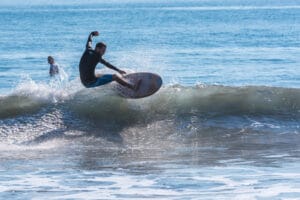 Nicoya’s surfing beaches are legendary, none more so than Playa Tamarindo. This is the reputed best surfing beach in the whole country and you’ll find it on the northwestern border of the peninsula. This is a well-developed part of Costa Rica and is favored for its particularly dry climate. In fact, the northern and southern sections of the Nicoya can easily be considered two worlds apart in this respect.
Surfing is what defines Nicoya to a T, so exceptional waves can also be caught all over the coast. Beginners tend to favor Mal Pais and Playa Hermosa, while more experienced surfers should head to Santa Teresa, after having tamed the Tamarindo beasts.
2. Catch glorious rays on Playa Carrillo (even with kids in tow)
 Families love Playa Carrillo because it is almost completely devoid of big waves. Add a stretch of impossibly beautiful sandy shores, swaying palm trees, and breathtaking sunsets, and you’ve got a Nicoya beach made in heaven.
Just south of uber-famous Samara Beach (which tends to attract bigger crowds) Carrillo is quieter and boasts a glorious coral reef near the shore that’s ideal for snorkeling. Enjoy the picnic set up under the shade of palm trees and the long half-moon shores. A favored beach for locals, Carrillo can get busy on weekends but there’s usually always a chance to find some peace and quiet here.
3. Enjoy yoga and laid-back sundowners in Santa Teresa
Often dubbed the Tulum of Costa Rica, the remote village of Santa Teresa is enjoying a crazy surge in popularity right now. The enchanting beach town boasts unpaved roads, loads of wellness retreats, amazing food (more international options available), and a sublimely chilled-out vibe. This has now become THE most happening surfing town on the entire peninsula.
Since this quaint little town hit the news a few years back (thanks to Giselle Bundchen and Tom Brady buying a house here), an increasing array of luxury options for accommodation and activities have sprung up. Great news for anyone who wants more comfort while still getting way off the beaten path.
Surfing and swimming beaches in and around Santa Teresa have now made this the most popular base of all.
4. Go horseback riding in Cabuya
What do you get when you have a stunning western-facing beach, stunning wilderness, and tropical climate? A romantic sunset horseback riding tour, of course!
Horseback riding is offered all over the Nicoya, but we think the torus on offer in Cabuya are sensational. The tiny hamlet is nestled just east of the Cabo Blanco Nature Reserve, the resplendent park on the southern tip of the peninsula.
This is the remotest and wildest corner you can visit, one home to ranches offering day-long and multiple-day horseback riding experiences.
PLAN YOUR COSTA RICA ADVENTURE VACATION TODAY
5. Watch nesting turtles on Ostional beach
Two of the best night tours in Costa Rica take place on the Nicoya Peninsula. The most famous is the turtle testing tours in Ostional on the Nicoya Peninsula, which run from the end of May, all the way to October. The protected beach at Ostional attracts Olive Ridley turtles in extraordinary numbers.
These mass nesting events, called arribadas, are among the most magnificent natural events you could experience, anywhere in the world.
6. Enjoy the nightlife action in Playa Samara
Adventure vacations on the Nicoya don’t tend to focus on nightlife action. Usually, everyone is far too wiped out from the day’s thrilling activities to even consider a night out on the town. But if you think you might want to stay somewhere a little more ‘vibrant’ then Playa Samara is for you.
Between the beach tapas bars, wine bars, dance clubs, and live-music venues, you are sure to find plenty of after-dark entertainment here.
7. Visit Isla Tortuga
As mentioned above, Montezuma is one of the popular bases for Nicoya adventures. The town itself doesn’t hold tremendous appeal but it does offer the shortest boat transfers to Isla Tortuga, one of Nicoya’s prime highlights.
Turtle Island, as the name translates in English, is heaven on earth. A protected nature reserve boasting just enough amenities to make a day visit super comfy (deck chairs, kayak rental, snacks, drinks, and more), this amazing island offers excellent SCUBA and snorkeling options. In high season, boats run daily and trips take just under one hour. Spend a whole day at the beach here and you’ll feel incredibly rejuvenated!
8. Take a wildlife-watching cruise in the Palo Verde National Park
One of Costa Rica’s magical mangroves, Palo Verde is a hive of biodiversity, attracting an insane array of migrating birds between December and April, which join countless resident species. Meander the rare ecosystems of Palo Verde in search of giant jaribou storks on boat rides in wet season, and explore the park on foot during the dry season.
Located at the mouth of the Tempisque River where it meets the Nicoya Gulf, the park protects 20,000 hectares of wetlands, marshes, and tropical dry forest; one of the most important waterbird habitats in Central America.
Over 300 bird species have been recorded including wood storks, roseate spoonbills, jabiru storks (Costa Rica’s largest bird with 9-foot wingspan), anhingas, herons, egrets, ibises, and countless others. Peak birding season is December-March when migratory species arrive. The park also hosts significant crocodile populations—some individuals reach 15+ feet long; along with caimans, iguanas, monkeys, coatis, and if extremely lucky, jaguars or pumas.
Tours: Most visitors experience Palo Verde via guided boat tours departing from the town of Bebedero or from lodges near the park. Three-hour morning cruises ($65-85 USD) offer the best wildlife viewing as animals are most active.
No matter when you visit, Palo Verde is a must!
9. Hike the Cabo Blanco Absolute Nature Reserve
If you’re staying in Montezuma for a night or two to visit Isla Tortuga, then you’ll have Cabo Blanco at your doorstep.
Comprising the southernmost cape of the Nicoya Peninsula, Cabo Blanco is best visited on a one-day hike, given that most of the reserve is actually impenetrable. Aside from being drop-dead-gorgeous, Cabo Blanco is revered for being Costa Rica’s first-ever protected reserve. It’s been kept pristine since the 60s and a visit is an incredibly rewarding experience.
The reserve protects 1,172 hectares of tropical dry forest and 1,800 hectares of marine habitat. Primary hiking options include the Sueco Trail (4.8 km / 3 miles round-trip, 2-3 hours) leading through dense forest to a pristine white sand beach, and the shorter Danes Trail (2 km, 1-1.5 hours) offering ocean views and wildlife spotting without the beach access.
Wildlife commonly spotted includes white-faced capuchin and howler monkeys, coatis, agoutis, two-toed sloths, anteaters, and numerous bird species including brown pelicans, frigate birds, and parrots. The reserve’s isolation means animals are less habituated to humans and can be skittish; patience and quiet observation are essential.
Practical Information: Open Wednesday-Sunday 8am-4pm (closed Monday-Tuesday for environmental restoration). Entry $12 USD. No food or lodging inside the reserve. Bring plenty of water (2L minimum), snacks, sunscreen, insect repellent, and proper hiking shoes. Swimming at the beach is possible but currents can be strong. Best visited in the dry season (December-April) when trails are less muddy and rivers are easily crossed.
Read our Cabo Blanco guide before visiting, and find out where to go and what to expect.
10. Go chasing the Montezuma Waterfalls
A series of three waterfalls just east of Montezuma town will entice you to spend an entire day frolicking in the refreshing water. Enjoy the hike up the river and reward yourself with a swim, picnic, and relaxing afternoon.
The three-level waterfall offers easy and more challenging access depending on your fitness level. The first pool is undoubtedly the most popular, so keep hiking up to reach the higher levels to enjoy it with fewer visitors. The upper levels are accessed via bridges built by a local tour operator, who charges a few dollars for access. Money well spent!
The hike begins just outside Montezuma town, following a rocky riverbed upstream through lush forest. The first waterfall (approximately 10 meters/33 feet) plunges into a large swimming pool; this is where most visitors stop. The water is refreshingly cool, and rocks provide natural diving platforms. Use caution as water depth varies and accidents do occur.
Continuing upward, the second and third waterfalls become progressively more spectacular but require moderate fitness and agility navigating slippery rocks and steep sections. The third waterfall is the highest and most dramatic, cascading into a deep pool surrounded by jungle. The hike to the top takes 45 minutes to 1 hour from town.
Practical Tips:
- Go early morning (7-8am) to avoid crowds and midday heat
- Wear proper water shoes with good grip—flip-flops are dangerous
- Bring waterproof bag for valuables, water, snacks
- Apply biodegradable sunscreen before arriving
- Don’t jump from rocks unless you know water depth
- Entrance fee $2-5 USD for upper levels (collected by local operator)
- Heavy rain can make the trail dangerous; check conditions
11. Go zip lining in Montezuma
The Montezuma Waterfalls can be visited on a thrilling zip line course as well. Currently, two companies offer canopy tours down south: the one connecting you to the waterfalls and a longer, faster and higher course just outside Mal Pais.
PLAN YOUR COSTA RICA ADVENTURE VACATION TODAY
12. Visit the Curu National Wildlife Refuge
Located near Tambor in southern Nicoya, Curu is part of a privately-owned bio-reserve home to a local farm ranch and a small pocket of wilderness awash with monkeys, hummingbirds, woodpeckers, iguanas, racoons, deer and masses of ghost crabs on the beach.
You can choose to stay overnight in one of the farm’s cabins and rent kayaks on the beach, for a truly immersive Nicoya wilderness experience.
Curú protects 84 hectares (208 acres) of coastal forest, beaches, and marine habitat. Despite its small size, the refuge hosts remarkable biodiversity with all four Costa Rican monkey species (howler, spider, white-faced capuchin, and squirrel monkeys), over 230 bird species, deer, peccaries, anteaters, and armadillos. The easily accessible trails make it ideal for families and those with limited mobility.
Five beaches within the refuge offer calm swimming, snorkeling, and opportunities to spot nesting sea turtles (August-December). Kayaks can be rented to explore the coastline and small islands just offshore. The refuge operates as a working farm producing coconuts, cashews, and tropical fruits; tours demonstrate sustainable agriculture practices that coexist with conservation.
Practical Information: Open daily 7am-3pm. Entry $12 USD. Guided tours $25-35 USD per person. Basic cabin accommodations available ($40-60 USD per night) with advance booking. Located 5km south of Paquera ferry dock, accessible by car. Bring water, snacks, sunscreen, and cash (no credit cards accepted).
13. Explore the mysterious caves at Barra Honda
One of the least known but most fascinating national parks in Costa Rica, Barra Honda is a hidden Nicoya gem. It straddles the area where the peninsula meets the mainland and comprises a complex limestone cave system that’s still being explored by scientists.
The Barra Honda underworld is mesmerizing and the above-ground hiking trails offer ample options for fantastic wildlife-watching. Right now, tours must be guided and only a section of the enormous complex is open for visitors.
The park protects 2,295 hectares including 42 known caverns formed millions of years ago when the area was underwater. Only Terciopelo Cave is currently accessible to tourists, requiring a 19-meter (62-foot) vertical descent via ladder; not for the claustrophobic or unfit! Inside, you’ll discover spectacular stalactites, stalagmites, columns, helictites, cave pearls, and formations resembling flowers, organ pipes, and fried eggs.
Cave tours must be booked in advance through park rangers and operate only during the dry season (December-April) when conditions are safe. Tours take 3-4 hours including the hike to the cave entrance, descent, exploration, and return. Cost is $25-30 USD per person including guide, helmet, headlamp, and harness. Minimum age 12 years, good fitness required.
Surface Trails: Even if caves don’t appeal, the park’s above-ground trails through tropical dry forest reward visitors with excellent wildlife viewing. The 3km Los Laureles Trail leads to a lookout point offering panoramic views across the Nicoya Peninsula.
Common sightings include howler monkeys, white-tailed deer, armadillos, numerous lizard species, and over 200 bird species. The best viewpoint for sunsets is El Mirador, accessible via a steep but short trail.
Here’s our guide to discovering the Barra Honda National Park.
14. Experience the magic of bio luminescence at Bahia Rica
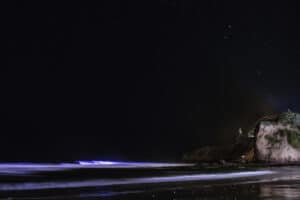 The second awesome night tour in Nicoya is to see the otherworldly bio luminescence at Bahia Rica, on the south-eastern corner of the peninsula. This glow-in-the-dark plankton is best viewed on overcast nights and, if one is forecast, you’ll find local kayaking tours selling out fast.
Tours cast off from the Bahia Rica Kayak Lodge and last around one hour. Departure times differ depending on the month and weather conditions. Suitable for beginner kayakers, the tours are on calm water and only require a minimum of equipment, aside the rented kayak. Bring a head torch and make sure you have water shoes and bug spray with you.
The rest, will be taken care of by Mother Nature!
Bioluminescence is caused by dinoflagellates (microscopic plankton) that emit blue-green light when disturbed. As you paddle through the water, every stroke creates glowing trails. Dipping your hand in the water produces magical sparkles. The phenomenon is most visible on dark, moonless nights; new moon periods are ideal. Cloudy skies enhance the effect by blocking ambient light.
Best Months: Year-round, but strongest displays typically occur during the rainy season (May-November) when plankton blooms are most active. Tours operate whenever conditions are favorable.
Tour Details: $35-50 USD per person including kayak, life jacket, and guide. Tours are 1-1.5 hours on calm bay waters. No prior kayaking experience necessary. Minimum age typically 6 years. Book ahead during high season as tours are limited and weather-dependent.
What to Bring: Dark clothing (white reflects light and reduces visibility), waterproof phone case for photos (though cameras struggle to capture the effect; enjoy the moment!), insect repellent, water shoes, towel.
15. Feast on health-boosting local produce
Soak up the health benefits of the local Blue one diet and treat your taste buds to glorious local food when visiting the Nicoya Peninsula.
Most of the lodges and hotels in this area of Costa Rica place heavy emphasis on serving up locally grown organic produce. Farm to table experiences abound and include delicious avocado, guava, mango and a local variety of passionfruit called granadita. Fresh fruit juices and whole coconuts are sold everywhere and you’ll find stalls at the entrance of all major attractions (like the Montezuma waterfalls).
Cabuya is also famous for its abundance of local producers, who make honey, jams, and coconut oils.
Blue Zone Eating Experience:
- Traditional Sodas: Local eateries serving authentic Nicoyan meals. Try casado (rice, beans, plantains, salad, and protein), gallo pinto (rice and beans), and fresh corn tortillas made daily using traditional nixtamalization.
- Farmers Markets: Nosara (Saturdays), Samara (Saturdays), Santa Teresa (various days) offer organic produce, artisan goods, prepared foods, fresh juices, and local honey.
- Farm-to-Table Restaurants: Throughout the peninsula, restaurants source ingredients from nearby organic farms. Santa Teresa and Nosara lead this movement with numerous establishments showcasing seasonal menus.
- Cooking Classes: Learn to make traditional dishes including handmade tortillas, ceviche, rice and beans, and tropical fruit desserts. Classes typically cost $50-80 USD per person and include market visits, hands-on preparation, and shared meals. Available in Nosara, Santa Teresa, and Montezuma.
- Organic Farm Tours: Visit working farms growing coffee, cacao, tropical fruits, and vegetables. Tours ($25-45 USD) demonstrate sustainable practices, allow fruit tasting, and often include lunch. Popular farms operate near Nicoya town and in the hills above coastal communities.
Follow in the footsteps of those who’ve come (and feasted) before you: check out the top 10 best-rated restaurants in Nicoya on TripAdvisor.
16. Stay in a luxury boutique resort in Santa Teresa
Well, we did promise you could indulge in luxury on Nicoya, and luxury you shall have!
We collaborate with a handful of gorgeous hotels in and around Santa Teresa. Of course, we are always happy to arrange any accommodation option you prefer (by location and budget), but if you do want a little luxury on your adventure vacation in Nicoya, Santa Teresa is where you’ll find it!
Ready to explore this off-beat, totally addictive corner of Costa Rica?
We can take you there!
PLAN YOUR COSTA RICA ADVENTURE VACATION TODAY
Nicoya beats to a different drum than the rest of Costa Rica. The beaches here are as outstanding as any you’ll find on the mainland, yet their remoteness means they see far fewer visitors. This makes them unspoiled, laid-back, and immensely relaxing. They provide the perfect backdrop for adventures that are as eclectic as they are unforgettable.
The Nicoya Peninsula is tailor-made for adventure-seekers who are constantly on the hunt for unique experiences off the beaten path.
Where exactly is the Nicoya Peninsula and how can you reach it on your next Costa Rica adventure vacation? We detail it all, right here.
PLAN YOUR COSTA RICA ADVENTURE VACATION TODAY
Where to Stay in Nicoya Peninsula
Choosing where to base yourself depends on your priorities, travel style, and the experiences you most value:
For Surfers
- Best Waves: Tamarindo (all levels), Santa Teresa (intermediate-advanced), Nosara/Playa Guiones (beginner-intermediate), Mal Pais (beginner-intermediate)
- Accommodation Style: Surf camps, hostels, beachfront hotels, vacation rentals
- Budget Range: $20-300+ USD per night
For Yoga & Wellness Seekers
- Top Destinations: Nosara (premier yoga hub), Santa Teresa (yoga + surf + wellness), Montezuma (budget-friendly bohemian)
- Accommodation Style: Retreat centers, wellness hotels, eco-lodges with yoga shalas
- Budget Range: $40-500+ USD per night (retreat packages $1,500-3,500 USD per week)
For Families
- Best Bases: Samara (calm water, good infrastructure), Playa Carrillo (pristine and calm), Tamarindo (lots of activities and dining options)
- Accommodation Style: Hotels with pools, vacation rentals with kitchens, family-friendly resorts
- Budget Range: $80-400+ USD per night
For Nature Lovers & Wildlife Watchers
- Best Locations: Montezuma (access to Cabo Blanco and waterfalls), Nosara (howler monkeys and nature reserves), near Palo Verde (bird watching)
- Accommodation Style: Eco-lodges, nature reserves with cabins, boutique hotels in wilderness settings
- Budget Range: $50-300+ USD per night
For Budget Travelers
- Best Value: Montezuma (backpacker haven), Samara (moderate prices with good infrastructure), Mal Pais (cheaper than Santa Teresa)
- Accommodation Style: Hostels (dorm beds $12-25 USD), budget hotels ($30-60 USD), camping options
- Activities: DIY beach days, free hiking trails, affordable sodas, public buses
For Luxury Seekers
- Top Luxury: Santa Teresa (boutique eco-luxury), Tamarindo area (upscale resorts), Conchal (Westin Resort), Peninsula Papagayo (ultra-luxury)
- Accommodation Style: Boutique villas, luxury eco-resorts, beachfront estates, full-service resorts
- Budget Range: $250-1,000+ USD per night
Accommodation Booking Tips
- High Season (December-April): Book 2-3 months ahead, especially for Christmas/New Year and Easter week
- Green Season (May-November): More availability, better rates, can often book 2-4 weeks ahead
- Minimum Stays: Some properties require 3-7 night minimums during peak periods
- Cancellation Policies: Read carefully; many Nicoya hotels have strict policies
- Transportation: Factor in how you’ll reach your accommodation (4WD roads, distance from airports)
- WiFi: Quality varies; check reviews if connectivity is essential for work
Practical Planning Information
What to Pack for Nicoya Peninsula
Essential Clothing:
- Lightweight, quick-dry clothes (cotton holds moisture)
- Swimwear (at least 2 suits so one can dry)
- Sun protection shirt (UPF rated) for beach activities
- Light layers for air-conditioned buses and restaurants
- Rain jacket (especially May-November)
- Comfortable walking sandals
- Closed-toe shoes for hiking and ATV tours
- Water shoes for rocky beaches and waterfalls
- Flip-flops for beach and casual wear
Sun Protection (Critical!):
- SPF 50+ reef-safe sunscreen (zinc oxide or titanium dioxide based)
- Sunhat with wide brim
- Sunglasses with UV protection
- Lightweight long-sleeve cover-ups
Health & Safety:
- Insect repellent (DEET or picaridin-based, especially for turtle tours)
- Basic first-aid kit
- Any prescription medications (bring extra supply)
- Motion sickness medication (for ferry rides and winding roads)
- Antihistamine for bug bites
- Hand sanitizer and wet wipes
Electronics & Documents:
- Waterproof phone case or dry bag
- Portable charger/power bank
- Universal adapter (Costa Rica uses Type A/B 110V)
- Photocopies of passport and insurance (leave originals in hotel safe)
- Cash (USD and colones—many places don’t accept cards)
Optional but Useful:
- Reusable water bottle (refill stations common)
- Headlamp or flashlight (turtle tours, power outages)
- Snorkel gear (rentals available but having your own ensures proper fit)
- Binoculars for wildlife viewing
- Spanish phrasebook or translation app
- Beach bag or backpack
- Ziplock bags for protecting electronics from water/sand
Budget Guide
Daily Budget Estimates (per person):
Budget Traveler: $40-70 USD/day
- Hostel dorm or budget hotel: $15-35 USD
- Meals at sodas and self-catering: $15-20 USD
- Activities (free beaches, DIY waterfall hikes): $5-10 USD
- Local bus transportation: $5-10 USD
Mid-Range Traveler: $100-200 USD/day
- Mid-range hotel or vacation rental: $60-120 USD
- Restaurant meals and cafe drinks: $30-50 USD
- Paid activities (1 tour or surf lesson): $50-80 USD
- Rental car expenses and gas: $40-60 USD
Luxury Traveler: $300-600+ USD/day
- Boutique hotel or luxury villa: $200-500+ USD
- Fine dining and craft cocktails: $80-120 USD
- Multiple activities, private tours, spa treatments: $150-300 USD
- Private transportation: $100+ USD
Money-Saving Tips:
- Visit during green season for 30-50% accommodation discounts
- Eat at sodas (local eateries) rather than tourist restaurants
- Self-cater breakfast with fruit from markets
- Share rental car costs with other travelers
- Book accommodations with kitchen facilities
- DIY activities like waterfall hikes and beach days
- Take public buses instead of shuttles ($5-15 vs $50-100)
- Bring reef-safe sunscreen from home (expensive locally)
Hidden Costs to Budget For:
- 4WD rental premium ($20-40 USD extra per day)
- Gas ($6+ USD per gallon; factor distance)
- Bank/ATM fees (use larger withdrawals to minimize)
- Tips for guides, servers, drivers (10-15% standard)
- Entrance fees to reserves and parks ($10-15 USD each)
- Unexpected vehicle damage on rough roads
- Last-minute tour cancellations due to weather (non-refundable)
Safety Tips
Road Safety:
- 4WD is essential for most destinations—don’t attempt in 2WD sedan
- Roads are rough, narrow, and often unsigned
- GPS can be unreliable; download offline maps (Maps.me or Google Maps offline)
- Drive slowly, especially on river crossings
- Avoid night driving (roads are dark, animals on roads)
- Watch for cyclists and pedestrians
- During rain, check road conditions before departing
Water Safety:
- Rip currents are common—swim parallel to shore to escape
- Respect red flags and warning signs
- Never turn your back on the ocean (waves can surge unexpectedly)
- Supervise children closely at all times
- Avoid swimming alone at remote beaches
- Check tide times before beach walks (can get trapped)
- Wear water shoes on rocky beaches
Health Precautions:
- Tap water is generally safe in towns, bottled water in remote areas
- Wash hands frequently, especially before meals
- Use insect repellent religiously (dengue and Zika present)
- Avoid mosquitoes during dawn/dusk peak activity
- Watch for scorpions in rustic accommodations (shake shoes before wearing)
- Stay hydrated—dehydration is common in heat
- Apply sunscreen every 2 hours without exception
Theft Prevention:
- Don’t leave valuables in cars (beach parking lots are targets)
- Use hotel safes for passports, excess cash, electronics
- Don’t wear expensive jewelry or flash cash
- Be cautious accepting help from strangers at parking lots
- Lock accommodations even when present
- Make copies of important documents
- Most areas are safe, but petty theft opportunistically occurs
Wildlife Safety:
- Never approach or feed wild animals
- Howler monkeys can drop branches—maintain distance
- Coatis bite—don’t let them near food or backpacks
- Crocodiles in rivers and estuaries—don’t swim
- Snakes are present but rarely seen—watch where you step
- Jellyfish can be present—ask locals about current conditions
- Respect turtle nesting areas and follow guide instructions
Emergency Contacts:
- Emergency services: 911
- Red Cross: 128
- Police: 2-2222 (from mobile phones)
- Traffic Police: 2-2222
- U.S. Embassy (San José): +506-2519-2000
Getting Around the Peninsula
Rental Car:
- Most flexible option for exploring multiple beaches
- 4WD required ($60-100+ USD per day)
- Book in advance during high season
- Inspect carefully for damage before departing
- Full insurance recommended given road conditions
- Gas stations sparse—fill up in towns
- Navigation: download offline maps
Scooters/Motorcycles:
- Popular in Santa Teresa and Tamarindo
- $25-45 USD per day
- Dangerous on rough roads—experience required
- Must have motorcycle license
- Accidents common—ensure insurance coverage
- Not recommended for long distances or beginners
Public Buses:
- Very affordable ($2-20 USD between towns)
- Schedules are limited and can be unreliable
- Hot, crowded during peak times
- Good for short trips and budget travelers
- Luggage space limited
- Not practical for tight schedules or multiple destinations
Shuttle Services:
- Shared vans between popular destinations
- $30-80 USD per person
- Door-to-door pickup from hotels
- Advance booking required
- More comfortable than buses
- Popular routes: Liberia Airport ↔ beach towns
Taxis:
- Available in larger towns
- Meter use inconsistent—agree on price first
- $1-2 USD per km guideline
- Expensive for long distances
- Some operate as informal shuttles
- Download Uber (limited availability)
Bicycles:
- Great for exploring within towns
- $10-20 USD per day rental
- Mostly flat in beach areas
- Hot during midday; ride mornings/evenings
- Not practical between distant towns
- Electric bikes increasingly available ($30-40 USD per day)
Conclusion: Ready to Explore This Off-Beat, Totally Addictive Corner of Costa Rica?
Nicoya beats to a different drum than the rest of Costa Rica. The beaches here are as outstanding as any you’ll find on the mainland, yet their remoteness means they see far fewer visitors. This makes them unspoiled, laid-back, and immensely relaxing. They provide the perfect backdrop for adventures that are as eclectic as they are unforgettable.
The Nicoya Peninsula is tailor-made for adventure-seekers who are constantly on the hunt for unique experiences off the beaten path. Whether you’re chasing world-class waves, seeking profound wellness and yoga experiences, hoping to witness natural wonders like mass turtle nestings, or simply wanting to unplug and embrace the pura vida lifestyle in one of the world’s five Blue Zones; Nicoya delivers.
From the developed surf towns of the north to the wild bohemian beaches of the south, from pristine national parks to luxurious wellness retreats, from thrilling adventures to peaceful contemplation; the peninsula offers something for every type of traveler.
We can take you there! Let us handle the planning while you focus on the adventure. Contact us to start designing your perfect Nicoya Peninsula experience.