
Guide to Volunteering in Costa Rica – For a Meaningful Travel Experience
Costa Rica has become one of the most popular destinations in the world for meaningful volunteer travel. The country offers hundreds of reputable, sustainable, and responsible volunteering projects spread across its jungles, coastlines, cloud forests, and rural communities.
Many travelers who fall in love with Costa Rica on a first visit choose to return with a different purpose. They add a stint of volunteering to their adventure vacation, giving back to a country that still faces real challenges with poverty, wildlife protection, and environmental conservation despite its increasing modernity.
Volunteering projects in Costa Rica range in duration from a single week to several months. Some require expertise in a specific field. Many simply require compassion, energy, and a willingness to show up.
This guide covers everything a prospective volunteer needs to know: the types of programs available, where to volunteer, how much it costs, how to find reputable organizations, practical logistics like visas and vaccinations, and how to combine volunteer work with adventure travel in one of the most biodiverse countries on Earth.
Why Volunteer in Costa Rica
Costa Rica is widely considered one of the safest and most stable countries in Central America. The government disbanded its military back in 1948 and has since redirected those funds toward education, healthcare, and environmental protection. The national philosophy of “pura vida” (pure life) is more than a greeting. It reflects a genuine cultural emphasis on balance, community, and well-being.
But Costa Rica is still a developing country. Income inequality persists. Rural communities lack access to quality education and healthcare. Endangered species face ongoing threats from habitat loss, poaching, and climate change. Coastal ecosystems need constant protection. These realities create a wide range of opportunities for international volunteers to make a genuine difference.
A few facts that set Costa Rica apart as a volunteering destination:
Costa Rica holds roughly 5% of the world’s total biodiversity despite covering just 0.03% of the planet’s surface. Over 25% of its land is protected through national parks, wildlife refuges, and biological reserves. The country has repeatedly broken its own records for running on renewable energy, sometimes hitting 100% for months at a time. The Nicoya Peninsula is one of only five “Blue Zones” in the world, where residents regularly live past 100.
All of this means volunteering here is not abstract. The conservation work is tangible. The community needs are real. And the natural environment surrounding the work is extraordinary.
Types of Volunteer Programs in Costa Rica
Costa Rica offers one of the widest varieties of volunteer programs in Latin America. Most fall into several core categories, each with distinct daily responsibilities, skill requirements, and placement locations.
Sea Turtle Conservation
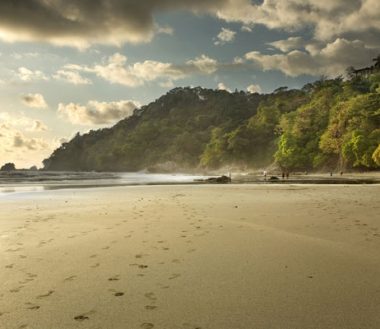
Sea turtle conservation is one of the most iconic volunteering experiences in Costa Rica. The country’s Pacific and Caribbean coastlines serve as critical nesting grounds for several endangered species, including leatherbacks, green turtles, hawksbills, and olive ridleys.
Volunteers on turtle conservation projects typically work during nesting season, which runs roughly from July through October on the Caribbean coast and from August through December on the Pacific side. Daily tasks include patrolling beaches at night to locate nesting females, collecting and relocating eggs to protected hatcheries, recording data on nesting activity, monitoring hatchling emergence, and maintaining beach areas to reduce threats.
The work is physically demanding. Night patrols can run for several hours in humid, sandy conditions. But watching a nest of hatchlings make their way to the ocean is the kind of experience that stays with a person for life.
Key locations for turtle conservation include Tortuguero on the Caribbean coast and the beaches of the Nicoya Peninsula on the Pacific side.
Wildlife Rescue and Rehabilitation
Costa Rica is home to sloths, howler monkeys, spider monkeys, toucans, macaws, coatis, and hundreds of other species that frequently end up injured, orphaned, or displaced by deforestation and human activity. Wildlife rescue centers across the country take in these animals with the goal of rehabilitation and eventual release back into the wild.
Volunteers at rescue centers help with feeding, cleaning enclosures, preparing food, maintaining facilities, and collecting behavioral data. Some centers also run education programs for local communities and visiting school groups.
It is important to understand that responsible wildlife centers prioritize the animal’s well-being over the volunteer’s desire for interaction. If the goal is to release a rehabilitated animal into the wild, human contact is kept to a minimum. Volunteers who are comfortable with behind-the-scenes work (and who find deep satisfaction in knowing their effort contributed to an animal’s release) thrive in these placements.
Programs are available near Manuel Antonio, in the Central Valley near San Jose, and in the lowlands surrounding Arenal and La Fortuna.
Teaching English
English proficiency is increasingly important in Costa Rica, particularly in areas tied to tourism and international business. But rural schools often lack the resources and staffing to offer quality English instruction. Volunteer teachers fill a critical gap.
Teaching placements typically involve working in public schools, community centers, or after-school programs. Volunteers help children and adults build conversational English skills, assist with homework, lead games and activities, and sometimes teach basic computer literacy.
Most programs do not require a formal teaching qualification, though a TEFL (Teaching English as a Foreign Language) certificate is helpful and preferred by some organizations. The primary requirements are fluency in English, patience, creativity, and a genuine enjoyment of working with people.
Teaching placements are available in and around San Jose, in Manuel Antonio, and in smaller rural communities throughout the Central Highlands.
Community Development and Construction
Many communities in Costa Rica, particularly in rural and indigenous areas, lack basic infrastructure. Schools need repairs. Community centers need to be built. Housing needs improvement. Construction and renovation projects give volunteers the chance to contribute physical labor toward tangible, visible outcomes.
Daily work might include painting, building, mixing concrete, installing plumbing or electrical systems, landscaping, or general renovation tasks. No prior construction experience is required for most programs, though volunteers with trade skills are especially valued.
This is one of the most physically demanding volunteer categories. Days are long, the work is hands-on, and results are visible quickly, which many volunteers find deeply rewarding.
Projects run in San Jose neighborhoods, Manuel Antonio, and rural communities across the country.
Environmental Conservation and Reforestation
Costa Rica has been a global leader in reforestation. The country went from losing massive amounts of forest cover in the mid-20th century to now having over half its land area covered by forest again. But the work is ongoing, and volunteers play a role.
Conservation and reforestation programs involve planting native tree species, maintaining nurseries, removing invasive species, monitoring biodiversity through data collection, and sometimes working with local communities on sustainable land management practices.
Some programs are based in national parks or biological reserves. Others operate on private conservation land. Volunteers interested in ecology, biology, or environmental science find these placements particularly meaningful.
Monteverde’s cloud forests, the Osa Peninsula, and the Central Highlands are common placement areas for conservation work.
Healthcare and Medical Volunteering
Costa Rica has a relatively strong public healthcare system compared to its Central American neighbors, but rural and underserved communities still face significant gaps in access to medical and dental care.
Healthcare volunteering placements range from assisting in clinics and community health centers to supporting public health education campaigns on topics like hygiene, nutrition, and disease prevention. Some programs offer shadowing opportunities for pre-med students and nursing students. Others involve hands-on work for qualified medical professionals.
Certain healthcare programs require volunteers to be at least 18 years old and may require proof of relevant coursework or certifications. Spanish language ability is beneficial in medical settings, though not always mandatory.
Programs are available in San Jose, Manuel Antonio, and surrounding communities.
Eco-Agriculture and Sustainable Farming
Costa Rica’s agricultural heritage runs deep, and sustainable farming is a growing focus. Eco-agriculture volunteer programs place participants on organic farms, coffee plantations, or permaculture projects in the Central Highlands and rural valleys.
Volunteers learn about and contribute to sustainable farming practices: soil management, composting, crop rotation, organic pest control, coffee cultivation, and cacao harvesting. Some placements also involve helping small family farms improve their operations and connect with fair-trade networks.
These programs are ideal for volunteers interested in food systems, sustainability, or simply spending time working outdoors in some of the most scenic agricultural landscapes in Central America.
The Central Highlands near San Ramon and the slopes around Arenal are popular locations for eco-agriculture placements.
Women’s Empowerment
A growing number of volunteer programs in Costa Rica focus on supporting women and girls in underserved communities. These programs address barriers related to education, employment, domestic safety, and economic independence.
Volunteers help lead workshops on financial literacy, vocational skills, and personal development. Some placements involve mentoring women who are starting small businesses. Others support community organizations that provide resources for women and families affected by domestic violence.
These programs typically require volunteers to be at least 18 years old and may benefit from Spanish language ability, though translators are sometimes provided.
San Jose and its surrounding neighborhoods are the primary base for women’s empowerment programs.
Where to Volunteer in Costa Rica
Costa Rica is a small country (roughly the size of West Virginia), but its geographic diversity means that volunteering experiences vary dramatically depending on location. Each region has its own character, climate, and types of available programs.
San Jose and the Central Valley
San Jose is the capital and the starting point for most volunteer programs. The city itself is the hub for urban-focused projects: teaching, childcare, healthcare, construction, and women’s empowerment. The surrounding Central Valley offers additional community development and education placements in smaller towns.
San Jose is well-connected by public transport, has all modern amenities, and provides the widest selection of programs and organizations. Volunteers based here typically stay in homestays with local families or in shared volunteer houses.
The city sits at roughly 1,150 meters of elevation, so the climate is spring-like year round. Expect daytime temperatures around 24°C (75°F) with cooler evenings.
Manuel Antonio
Manuel Antonio, on the central Pacific coast, is one of Costa Rica’s most famous destinations. The national park here is among the most visited in the country, home to white-faced capuchin monkeys, sloths, iguanas, and over 180 bird species.
Volunteer programs in Manuel Antonio focus on animal care, teaching English, childcare, healthcare, and construction. The area attracts volunteers who want to combine meaningful work with beach access and rainforest surroundings.
Accommodation tends to be in dormitory-style housing or homestays. The town of Quepos, just minutes from the park, serves as the main base.
Tortuguero
Tortuguero, on the northern Caribbean coast, is accessible only by boat or small plane. This remote setting is one of the most important sea turtle nesting sites in the Western Hemisphere. Green turtles, leatherbacks, and hawksbills nest on its dark sand beaches between July and October.
Volunteering here is focused almost entirely on turtle conservation: night patrols, nest monitoring, hatchery management, and data collection. The surrounding canals and wetlands also offer wildlife observation opportunities (caimans, river otters, manatees, and hundreds of bird species).
Tortuguero is hot, humid, and remote. Volunteers should be comfortable with basic living conditions and limited connectivity.
Monteverde
Monteverde sits high in the Tilaran Mountain Range, shrouded in cloud forest. The area is a magnet for ecotourism and a center for conservation research and education.
Volunteer programs in Monteverde tend to focus on environmental conservation, reforestation, eco-agriculture, and sustainability education. Some wildlife rescue and education programs also operate in the area.
The cloud forest setting is unlike anywhere else in Costa Rica. Temperatures are cooler than the lowlands (averaging 18°C / 65°F), and the air is consistently misty and lush. Volunteers here are surrounded by extraordinary biodiversity, including the resplendent quetzal, one of the most sought-after bird sightings in the Americas.
Nicoya Peninsula
The Nicoya Peninsula, on the Pacific side, is known for its surf beaches, laid-back towns, and turtle nesting sites. It is also one of the world’s five Blue Zones, regions where people live measurably longer and healthier lives.
Volunteering on the Nicoya Peninsula centers on turtle conservation (particularly olive ridley turtles), community development, and hostel-based work exchanges. The towns of Santa Teresa, Montezuma, and Nosara are popular bases.
The peninsula has a more rural, less developed feel than Manuel Antonio or San Jose. Volunteers who enjoy surfing, beach life, and a slower pace tend to gravitate here.
Caribbean Coast
The Caribbean side of Costa Rica has a distinct cultural identity shaped by Afro-Caribbean, indigenous, and Latin American influences. The vibe is more relaxed, the food is different (think rice and beans cooked in coconut milk, fresh ceviche, and Caribbean spices), and the beaches are less crowded than the Pacific side.
Volunteer programs on the Caribbean coast include turtle conservation (leatherbacks nest here between March and July), community development, teaching, and wildlife rescue work. Puerto Viejo de Talamanca and Cahuita are common base towns.
The Caribbean coast receives rain throughout most of the year, with drier windows in September/October and February/March. The lush, green environment is part of the appeal.
Osa Peninsula
The Osa Peninsula, in the far southwest, is one of the most biologically intense places on Earth. National Geographic once called it “the most biologically intense place on the planet.” Corcovado National Park, which covers a large portion of the peninsula, shelters jaguars, tapirs, scarlet macaws, all four Costa Rican monkey species, and an astonishing density of plant and animal life.
Volunteer opportunities on the Osa Peninsula are primarily conservation-focused: wildlife monitoring, trail maintenance, research assistance, and reforestation. Placements here are more remote and physically demanding than in other regions.
This is a destination for volunteers who want a deep-jungle, off-the-grid experience and are comfortable with basic accommodations and limited infrastructure.
How Much Does It Cost to Volunteer in Costa Rica
The idea of paying to volunteer strikes many people as contradictory. But program fees exist for logical reasons, and understanding where the money goes helps volunteers make informed decisions about which programs offer real value.
Why Volunteers Pay Fees
Running a volunteer program costs money. Organizations must provide housing, meals, orientation, training, in-country support, transportation logistics, and administrative coordination. Many also employ local staff year-round to manage projects and maintain relationships with community partners.
Responsible programs should have no issue providing a clear breakdown of how fees are spent. If an organization cannot explain where the money goes, that is a red flag.
Most legitimate programs also channel a portion of fees directly back into the project itself, funding materials, supplies, and community needs beyond what volunteers contribute through their labor.
Typical Cost Ranges
Costs vary significantly depending on the organization, the project type, the location, and the duration of the placement.
As a general guide for structured volunteer programs in Costa Rica:
Short-term programs (1 to 2 weeks) typically range from $500 to $1,500. Medium-term programs (3 to 4 weeks) typically range from $1,000 to $2,500. Longer placements (2 to 6 months) can range from $2,000 to $5,000 or more.
These fees generally cover accommodation (homestay or dormitory), meals (usually breakfast and dinner on weekdays), airport pickup, orientation, and in-country support staff. They typically do not cover international flights, travel insurance, visa fees, vaccinations, or personal spending money.
What to Watch For
Programs at the lower end of the price range are not automatically worse, and expensive programs are not automatically better. The key is transparency. Look for organizations that clearly state what is included in the fee, how funds are allocated, and what additional costs to expect.
Programs that charge very high fees but provide vague descriptions of their work, limited reviews from past volunteers, or no clear community partnership should be approached with caution.
How to Volunteer in Costa Rica for Free
It is possible to volunteer in Costa Rica at little to no cost, though “free” typically means trading work for accommodation and meals rather than paying zero out of pocket. Flights, insurance, and personal expenses still apply.
Work Exchange Platforms
Platforms like Workaway, Worldpackers, and HelpX connect travelers with hosts who offer free room and board in exchange for a set number of hours of work per day (usually 4 to 5 hours).
In Costa Rica, work exchange opportunities include helping at eco-lodges, organic farms, hostels, surf camps, and small family businesses. Tasks vary widely: reception work, social media management, housekeeping, gardening, cooking, construction, language exchange, and more.
These platforms charge a small annual membership fee (typically $40 to $50) but the placements themselves cost nothing beyond the membership.
Hostel Volunteering
Many hostels across Costa Rica, particularly in tourist hubs like Santa Teresa, Puerto Viejo, Manuel Antonio, and Tamarindo, recruit volunteers to help with day-to-day operations. In exchange, volunteers receive a free bed (sometimes in a shared dorm, sometimes in staff accommodation) and meals.
Hostel volunteering is less structured than formal conservation or teaching programs. The focus is more on cultural exchange and travel lifestyle than on community impact. But it is a legitimate way to extend a trip, meet other travelers, and experience daily life in Costa Rica without burning through savings.
Local NGOs and Grassroots Organizations
Smaller, locally run organizations sometimes accept volunteers without charging program fees. These placements may offer basic accommodation or simply connect volunteers with affordable local housing options.
Finding these opportunities requires more independent research. Searching Facebook groups for “volunteer Costa Rica,” reaching out directly to organizations found through platforms like Volunteer Latin America, or asking in backpacker forums can surface grassroots options that larger directories miss.
A Word of Caution
Free does not always mean better. Structured programs with fees often provide training, support, and accountability that free placements do not. Volunteers choosing free options should vet the host or organization just as carefully as they would a paid program: check reviews, ask questions about expectations, and confirm living arrangements before committing.
Setting the Right Expectations for Volunteering in Costa Rica
Choosing the right project for a rewarding volunteering experience should take some time. Romantic ideals aside, volunteers should ensure that their chosen project is transparent in what it aims to achieve and, more importantly, what it expects of them. Anyone volunteering abroad for the first time should familiarize themselves with the realities of the experience before arriving.
Many first-time volunteers are left disappointed when they realize that they are, more often than not, a single cog in a long-term, complex project. Day-to-day tasks may not be as glamorous as expected. Even after volunteering for several weeks, the results of that hard work may not be visible during the placement. That is the nature of most volunteering projects. All the collective effort of all volunteers is pooled together to make a project successful over months and years. Anyone expecting instant gratification may be left disappointed.
Responsible projects place the emphasis squarely on the receiver of help, not the giver. If it is not in the best interest of a recovering animal to be continuously exposed to new people, the volunteer’s work will happen behind the scenes. Wildlife rehabilitation projects still need people to prepare food, clean enclosures, collect data, and help with construction. If the goal is to release a rehabilitated animal back into the wild, there will be no cuddling involved.
Volunteers who find deep satisfaction in knowing their personal effort contributed to an animal’s release, or a child’s improved reading skills, or a community center’s completion, will have an extraordinary experience. Volunteers who want constant hands-on interaction or visible daily results should choose their project accordingly.
Keeping expectations grounded is the single most important factor in ensuring the experience is fun, rewarding, and satisfying. Volunteering projects succeed when their volunteers enjoy what they do.
How to Choose the Right Volunteer Program
Considering the scrutiny that many international volunteering organizations have faced over the years (much of it warranted), prospective volunteers should be thorough in their research. For every well-run organization, there are poorly designed programs that end up harming the very cause they claim to support. Choosing the right project benefits the volunteer, the community, and the cause itself.
What to Look For
A legitimate project should offer a safe placement, boast strong reviews from previous volunteers, and clearly communicate its goals and expectations. The organization’s work should be visible in Costa Rica’s media. Its successes should be documented. Searching for news articles, blog posts, and forum discussions about any project under consideration makes it much easier to separate the outstanding from the mediocre.
Look for organizations that:
Clearly explain how program fees are spent. Provide pre-departure orientation materials. Offer in-country support and emergency contacts. Employ local staff and partner with local communities. Can demonstrate measurable project outcomes over time. Have been reviewed on platforms like GoAbroad, Volunteer World, or Trustpilot.
Choosing Based on Personal Fit
Selecting the right program also involves honest self-assessment. Determining the kind of work that will be genuinely enjoyable can be harder than it sounds.
Take education programs as an example. Teaching English to underserved children is critically important work. But if spending entire days surrounded by children for weeks straight does not sound enjoyable, it is better to leave that volunteering spot to someone who will thrive in it. The children will also have a much better experience with a volunteer who genuinely enjoys their company.
The same principle applies across all project types. Someone who dislikes physical labor should not choose a construction project. Someone who is uncomfortable with remote, humid conditions should not commit to a turtle conservation placement in Tortuguero.
Being honest about personal preferences, physical limitations, and comfort levels leads to better matches and better outcomes for everyone involved.
Red Flags to Watch For
Not all volunteer programs are created equal. Watch out for organizations that:
Refuse to explain how fees are allocated. Offer direct interaction with orphaned children or vulnerable populations without proper safeguards. Guarantee specific animal encounters or experiences that responsible programs would never promise. Have very few reviews, or reviews that all sound suspiciously similar. Pressure volunteers into committing quickly without providing detailed program information. Do not partner with or employ local community members.
How to Find Reputable Volunteer Organizations
The volunteer travel industry has grown significantly, and there are now several trusted platforms and organizations that specialize in Costa Rica.
Major Volunteer Placement Organizations
IVHQ (International Volunteer HQ) is one of the largest volunteer travel organizations in the world, with multiple project types in San Jose and Manuel Antonio. Programs start from around $555 for one week and include accommodation, meals, airport pickup, and in-country support.
Maximo Nivel operates out of Manuel Antonio and offers teaching, healthcare, conservation, and community development placements. Programs start every Monday and are available year-round.
uVolunteer is a smaller, locally run organization based in San Ramon, in the Central Valley. Because there is no middleman, fees tend to be lower. Programs start from around $625 for two weeks.
GivE Volunteers focuses on ethical, community-led programming and places volunteers in the Caribbean lowlands and highland jungle regions.
Aggregator and Review Platforms
Volunteer World, GoAbroad, and Go Overseas are directories that list and review volunteer programs across Costa Rica. These platforms allow side-by-side comparison of programs by cost, duration, location, reviews, and project type.
These directories do not run programs themselves. They aggregate listings from multiple organizations, making them useful for initial research and comparison shopping.
Work Exchange Platforms
Worldpackers, Workaway, and HelpX list free and low-cost volunteering opportunities with individual hosts, farms, hostels, and eco-lodges throughout Costa Rica.
Government and Institutional Programs
The Peace Corps places long-term volunteers (typically 27-month commitments) in Costa Rica, working on community economic development, youth programs, and education projects. This is a much bigger commitment than short-term volunteering but offers a deeply immersive experience with full support.
Habitat for Humanity Costa Rica offers construction-focused volunteer opportunities for individuals and groups wanting to help build homes for families in need.
Practical Information for Volunteers in Costa Rica
Visa Requirements
Citizens of the United States, Canada, the United Kingdom, the European Union, Australia, and most other Western countries can enter Costa Rica without a visa and stay for up to 90 days. No special volunteer visa is required for short-term, unpaid volunteer placements.
A valid passport with at least six months of remaining validity is required at entry. Immigration officials may also ask for proof of a return or onward flight and evidence of sufficient funds for the stay.
Volunteers planning to stay longer than 90 days will need to explore visa extension options or make a border run (briefly exiting and re-entering the country to reset the 90-day clock). Formal long-term volunteer visas do exist but are complex and typically only pursued by those on extended placements through organizations like the Peace Corps.
Best Time to Volunteer in Costa Rica
Costa Rica has two main seasons: the dry season (December through April) and the green season, also called the rainy season (May through November). Both are viable for volunteering, but each has trade-offs.
The dry season offers sunny, predictable weather and is the peak tourist season. It is also the busiest time for volunteer programs, meaning more competition for placements.
The green season brings afternoon rain showers (mornings are usually clear), fewer tourists, lower prices, and lusher landscapes. Many volunteers prefer this period for its quieter pace and more authentic experience.
Turtle nesting seasons are a key consideration for conservation volunteers. On the Caribbean coast (Tortuguero), the primary nesting season for green turtles runs from July through October. On the Pacific coast (Nicoya Peninsula), olive ridley turtles nest from August through December. Leatherback turtles nest on the Caribbean side from March through July.
Health and Vaccinations
No vaccinations are legally required to enter Costa Rica, but several are strongly recommended by health authorities:
Hepatitis A and Hepatitis B, Typhoid (especially for volunteers in rural areas), Tetanus/Diphtheria booster (if not current), and Routine vaccinations (MMR, flu, COVID-19).
Malaria risk is very low in most of Costa Rica but exists in some remote lowland areas, particularly along the Caribbean coast and near the Nicaraguan border. Consult a travel health professional at least 4 to 6 weeks before departure to discuss whether antimalarial medication is appropriate.
Dengue fever and Zika virus, both transmitted by mosquitoes, are present in Costa Rica. Strong insect repellent (DEET or picaridin-based), long sleeves during dawn and dusk, and sleeping under mosquito nets in rural areas are all smart precautions.
Tap water is safe to drink in most of Costa Rica, including San Jose and major tourist areas. In very remote or rural locations, bottled or filtered water is a safer choice.
Safety
Costa Rica is consistently ranked among the safest countries in Latin America. Violent crime against tourists and volunteers is rare. The most common risks are petty theft and opportunistic crime in urban areas, particularly San Jose.
Standard travel safety practices apply: avoid displaying expensive electronics or jewelry in public, keep valuables locked up at accommodation, use registered taxis or ride-sharing apps, and be cautious in unfamiliar neighborhoods after dark.
Most volunteer organizations provide safety briefings during orientation and have 24/7 emergency contact numbers for volunteers.
What to Pack for Volunteering in Costa Rica
Packing needs will vary depending on the project type and location, but some essentials apply across the board:
Lightweight, moisture-wicking clothing that dries quickly. Long pants and long-sleeved shirts for jungle or rural work (protection from insects and sun). Sturdy closed-toe shoes or hiking boots for construction, conservation, or rural placements. Sandals or flip-flops for accommodation and beach time. Rain jacket or poncho (essential during green season, useful year-round).
Reef-safe sunscreen (SPF 30 or higher). DEET-based or picaridin-based insect repellent. Reusable water bottle. Basic first aid supplies (bandages, antiseptic, anti-diarrheal medication, pain relievers). Headlamp or flashlight (critical for turtle conservation night patrols). Quick-dry towel. Photocopies of passport and important documents stored separately from originals.
Avoid overpacking. Laundry facilities or services are available in most placements, and lightweight, versatile clothing is far more practical than a heavy suitcase.
Language
Spanish is the official language of Costa Rica. While many volunteer programs operate in English and do not require Spanish proficiency, learning basic Spanish phrases before arrival will make a significant difference in daily interactions, community relationships, and overall experience.
Key phrases to learn include greetings (buenos dias, buenas tardes), please and thank you (por favor, gracias), basic questions (donde esta, cuanto cuesta), and simple conversation starters.
Several volunteer organizations, including IVHQ and Maximo Nivel, offer optional Spanish language classes that can be added to a volunteer placement. Investing even a few hours per week in language learning enriches the experience considerably.
In Manuel Antonio and other tourist-heavy areas, English is widely spoken. In rural communities, on the Caribbean coast, and in smaller towns, Spanish is essential for meaningful communication.
Combining Volunteering with Adventure Travel in Costa Rica
One of the unique advantages of volunteering in Costa Rica is the opportunity to combine meaningful work with world-class adventure activities. Most volunteer programs schedule work Monday through Friday, leaving weekends free for exploration.
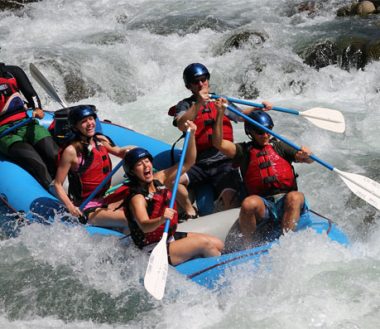
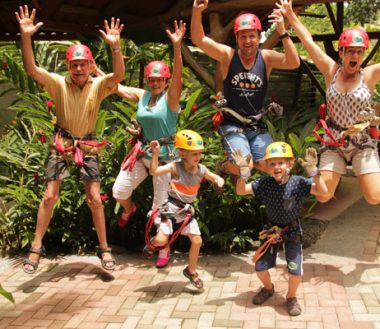
Costa Rica packs an extraordinary amount of adventure into a small geographic footprint. Within a few hours of almost any volunteer placement, volunteers can experience whitewater rafting on Class III and IV rapids, zip-lining through rainforest canopies, hiking active volcanoes, soaking in natural hot springs, surfing on both Pacific and Caribbean breaks, snorkeling coral reefs, canyoneering down jungle waterfalls, and exploring some of the most biodiverse national parks on the planet.
Recommended Weekend Adventures by Region
Volunteers based in San Jose or the Central Valley have easy weekend access to Arenal Volcano and La Fortuna (hot springs, hanging bridges, waterfall hikes), Poas Volcano National Park, and whitewater rafting on the Pacuare River, widely considered one of the top 10 rafting rivers in the world.
Volunteers in Manuel Antonio can explore the national park’s beaches and wildlife trails, go ocean kayaking, take catamaran cruises along the Pacific coast, and hike to Nauyaca Waterfall.
Those stationed in Monteverde can walk the famous hanging bridges through the cloud forest canopy, go zip-lining, visit hummingbird gardens, and take guided night walks to spot nocturnal wildlife like red-eyed tree frogs and tarantulas.
Volunteers on the Nicoya Peninsula have some of the best surf breaks in Costa Rica at their doorstep, along with bioluminescent kayaking tours and yoga retreats.
Planning a Volunteer-Plus-Adventure Itinerary
A popular approach is to spend two to four weeks volunteering, followed by one to two weeks of dedicated adventure travel. This structure allows volunteers to settle into their project, build relationships with the community, and then explore the country with a deeper understanding of its culture and landscape.
Some programs, particularly through IVHQ and Maximo Nivel, offer optional add-on adventure packages that include guided tours, transportation, and accommodation for post-volunteer exploration.
Alternatively, independent travel after a volunteer placement is straightforward. Costa Rica has reliable public bus networks, affordable domestic flights, and well-established shuttle services connecting major destinations.
Costa Rica Rios, voted one of the Best Adventure Travel Companies on Earth by National Geographic, specializes in exactly this kind of experience. All adventure tours are planned with sustainable, responsible tourism at the core, employing and training local guides and contributing to local communities.
Travelers looking to pair a volunteer experience with rafting, kayaking, zip-lining, canyoneering, or a full multi-sport adventure vacation can contact Costa Rica Rios to build a custom itinerary that makes every day in the country count.
Paying to Volunteer – Why This Oxymoron Makes Sense
Start researching the most popular and best volunteering projects in Costa Rica and you’ll soon discover that all-too-familiar oxymoron: volunteering costs money. Why on earth should a volunteer PAY to help? Well, for the very logical reason that projects must spend money to receive volunteers. A lot of money, in fact. It costs money to house you and feed you for the duration of your stay, to recruit you in the first place, to assist you in settling in and in training you. It costs money to organize transport and to build all the facilities to make you safe and comfortable. If a project is responsible, it won’t just leave you to fend for yourself. It will look after you and for that…it needs funds. Considering all of its profits should, theoretically, be poured back into the project itself, it makes sense that you’ll need to effectively pay your way during your stay. Most organizations don’t receive government funding and rely on the donations to carry on their important work, combined with whatever funds are left over after your placement fee is spent (on you). A professional and responsible volunteering project should have no issue providing you with a clear breakdown of how your fee is spent so you can best ascertain if you’re willing to contribute to their project.
The most popular volunteering options in Costa Rica
Animal care, rehabilitation and conservation work plays a huge role in Costa Rica’s volunteering sphere, as does work in remote communities building much-needed infrastructure and helping at-risk communities. There are many projects, all over the country, which rely heavily on volunteers’ help, both local and imported. Before you go ahead and research the best projects in Costa Rica, have a read of National Geographic Guide to Voluntourism, which highlights a few key points you ought to also keep in mind whilst listing the most prominent international organizations around.
Volunteerism has been placed under the microscope over the last decade (for many valid reasons) and the great benefit of this is that it’s forced organizations to be much more transparent in what they do and how they do it. If, by the end of your research, you decide that you’d rather offer a donation rather than your time and effort to a particular cause, do know that your invaluable contribution will be much appreciated by whichever reputable organization you choose to help.
Here at Costa Rica Rios, we’ve been voted One of the Best Adventure Travel Companies on Earth by the National Geographic and take our role as ambassadors very seriously. We not only commit to sustainable tourism in a country which desperately strives to uphold it but we contribute to our local communities, employing and training local guides and donating to our local orphanage and any business which needs a helping hand. We do this because we believe that through responsible tourism, everybody wins, Mother Nature included. All of our Adventure Tours in Costa Rica are planned with our mission and values in mind so if you’d like to come and discover all the amazing experiences this incredible country offers, contact us today.
Frequently Asked Questions About Volunteering in Costa Rica
Do volunteers need to speak Spanish?
No. Most structured volunteer programs operate in English and do not require Spanish proficiency. However, basic Spanish is extremely helpful for daily interactions, especially in rural areas. Many organizations offer optional Spanish classes alongside volunteer placements.
Can someone volunteer in Costa Rica for free?
Yes. Work exchange platforms like Worldpackers, Workaway, and HelpX connect volunteers with hosts who offer free accommodation and meals in exchange for a few hours of work per day. Hostel volunteering is another common free option. Keep in mind that flights, insurance, and personal expenses are still out-of-pocket costs.
How long can volunteers stay in Costa Rica?
Most nationalities can stay for up to 90 days without a visa. Volunteer programs range from 1 week to 24 weeks or longer. The ideal duration depends on the project type: meaningful conservation or teaching work typically benefits from a minimum commitment of 2 to 4 weeks.
Is Costa Rica safe for volunteers?
Costa Rica is one of the safest countries in Latin America. It has a stable political environment, no military, and a strong tradition of welcoming international visitors. Standard travel precautions (avoiding flashy valuables, staying aware in urban areas, using registered transportation) are sufficient for most situations.
Do volunteers need a visa?
Citizens of the US, Canada, UK, EU, and Australia do not need a visa for stays of up to 90 days. A valid passport with at least six months of remaining validity is required. No special volunteer visa is needed for short-term unpaid placements.
What is the minimum age to volunteer?
Most programs require volunteers to be at least 18 years old. Some organizations, including IVHQ, accept volunteers as young as 16 on certain projects, and family volunteering options allow parents to bring children along. Teen summer camps and supervised group programs are also available.
Can families volunteer together in Costa Rica?
Yes. Several organizations offer family-friendly volunteer placements in childcare, animal care, teaching, and construction. These programs are designed to be safe and engaging for both adults and children.
Can volunteering be combined with adventure travel?
Absolutely. Most volunteer programs run Monday through Friday, leaving weekends free for exploration. Costa Rica offers whitewater rafting, surfing, zip-lining, volcano hiking, wildlife tours, and much more within easy reach of every major volunteer hub. Many travelers volunteer for two to four weeks and then spend one to two additional weeks on an adventure vacation.
What types of accommodation do volunteers get?
Accommodation varies by program and location. The most common options are homestays with local families (offering cultural immersion and home-cooked meals) and shared volunteer houses or dormitories. Amenities range from basic to comfortable. Bedding and linens are usually provided. Wi-Fi is available in most placements, though speeds in rural areas may be slow.
What should volunteers avoid in Costa Rica?
Avoid programs that promise direct interaction with orphaned children without proper child protection policies. Avoid wildlife programs that offer photo opportunities with wild animals or allow handling of animals that should be in rehabilitation. Avoid any organization that cannot provide a transparent breakdown of its fees or demonstrate a genuine partnership with local communities.