
Eco Tourism and Costa Rica Guided Tours
Costa Rica doesn’t need to sell itself on eco-tourism. The country runs on 98% renewable energy. It protects 25% of its land. And it has packed 5% of the world’s biodiversity into a space smaller than West Virginia. That’s the foundation. But an eco tour is where that foundation becomes real for the people who visit.
Guided eco tours in Costa Rica cover rivers, cloud forests, rainforests, and coastlines. They put trained local guides beside you on the trail. They connect lodging and food to local supply chains. The best ones hold a CST certification from Costa Rica’s national tourism board. And they leave ecosystems in better shape than they found them.
This guide covers what a Costa Rica eco tour includes, which regions deliver the best wildlife and terrain, what animals to expect, how to pick the right operator, and when to go.
What Makes Costa Rica the Global Leader in Eco Tourism
25% of the country is protected land. That number alone sets Costa Rica apart. No other nation in Central America comes close. Protected land here means national parks, biological reserves, wildlife refuges, and private conservation zones. Together they form connected corridors that let wildlife move freely between ecosystems.
The CST, Costa Rica’s Certificate for Sustainable Tourism, holds operators to strict environmental standards. It covers waste management, energy use, local hiring, and biodiversity impact. Operators renew it regularly. It’s the clearest signal that a tour company follows through on sustainability rather than just using the word.
These numbers tell the story directly:
| Metric | Value |
| Protected territory | 25% of the country |
| Renewable energy use | 98% |
| Documented bird species | 894 |
| Documented waterfalls | 1,700+ |
| Miles of coastline | 900+ |
| Total land area | Smaller than West Virginia |
Costa Rica also runs on community-driven conservation. Indigenous groups manage land. Local farmers hold organic certification. Coastal towns protect sea turtle nesting beaches. Eco tourism dollars fund all of it, directly and consistently.
What a Costa Rica Eco Tour Actually Includes
Most people think eco tours are just birdwatching in a forest. They’re not. A full eco tour in Costa Rica covers a wide range of terrain and activity, often within the same week.
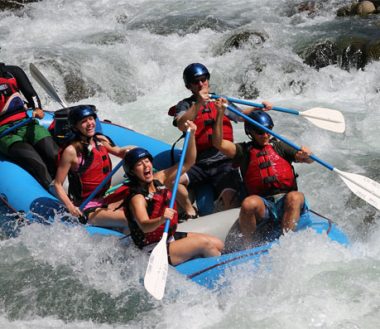
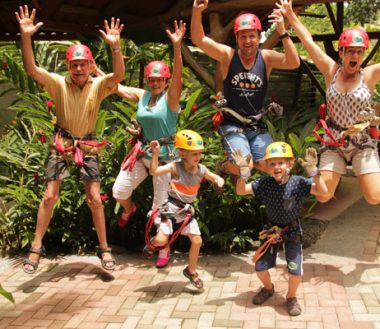
Guided hikes through national parks are the core. But they sit alongside whitewater rafting on rivers like the Pacuare, night jungle walks with naturalist guides, canopy zipline routes through rainforest canopy, and sea turtle nesting tours on protected Caribbean beaches. Multi-sport operators bundle these into packages that move through two or three distinct ecosystems over six to ten days.
Day tours cover single activities in a single region. Good for people adding eco experiences to a broader Costa Rica trip. Options include half-day birdwatching walks, canopy tours, and coffee farm visits.
Multi-day guided packages run six to ten days. They cover multiple regions and include eco-lodge stays, transportation, and guided activities from start to finish. These are the most complete eco tour option and the most popular format for visitors flying in from the US.
Wildlife-focused tours are built around specific species or seasonal events. Sea turtle nesting tours run at Tortuguero from July to October. Quetzal watching tours run at Monteverde from December to April.
River adventure tours are built around rafting and kayaking on Class II to IV rapids. The Pacuare River is the benchmark. National Geographic rated it among the top rafting rivers in the world. It runs through 18 miles of untouched primary rainforest with no roads bordering it.
Night jungle walks are led by naturalist guides using red-light torches that don’t disturb nocturnal animals. Groups stay small, usually 4 to 8 people. Red-eyed tree frogs, kinkajous, glass-wing butterflies, and fishing bats are common sightings.
Cultural eco experiences include coffee farm tours, visits to Bribri or Cabécar indigenous communities, and organic cacao processing demonstrations. These aren’t optional extras. They’re how eco tourism keeps money inside local communities and ties the visit to the people who actually maintain the land.
Best Regions for Eco Tourism in Costa Rica
Six regions stand out. Each one offers a distinct ecosystem and a different set of activities.
Turrialba and the Pacuare River
This is where serious river-based eco tourism lives. The Pacuare is a Class III-IV river that cuts through untouched primary rainforest for 18 miles. No roads border it. No development sits on it. Eco lodges on the riverbank operate off the grid, inside the jungle. Turrialba itself is a small agricultural town. Operators here source food from local markets weekly and run logistics on sustainable fuel. It’s off the main tourist circuit. That’s the point.
Monteverde Cloud Forest
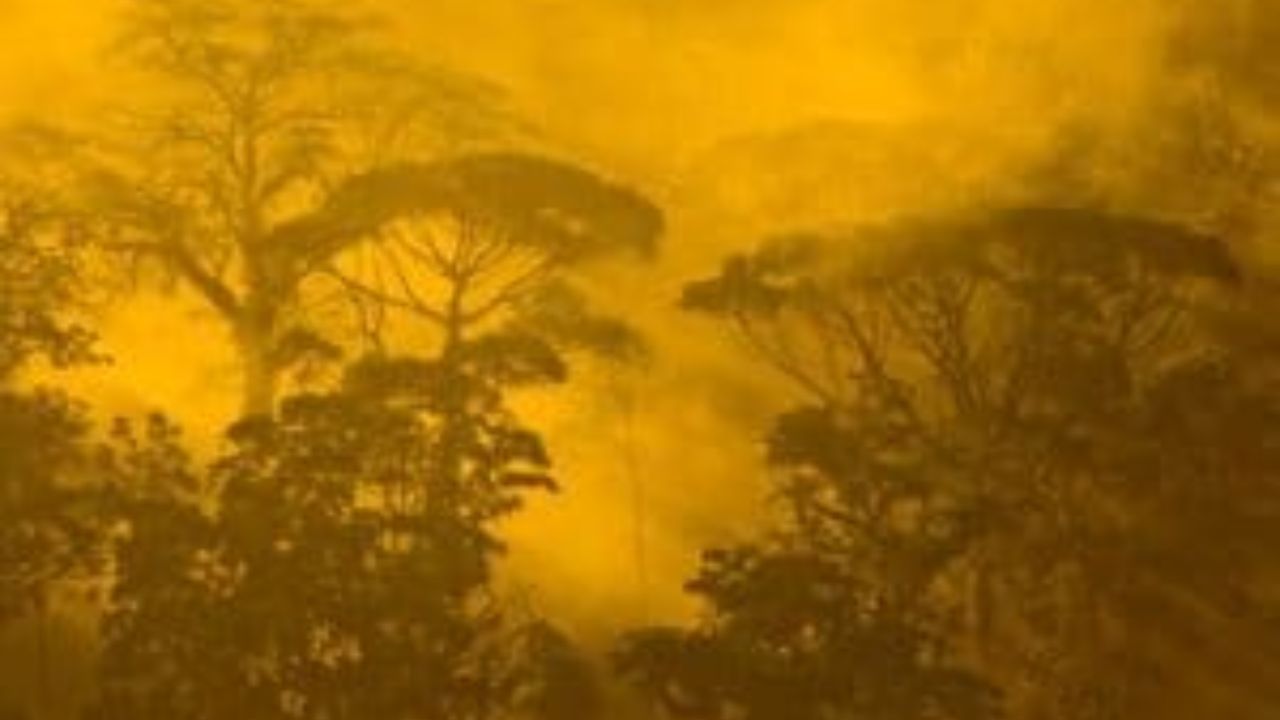 Monteverde sits at 4,662 feet and holds 26,000 acres of cloud forest. The reserve has 8 miles of maintained hiking trails, suspension bridges above the canopy, and some of the best quetzal watching in Central America. December to April is the peak window for Resplendent Quetzals. The cloud forest feels different from lowland rainforest. Cooler. Mist-covered. Plant life is dense in every direction.
Tortuguero National Park
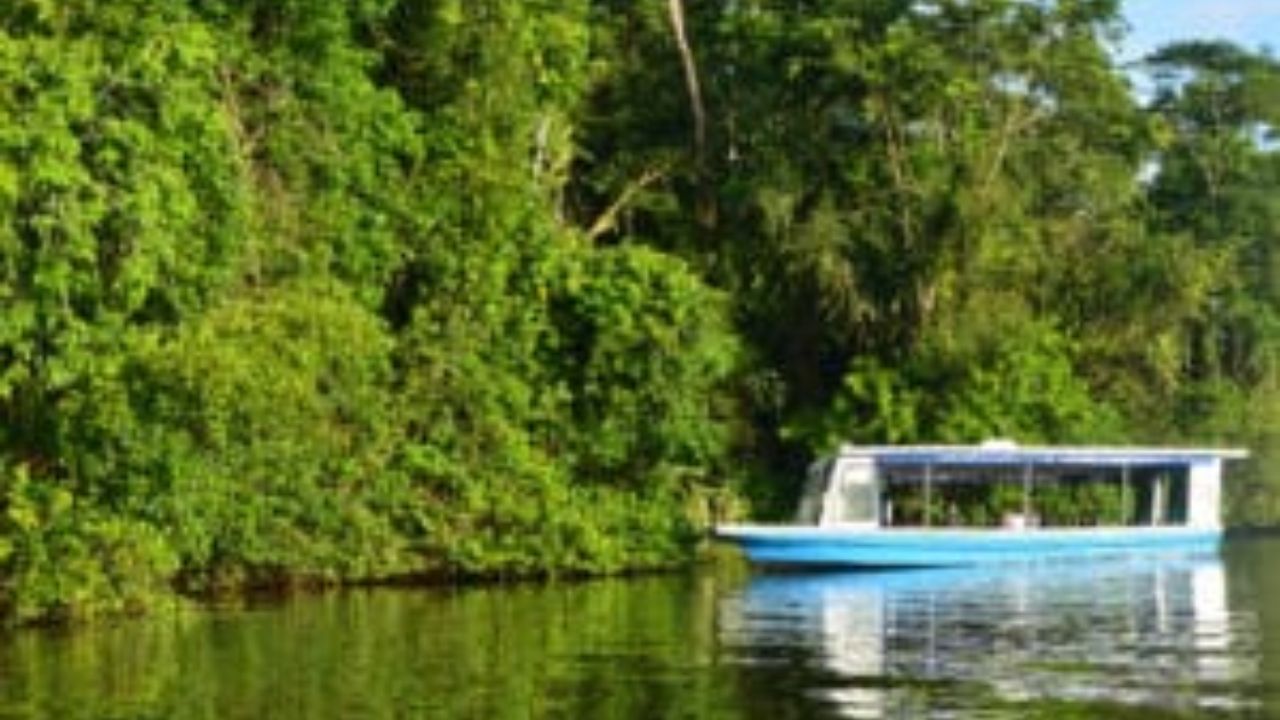
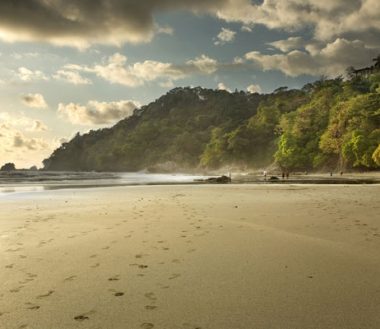
Tortuguero covers 77,000 acres on the Caribbean coast. There are no roads into it. Visitors arrive by boat or small plane. The canal network inside the park runs past caimans, river otters, and spider monkeys. Green sea turtles nest here from July to October. Guided night tours start at 8 PM and run to midnight. Up to 100,000 turtles use these beaches in a single nesting season.
Manuel Antonio National Park
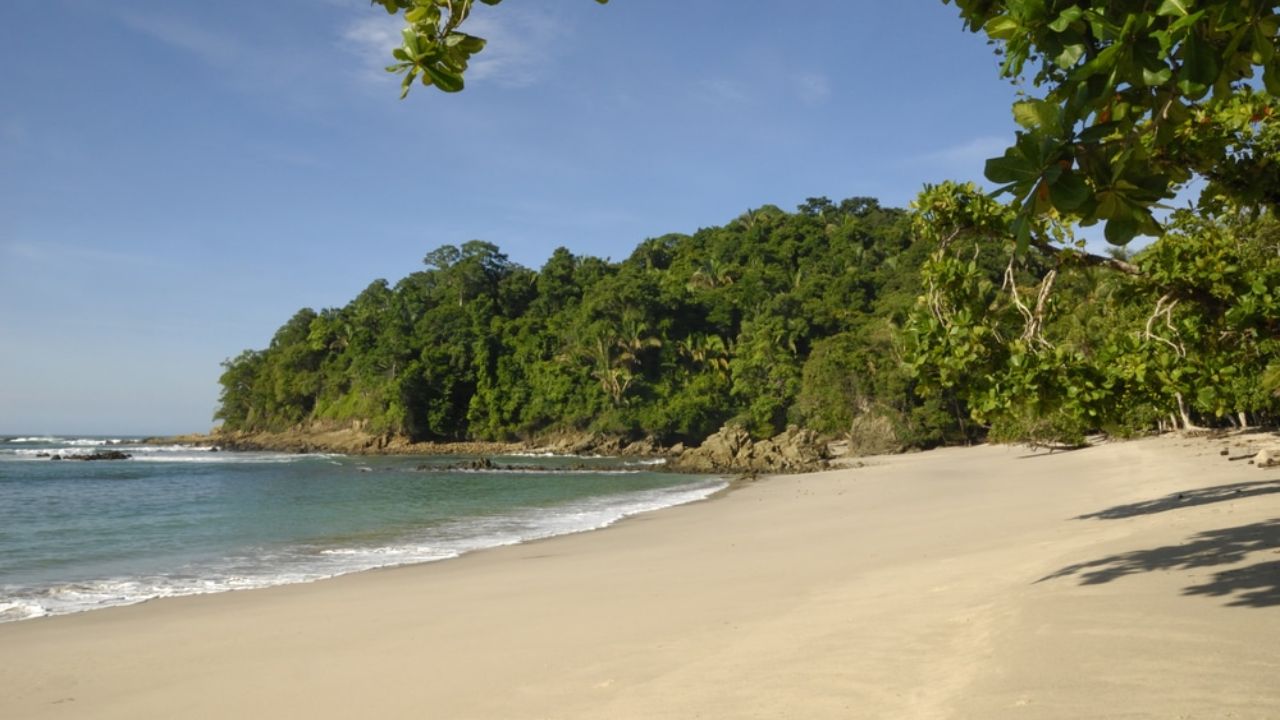
Manuel Antonio is 1,700 acres of dense rainforest sitting directly against white sand beaches. It’s small but biodiverse. Four color-coded hiking trails run from 30 minutes to 3 hours. White-faced capuchin monkeys, two-toed sloths, and howler monkeys appear regularly on the trails. The park limits daily visitors to protect the ecosystem. Book ahead.
Arenal and La Fortuna
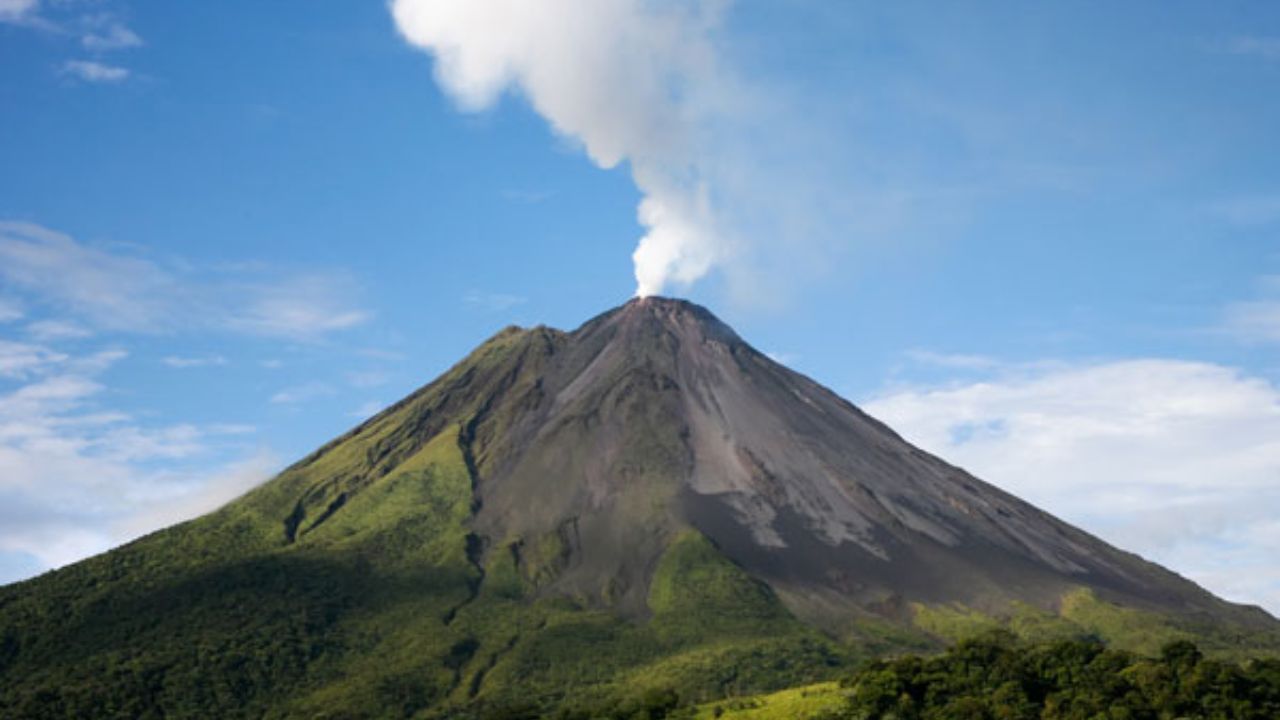 The Arenal Volcano is still active. The region around it offers hot springs, hanging bridges, hiking trails, and wildlife-rich forest walks. La Selva Biological Station nearby has 6 miles of paved trail where Toucans and Great Green Macaws appear regularly during morning walks, from about 6 AM to 9 AM. It’s one of the more reliable birdwatching setups in the country.
Osa Peninsula and Corcovado
Corcovado is what National Geographic called “the most biologically intense place on Earth.” Tapirs, jaguars, and all four of Costa Rica’s monkey species live here. The Osa Peninsula is remote. Getting in takes effort. But Corcovado delivers wildlife density that no other park in Costa Rica matches. Guided tours are required inside the park. Solo hiking is restricted.
Wildlife You’ll See on a Guided Eco Tour
 A sloth moves above the trail. Nobody notices until the guide stops walking. That moment happens a lot in Costa Rica. And it only happens because trained naturalist guides know exactly where to look and when.
Here’s what eco tour visitors regularly spot across the main regions:
- Sloths: Both two-toed and three-toed sloths live throughout Costa Rica’s lowland and mid-elevation forests. Manuel Antonio is one of the most reliable spots. Morning hours work best.
- Resplendent Quetzal: Found at Monteverde from December to April. Guides use specific fruit trees and known feeding zones to locate them. It’s among the most sought-after bird sightings in the Americas.
- Scarlet Macaw: Year-round at Carara National Park. Peak activity runs from 5:30 AM to 8:30 AM. Flocks nest in riverside trees along the Tarcoles River.
- Howler Monkeys: Heard before they’re seen. Found in Manuel Antonio, Tortuguero, and along the Pacuare. They call at dawn and again at dusk.
Sea Turtles: Four species nest in Costa Rica.
| Turtle Species | Nesting Location | Season |
| Green | Tortuguero National Park | July to October |
| Leatherback | Las Baulas Marine National Park | October to March |
| Olive Ridley | Ostional Wildlife Refuge | Year-round |
| Hawksbill | Tortuguero | March to October |
- Red-eyed Tree Frogs: Nocturnal. Found on night walks in Tortuguero and lowland rainforest zones. They sit still on leaves. A red torch finds them.
- Toucans: Common throughout mid-elevation forests. La Selva and Sarapiqui are the most reliable spots.
- Jaguars and Tapirs: Rare but present in Corcovado. Sightings happen on longer guided treks with experienced naturalists. Not guaranteed. Worth going for anyway.
- Dolphins and Humpback Whales: Along the Pacific coast, mostly near the Osa Peninsula and Uvita. Humpbacks migrate from July to March. Dolphin sightings are common on coastal boat tours.
Best Time to Take an Eco Tour in Costa Rica
Both seasons work. The question is what trade-off you want.
Dry season: December to April
This is peak season on the Pacific coast and around Arenal. Weather is stable, trails are dry, and wildlife viewing is reliable. Quetzal watching peaks in this window. Humpback whales arrive along the Pacific coast. Visibility on waterfalls and rapids is at its best. Hotels and tour packages book out fast. Prices are higher than the rest of the year.
The Caribbean coast runs on a different calendar. Its drier months fall between August and October. Tortuguero’s sea turtle season runs July to October regardless of which coast visitors are coming from.
Green season: May to November
Afternoon rain is common in forest and mountain zones. But the forest is lush. Rivers run full. The Pacuare is at its best for rafting when the rains push water levels up. Crowds drop. Prices drop. Wildlife activity actually increases with the rain in many species. Many operators prefer the green season for multi-day jungle trips for exactly this reason.
May through July is the sweet spot. Rain tends to fall in the afternoon, leaving mornings clear and cool. By August the rain intensifies across most regions.
For family eco tours, December to March offers the easiest conditions overall. For river-based tours and Tortuguero, May through October is the window to book.
How Costa Rica Rios Operates Its Eco Tours
Recycling here goes deeper than most lodges bother with. Costa Rica Rios runs its tours out of Turrialba, where the local municipality has a monthly recycling collection point and a weekly Saturday drop-off.
The team recycles plastic bags, candy wrappers, Styrofoam, tin, aluminum, glass, cardboard, and paper. Organic waste from tours gets donated to a local pig and cacao farmer. Trail snack scraps become compost. That compost feeds a cocoa farm. Food waste, turned into chocolate, in a roundabout way.
Hotels are selected on sustainability criteria. The base hotel for scheduled tours runs on solar hot water and has a recycling system in place. It’s close enough to the equipment warehouse to walk, so guests on scheduled tours don’t need bus or car transport within town. Walking is how you see any small town properly anyway. Private and custom trips use hotels chosen for conservation practices. Many sit inside or adjacent to private forest reserves.
Food is sourced locally. All supplies come from the Turrialba farmers’ market each week. Local buying keeps money inside the regional economy and cuts the carbon footprint of supply chains that other operators quietly ignore.
The no-trace policy runs on every tour. No litter. No wildlife disturbance. No plant or animal removal. Guides train alongside it from day one. Costa Rica Rios also educates its local staff on environmental care. Those habits move back into families and communities.
Bio-fuel vehicles handle logistics. Biodegradable water bottles are produced through a local partner. These aren’t marketing claims written into a brochure. They’re daily operational practices that have been running for decades in Turrialba.
How to Choose a Legitimate Eco Tour Operator in Costa Rica
Not every tour that calls itself eco is actually eco. The word gets used loosely. Here’s how to tell the difference.
- CST certification: The CST is issued by Costa Rica’s ICT. It rates operators on a scale of 1 to 5 across four categories: physical-biological environment, infrastructure management, service management, and socioeconomic environment. Ask the operator directly for their CST level. Legitimate ones will answer immediately.
- Local guides, not subcontracted guides: Operators who use permanent local guides know their terrain and their wildlife. Operators who subcontract to whoever’s available that week don’t. Ask who the guides are and how long they’ve worked with the company.
- Small group sizes: Eco tours limit group sizes to reduce wildlife disturbance and trail impact. Ten to fifteen people is a responsible cap for most nature-based experiences. If an operator puts 40 people on a bus to a national park viewpoint and calls it an eco tour, that’s a different product entirely.
- Transparent sustainability practices: Real eco operators can describe exactly what they recycle, how they select hotels, where they buy food, and what their no-trace policy covers. Vague answers are a signal. Marketing language without specifics is a signal.
- ICT licensing: All legitimate tour operators in Costa Rica hold an ICT operating license. It’s a legal requirement, not a preference. Check that the operator displays it or can provide the license number.
| Certification | What It Signals |
| CST | Verified sustainable tourism practices across 4 categories |
| Blue Flag | Beach quality and environmental safety standards |
| Essential Costa Rica | National quality standard from the ICT |
| ICT License | Legal right to operate as a tour company in Costa Rica |
Responsible Eco Travel: What to Pack and How to Behave
Pack light. Think refillable.
A refillable water bottle with a built-in filter cuts plastic waste across multi-day tours. Biodegradable toiletries reduce chemical runoff near rivers and streams. Reef-safe sunscreen matters on any tour that involves snorkeling or coastal swimming. Quick-dry clothing is practical in rainforest humidity and reduces laundry water use. A DEET-based insect repellent is required gear in lowland jungle zones, not optional.
On the trail, stay on marked paths. Every step off them compresses soil and disturbs root systems. National parks set designated routes for a reason, and rangers enforce it.
Keep 20 feet of distance from wildlife at minimum. Closer than that stresses animals. Feeding is never acceptable. Not fruit, not scraps, not anything.
Use red-light torches only on night walks. White torchlight disrupts nocturnal animals. Good operators provide the right equipment. Bring your own if the operator doesn’t confirm they supply it.
Keep noise low in natural areas. Sound carries far in rainforest and cloud forest. Low-noise groups spot more wildlife. It’s not a polite suggestion. It’s how the experience actually works.
Support local businesses when the tour schedule allows. Buy crafts directly from indigenous artisans. Eat at family-run local spots. Book with operators that hire local guides, source food from local suppliers, and put sustainability on paper with specifics rather than just a tagline on their website.
Frequently Asked Questions About Costa Rica Eco Tours
What is eco tourism in Costa Rica?
Eco tourism in Costa Rica is nature-based travel designed to protect ecosystems and benefit local communities. The country’s CST certification system sets legally backed standards for operators. Costa Rica dedicates 25% of its land to protected areas and runs on 98% renewable energy, giving it an environmental foundation that no other Central American destination can match on paper or in practice.
What activities are included in a Costa Rica eco tour?
Most multi-day eco tours include guided hiking in national parks, wildlife watching, and river experiences like rafting or kayaking. Many also cover canopy zipline tours, night jungle walks, birdwatching sessions, sea turtle nesting tours (seasonal), and cultural visits to coffee farms or indigenous communities. Day tours cover a single activity in a single region.
How much does a Costa Rica eco tour cost?
Day tours range from $80 to $150 per person. Multi-day guided packages average $200 to $250 per day when lodging, meals, guides, and transport are included. Budget Your Trip puts the average at $216 per day for a full eco tour package. Remote destinations like Corcovado and premium eco-lodge stays push costs higher.
When is the best time for an eco tour in Costa Rica?
December to April is best for Pacific coast regions, Monteverde, and Arenal. May through July is the most versatile window, with morning weather that’s clear and afternoon prices that are lower. Tortuguero sea turtle tours and Pacuare river tours run best from July to October. The Caribbean coast has its own dry window from August to October, separate from the Pacific dry season.
What wildlife will I see on a Costa Rica eco tour?
Common sightings include sloths, howler monkeys, white-faced capuchin monkeys, Scarlet Macaws, Toucans, and red-eyed tree frogs. Birders can target Resplendent Quetzals in Monteverde from December to April. Sea turtle nesting tours at Tortuguero run July to October. Jaguar and tapir sightings happen in Corcovado on longer guided treks, though they’re not guaranteed on any single visit.
Is Costa Rica Rios CST-certified?
Yes. CST certification means the operator has been assessed by Costa Rica’s ICT across four sustainability categories: environmental management, infrastructure practices, service quality, and socioeconomic contribution. It’s renewed regularly, not a one-time badge. Operators who hold it can describe what they do on every dimension without hesitation.
Are Costa Rica eco tours suitable for families with children?
Yes. Most multi-day packages can be adjusted for different fitness levels and ages. Day tours and wildlife walks are the most accessible for younger children. River tours like the Pacuare run across varying difficulty levels, and operators match the river section to the group’s ability. Night walks and birdwatching tours work well for older kids who can stay quiet on the trail.
What should I pack for a Costa Rica eco tour?
Pack a refillable water bottle, biodegradable toiletries, reef-safe sunscreen, DEET insect repellent, quick-dry clothing, sturdy waterproof hiking shoes, a lightweight rain jacket, and a red-light torch if night walks are on the itinerary. Leave heavy bags at the hotel. Most eco tours involve moderate physical activity and need nothing beyond practical gear.