
Costa Rica’s Most Memorable Road Trips
Costa Rica is built for road trips. The distances between destinations are short, the scenery changes dramatically every hour, and the roads connecting the country’s top regions run through rainforest, cloud forest, and coastline in equal measure.
Travelers spending more than a few days here and relying entirely on shuttles or group tours are missing a significant part of what makes this country worth visiting.
This guide covers four overland routes starting from San Jose, the planning basics that will save money and frustration, the best time of year to make the drive, and the practical information that first-time drivers in Costa Rica consistently wish they had read before setting off.
Why Drive Yourself Around Costa Rica
Renting a car changes the kind of Costa Rica experience you will have. Public buses cover the main corridors but route every long-distance journey back through San Jose, which means constant backtracking through a city that most visitors have no particular interest in spending extra time in.
Tourist shuttles solve the routing problem but cost significantly more per leg, and the costs accumulate fast across a multi-stop trip that covers four or five regions.
A rental car removes both problems at once. Travel days become productive. Stopping at a roadside waterfall, a viewpoint above the cloud forest, or a quiet beach that does not appear on any tour itinerary becomes a realistic option rather than a logistical question.
The country is small enough that most drives between major destinations take between two and five hours. The ratio of driving time to what gets discovered along the way is hard to match with any other transport option.
A few practical reasons the math works in favor of renting:
Tourist shuttles between popular destinations start at around $30 USD per leg and can reach $80 or more for longer routes. Five shuttle rides across a two-week trip adds up to a significant portion of a car rental budget, without the freedom of being able to stop anywhere.
Public buses are cheap but slow, often requiring overnight stays in San Jose between connections. Getting from Arenal to Monteverde by bus can take most of a day. By car, the same route takes about three to four hours.
For groups of two or more, a rental car is frequently cheaper per person than shuttles, and the experience is considerably better.
Costa Rica Road Trip Routes Starting From San Jose
For ease of planning, these four routes start from San Jose, the capital. Although there is a slight chance of arriving at the northern airport in Liberia, chances are higher of landing in the capital. Once the most enticing spots are circled on a map, combining different destinations into one continuous road trip through the whole country becomes possible, if time allows.
Drive times below reflect time spent behind the wheel. Combine these routes with rest stops, lunch breaks, and overnight stays for a more rewarding travel experience.
San Jose to Arenal Volcano National Park, 90 miles, 3.5 hours
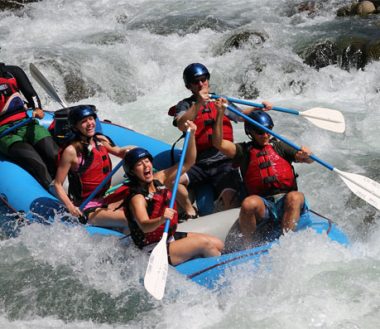
The most iconic destination in Costa Rica is reached after just a couple of hours’ drive from the capital, San Jose. Whilst there are plenty of curves and a bit of traffic to negotiate out of the city, the road trip is spectacular and a wonderful introduction not only to the country itself but also to the driving conditions and overall appeal of overland travel here. Arenal is stupendous and the whole region brimming with fantastic adventure sports like white water rafting, trekking, horseriding, kayaking and so much more. A 3-day stay would be ideal here if you have the time.
San Jose to Monteverde, 87 miles, 4 hours
The drive to the northern ethereal cloud forests of Monteverde is outstanding, as the road kisses the western coastline before ascending up into the clouds. Costa Rica’s most unique and spellbinding destination comprises virgin forests literally set on a bed of clouds, with dense wilderness and spectacular viewpoints making it difficult to stay focused on the actual driving. Take breaks, stop at every turn and soak up the magnificent scenery. With a bevy of activities on offer, with special focus on hiking, canopy tours, ziplining and hanging bridges, you’ll certainly be enticed to stay here for a couple of days, especially if you choose to spend a night on the cost in Punta Arenas.
San Jose to Manuel Antonio National Park, 85 miles, 5 hours
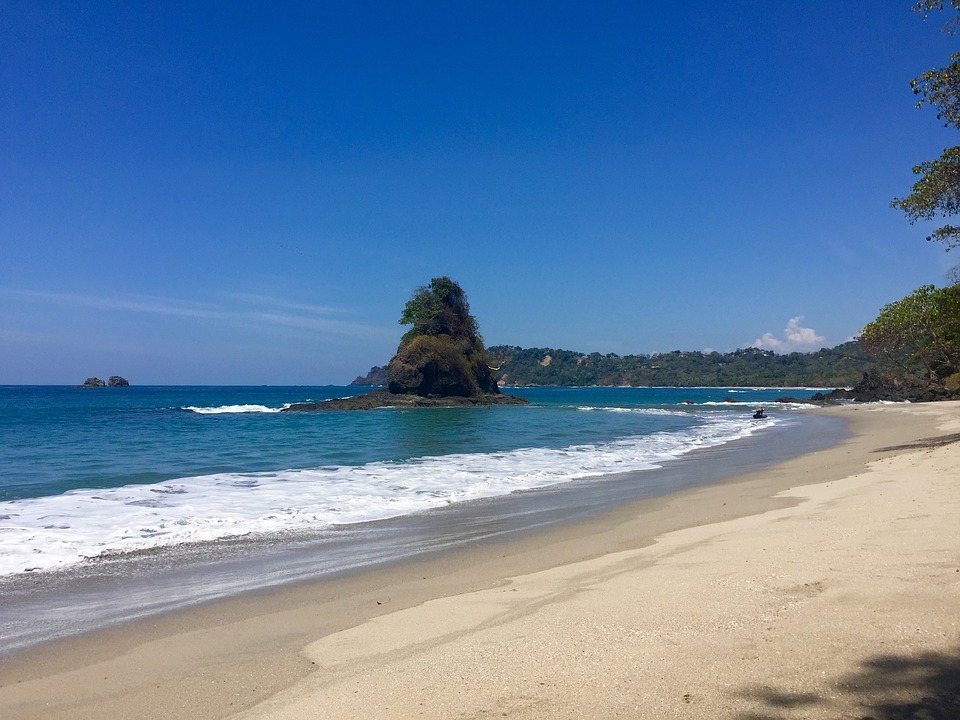
Manuel Antonio sits on the central Pacific coast and is home to some of the most visited national park land in Costa Rica. Despite being one of the smallest national parks in the country, it packs in white-sand beaches, primary rainforest, and an extraordinary density of wildlife. Squirrel monkeys, capuchin monkeys, sloths, iguanas, and scarlet macaws are all commonly spotted along the trails.
The drive down from San Jose follows the Costanera Highway, which hugs the Pacific coast for much of its southern leg. Road conditions are good and a standard sedan handles the entire route without difficulty.
Plan for at least two nights in the Manuel Antonio area. One day for the national park itself, arriving early before the crowds build, and a second day for the beaches outside the park boundary, which are quieter and free to access. The town of Quepos, just a few kilometers from the park entrance, has a solid range of restaurants and accommodation across different price points.
San Jose to Tamarindo, 160 miles, 4.5hrs
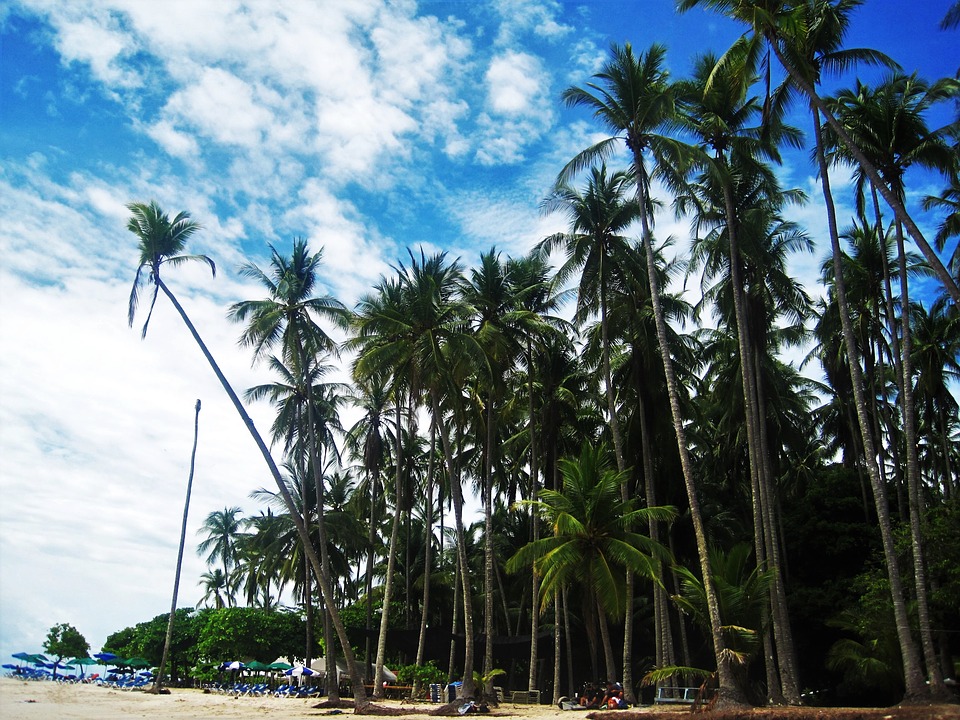 Gained your confidence on the road? Then why not tackle a cross-country drive that’ll see you first head to the coast in Punta Arenas, head northwest and into the Nicoya Peninsula, finally across to Tamarindo. This Pacific coast destination is one of Costa Rica’s most popular tourist destination so it offers a plethora of options, from accommodation to dining, activities and extras. Great shopping, plenty of yoga retreats, fine dining, excellent resorts and a myriad of sea sports are just the start. The wonderful beaches of Tamarindo are a sight to behold, especially if you stretch this road trip to a few days, spending time in the mountains first. Combine this with a visit to Monteverde and it will be a most memorable Costa Rica road trip indeed.
Best Time of Year for a Costa Rica Road Trip
Costa Rica operates on two distinct seasons. The dry season runs from November through April. The rainy season, locally called the green season, runs from May through October.
For road tripping, dry season is the more predictable choice. Unpaved roads stay firm, river crossings stay low, and the Pacific coast gets long stretches of uninterrupted sunshine. December through March is peak season, which means higher rental prices, more competition for hotel rooms, and heavier traffic on the roads heading into popular regions like Arenal and Manuel Antonio. Booking well in advance during this window is not optional, it is necessary.
The green season is an amazing time to drive. Forests look extraordinary after rain, tourism crowds thin out noticeably, and prices across rentals and hotels drop meaningfully. The practical trade-off is that unpaved roads near Monteverde and on the Nicoya Peninsula can get muddy and slick, and afternoon rain is a predictable part of each day from June onward.
Planning morning departures and using afternoons for activities at the destination works well in these months. Anyone coming specifically for wildlife will find the green season rewarding. Amphibians, insects, and birds are far more visible when the forest is wet.
The shoulder months of April to May and October to November offer a useful middle ground. Rainfall is lower than the peak green season, prices are lower than peak dry season, and the roads are in decent condition across most routes.
How Many Days Do You Need?
The four routes in this guide span roughly 500 miles of driving in total. Completing all four back to back without meaningful stops would take about 10 to 14 days and would feel rushed at either end of that range.
7 days: Two routes work comfortably in a week. Arenal and Monteverde pair well together and can be combined into a single loop before returning to San Jose. Alternatively, Arenal followed by Manuel Antonio is a popular pairing that gives a balance of volcano and Pacific coast in a manageable itinerary.
10 days: Three routes become realistic. Arenal, Monteverde, and either Manuel Antonio or Tamarindo fit into ten days with two to three nights at each stop, which is the minimum needed to actually do activities rather than just sleep and drive.
14 days: All four routes become possible with enough time at each destination to go beyond the surface-level highlights. Two weeks is the sweet spot for seeing the full circuit without feeling like every night is a hotel checkout and an early morning drive.
For travelers who want the routes without the logistics, Costa Rica Rios offers guided adventure vacation packages that cover these same corridors with activities built in at each stop.
Driving Tips for First-Timers in Costa Rica
Costa Rica roads are more manageable than most travel blogs suggest, but a few things are worth knowing before setting off.
Use Waze, not Google Maps: Google Maps underestimates travel times and occasionally routes drivers onto roads that look short on screen but involve significant unpaved sections or river crossings. Waze is the app of choice for locals and experienced travelers alike, and gives accurate real-time conditions.
Avoid driving after dark: Speed bumps, called “muertos,” are scattered throughout Costa Rica and are not always well-marked. At night, they are nearly invisible. Potholes, pedestrians, and animals on rural roads also make night driving significantly more hazardous than it sounds. Most experienced drivers in Costa Rica aim to be at the destination before sunset.
Speed bumps are everywhere: Even on paved highways near towns and school zones, speed bumps appear regularly. Hitting one at speed damages the car and creates an insurance claim conversation that no one wants. Slow down when approaching any town.
Toll roads: Costa Rica has a number of toll roads, particularly on the main routes out of San Jose. Tolls cost a small amount in colones or dollars, and toll booths accept both. Keeping small bills in the car is useful.
Road conditions change with rain: In the green season, roads that were firm in the morning can be slippery or partially flooded by afternoon. This applies particularly to unpaved sections near Monteverde and the Nicoya Peninsula. Checking conditions locally before setting off for remote legs of the trip is worth doing.
4×4 and river crossings: Some of Costa Rica’s best destinations, particularly in the south near Corcovado, require crossing rivers where no bridge exists. These crossings vary by season and recent rainfall. Never attempt an unfamiliar river crossing without local confirmation of current depth and conditions.
Fuel stations are plentiful on main routes: On more remote roads, fuel stations become sparse. Filling up before leaving any town and not waiting for the gauge to drop too low is a reliable habit to build early in the trip.
What to Eat on a Costa Rica Road Trip
Food on the road in Costa Rica does not require seeking out specialist restaurants or tourist-oriented dining. The country’s traditional “sodas,” small family-run roadside diners, serve fresh, filling meals at low prices, and they are found throughout every region on these routes.
Gallo pinto, the national dish of rice and beans cooked together with herbs and served with eggs, plantain, and tortillas, appears at breakfast at almost every soda in the country. It is filling, cheap, and a staple that holds up well as an early meal before a long drive.
Casado is the standard lunch at most sodas: a plate of rice, black beans, a protein (chicken, fish, or beef), plantain, and a small salad. It costs between three and six dollars USD at most roadside establishments and requires no reservation or advance planning.
Coffee is worth stopping for on its own merits. Costa Rica grows some of Central America’s most respected coffee, and roadside stops near the Central Valley and the cloud forest zones often sell fresh roasted bags alongside a cup to drink on the spot. The coffee grown in the Monteverde region specifically has a distinct flavor profile worth trying.
Tropical fruit stands appear along most of the routes in this guide, particularly on the Costanera Highway heading toward Manuel Antonio. Pineapple, mango, papaya, and watermelon are cut fresh and sold at low prices. These stands are worth slowing down for.
Self-drive road trips are indeed phenomenal but they aren’t for everyone. That’s why we offer an exhilarating collection of adventure vacations in Costa Rica that’ll see you explore the country’s best regions AND have an absolute blast along the way. Prefer us to be in charge of the driving? No problem! Contact us for more info and let us plan your own memorable Costa Rica road trip, with us at the wheel.
Costa Rica Road Trip: Frequently Asked Questions
Is it safe to drive in Costa Rica as a tourist?
Yes. Driving in Costa Rica as a foreign visitor is practical and well within reach for anyone comfortable driving at home. The main hazards are speed bumps on rural roads, occasional potholes, and rain affecting road conditions in the green season. Stick to daytime driving on main routes and the experience is straightforward for the vast majority of visitors.
Do you need a 4×4 for a Costa Rica road trip?
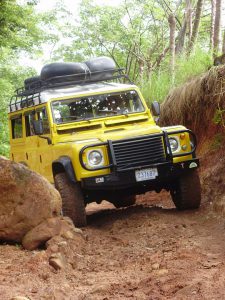
Not for every route. The Arenal, Manuel Antonio, and Tamarindo routes in this guide are fully accessible in a standard sedan. The Monteverde route benefits from higher clearance due to the rocky, steep unpaved section climbing into the cloud forest. For trips extending to the Nicoya Peninsula, the Osa Peninsula, or Corcovado, a 4×4 is strongly worth getting.
How many days do you need to road trip Costa Rica?
Seven days covers two routes comfortably. Ten days works for three routes with two to three nights at each stop. Fourteen days allows all four routes with enough time at each destination to go beyond the main attraction. Trying to fit all four routes into less than ten days results in a schedule that feels like a driving holiday rather than a travel experience.
What is the best road trip route in Costa Rica?
The San Jose to Arenal route is the most accessible starting point and the best introduction to driving in the country. The road is well-paved, the drive is scenic, and Arenal itself offers more activities per square kilometer than almost anywhere else in Costa Rica. It is a strong first-day destination and pairs naturally with Monteverde as the second stop on any extended trip.
Is it better to rent a car or take a shuttle in Costa Rica?
For trips covering multiple destinations, a rental car almost always works out better on both cost and flexibility. Shuttles between popular towns start around $30 and go above $80 for longer routes, and the costs accumulate quickly. With a car, travel days can include spontaneous stops, early arrivals at national parks, and access to beaches and viewpoints that shuttle routes do not serve. For travelers staying in a single destination for the whole trip, a shuttle is a reasonable choice.
What should you know before driving in Costa Rica for the first time?
Use Waze rather than Google Maps for accurate routing. Avoid driving after dark, particularly on rural roads. Speed bumps near towns are frequent and not always well-marked. Keep small bills for toll roads. Fill the tank whenever it drops below half on remote routes. And factor in that drive times in Costa Rica almost always take longer than the number on the map suggests, particularly when rain, road conditions, or wildlife on the road is involved.