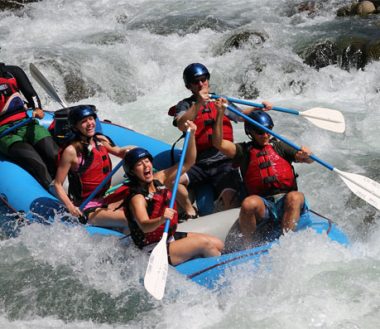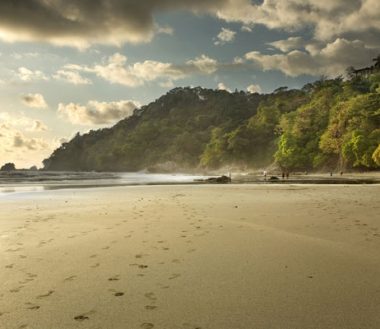

Common Costa Rica Misconceptions Busted
 From the funny to the utterly weird, the unique and the most common, you’ll be surprised to know that many first-time visitors to Costa Rica pack an abundant load of misconception along with their bathing suits and bug repellent when they visit. Whilst some are very valid (yes, you will encounter a lot of insects whilst traveling through this natural haven, even in 5* resorts) others are just downright off the mark and have the ability to turn people off visiting, which would be a colossal disservice both to the traveler and the destination.
To this end, we’ve collated the most common Costa Rica misconceptions we’ve heard over the years and busted them straight out of the warm, crystalline water.
Here are some of the most important:
Costa Rica is unsafe – MYTH!
Costa Rica is by far the safest country in Central America and one of the most idyllic for family adventure vacations. With a fervent love of children and strong family values, Ticos embrace children, all children, as if they were their own and this is one country where vacationing families finally feel like their children are valued and welcomed. Loads of fun activities, a wealth of fantastic wildlife and superb eco-lodges and resorts catering to families combine to make this a very safe and rewarding travel destination indeed.
In fact, Costa Rica is rated as one of the top 10 safest destinations in the world for women travelers. The country abolished its army in 1948, becoming one of just 23 countries globally without an active military force. Instead of spending on defense, the government redirects those funds toward healthcare, education, and environmental conservation.
Of course, petty theft can occur in tourist areas, just as it does anywhere in the world. Common sense goes a long way in keeping safe during travels. It’s recommended to keep an eye on valuables while in public places, including restaurants, on public transport, or in back pockets and bags. When heading to the beach, either leave valuables at the hotel or have someone from the group stay with belongings while others swim. These simple precautions ensure a worry-free vacation in this welcoming tropical paradise.
You can save a ton of cash by staying in all-inclusive resorts – MYTH!
The best all-inclusive resorts in Costa Rica are exceptionally good value when compared with similar places back home but that’s not to say that they are the best value here. The convenience of such resorts can’t be overstated, that’s for sure, but there are always restrictions as to how much you can eat, drink and do (most only offer inclusive non-motorized water sports, for example) so you will always have to spend extra to do, see, drink and eat more. And that little bit more will usually be offered at much higher rates than outside the resort door. Do your homework and research thoroughly when planning to stay in all-inclusive resorts: do it if they offer everything you need but don’t assume you will spend less. In most cases, you will spend more.
Here’s what many travelers don’t realize about all-inclusive packages: most resorts only serve national beverages, meaning top-shelf drinks cost extra. The majority of all-inclusive properties offer buffet-style meals for most dining, with only one à la carte restaurant meal per stay (and that’s often based on availability).
Day trips to national parks, adventure activities, or local attractions are never included in the package price. Many all-inclusives also charge additional fees for internet access and international phone usage.
When comparing costs, many visitors find that staying at boutique hotels or eco-lodges with breakfast included, then dining at local sodas (traditional Costa Rican restaurants) and booking activities independently often costs less while providing a more authentic Costa Rican experience.
Costa Rica is ‘backwards’ – MYTH!
Many first-time visitors are shocked to see how modern and avant-garde Costa Rica really is, most especially in the largest cities. With wifi, electricity, malls, sealed highways, top-notch hotels, great restaurants, fab malls and everything else you’d see back home, Costa Rica is certainly not lacking in modernity. On the contrary, the country’s fervent passion to nurture its wilderness and wildlife is a true testament to how advanced it really is. With a literacy rate in the 90% bracket, world-class healthcare, affordable education and thriving tourism sector. From zip-lining and whitewater rafting to wildlife watching tours, the country has developed world-class adventure tourism infrastructure while maintaining its environmental commitment.
The truth is even more impressive: Costa Rica boasts a literacy rate of nearly 98%, one of the highest in the Americas. The technology and services sector now accounts for approximately 75% of the country’s GDP, with major international companies like Amazon, Dell, HP, and Intel operating customer service centers and manufacturing facilities throughout the country. Intel even produces microchips at their Costa Rican plant.
In San José, the capital city, residents enjoy Uber and Uber Eats services, modern shopping malls with international brands, multiplex movie theaters showing the latest releases, and widespread smartphone usage. The country has excellent internet infrastructure, with fiber optic networks reaching many areas. Highways around major cities feature multiple lanes, and the Inter-American Highway near Liberia even boasts three lanes in some sections.
The beauty of Costa Rica lies in its ability to offer both worlds: the modern amenities and conveniences of first-world infrastructure in urban areas, while pristine, undeveloped rainforests and remote beaches remain accessible for those seeking wilderness adventures. This balance is what makes Costa Rica a progressive nation that hasn’t sacrificed its natural heritage for development.
Costa Rican food is too spicy – MYTH!
We guess it’s reasonable to assume that many think the local cuisine is similar to that of its neighboring countries. But, unlike many in the region – most especially Mexican – Costa Rican fare is much simpler and much, much milder. Locally-grown organic produce is available everywhere and food here is wholesome, delicious and enticing even to the fussiest child.
Traditional Costa Rican cuisine focuses on fresh, simple ingredients rather than complex spice blends. The national breakfast dish, gallo pinto, combines rice and beans with mild seasonings like cilantro and onion – flavorful but never fiery. Casados, the traditional lunch and dinner plates, feature rice, beans, salad, plantains, and a choice of meat or fish, all prepared with subtle seasoning that highlights the natural flavors of the ingredients.
The country’s tropical climate produces an incredible variety of fresh fruits that visitors can enjoy throughout their stay. Beyond familiar favorites like pineapple, watermelon, papaya, and mango, markets offer exotic local fruits such as mamón chino (rambutan), guanábana (soursop), cas, and maracuyá (passion fruit). Many travelers report that eating tropical fruit in Costa Rica ruins the experience back home because the flavor and freshness simply can’t compare.
Thanks to extensive coastlines on both the Pacific Ocean and Caribbean Sea, seafood features prominently in Costa Rican cuisine. Ceviche, while originally from Peru, has become a staple dish throughout Costa Rica, with fresh fish or shrimp marinated in citrus and mixed with cilantro, onions, and peppers. Popular beaches like Manuel Antonio and Tamarindo feature excellent restaurants serving fresh seafood alongside traditional Costa Rican fare.
Whole fried fish, grilled mahi-mahi, and octopus are commonly found on menus near coastal areas. Restaurants and supermarkets maintain fairly high food safety standards, and contrary to outdated advice, it’s perfectly safe to eat raw vegetables and fresh fruit in Costa Rica. Most establishments serve fresh-squeezed orange juice, and the produce available at farmers markets and grocery stores can be consumed after a simple wash, just as one would anywhere else.
It doesn’t rain in dry season in Costa Rica – MYTH!
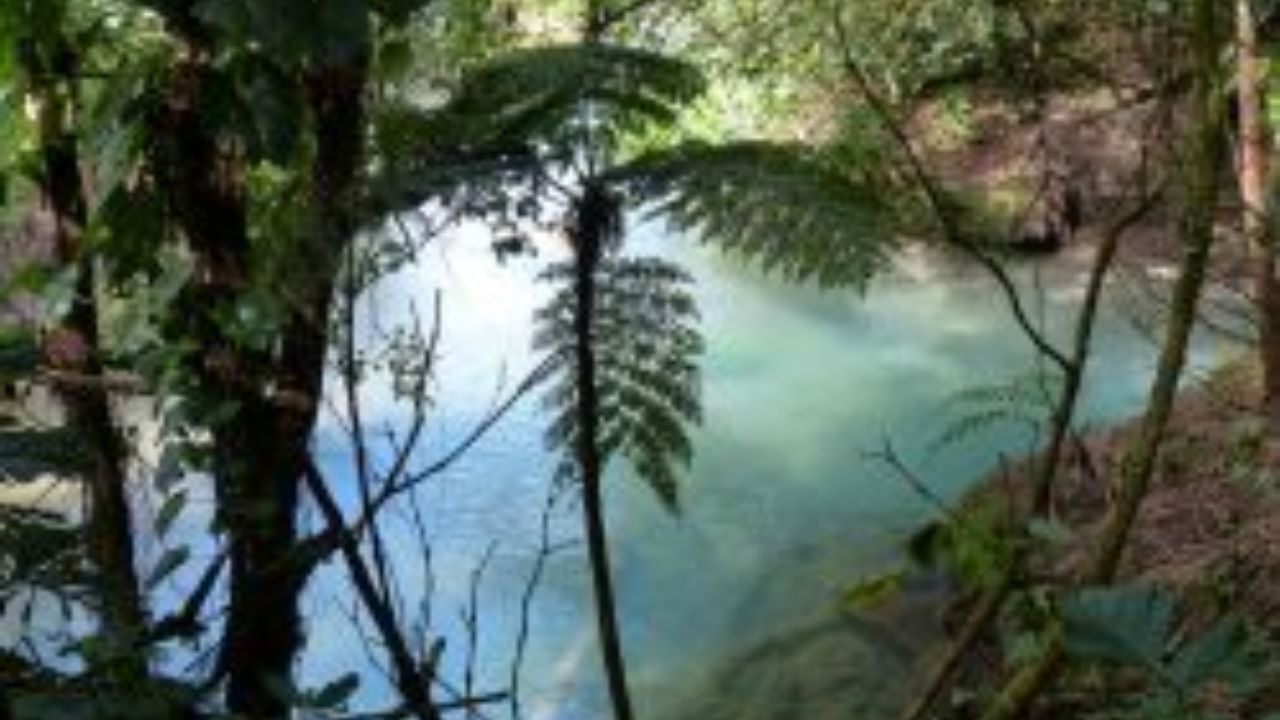 It may certainly rain a lot LESS in Costa Rica during the dry season but this luscious country with abundant rain forests didn’t get to be so verdant and fertile by suffering droughts for months on end, every year. Always pack a rain jacket and always expect a short but refreshing downpour, no matter where you go and no matter what time of year you visit.
Understanding Costa Rica’s weather requires knowledge of the country’s 26 distinct microclimates. The Pacific coast experiences dramatic seasonal changes, with the dry season (December through April) bringing mostly sunny weather with occasional afternoon showers. However, the rainy season (May through November), also called the “green season,” doesn’t mean constant rain. Typically, mornings are sunny, with afternoon tropical showers lasting 1-3 hours before clearing up for beautiful evenings.
The Caribbean side of the country follows an almost opposite pattern. While the Pacific coast enjoys its driest months from December to April, the Caribbean slope receives more consistent rainfall year-round. In fact, if there were a “dry season” for the eastern Caribbean coast, it would be September and October – the very months when the Pacific side receives its heaviest rainfall.
High-elevation areas like Monteverde, Poás Volcano, and the Central Valley mountains experience their own unique weather patterns. These cloud forest regions can be quite cool and misty throughout the year, with temperatures in the high 50s to low 60s Fahrenheit during the dry season, dropping even lower during the rainy season, especially when combined with wind.
Travelers visiting during the green season often discover unexpected advantages: fewer crowds at popular attractions, significantly lower hotel rates, lush green landscapes at their most vibrant, more active wildlife, and spectacular waterfall displays. Popular destinations like Arenal and Monteverde are particularly beautiful during the green season when waterfalls are at their most spectacular.
The key is packing appropriately with a quality rain jacket or poncho, a dry bag or two for electronics and valuables, and a compact umbrella. Many seasoned Costa Rica travelers embrace the afternoon showers as part of the authentic tropical experience.
All Costa Ricans look the same – MYTH!
Costa Rica’s population reflects centuries of diverse immigration and cultural mixing. The country has welcomed waves of immigrants from Europe (particularly Spain, Italy, and Germany), China, Jamaica and other Caribbean islands, Nicaragua, and indigenous communities that predate colonization.
The Caribbean coast, especially around Puerto Viejo and Limón, has a strong Afro-Caribbean culture with roots in Jamaican immigration during the late 1800s. These communities brought their own language (Caribbean English Creole), music (calypso and reggae), and cuisine (rice and beans cooked in coconut milk, known locally as rice and beans rather than gallo pinto).
The Central Valley and Guanacaste regions show more European influence, while areas like Talamanca maintain indigenous populations including the Bribri and Cabécar peoples. This ethnic diversity means travelers will encounter Costa Ricans with blonde hair and blue eyes, dark skin and curly hair, Asian features, and every combination in between.
This melting pot extends to cultural celebrations, culinary traditions, and linguistic variations throughout the country, making Costa Rica far more culturally diverse than many visitors expect.
Blonde, redheads, white skin or black: Ticos come in all shapes, sizes and skin colors due to the long-held immigration influx which has created an absolute melting pot of ethnicities, cultures and cuisines. It’s one of the main reasons why Costa Rica is such a fascinating and enticing country to visit.
You can’t flush toilet paper in Costa Rica – TRUE!
Ok, so here’s a myth we can’t (and would never want to) bust. The country’s plumbing was never built to accommodate for excessive amount of toilet paper and, since many systems are septic or composting, you’ll find ‘toilet paper bins’ in every toilet stall, all over the country. So…do the right thing…and pop it in the bin!
This practice applies throughout Costa Rica, from luxury resorts to budget hostels, restaurants to national parks. The plumbing infrastructure, much of which was installed decades ago, features narrower pipes than North American or European systems. Additionally, many properties, especially in rural and beach areas, use septic tanks or environmentally-friendly composting systems that cannot process toilet paper effectively.
Small waste bins are provided next to every toilet, and they’re emptied regularly to maintain hygiene. While this might seem unusual to first-time visitors, it quickly becomes second nature. Following this simple rule helps protect Costa Rica’s wastewater systems and prevents plumbing emergencies that could disrupt vacation plans.
Costa Rica is only about beautiful beaches- MYTH!
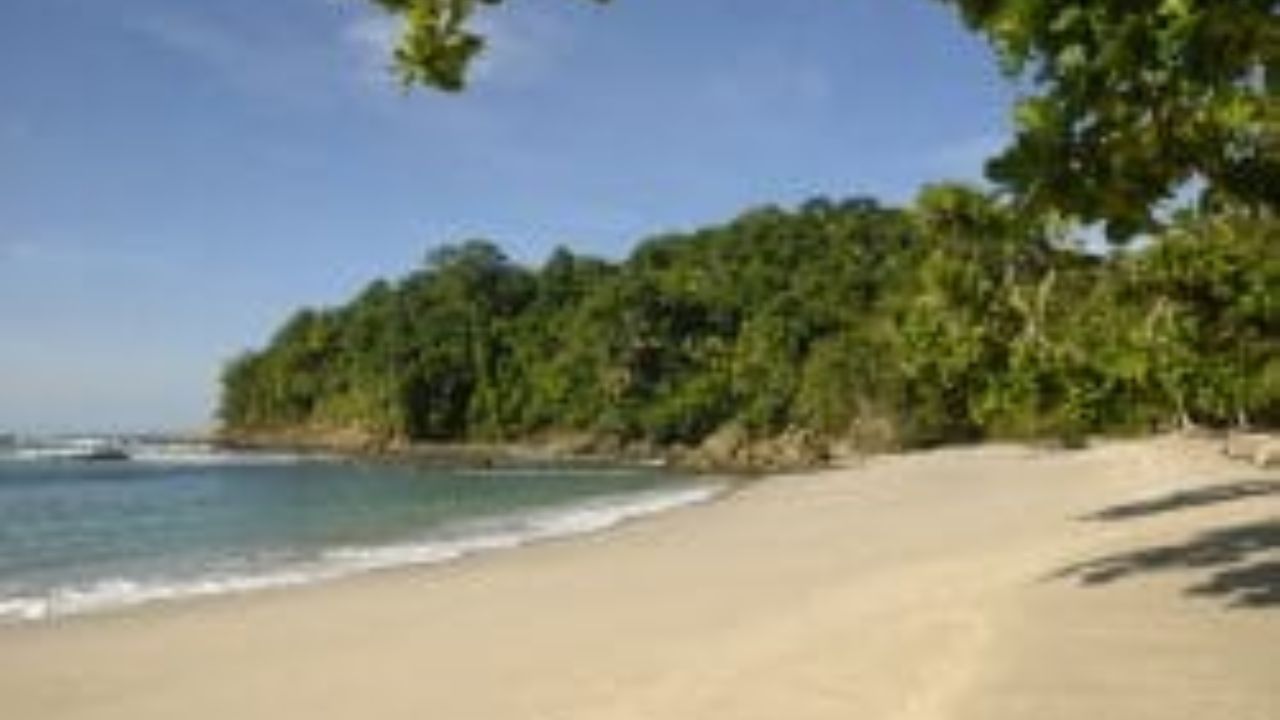 The country’s beaches are worthy of all the accolades bestowed but if you think all there is to this superlative country are endless stretches of pristine shores then you will be immensely surprised. A maze of almost 30 national parks combines to protect one of the highest concentrations of biodiversity on earth, with active volcanoes, raging rivers, sparkling lakes and several types of tropical forests all harboring a mind-boggling array of unique and endemic wildlife. On an adventure vacation to Costa Rica you could certainly enjoy a few days at the beach but you can also zip line, whitewater raft, kayak, mountain bike, hike, soak in thermal springs and go wildlife spotting galore. There is just SO much to see and do here…and enjoying the stellar beaches is just one small (yet delightful) component of any visit.
While Guanacaste’s northwest Pacific beaches like Tamarindo, Nosara, and the Papagayo Peninsula are incredibly beautiful and popular with visitors, the South Caribbean coast offers an entirely different beach experience.
Puerto Viejo, Cahuita, and Manzanillo feature jungle-lined beaches with a laid-back Afro-Caribbean vibe, excellent snorkeling among coral reefs, and boutique accommodations that blend into the forest canopy. Visitors can beach-hop by bicycle, learn to surf consistent Caribbean waves, and enjoy fresh coconut water straight from the tree.
Beyond beaches, Costa Rica protects approximately 5% of the world’s total biodiversity within its small borders. The Osa Peninsula alone contains 2.5% of global biodiversity, making Corcovado National Park one of the most biologically intense places on Earth according to National Geographic.
Visitors have the opportunity to see four species of monkeys, two types of sloths, scarlet macaws, toucans, poison dart frogs, sea turtles, dolphins, humpback whales, jaguars, tapirs, and thousands of other species.
The country’s varied elevations create multiple ecosystems within short distances: lowland rainforests, premontane forests, cloud forests, páramo highlands, mangrove swamps, and dry tropical forests. This incredible diversity means visitors can experience vastly different environments and wildlife within a single trip.
In Costa Rica, it’s easy to rent a scooter and tour around independently – MYTH!
Possible? Sure! Easy? Not quite! Photos of Ticos getting around on their scooters have led many to believe that anyone can just visit and follow suit. But fact is, between the winding roads, long distances and sporadic traffic, getting around on a scooter – for foreigners – can be dangerous, most especially if you’re not an experienced motorbike rider. Costa Rica is certainly not the kind of country you come to learn that skill. Many roads in the country are narrow and steep and boast no shoulder protection at all so unless you’re a seasoned professional (ie. born here) best leave that option alone.
Costa Rica’s mountainous terrain creates roads that twist and turn dramatically, often with steep inclines and sudden descents. Many routes feature no guardrails, inconsistent road conditions, and surprising potholes even on major highways. Distances that appear short on a map can take hours to traverse due to these conditions.
Additionally, driving culture in Costa Rica differs significantly from North America or Europe, with passing maneuvers on blind curves and varying speeds that require local knowledge to navigate safely.
For those set on two-wheeled exploration, many destinations offer bicycle rentals for beach towns and flat areas, while guided ATV tours provide thrilling adventures on appropriate terrain with safety equipment and experienced leaders. Golf carts are available in beach communities like Playa Flamingo and provide a safer alternative for local exploration.
You can fly to Costa Rica with just your driver’s license as ID – MYTH!
It’s been many, many years since North Americans were able to get in and out of Costa Rica without a passport yet, somehow, this misconception still lingers. Those days are well and truly gone so, in order to avoid disappointment, renew your passport!
Decades ago, U.S. citizens could indeed enter Costa Rica with just a valid driver’s license – a fact that seems almost unbelievable in today’s security-conscious world. However, post-9/11 international travel regulations changed everything. Even if somehow possible to enter Costa Rica without a passport (which it isn’t), travelers wouldn’t be permitted to re-enter their home country without proper documentation.
All international visitors to Costa Rica now require a passport valid for at least six months beyond their planned departure date. Citizens of most countries including the United States, Canada, United Kingdom, and European Union nations receive a 90-day tourist visa upon arrival at no charge.
Another common misconception is that an international driver’s license is required to rent a car in Costa Rica. This is false. A standard valid driver’s license from the U.S., Canada, Europe, or most other countries is perfectly acceptable for driving in Costa Rica as long as the tourist visa remains valid.
Costa Rica is an island – MYTH!
Given the above-mentioned misconception about our beaches it’s also understandable to know that many think of Costa Rica as just one colossally beautiful island. But alas…it is not! Connected by land to Nicaragua in the north and Panama in the south, Costa Rica is part of that isthmus neck that joins North and South America. Framed by the Pacific Ocean on the west and the Caribbean on the east, the country does boast a mind-boggling stretch of coastline but it is, indeed, quite attached.
This misconception likely stems from confusion with Puerto Rico, a Caribbean island and U.S. territory. Many people mistakenly mix up the two destinations. To be absolutely clear: Costa Rica is not an island, not part of South America, and definitely not a territory of the United States. It is an independent, democratic republic located in Central America.
Costa Rica gained its independence from Spain on September 15, 1821, sharing this Independence Day with Guatemala, El Salvador, Honduras, and Nicaragua – all of which became free from Spanish colonial rule on the same date. The country has maintained its sovereignty and democratic government for over 200 years, with peaceful transitions of power and a stable political system that’s remarkable in the region.
The country’s location on the Central American isthmus that connects North and South America has profound ecological significance. When this land bridge formed approximately 3 million years ago, it allowed species from both continents to migrate and intermingle, creating one of the most biodiverse regions on the planet.
Costa Rica is cheap to travel – MYTH!
One of the most persistent misconceptions about Costa Rica is that it offers budget travel prices similar to other Central American countries. In reality, Costa Rica is one of the most expensive countries in Central and Latin America, with costs more comparable to Hawaii than to neighboring Honduras or Nicaragua.
Several factors contribute to Costa Rica’s higher costs. The country imposes significant taxes on imported goods, including many food items, electronics, and vehicles. Gasoline prices hover around $6 USD per gallon. Insurance requirements are strict and expensive. The successful tourism industry has driven up prices in popular destinations, creating a market that can sustain higher rates.
However, budget travel in Costa Rica remains entirely possible with proper planning. Staying in local sodas (small family-run restaurants) instead of tourist restaurants can cut food costs dramatically.
A typical casado lunch at a soda costs $5-8 USD compared to $15-25 at a tourist restaurant. Choosing small hotels or hostels over resorts, using public buses instead of private shuttles, and visiting during green season (May through November) all significantly reduce expenses.
Many travelers find that while Costa Rica isn’t cheap, the exceptional value in terms of safety, infrastructure, English language support, and quality of experiences justifies the higher costs compared to other Central American destinations.
Small country means short driving times – MYTH!
Looking at a map of Costa Rica, the compact size might suggest quick and easy drives between destinations. This assumption leads many first-time visitors to over-plan their itineraries, expecting to cover large portions of the country in minimal time. The reality is quite different.
Costa Rica’s mountainous terrain creates a road system of winding, narrow routes that follow the natural contours of the landscape. What appears as 60 kilometers on a map might require 2-3 hours of driving. The average driving speed throughout most of Costa Rica is approximately 50 kilometers per hour, far slower than highway speeds in flatter countries.
Road conditions vary dramatically, from well-paved highways near San José to rough gravel roads requiring four-wheel drive in areas like Monteverde, the Osa Peninsula, and parts of the Nicoya Peninsula. Guardrails and reflectors are sporadic, even on main routes. Sudden potholes appear without warning, and livestock or wildlife might be encountered on roads through rural areas.
The classic example is Monteverde to Arenal; destinations that appear close together on a map (about 35 kilometers as the crow flies) but require 3-4 hours of driving around Lake Arenal on winding mountain roads. Similarly, San José to Manuel Antonio, roughly 130 kilometers, takes 3-4 hours despite being on relatively major roads.
Experienced travelers to Costa Rica recommend limiting driving to 2-3 hours per day maximum and staying multiple nights in each destination rather than attempting to cover the entire country in a week.
Domestic flights save time in Costa Rica – MYTH!
While domestic flights might seem like an efficient way to cover distances in Costa Rica, the reality often tells a different story. With limited routes, frequent delays, weather cancellations, and the logistics of getting to and from small regional airports, flying domestically rarely saves significant time.
Consider the full process: driving to the domestic airport, arriving an hour early for check-in, waiting for the flight (which may be delayed), flying the route, retrieving luggage, then driving from the destination airport to the final hotel. For many routes, this total time equals or exceeds the driving time, especially when factoring in the higher likelihood of delays on small aircraft affected by afternoon weather patterns.
Domestic flights are particularly risky on arrival and departure days. If an international flight arrives late and causes a missed domestic connection, airlines typically treat this as a no-show, forfeiting the ticket cost. Similarly, domestic flights are notorious for delays and cancellations due to weather. Flying on a departure day risks missing international connections, potentially requiring an expensive last-minute hotel near the airport and rebooking international flights.
The most practical routes for domestic flights are San José to Drake Bay or Puerto Jiménez (Osa Peninsula), where road access is extremely difficult, and San José to Tortuguero, which has no road access at all. For most other destinations, ground transportation proves more reliable and often more economical.
Everyone in Costa Rica speaks English – MYTH!
While English is more widely spoken in Costa Rica than in many Latin American countries, assuming everyone speaks English can lead to communication challenges, especially outside major tourist areas. Spanish is the official and primary language of Costa Rica, and travelers who rely solely on English will find themselves limited in certain situations.
In popular tourist destinations like Tamarindo, Manuel Antonio, Arenal, and Monteverde, most people working in tourism; hotel staff, tour guides, restaurant servers; speak functional English. San José, as the capital and hub for international business, has many English speakers, particularly among younger, educated professionals working in the technology sector.
However, venture into rural areas, small towns, or local neighborhoods, and English proficiency drops dramatically. Attempting to order food at a neighborhood soda shop, ask directions from a bus driver, or seek help at a local mechanic shop will likely require basic Spanish. Even in tourist areas, not all locals speak English – maintenance staff, cleaning crews, and family-run businesses often don’t.
Learning basic Spanish phrases goes a long way in Costa Rica. Ticos genuinely appreciate the effort, and even butchered Spanish delivered with a smile will be met with patience and encouragement. Essential phrases include greetings, thank you, please, basic food terms, and numbers. The most important phrase to learn might be “Pura Vida” – the national motto that serves as hello, goodbye, thank you, you’re welcome, how are you, and life philosophy all in one.
You will get malaria in Costa Rica – MYTH!
Medical concerns about mosquito-borne diseases in Costa Rica are often overstated or misdirected. Costa Rica has virtually eliminated malaria, with only 67 reported cases in 2019, most of them imported from neighboring countries rather than contracted locally. The country’s successful public health programs, mosquito control efforts, and developed healthcare infrastructure have made malaria a non-issue for the vast majority of travelers.
However, dengue fever presents a more realistic concern, with 8,179 cases reported in 2019. Dengue-carrying mosquitoes are present throughout the country, particularly in lower elevations and coastal areas. While most dengue cases resolve with rest and hydration, the illness can be quite uncomfortable with high fever, severe headache, and joint pain that has earned it the nickname “breakbone fever.”
The most effective prevention is mosquito avoidance: wearing long sleeves and pants during dawn and dusk when mosquitoes are most active, using insect repellent containing DEET or picaridin, and staying in accommodations with screens or air conditioning. Unlike malaria-carrying mosquitoes that bite at night, dengue mosquitoes are daytime biters, making midday protection equally important.
Travelers should also pack quality sunscreen, as Costa Rica’s position just 8-12 degrees from the equator means intense sun exposure even on cloudy days. The combination of mosquito repellent and sunscreen (apply sunscreen first, repellent second) keeps travelers protected and comfortable.
There are shark attacks in Costa Rica – MYTH!
Despite having extensive coastlines on both the Pacific Ocean and Caribbean Sea, shark attacks in Costa Rica are extraordinarily rare. Unlike coastal areas in Hawaii, Florida, or Australia where shark encounters make regular headlines, Costa Rica experiences almost no shark attacks. In fact, it’s more common to hear about crocodile attacks (which themselves are quite uncommon) than shark incidents.
The waters off Costa Rica do contain various shark species, and divers at Cocos Island – a remote diving destination several hundred miles offshore – regularly encounter hammerhead sharks, whale sharks, and other species. However, these encounters are sought-after wildlife experiences rather than dangerous situations.
The more relevant water safety concerns in Costa Rica relate to rip currents at Pacific coast beaches. The strong currents can catch even experienced swimmers off guard. Beaches in Costa Rica rarely have lifeguards, and warning flag systems are not consistently used. Asking locals about current conditions, swimming only at beaches with gentle waves, and understanding how to escape a rip current (swim parallel to shore, not against the current) are essential safety measures.
All Costa Ricans are farmers – MYTH!
The image of Costa Rica as a primarily agricultural nation is decades out of date. While agriculture remains visible and important, particularly coffee production in the Central Valley and banana plantations in the Caribbean lowlands, farming now represents only about 5.5% of the country’s GDP.
The technology and services sector dominates Costa Rica’s modern economy, accounting for approximately 75% of GDP. San José hosts customer service centers, software development companies, and manufacturing facilities for international corporations including Amazon, Dell, Hewlett-Packard, and Intel. The country’s educated, bilingual workforce and stable political environment have made it an attractive nearshore location for North American companies.
Tourism contributes approximately 8% of GDP and employs hundreds of thousands of Costa Ricans in hotels, restaurants, tour operations, and related services. Many young Costa Ricans pursue careers in tourism, technology, medicine, engineering, and other professional fields rather than agriculture.
While only about 10% of the country’s land is devoted to agriculture, those farms produce some of the world’s finest coffee, along with bananas, pineapples, sugar cane, and tropical fruits for export. The shift away from agricultural dominance hasn’t diminished Costa Rica’s agricultural expertise; it has simply diversified the economy.
Mexican and Costa Rican culture are the same – MYTH!
Many first-time visitors arrive in Costa Rica expecting an experience similar to Mexico, only to discover that the two countries share far less in common than their Spanish-speaking heritage might suggest. The differences span language, food, cultural practices, and historical development.
Costa Rican Spanish differs significantly from Mexican Spanish in pronunciation, vocabulary, and common expressions. Where Mexicans might say “ándale” or “órale,” Costa Ricans use “pura vida” and “tuanis.” Costa Ricans speak with a distinct accent, often dropping ‘s’ sounds and using unique diminutives with “-ico” and “-ica” endings (hence the nickname “Ticos” for Costa Ricans). Regional idioms and slang vary so much that even native Spanish speakers notice immediately which country someone is from.
The food culture presents even starker contrasts. Mexican cuisine is renowned worldwide for its complex spice blends, chili peppers, moles, and bold flavors. Costa Rican food is notably milder and simpler, focusing on fresh ingredients with gentle seasoning. A Mexican taco bears almost no resemblance to a Costa Rican taco; the latter more closely resembles a taquito, rolled and fried rather than soft and folded. Gallo pinto, casados, and coconut rice and beans from the Caribbean coast represent Costa Rican staples that have no Mexican equivalent.
Cultural practices also differ significantly. Costa Rica’s abolition of its military, strong environmental conservation ethic, and social democratic political history create a national identity quite distinct from Mexico’s. The countries’ colonial histories, indigenous influences, and modern development paths have produced two unique cultures that happen to share a language.
Manuel Antonio is the best place for wildlife – MYTH!
Manuel Antonio National Park certainly ranks among Costa Rica’s most visited parks for good reason; the wildlife is abundant, relatively easy to spot, and the beaches within the park are spectacular. White-faced capuchin monkeys, two-toed and three-toed sloths, raccoons, iguanas, and countless birds can often be seen in a single visit.
The combination of accessible wildlife viewing and stunning coastal scenery makes Manuel Antonio an excellent introduction to Costa Rica’s natural wonders.
However, serious wildlife enthusiasts should look further south. The Osa Peninsula contains 2.5% of the entire world’s biodiversity packed into a relatively small area. Corcovado National Park, accessible primarily from Drake Bay or Puerto Jiménez, offers wildlife experiences that Manuel Antonio simply cannot match.
Four species of monkeys (howler, spider, white-faced capuchin, and squirrel monkeys), all five species of Costa Rica’s wild cats including jaguars, Baird’s tapirs, giant anteaters, and hundreds of bird species including scarlet macaws inhabit Corcovado’s pristine rainforests.
The Osa Peninsula requires more effort to access – many lodges can only be reached by boat or small plane – but that remoteness is precisely what keeps the ecosystem so pristine. Drake Bay offers world-class diving and snorkeling around Caño Island, while the rainforest trails provide opportunities to see wildlife that has disappeared from more accessible areas.
For travelers seeking a balance between accessibility and wildlife diversity, areas like Tortuguero National Park on the Caribbean coast, Sarapiquí, and the Pacuare River region offer excellent wildlife viewing with fewer crowds than Manuel Antonio.
Cloud forests only exist in Monteverde – MYTH!
Monteverde Cloud Forest Reserve has achieved international fame for its incredible biodiversity, suspended bridges, and zip line tours through the canopy. The area rightfully deserves its reputation as a world-class cloud forest destination. However, Monteverde’s popularity means crowds during peak season, particularly from December through April when trails and attractions can feel congested.
Several lesser-known regions offer equally spectacular cloud forest experiences with far fewer visitors. The highland areas of Dota, Tarrazú, and Savegre, located in the Talamanca mountain range south of San José, feature lush cloud forests intersected by rushing rivers and dramatic waterfalls.
These areas provide prime habitat for the resplendent quetzal, one of the most sought-after bird species in Central America, along with countless other highland bird species rarely seen at lower elevations.
Los Quetzales National Park and private reserves around San Gerardo de Dota offer well-maintained hiking trails through cloud forest at elevations where cool temperatures and persistent mist create ideal conditions for moss-covered trees, colorful bromeliads, and unique highland flora. The region is also renowned for producing some of the world’s finest coffee, with farms offering tours that combine ecological education with coffee tasting.
Other cloud forest alternatives include Bajos del Toro near Poás Volcano, the highlands above San Ramón, and portions of Rincón de la Vieja’s higher elevations. These areas provide the quintessential cloud forest experience; dripping moss, otherworldly fog, unique wildlife; without the crowds that can diminish the sense of wilderness in Monteverde.
Hot springs only exist in La Fortuna/Arenal – MYTH!
The thermal hot springs surrounding Arenal Volcano have become synonymous with the Costa Rican hot springs experience. The area offers everything from luxurious resort hot springs with swim-up bars and waterfalls to more rustic, natural river pools where thermal water mixes with cool streams. After a day of adventure activities, soaking in mineral-rich hot springs while gazing up at the volcano is undeniably magical.
Yet thermal activity occurs in several volcanic regions throughout Costa Rica. Rincón de la Vieja National Park in Guanacaste province features hot springs, bubbling mud pots, and fumaroles around the active volcano.
However, there’s an important caveat: the Guanacaste lowlands where Rincón de la Vieja is located experience daytime temperatures in the mid-90s Fahrenheit. Soaking in hot springs when the air temperature is already sweltering can be uncomfortable rather than relaxing, making early morning or evening visits necessary.
The Miravalles Volcano area, also in Guanacaste, offers thermal experiences including hot spring spas and mud baths at more accessible temperatures. The area is less developed than Arenal, providing a quieter, more local experience.
Orosi Valley, approximately one hour south of San José near Cartago, features thermal springs at pleasant elevations where cooler air temperatures make the hot water more enjoyable. The area makes an excellent stop for travelers heading from the Central Valley toward the Caribbean coast or southern Pacific regions.
The key differences between these locations come down to air temperature, surrounding scenery, and level of tourism development. Arenal remains the most developed and accessible option, while alternatives offer opportunities for those seeking less crowded thermal experiences.
All adventure activities are in Arenal – MYTH!
Arenal and La Fortuna have earned the reputation as Costa Rica’s adventure capital through sheer variety: zip lining, whitewater rafting, canyoning, waterfall rappelling, horseback riding to La Fortuna waterfall, mountain biking, stand-up paddleboarding on Lake Arenal, kayaking, and hiking on the volcano trails. The concentration of adventure activities, combined with excellent tourism infrastructure and spectacular volcano views, makes Arenal an adventure lover’s paradise.
However, adventure enthusiasts should also consider Turrialba, a region in the Cartago province that remains largely unknown to international visitors. Turrialba is home to the Pacuare River, consistently ranked among the top ten whitewater rafting rivers in the world. The multi-day rafting trips through the Pacuare canyon, staying at riverside lodges accessible only by raft, offer an adventure experience unmatched anywhere in Costa Rica.
The Turrialba Volcano, active and occasionally restricting access, adds dramatic volcanic scenery to the region. Waterfall rappelling, horseback riding through coffee plantations, mountain biking through rural countryside, and hiking in pristine forests provide adventure options for every interest level.
The Caribbean coast offers its own unique adventure opportunities: surfing at Puerto Viejo and Cahuita, snorkeling and diving in coral reefs at Cahuita National Park and Manzanillo, kayaking through Tortuguero’s canals, and jungle hiking with completely different wildlife than the Pacific slope.
The Osa Peninsula and Drake Bay area provide adventure with a wilderness edge: multi-day treks through Corcovado National Park, ocean kayaking with dolphins, diving at Caño Island, and wildlife experiences that feel genuinely remote and wild.
Costa Rica has paved roads everywhere – MYTH!
Costa Rica does have paved roads, including sections of modern highway that would look at home in any developed country. The Inter-American Highway through Guanacaste features three lanes in some areas, smooth pavement, and even occasional passing lanes. Major routes connecting San José to Jacó, San José to Limón, and San José to the Nicaraguan border are generally well-maintained paved roads.
However, many popular tourist destinations require travel on unpaved roads or roads in varying states of disrepair. The route from the highway to Monteverde is famously rough – 35 kilometers of winding gravel road with potholes, rocks, and extremely steep sections that require high clearance and often four-wheel drive. The roads to Santa Teresa and other beaches on the Nicoya Peninsula’s southern tip similarly require 4WD, especially during the rainy season.
Throughout the Osa Peninsula, road conditions range from rough gravel to muddy tracks where river crossings might be necessary. Even the main road to Puerto Jiménez can be challenging during heavy rains. Roads through rural agricultural areas, including coffee plantations in the Central Valley and areas around Turrialba, often consist of gravel or dirt surfaces.
Additionally, even paved roads in Costa Rica can have surprising potholes, sections where pavement has washed away, and areas where road shoulders simply don’t exist. Guardrails are present on some dangerous curves but absent on many others where they would seem essential. Driving at night is strongly discouraged until gaining familiarity with road conditions, as animals, potholes, and unexpected obstacles can appear without warning.
Travelers planning to rent a car should carefully research road conditions to their destinations and rent an appropriate vehicle. Many routes truly do require four-wheel drive and high clearance, while others can be managed with a standard sedan.
Car rentals are cheaper than private transfers – MYTH!
Looking at base car rental rates, it might seem like renting a car would cost less than booking private transfers between destinations. However, the true cost of renting a car in Costa Rica includes several factors that tourists often don’t anticipate until arriving at the rental counter.
Mandatory liability insurance is required by law in Costa Rica and cannot be waived or substituted with coverage from home country insurance or credit cards. This mandatory insurance typically costs as much or more per day than the base rental rate itself. A car advertised at $30 per day might actually cost $65-75 per day with required insurance included.
Gas prices in Costa Rica hover around $6 USD per gallon, significantly higher than North American prices. A week of driving can easily consume $100-200 in fuel depending on distances traveled. Toll roads, while reasonable, add additional costs for highway use.
Parking fees apply in most cities, at many hotels (especially in beach towns), and at popular attractions. Finding parking can be challenging in busy areas. Security concerns mean leaving items visible in the car is risky, requiring extra vigilance.
Compare these cumulative costs to private transfers: a company provides door-to-door service with no navigation stress, no concern about road conditions or potholes, no parking fees, no gas costs, and the ability to relax and enjoy scenery rather than focusing on driving. Drivers are familiar with routes, road conditions, and can provide information about areas along the way.
For travelers visiting 2-3 destinations over a week or two, private transfers often cost similarly to or less than car rental when all factors are included, while eliminating the stress and responsibility of driving.
It’s never cold in Costa Rica – MYTH!
The image of Costa Rica as an eternally warm tropical paradise is only partially accurate. While coastal areas and lowland regions do maintain warm to hot temperatures year-round, the country’s dramatic elevation changes create 26 distinct microclimates, some of which can be genuinely chilly.
High-elevation areas like Monteverde (approximately 1,400 meters elevation), Poás Volcano (2,708 meters), San Gerardo de Dota (2,200 meters), and the Turrialba highlands all experience cool to cold temperatures, especially during the dry season (December through April) and at night. Temperatures in these regions can drop to the high 40s or low 50s Fahrenheit (9-12° Celsius), and when combined with wind and mist, it can feel quite cold.
Rainy season brings even cooler temperatures to highland areas. The combination of rain, wind, and elevation means long pants, sweatshirts or light jackets, and closed-toe shoes become essential rather than optional. Many lodges in Monteverde and other highland areas provide blankets and even fireplaces for evening comfort.
Even in the Central Valley where San José is located (at about 1,200 meters elevation), mornings and evenings can be cool during the dry season, with temperatures in the mid-60s Fahrenheit (17-19° Celsius). Locals bundle up in jackets during these “cold” periods, though visitors from temperate climates might find the weather quite pleasant.
Travelers heading to cloud forest regions, volcano areas, or highland destinations should pack layers: lightweight long pants, a fleece or sweater, a rain jacket that can double as wind protection, and maybe even wool socks. The key is versatility; mornings might be chilly, afternoons warm, and evenings cool again.
You don’t need a guide for tours in Costa Rica – MYTH!
The appeal of exploring Costa Rica independently is understandable – the freedom to set your own schedule, the adventure of discovering things yourself, and the potential cost savings all seem attractive. For certain activities and locations, independent exploration works wonderfully: walking through small beach towns, visiting some accessible waterfalls, or enjoying beaches.
However, for wildlife viewing, rainforest hikes, and many adventure activities, professional guides make an extraordinary difference in the quality of experience. Costa Rican naturalist guides undergo rigorous training and certification. They’ve spent years – often their entire lives – learning the ecosystems, animal behaviors, and natural history of their regions.
Wildlife in Costa Rica is remarkably well camouflaged. A sloth sleeping in a tree looks like a clump of leaves. A motionless lizard blends perfectly with bark. A colorful poison dart frog the size of a thumbnail sits hidden among leaf litter.
Guides spot these animals by first hearing them; identifying species by calls, songs, or movement sounds; then knowing exactly which type of tree or habitat to scan. What might appear to an untrained eye as empty forest reveals itself to be teeming with life when an expert points out what to look for.
Beyond spotting wildlife, guides ensure safety in unfamiliar environments. They know which snakes are venomous and which are harmless, where trails become dangerous during rain, how to avoid aggressive insects, and what to do if encountering larger animals. They provide a fascinating natural history context that transforms a walk in the forest from “looking at trees and animals” into understanding complex ecological relationships.
For adventure activities like whitewater rafting, canyoning, zip lining, or climbing waterfalls, professional guides are essential for safety. These activities carry inherent risks that proper equipment, training, and experience mitigate. The seemingly high cost of guided tours often includes safety equipment, insurance, transportation, and expertise that would be impossible to replicate independently.
Many tour companies now employ local guides from communities near national parks and reserves, meaning guide fees directly support local families and provide economic incentive for conservation. This sustainable tourism model helps protect the very ecosystems and wildlife that visitors come to experience.
Fancy busting some common Costa Rica misconceptions for yourself? Why not come discover this perfect paradise we call home? Visit our CostaRicaRios Adventure Vacation page and see for yourself how fun, safe, rewarding and utterly unforgettable a trip to Costa Rica can be!
Frequently Asked Questions
Is Costa Rica safe for tourists and families?
Yes, Costa Rica is the safest country in Central America and ranked among the top 10 safest destinations worldwide for travelers. The country has no military, low violent crime rates, and a welcoming culture. Standard travel precautions like watching valuables at beaches and in crowded areas are recommended, just as anywhere else.
Do I need to speak Spanish to visit Costa Rica?
No, you don’t need to speak Spanish, but it’s helpful. English is widely spoken in tourist areas like Arenal, Manuel Antonio, and Tamarindo, as well as in San José. However, in rural areas and small towns, Spanish is the primary language. Learning basic phrases like “pura vida,” “gracias,” and simple food terms enhances the experience and is appreciated by locals.
How much does a Costa Rica vacation cost?
Costa Rica is more expensive than other Central American countries, with costs comparable to Hawaii. Budget travelers can manage $50-75 per day, mid-range travelers should expect $150-250 per day, and luxury experiences run $300-500+ per day. All-inclusive resorts often cost more than independent travel. Visiting during the green season (May-November) offers significant savings on accommodations and tours.
What’s the best time to visit Costa Rica?
Both seasons offer unique advantages. Dry season (December-April) provides sunny weather ideal for beach activities and outdoor adventures, but comes with higher prices and crowds. Green season (May-November) features lush landscapes, fewer tourists, lower prices, and afternoon rain showers that rarely disrupt morning activities. The Caribbean coast has opposite weather patterns, with September-October being drier.
Can I drink tap water in Costa Rica?
Yes, tap water is safe to drink in most of Costa Rica, particularly in San José and major tourist areas like Arenal, Manuel Antonio, and Tamarindo. The country maintains high water quality standards. However, in remote areas like the Osa Peninsula, Tortuguero, Golfito, and parts of the Nicoya Peninsula, bottled water is recommended. Hotels will inform guests if tap water should be avoided.
Fancy busting some common Costa Rica misconceptions for yourself? Why not come discover this perfect paradise we call home? Visit our CostaRicaRios Adventure Vacation page and see for yourself how fun, safe, rewarding and utterly unforgettable a trip to Costa Rica can be!