
Costa Rica: The Rainforest vs The Jungle
Book Now Contact Us
If you’ve never been to a tropical climate, the idea of a jungle or rainforest may sound very exotic. It is. Costa Rica has both rainforest and jungle. Some people refer to these forested areas interchangeably. While the two eco systems are very similar, there are a lot of differences that come into play. The biggest contrast is the amount of sunlight that peeks through the treetops. It dramatically changes the environment. If you’re planning a vacation or a honeymoon in Costa Rica, it’s helpful to know how these beautiful landscapes teeming with wildlife compare to each other, especially if you want to go exploring.
The Quick Difference: Jungle vs. Rainforest at a Glance
Before going deeper into what each ecosystem looks and feels like on the ground, here is the clearest way to understand the two terms side by side.
Rainforest refers to a dense tropical forest defined by two characteristics above all else: exceptionally high annual rainfall and a towering, closed canopy formed by the crowns of trees reaching 60 to 100 feet or more.
Because that canopy seals out sunlight, the forest floor remains relatively clear of thick ground vegetation. Most animal life, from monkeys and sloths to birds and insects, lives up in the canopy layers rather than at ground level. Costa Rica’s primary rainforests at Corcovado, Tortuguero, and Braulio Carrillo are textbook examples.
Jungle describes the dense, tangled, nearly impenetrable vegetation that forms wherever light reaches the ground. Jungles grow on the fringes of rainforests, along riverbanks, in naturally disturbed areas caused by storms or floods, and anywhere the canopy has thinned or been cleared.
The result is a wall of vines, shrubs, ground plants, and low-growing trees fighting for the available light. Jungles are harder to navigate on foot but rich with visible wildlife at close range.
The simplest way to remember it: a rainforest creates a jungle when light gets in.
Is Costa Rica a Jungle or a Rainforest?
Costa Rica is both, and neither term fully captures the country’s ecosystem variety. The country spans just 0.03 percent of the Earth’s surface yet contains close to 6 percent of all known species on the planet. That extraordinary concentration of biodiversity exists because Costa Rica is home to six distinct forest types, not just one. Rainforest, jungle, cloud forest, tropical dry forest, mangrove, and riparian forest all exist here, often within a few hours of each other.
More than a quarter of the country’s national territory is protected land. More than half of Costa Rica is forested. Because of that conservation commitment, the rainforests remain intact enough that genuine jungle conditions are relatively less common than in countries where deforestation has been more extensive. Where rivers cut through the forest, where storms have toppled trees, and where national parks border agricultural land, the jungle thrives at the edges.
The Jungle
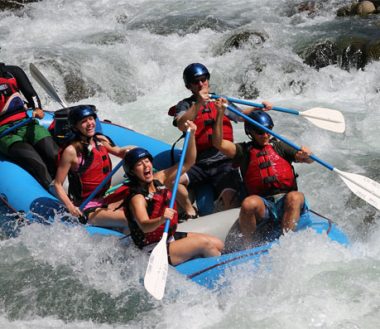
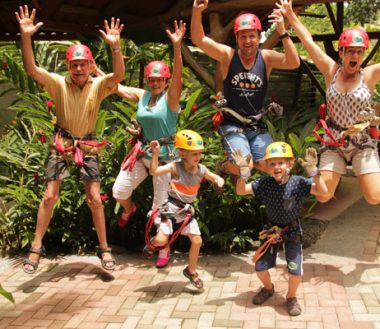
Amid the wilderness of Costa Rica is the jungle. It’s a dense forest comingled with trees and vegetation. The trees grow close together, and leafy vines seem to connect the dots. Animals have free range, roaming among the trees or through the wealth of plants that create a thick groundcover. The jungle is also filled with the sounds of wild animals singing, chattering and calling to each other amid the rustle of leaves and flowers. Humans find it more challenging to navigate, but it’s quite a sight to see. One of the most exhilarating ways to view the jungles of Costa Rica is to take a zipline ride over these scenic forested areas. Whitewater rafting on the Pacuare River is another option.


We chose two locations: La Fortuna and Manuel Antonio
These are the activities we chose and enjoyed!
La Fortuna - Nature Safari Float, Hanging Bridges and Canopy Zipline Tour, Horseback Riding to La Fortuna Waterfall, Coffee and Chocolate Tour
Manuel Antonio - Manuel Antonio Nat. Park Private Guided Tour, Half-day Sport Fishing, Manuel Antonio Beach, ATV tour
The two hotels that they selected for us were just wonderful! Beautiful landscaping, nice rooms, excellent restaurants.
La Fortuna - Hotel Los Lagos
Manuel Antonio - Hotel Costa Verde
I was a little concerned that we might get a LOT of rain, since it was in the rainy season. We had some rain, but it didn't hinder the fun that we had!
Lots of beautiful memories of a great family time!
Thank you Costa Rica Rios!

Second time’s a charm — and somehow even better!
I just wrapped up my second adventure with Costa Rica Rios and I can’t say enough good things. Henry (aka Ninja) and Michael, along with the entire crew, are the absolute best at what they do. From the moment you arrive, you feel like family — they handle every detail with so much care, humor, and local wisdom.
Every day was packed with jaw-dropping adventures: river rafting, kayaking, zip lining, waterfall rappelling — you name it. They balance safety and adrenaline so perfectly that even when you’re pushing your limits, you feel completely looked after.
This trip is off-the-grid magic. Great food, stunning scenery, and a team that loves what they do and makes you love every second too. If you’re thinking about booking — do it! I came back for my second year in a row, and I’d do it again in a heartbeat.
Pura Vida forever!



Week of Adventures was amazing. Fun River paddles, hiking , zip lining and rappelling waterfalls. Great guides on the water and land.
Wonderful country and people 💖


The accommodations were lovely, the activities and guides were all excellent and having the transportation pre-arranged was a huge convenience. Everyone was on time to the minute.
Particularly nice was that all activities (and even transportation) were private -- just me, my wife and the guide or driver. I wasn't expecting that, especially on a whitewater rafting trip! That made the activities feel more personal and special.


Book Now Contact Us
The Rainforest
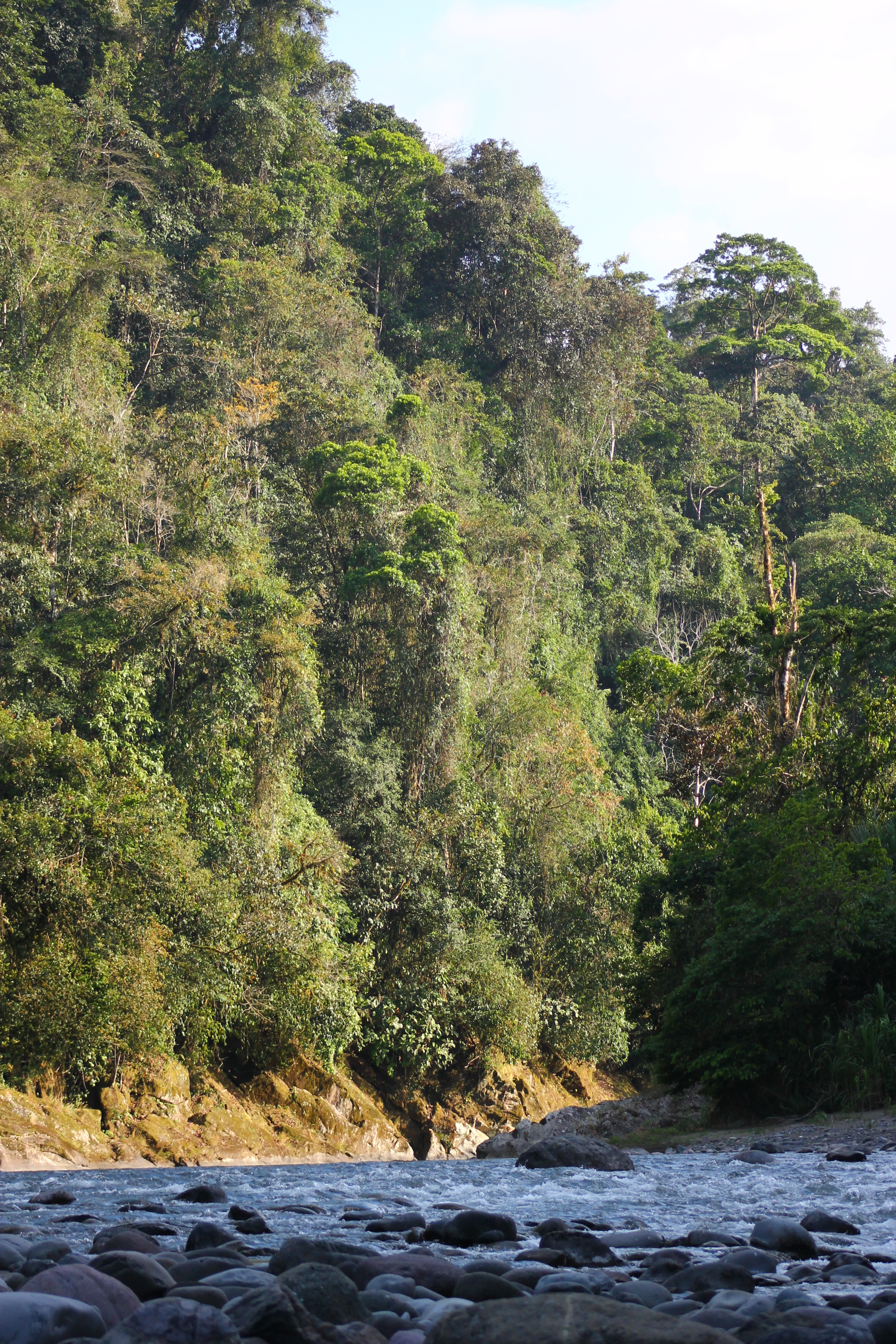
The rainforests of Costa Rica are similar to the jungle, but they have layers. There’s little vegetation on the ground except where the stray ray of sun shines through. You won’t find the dense tangle of plants and vines growing under your feet the way it is in the jungle. Instead, there’s a high canopy of treetops that shields the sun from peeking through. Vines climb up long tree trunks to reach the sunlight. This is where the vast majority of rainforest animals live. In this setting, trees can range from 60 feet tall to well over 100 feet. A lower canopy of treetops blocks out sunlight below 60 feet, creating a humid environment. The cool breezes rarely
The Animalsbreak through this layer, but the sounds of the busy animal kingdom in the treetops filters down below and fills the air. It’s much warmer on the ground. The moist hot air creates a lush environment for ferns and flowers in this tropical setting. Rodents and reptiles roam the ground in this rain-soaked environment, which is dotted with rivers, streams and waterfalls.
Much of the wildlife is the same in canopies of the ju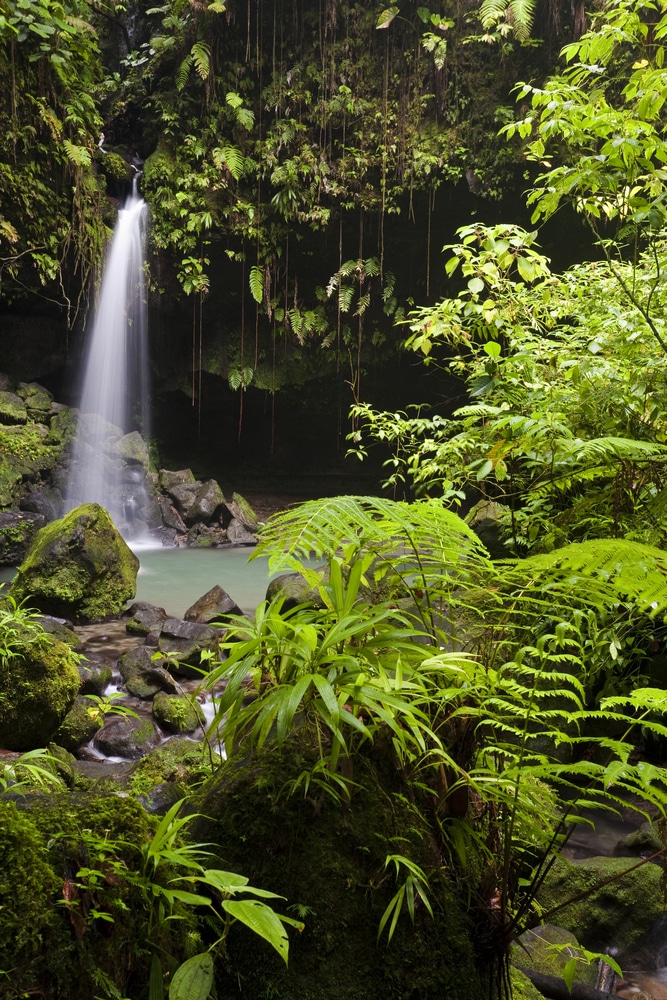 ngle and rainforest. Monkeys, macaws, anteaters, snakes and sloths are just a few of the wild animals found in the Costa Rican jungle. A trek through the rainforest also reveals various species of birds, monkeys, snakes and sloths. Creatures like the peccary, lizards, tree frogs and an assortment of cats and rodents also roam the jungle and rainforest, foraging for food and water.
The Four Layers of a Costa Rican Rainforest
Understanding the structure of the rainforest makes any visit far more rewarding. Rather than a single undifferentiated wall of green, a tropical rainforest is organized vertically into four distinct layers, each functioning as its own habitat.
The Emergent Layer
This layer sits at the very top, where the tallest trees push above the main canopy and can reach 130 feet or higher. Harpy eagles, large bats, and butterflies are the primary residents of this zone. The wind is stronger here, which helps with seed dispersal.
The Canopy Layer
This layer forms the roof of the forest, typically between 60 and 100 feet above the ground. This is where the vast majority of Costa Rica’s wildlife spends its life: howler monkeys, spider monkeys, three-toed sloths, scarlet macaws, toucans, and hundreds of bird species all live and feed here. Up to 90 percent of all rainforest creatures are found in the canopy or above it.
Costa Rica’s remarkable wildlife diversity across its forest layers is one of the many reasons why visiting its iconic animals in their natural habitat ranks among the most sought-after experiences in the country.
The Understory Layer
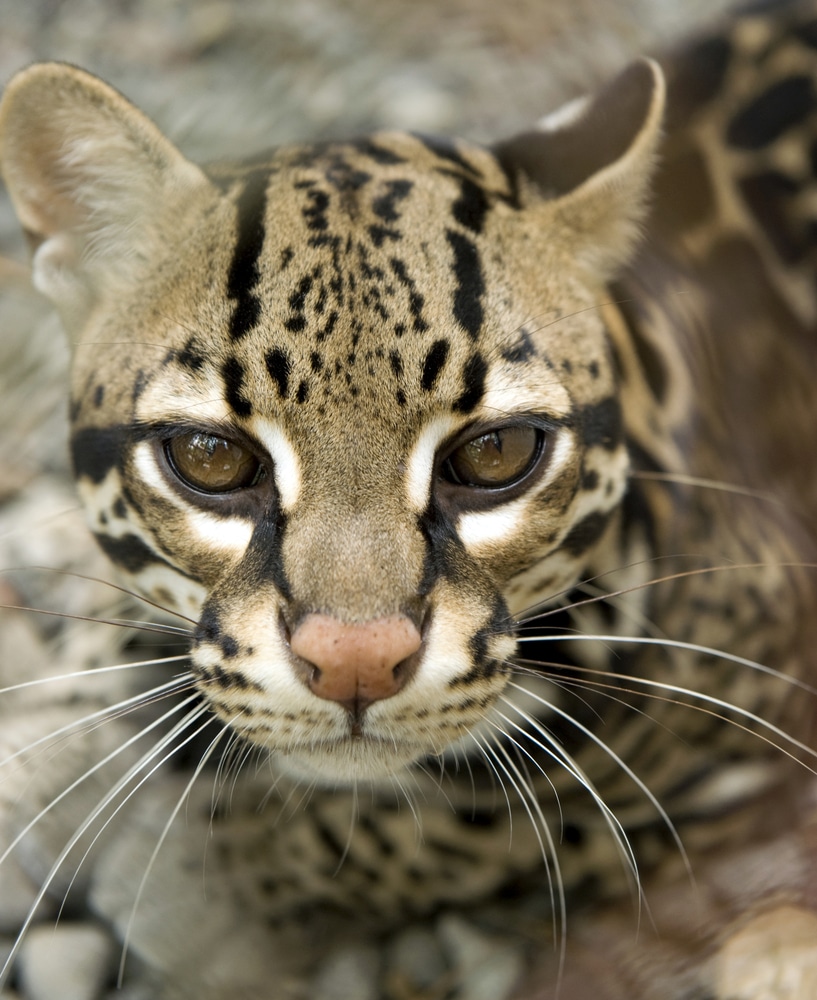
This layer exists between the canopy and the forest floor. It receives very little direct sunlight, staying dim and humid. Smaller trees, young trees reaching for light, tree frogs, many snake species, and shade-tolerant plants thrive in this zone. Leopards and ocelots move through the understory hunting for prey.
The Forest Floor
This layer is the lowest layer, receiving less than 2 percent of the available sunlight. Decomposition happens rapidly here due to heat and humidity. Tapirs, jaguars, peccaries, leafcutter ant colonies, and an extraordinary variety of beetles, fungi, and invertebrates call this layer home.
The Animals
Much of the wildlife is the same in the canopies of the jungle and rainforest. Monkeys, macaws, anteaters, snakes, and sloths are just a few of the wild animals found in the Costa Rican jungle. A trek through the rainforest also reveals various species of birds, monkeys, snakes, and sloths. Creatures like the peccary, lizards, tree frogs, and an assortment of cats and rodents also roam the jungle and rainforest, foraging for food and water.
A jungle or a rainforest can grow naturally, creating an ecosystem where plants and animals thrive. When part of a rainforest is cleared, however, rays of sunlight encourage growth of vegetation across the ground, creating a jungle instead.
Costa Rica is home to four species of monkeys: the howler, spider, white-faced capuchin, and squirrel monkey. Spotting all four species on a single trip is entirely possible with the right itinerary, and birding enthusiasts will want to note that Costa Rica holds more than 900 recorded bird species across its forest types.
Two species of sloth share the canopy. At the larger end of the wildlife spectrum, Corcovado and the Osa Peninsula support populations of jaguars, pumas, ocelots, Baird’s tapirs, and the endangered harpy eagle.
Reptile life is equally rich, with crocodiles, caimans, more than 150 snake species, and hundreds of lizard species distributed across the country’s ecosystems. Poison dart frogs, red-eyed tree frogs, and glass frogs are among the roughly 170 amphibian species found here. Costa Rica holds more than 900 recorded bird species, which represents approximately 10 percent of all bird species on Earth.
The Six Forest Types of Costa Rica
Costa Rica’s ecological variety goes well beyond the jungle and rainforest distinction. Six distinct forest types exist within the country’s borders, and understanding each one helps travelers choose the right destination for what they want to see.
Lowland Tropical Rainforest
Found at elevations from sea level to about 2,000 feet, these forests are what most visitors imagine when thinking of Costa Rica: towering trees, multi-layered canopies, high humidity, and dense wildlife. Rainfall can exceed 200 inches annually in the wettest areas. Premier examples include Tortuguero National Park on the Caribbean coast and Corcovado National Park on the Osa Peninsula.
Premontane and Montane Rainforest
Located between 2,000 and 5,000 feet on mountain slopes, these forests experience cooler temperatures and heavy rainfall year-round. Braulio Carrillo National Park, northeast of San José, protects a vast stretch of montane rainforest and is home to 515 recorded bird species, including the resplendent quetzal.
Cloud Forest
Developing above roughly 4,500 feet, cloud forests are wrapped in mist and low clouds almost daily. They feel distinct from lowland rainforest—cooler, quieter, and heavily draped in mosses, bromeliads, and orchids.
Trees are shorter and gnarled. The most famous example is Monteverde Cloud Forest Reserve, which hosts over 400 bird species, more than 100 mammal species, and around 3,000 plant species. Other notable cloud forests include Los Quetzales National Park and the upper zones of Chiripo National Park.
Tropical Dry Forest
Concentrated in Guanacaste Province and the Nicoya Peninsula, these forests endure a pronounced dry season from November through April, during which many trees shed their leaves. The Guanacaste tree, Costa Rica’s national tree, is the signature species. Wildlife spotting is easier in the dry season as animals gather near water sources. Santa Rosa National Park protects the largest remaining stand of tropical dry forest in Central America.
Mangrove Forest
Mangroves form where freshwater rivers meet the ocean, creating brackish ecosystems with partially submerged root systems. They serve as nurseries for marine species and nesting grounds for birds, sloths, crocodiles, and tropical cats.
Notable mangrove systems include the Sierpe-Terraba wetlands near the Osa Peninsula, the Damas Island estuary near Manuel Antonio, areas around Tamarindo and Las Baulas National Park, and Gandoca Manzanillo Wildlife Refuge on the Caribbean coast. Kayaking offers the most rewarding way to explore them.
Riparian Forest
These forests grow along riverbanks, where water availability supports dense vegetation even in drier regions. They are prime spots for wildlife sightings, as animals come to drink and feed. The Tarcoles River inside Carara National Park on the Central Pacific coast is especially famous for its population of American crocodiles, some reaching lengths of over 20 feet.
Where to Find the Jungle and Rainforest in Costa Rica
Not every forest area offers the same experience, and the difference between jungle and rainforest becomes tangible once you arrive at the right location. Below are the destinations where each ecosystem is most dramatic and accessible.
Corcovado National Park, Osa Peninsula
Widely regarded as the most biologically intense place in Central America, Corcovado covers nearly half of the Osa Peninsula and contains one of the largest intact lowland tropical rainforests in the region.
It is home to all four Costa Rican monkey species, scarlet macaws, tapirs, jaguars, and the endangered harpy eagle. Access is restricted to guided tours, keeping visitor numbers low and wildlife sightings high. Gateway towns include Drake Bay and Puerto Jimenez.
Tortuguero National Park, Caribbean Coast
Often called the “Amazon of Costa Rica,” Tortuguero is a maze of canals, rivers, and jungle channels accessible mainly by boat or small plane.
Dense riverbank vegetation creates prime jungle conditions where howler monkeys, anteaters, caimans, and sloths are commonly seen. It is also the most important nesting site for the Atlantic green sea turtle, with nesting season from July through October.
Monteverde Cloud Forest Reserve, Central Mountains
At over 4,600 feet of elevation, Monteverde offers a dramatically different forest experience. Cool air, moss-draped trees, orchids, and the resplendent quetzal define the environment.
The reserve protects 26,000 acres of cloud forest and connects to the Children’s Eternal Rainforest, the largest private nature reserve in Costa Rica at 54,000 acres. Visitors can explore through hanging bridges, guided canopy walks, and night tours.
Manuel Antonio National Park, Central Pacific
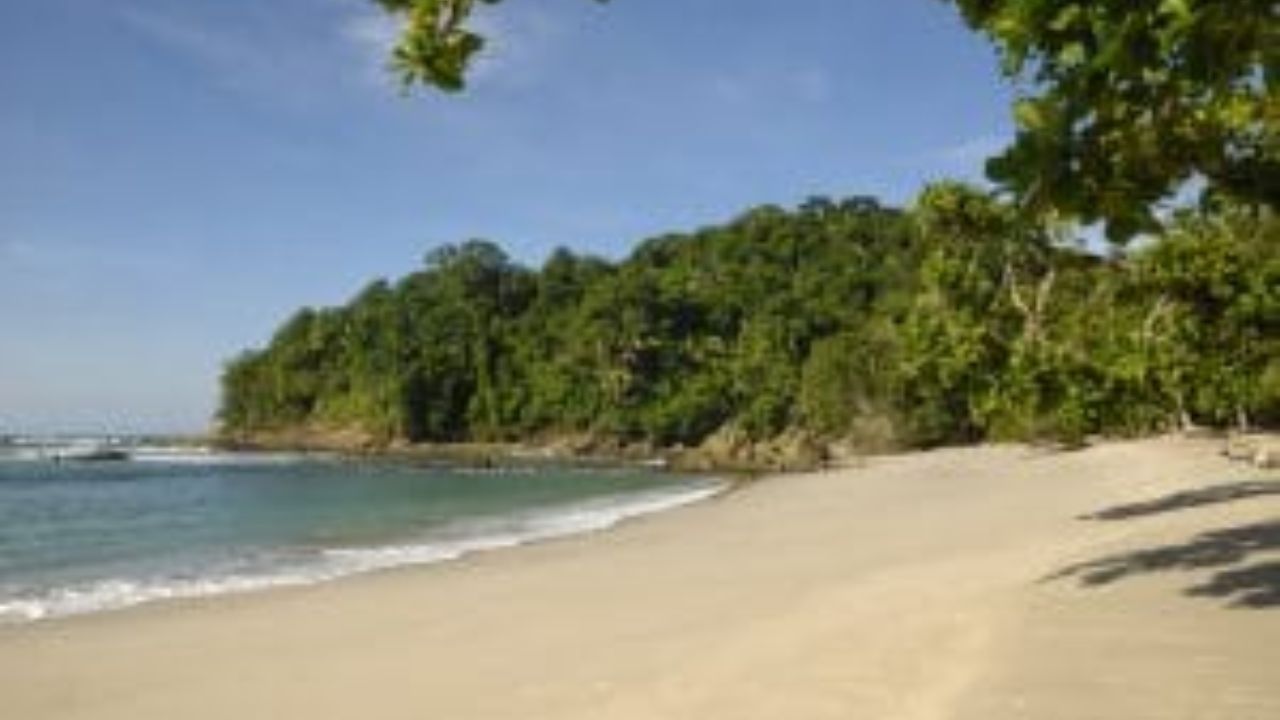
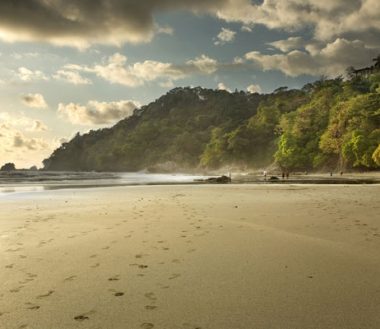
Costa Rica’s most visited national park combines rainforest and secondary growth jungle, making wildlife highly visible along its trails. White-faced capuchin monkeys, two-toed sloths, squirrel monkeys, and dozens of bird species are reliably spotted. Trails lead directly through forest to pristine Pacific beaches, offering one of the most varied short hikes in the country.
Carara National Park, Central Pacific Coast
Situated at the transition zone between tropical dry forest and rainforest, Carara hosts unusual biodiversity in a compact area. It contains one of the largest remaining populations of scarlet macaws on the Pacific coast. The bordering Tarcoles River is famous for enormous American crocodiles, best viewed on river cruises or guided hikes.
Sarapiqui and La Selva Biological Station, Northern Lowlands
This region offers some of the most accessible and scientifically documented rainforest in Costa Rica. La Selva Biological Station has been a hub of ecological research since 1954, with trails passing through undisturbed primary rainforest. Wildlife highlights include great green macaws, poison dart frogs, and river otters. The Sarapiqui area connects to Braulio Carrillo National Park, allowing travelers to experience forest transitions across elevations within a single trip.
The Cloud Forest: A Third Ecosystem Worth Understanding
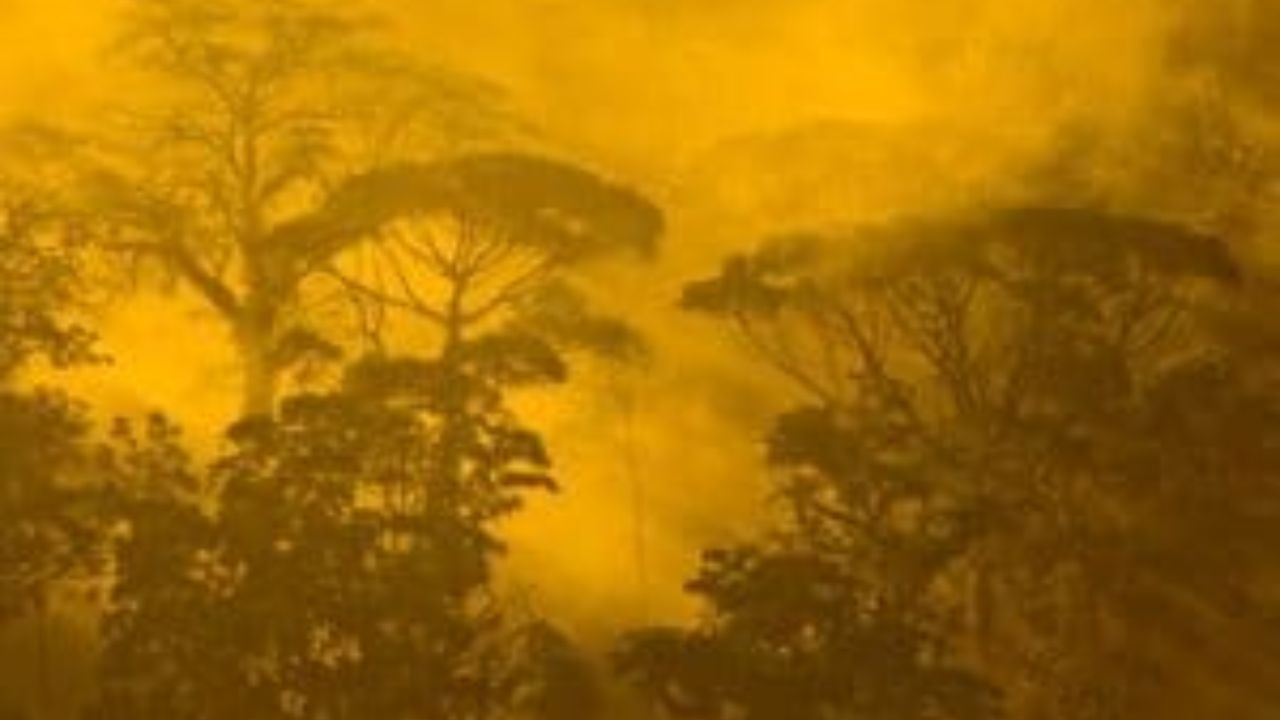
Cloud forests are distinct from both lowland rainforest and jungle. They form at high elevations where moisture-laden trade winds rise against mountain ridges, cooling and condensing into a near-permanent mist that envelops the forest.
Atmosphere and Plant Life
The environment feels ancient and otherworldly. Tree trunks and branches are covered in mosses, liverworts, and bromeliads. Orchids thrive on nearly every surface, with Monteverde alone documented to host over 500 species. Persistent moisture keeps the forest cool and green year-round, even during the dry season at lower elevations.
Wildlife of the Cloud Forest
Animal life here differs from lowland ecosystems. The resplendent quetzal, one of the most striking birds in the Western Hemisphere, lives almost exclusively in cloud forests, feeding on wild avocado fruits. Other unique species include bare-necked umbrellabirds, three-wattled bellbirds, and numerous highland hummingbirds. Mammals such as the mountain tapir and the oncilla, a small highland cat, are also more commonly encountered in these zones.
Best Time to Visit
Monteverde’s cloud forests are most accessible during the dry season from December to April, when trails are in better condition and the forest is less heavily clouded. However, visiting during misty conditions offers a uniquely atmospheric experience, with drifting fog weaving between tree trunks—something not found at lower elevations.
What to Expect When Visiting: Practical Preparation
Both jungle and rainforest environments reward preparation. A few practical points make a significant difference in the quality of the experience.
Clothing and Footwear
- Prioritize function over style.
- Quick-drying synthetic fabrics are preferable to cotton, which stays wet for hours.
- Long-sleeved shirts and light trousers protect against mosquitoes, biting insects, and sun exposure.
- Sturdy closed-toe hiking boots or trail shoes with grip are essential.
- Flip-flops and casual sneakers are unsafe on wet roots and muddy slopes.
- Sandals are best reserved for the beach.
Rain Gear
- Necessary in all seasons.
- Even during the dry season, brief afternoon showers occur regularly inside forests.
- A lightweight, packable rain jacket is essential.
- Dry bags or zip-lock bags inside a daypack protect cameras, phones, and documents.
Sun Protection
- Ultraviolet intensity is high due to proximity to the equator, even on overcast days.
- Reef-safe sunscreen, wide-brimmed hats, and UV-protective clothing are practical choices.
- Especially important when transitioning between forest and open coastal areas.
Bug Protection
- Use repellents containing DEET or picaridin, especially in lowland rainforest areas near standing water and during evenings.
- Mosquitoes in some regions carry dengue fever, though risk is generally low in well-maintained lodges.
- Prevention is straightforward and effective.
Value of Guides
- Certified naturalist guides elevate a forest walk into an educational experience.
- They spot wildlife that visitors often miss, such as sloths, poison dart frogs, and leafcutter ants.
- Hiring local guides also supports community economies in conservation zones.
Best Time to Visit
- Pacific Side (Manuel Antonio, Carara, Osa Peninsula): Driest from December through April.
- Caribbean Side (Tortuguero): Rain year-round, with relatively drier periods in March and September–October.
- Cloud Forests (Monteverde, Chiripo): Most accessible between December and April.
- Lowland Rainforests: Lush and active year-round, with improved trail conditions during the dry season.
Frequently Asked Questions: Costa Rica Jungle vs. Rainforest
Is Costa Rica a jungle or a rainforest?
Costa Rica contains both ecosystems simultaneously. The country’s protected lowland forests, including Corcovado and Tortuguero, are tropical rainforests defined by multi-layered canopies, minimal ground vegetation, and most animal life concentrated high in the trees.
Jungle conditions develop at forest edges, along rivers, and anywhere sunlight reaches the ground and promotes dense undergrowth. Costa Rica also contains cloud forests, tropical dry forests, and mangroves, making it one of the most ecologically diverse countries on Earth relative to its size.
What is the main difference between a jungle and a rainforest?
The primary distinction is light and the vegetation it produces. A tropical rainforest has a dense, closed canopy of very tall trees that blocks almost all direct sunlight from reaching the forest floor. Because of this, ground-level vegetation is sparse and the forest is relatively easy to walk through.
A jungle forms where that canopy thins or breaks, allowing sunlight to stimulate explosive ground-level plant growth. The result is thick, tangled, and often nearly impenetrable undergrowth. In practical terms, a jungle is harder to navigate on foot than a rainforest.
What animals live in Costa Rica’s jungle and rainforest?
Costa Rica’s forests collectively support over 500,000 species, though only a fraction have been formally documented. Mammals include four monkey species (howler, spider, white-faced capuchin, squirrel), two sloth species, tapirs, jaguars, pumas, ocelots, anteaters, peccaries, coatis, and deer. Bird diversity exceeds 900 species.
Reptiles include caimans, American crocodiles, more than 150 snake species, and hundreds of lizard types. Amphibians number around 170 species, with red-eyed tree frogs and poison dart frogs among the most recognizable. Insect diversity is so vast that scientists estimate large numbers of species remain undescribed.
What is the best rainforest to visit in Costa Rica?
Corcovado National Park on the Osa Peninsula is consistently cited as the most biodiverse and pristine rainforest in Central America. Tortuguero National Park offers a different but equally extraordinary experience via its canal system.
Braulio Carrillo National Park is the most accessible primary rainforest near San Jose. Manuel Antonio is the best choice for first-time visitors who want a short, wildlife-rich forest walk combined with a beach day. Each park provides a different balance between remoteness, biodiversity, and accessibility.
Is there a real jungle in Costa Rica?
Yes. True jungle conditions, meaning dense ground-level vegetation that is difficult to navigate without a machete, exist in Costa Rica particularly along rivers, around the edges of primary forest, and in secondary growth areas where the original forest canopy was cleared and is regenerating.
The Tortuguero canal system, the riverbanks of the Pacuare, and the fringes of Corcovado all show genuine jungle characteristics. However, because Costa Rica’s forest conservation has been so effective, much of the country retains its full rainforest canopy, keeping jungle growth to the margins rather than the interior.
What plants grow in Costa Rica’s rainforest?
Costa Rica’s rainforests contain an estimated 12,000 plant species. Each square mile of lowland rainforest holds approximately 400 species of flowering plants and around 200 different tree species. Commercially recognizable trees include mahogany, Spanish cedar, and tropical balsa. The forest also supports over 1,400 orchid species, more than 800 fern species, and hundreds of bromeliad species.
Epiphytes, plants that grow on other plants without rooting in the soil, are extraordinarily diverse here, covering tree trunks and branches with mosses, lichens, and air plants. The strangler fig is one of the most ecologically important trees in the rainforest, germinating in the canopy and gradually encasing its host tree as it grows downward.
What is a cloud forest and how is it different from a rainforest?
A cloud forest is a high-elevation tropical forest that receives moisture primarily through cloud immersion rather than rainfall alone. At elevations above roughly 4,500 feet, prevailing winds push moist air against mountain slopes, where it cools and condenses into persistent mist.
This keeps the forest saturated year-round and creates growing conditions that support extraordinary moss, orchid, and bromeliad diversity. Temperatures are cooler than in lowland rainforest, tree canopies are lower and more open, and the overall atmosphere is dramatically different.
The wildlife also changes: the resplendent quetzal, the three-wattled bellbird, and the mountain tapir are cloud forest species not reliably found in lowland rainforest.
What should visitors wear in a Costa Rica rainforest or jungle?
Quick-drying synthetic clothing, a lightweight rain jacket, closed-toe hiking footwear with good grip, DEET-based insect repellent, reef-safe sunscreen, and a small dry bag for electronics are the core preparation items.
Long sleeves and trousers provide meaningful insect protection during dawn and dusk hours when biting insects are most active. A hat with a brim protects against both sun at forest edges and light rain while on the trail.
A jungle or a rainforest can grow naturally, creating an ecosystem where plants and animals thrive. When part of a rainforest is cleared, however, rays of sunlight encourage growth of vegetation across the ground, creating a jungle instead.
If the idea of trekking through the jungle or wandering through the rainforest intrigues you, it might be time for a visit to Costa Rica. At Costa Rica Rios, we help people plan vacations and honeymoons with as much or as little adventure as you like. Check out our photo gallery from The Jungle Lodge on the Pacuare River to see some of the unique tropical scenery you can encounter on your trip.