
A Beginner’s Guide to Puntarenas
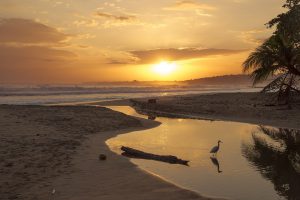 The closest beach destination to Costa Rica’s capital of San Jose, the Puntarenas Province is as popular with locals as it is with foreign tourists. And what’s not to love?
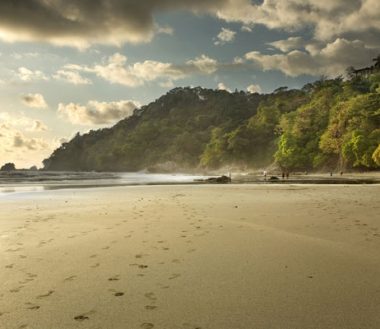
As the country’s largest province, covering almost two-thirds of the entire Pacific coastline, this incredibly diverse region boasts stunning stretches of pristine beaches, unspoilt islands, and protected reserves brimming with waterfalls and rivers; striking mountains offering infinite hiking possibilities and, as the epitome cherry on the cake, it is the gateway to the splendid Nicoya Peninsula.
This guide covers everything you need to know before your visit, from the best time to go and how to get there, to what to see, where to eat, and how to use the ferry to reach the Nicoya Peninsula.
Province vs. City: What Is Puntarenas?
One thing that confuses many first-time visitors is that “Puntarenas” refers to two different things.
Puntarenas Province is the largest of Costa Rica’s seven provinces, stretching from the Gulf of Nicoya in the north all the way down to the border with Panama. It covers about 22% of the entire country and contains the majority of Costa Rica’s Pacific Coast tourist destinations.
Puntarenas City (also called “El Puerto”) is the provincial capital. It sits on a narrow peninsula jutting into the Gulf of Nicoya, roughly 1.5 hours by car from San José. The city is a working port town, known for its boardwalk, fresh seafood, local culture, and ferry terminal connections to the Nicoya Peninsula.
Most visitors pass through Puntarenas City on their way somewhere else. But if you give it even a few hours, it rewards you with some of the most authentic, un-touristy local life in the country.
Best Time to Visit Puntarenas
Puntarenas has two distinct seasons, and the one you choose will shape your entire experience.
| Season | Months | What to Expect |
|---|---|---|
| Dry Season | Mid-December to April | Sunny days, low humidity, temperatures reaching 90–100°F (32–37°C). Best for beaches and outdoor activities. |
| Green Season (Rainy) | May to mid-December | Rain typically falls in the afternoon or at night. Mornings are often sunny. Fewer crowds, lower prices, lush landscapes. |
The dry season (December through April) is the most popular time to visit. Expect warm, sunny weather and peak tourist traffic at Manuel Antonio, Monteverde, and the coastal beaches.
The green season is underrated. Rains are usually concentrated to a few afternoon hours and are rarely a full day of downpour. You get lower prices, fewer crowds, and an incredibly green landscape. For budget-conscious travelers, visiting between May and November can be a great choice.
Avoid visiting Puntarenas City specifically during Holy Week (Semana Santa) if you are driving. The ferries fill up fast, roads get congested, and the whole town gets extremely busy with Costa Rican families heading to the beach.
How to Get to Puntarenas

From San José
Puntarenas City is approximately 90 minutes to 2 hours by car from San José, depending on traffic. Take Route 27 (the toll highway toward Caldera) and then follow signs north toward Puntarenas. It is one of the most straightforward drives in the country.
A public bus also runs regularly from the Coca-Cola terminal in San José directly to Puntarenas City. The ride takes approximately 2 hours and is a very affordable option.
Getting Around the Province
Because Puntarenas Province is so large, having a rental car is strongly recommended if you plan to explore beyond the city. Destinations like Monteverde, Manuel Antonio, and Santa Teresa are spread across hundreds of kilometers and are best reached independently.
Shared shuttles and tourist buses are available from San José and from Puntarenas City to major destinations, but they require advance booking and follow fixed schedules.
Best Starting Point
Puntarenas town is the best starting point for explorations of the region, boasting the highest concentrations of hotels and restaurants. The aptly named Tourist Walk, which runs along the town’s seaside front, is chock-full of art and craft stalls, as well as food stands selling typical Tico fare. The freshly squeezed fruit juices (batidos) are particularly recommended, as are shrimp and lobsters. This town is particularly revered for its selection of fresh seafood, which is the best in the country! While here, visit the historic Marine Museum located inside the Puntarenas Barracks. Overlooked by a great many visitors, this small yet interesting museum showcases the maritime history of the town as well as the ecological origins of the regions. If you’re looking for something a little different, you may find a visit here quite rewarding.
Puntarenas City: What to See and Do
The beaches of Puntarenas are by far the most popular and visited in Costa Rica, thanks to them being just an hour away from the capital city. Luckily, the sheer choice of beaches means that crowds are dispersed, so whether you want to worship the sun and surf the waves in company, or just stroll on a desolate stretch with your beloved, there is a corner of this province’s coastline that’ll be perfect for you.
Walk Paseo de los Turistas
This is the main boardwalk running along the beachfront. It is lined with restaurants, shops, food stalls, and vendors selling souvenirs and fresh produce. Come here for a slow stroll, a cold beer, ceviche, and local snacks. The sunsets from Paseo de los Turistas are genuinely spectacular.
A note on Playa Puntarenas itself: The beach in the city center is not a swimming beach. The water quality is affected by the active fishing port nearby. Most locals walk along the shore to enjoy the views rather than swimming. If you want to swim, save it for the beaches further along the coast.
Try a Churchill
The Churchill is Puntarenas’s most iconic food item and is not something you will find anywhere else quite like this. It is a shaved ice dessert packed with condensed milk, powdered milk, flavored syrups, and ice cream.
The Churchill was invented here in Puntarenas and every vendor along Paseo de los Turistas has their own version. On a hot afternoon (and it will be hot), this is exactly what you need.
Visit the Marine Museum
The Museo Histórico Marino de la Ciudad de Puntarenas is located inside the old Puntarenas Barracks in the city center. It combines a maritime history museum and aquarium in one compact space.
It covers the indigenous history of the region, the development of the port, and the ecology of the surrounding Pacific waters. It is often overlooked by visitors and is all the better for it. Entry is inexpensive, and it provides good context for understanding why this port town matters to Costa Rica.
Casa de la Cultura
The Casa de la Cultura is part art gallery, part exhibition space, and part performance venue. It hosts rotating cultural events throughout the year and has contemporary sculptures displayed outside. If you are passing through on a weekend, check whether any performances are scheduled.
Puntarenas Cathedral
Built in 1902 from stone, mortar, and brick, the Puntarenas Cathedral is still an active church. Its high ceilings provide a cool break from the heat outside, and the interior architecture is worth a few minutes of your time.
Fiestas Cívicas (Local Festival)
Every year, usually in February or early March, Puntarenas City hosts its Fiestas Cívicas, a massive local festival that fills the entire boulevard with music, food, carnival rides, and dancing. This is one of the most authentic local celebrations in Costa Rica and a highlight for visitors who time their trip accordingly. Exact dates are typically announced just a few weeks in advance, so check local news sources closer to your visit.
Taking the Ferry to the Nicoya Peninsula
The ferry terminal in Puntarenas City is the main gateway to the Nicoya Peninsula, and taking the ferry is one of the most practical and scenic parts of any Costa Rica trip.
There are two ferry routes departing from the eastern tip of Paseo de los Turistas:
| Route | Best For | Crossing Time |
|---|---|---|
| Puntarenas to Paquera | Santa Teresa, Montezuma, Mal Pais, Tambor | ~70 minutes |
| Puntarenas to Naranjo (Playa Naranjo) | Sámara, Nosara, northern Nicoya Peninsula | ~60–75 minutes |
Ferry Tips
- Book online in advance if you are traveling with a car, especially during peak season, Semana Santa, or long holiday weekends. Walk-on passengers can almost always find a spot without reserving ahead of time.
- Arrive at least 45–60 minutes early if you have a car. During holidays, arrive 90 minutes early.
- Get in the right line. There are separate boarding queues for the Paquera and Naranjo ferries. Check the signs carefully.
- Even if you book online, you must collect a physical ticket at the dock office before boarding.
- The ferry ride itself is genuinely enjoyable. There are open-air upper decks with Gulf of Nicoya views, a snack bar, restrooms, and indoor seating.
Beaches in Puntarenas Province
The beaches within Puntarenas Province range from busy surf breaks to quiet, off-the-beaten-path coves. Here are the main ones worth knowing:
Jacó
The most accessible beach town from San José (about 1.5 hours via Route 27), Jacó is lively, well-developed, and packed with restaurants, surf schools, bars, and hotels. The waves here are consistent but powerful, making it popular with intermediate and advanced surfers. It is one of the most popular weekend destinations for Costa Ricans from the capital.
Playa Hermosa (near Jacó)
A short drive south of Jacó, Playa Hermosa is known for its strong, fast beach breaks. It is a serious surf beach, popular with experienced surfers and bodyboarders. The shore break is powerful and the rips can be strong, so beginners should not plan to surf here. It is, however, beautiful for walking and watching surfers.
Dominical
Further south, Dominical offers a more laid-back atmosphere than Jacó, with a good beach break that suits intermediate surfers well. The surrounding area is incredibly lush and green, and the town has a relaxed bohemian vibe.
Pavones
Pavones, near the Panamanian border, is famous among serious surfers for one of the longest left-hand point breaks in the world. It is remote, which is part of the appeal. Not a destination for casual visitors, but for surfers, it is genuinely world-class.
Manuel Antonio
Home to Manuel Antonio National Park, this beach is widely considered one of the most beautiful in Costa Rica. The protected waters make it excellent for swimming and snorkeling, and wildlife (monkeys, sloths, and iguanas) regularly wanders onto the beach. The surrounding town of Quepos has excellent restaurants and accommodation options for all budgets.
Isla Tortuga (Tortuga Island)
A day trip from Puntarenas City, Isla Tortuga offers a white sand beach with crystal-clear turquoise water. Several tour operators run full-day catamaran cruises from the Puntarenas dock that include snorkeling, a beach stop, and lunch. It is a popular excursion and one of the most enjoyable day trips you can take from the city.
Things to Do in Puntarenas Province
Beyond the beaches, Puntarenas Province is the adventure capital of Costa Rica. Here is what is available:
Nature and Wildlife
- Hiking in Manuel Antonio National Park (squirrel monkeys, sloths, and white-faced capuchins)
- Monteverde Cloud Forest: hanging bridges, canopy walks, ziplines, and world-class birdwatching
- Carara National Park: one of the best places in Costa Rica to see scarlet macaws
- Whale watching at Marino Ballena National Park in Uvita, especially between July and November
Adventure Activities
- Whitewater rafting on the Naranjo and Savegre Rivers
- Ziplining (Monteverde is the most famous, with multiple operators)
- Sea kayaking through the Gulf of Nicoya islands
- Mountain biking along coastal and jungle trails
- Canyoneering and waterfall rappelling
- Sportfishing out of Quepos and Jacó
Cultural and Relaxed
- Walking the mangrove estuary in Puntarenas City (a wildlife refuge for seabirds)
- Exploring the Gulf of Nicoya islands, including Isla San Lucas (former prison island)
- Taking a sunset catamaran cruise
- Visiting a coffee farm or a chocolate tour near the Central Pacific corridor
Where to Stay in Puntarenas
Accommodation in Puntarenas Province ranges widely depending on where exactly you base yourself.
Puntarenas City has budget-friendly hotels, small guesthouses, and cabinas. There are no luxury resorts in the city itself, but it is a practical base if you are catching an early ferry.
Jacó has the widest range of accommodation in the province, from party-oriented hostels to mid-range hotels and a few upscale all-inclusive resorts.
Manuel Antonio is the best area for high-quality boutique hotels with jungle and ocean views. It is the most popular tourist area in the province and commands the highest prices.
Monteverde has a strong selection of mid-range eco-lodges and nature-focused hotels, most set in the cloud forest. It is cool, misty, and very different in atmosphere from the coast.
Santa Teresa on the Nicoya Peninsula (accessible via the Paquera ferry) has become one of Costa Rica’s most fashionable destinations, with boutique hotels, wellness retreats, and world-class surf breaks.
What to Eat in Puntarenas
Puntarenas City is the best place in Costa Rica to eat fresh seafood. The working port means the fish is genuinely local, and the quality is outstanding. Do not leave without trying:
- Ceviche: Raw fish marinated in lime juice with cilantro, onion, and spices. Often served with a cold Imperial beer.
- Shrimp and lobster: Multiple restaurants along Paseo de los Turistas specialize in fresh shellfish.
- Batidos (fruit smoothies): Fresh-squeezed fruit drinks from roadside stands are some of the best you will find anywhere in the country.
- Churchill: Puntarenas’s signature shaved ice dessert. Already covered above, but worth mentioning twice.
Practical Travel Tips
- Currency: Costa Rica uses the Colón (CRC), but US dollars are widely accepted throughout Puntarenas Province. Major credit cards are accepted at most hotels, restaurants, and tour operators.
- Getting around: A rental car gives you the most flexibility. Public buses connect the major towns but require patience with timing and transfers.
- Safety: Puntarenas City is a working-class port town. Exercise normal urban awareness, particularly at night. Keep valuables out of sight on the beach and in parked vehicles.
- Sun protection: The sun is intense on the Central Pacific coast. Apply sunscreen every few hours, wear a hat, and stay hydrated throughout the day.
- Packing essentials: Lightweight clothes, swimsuit, reef-safe sunscreen, insect repellent, waterproof sandals, and a light rain jacket if you are visiting during the green season.
- Language: Spanish is the local language. English is widely spoken in tourist areas like Manuel Antonio, Jacó, and Monteverde, but less so in Puntarenas City itself. A few basic Spanish phrases go a long way.
Frequently Asked Questions
Is Puntarenas worth visiting?
Yes, but set the right expectations. Puntarenas City is a local, authentic port town rather than a polished resort destination. If you want a genuine Costa Rican experience with great seafood and easy access to the ferry, it is absolutely worth a visit. If you want beach resorts and clear swimming water, base yourself in Jacó or Manuel Antonio instead.
How far is Puntarenas from San José?
Approximately 74 miles (120 km) and about 1.5 to 2 hours by car, depending on traffic, using Route 27.
Do I need to book the Puntarenas ferry in advance?
If you are a foot passenger, you can usually show up and board without reserving ahead of time. If you are traveling with a car, especially during holidays or peak season, book online in advance to guarantee your spot.
What is the Churchill dessert in Puntarenas?
The Churchill is a local dessert made of shaved ice layered with flavored syrups, condensed milk, powdered milk, and ice cream. It was invented in Puntarenas and is one of the most beloved street foods in Costa Rica.
What is the best beach near Puntarenas?
For swimming and wildlife, Manuel Antonio is the best. For surfing, Jacó and Playa Hermosa are the closest options. For a world-class surf trip, Pavones and Santa Teresa (via ferry) are the top choices.
At Costa Rica Rios, we have been designing adventure vacations across Puntarenas Province since 1995. Whether you are planning a family trip to Manuel Antonio, a surfing adventure on the Central Pacific coast, or a multi-destination itinerary that takes in Monteverde, the cloud forest, and the Nicoya Peninsula, we can help you put together an experience that matches exactly what you are looking for. Contact us to start planning your Costa Rica vacation today.