
Snorkeling in Costa Rica – ALL You Need to Know
Snorkeling Costa Rica
With more than 800 miles of spectacular coastline consisting of coral reefs, volcanic beaches and pristine forests that tumble into the ocean, Costa Rica is unsurprisingly rated one of the best diving and snorkeling countries on earth. Framed on the west by the cool Pacific and the east by the balmy Caribbean, the tropical country also offers quite distinct underwater experiences. Where you go snorkeling will determine the kind of treasures you’ll get to see, and the time of year you visit will determine just how good the underwater visibility will be.
Before we dive deep (pun intended!) into everything you need to know about snorkeling in Costa Rica, here are the absolute must-visit spots that consistently deliver world-class underwater experiences:
Costa Rica’s Top 5 Snorkeling Destinations at a Glance
Before we dive deep (pun intended!) into everything you need to know about snorkeling in Costa Rica, here are the absolute must-visit spots that consistently deliver world-class underwater experiences:
1. Caño Island Biological Reserve
- Location: Off the Osa Peninsula (Pacific)
- Best For: First-timers to experienced snorkelers
- Why Visit: Crystal-clear waters, pristine coral reefs, and the highest concentration of tropical fish and sea turtles in Costa Rica. This is THE #1 snorkeling destination in the country.
- When to Go: December to July (best visibility)
- Access: Boat tour from Drake Bay or Uvita (~45-60 min)
- Expect to See: White-tip reef sharks, spotted dolphins, manta rays, sea turtles, and hundreds of colorful fish species
2. Cocos Island National Park
- Location: 300+ miles off the Pacific Coast
- Best For: Advanced snorkelers and divers
- Why Visit: UNESCO World Heritage Site, often called the “Galápagos of Costa Rica,” with over 1,000 marine species. This is bucket-list territory.
- When to Go: Year-round (requires multi-day liveaboard trip)
- Access: Week-long boat expedition only
- Expect to See: Scalloped hammerhead sharks, whale sharks, giant manta rays, dolphins, and massive schools of fish.
3. Cahuita National Park
- Location: Southern Caribbean Coast
- Best For: Families and beginners
- Why Visit: Costa Rica’s largest coral reef (600+ acres) with over 35 coral species and 135+ fish species. Calm, protected waters perfect for relaxed snorkeling.
- When to Go: September-October (Caribbean dry season)
- Access: Boat tour from Cahuita town
- Expect to See: Sea turtles, colorful reef fish, rays, lobsters, and vibrant coral formations.
4. Islas Santa Catalina (Catalina Islands)
- Location: Off Guanacaste’s Pacific Coast
- Best For: Intermediate to advanced snorkelers
- Why Visit: Volcanic rock formations teeming with big marine life. One of the best spots in Costa Rica for encountering larger species.
- When to Go: December-April (Pacific dry season)
- Access: Half-day boat tour from Tamarindo or Playas del Coco
- Expect to See: White-tip reef sharks, eagle rays, octopus, moray eels, sea turtles, Pacific seahorses, and occasionally whale sharks
5. Marino Ballena National Park
- Location: Southern Pacific Coast near Uvita
- Best For: Whale enthusiasts and marine mammal lovers
- Why Visit: Home to the largest coral reef on the Pacific coast. Combines snorkeling with prime whale-watching opportunities—humpback whales migrate here twice annually.
- When to Go: December-July (peak whale season: July-October and December-March)
- Access: Boat tour to nearby islands within the marine reserve
- Expect to See: Humpback whales (seasonal), dolphins, sea turtles, rays, and abundant reef fish
Quick Comparison:
| Destination | Difficulty | Best Months | Access Type | Approx. Cost |
| Caño Island | Beginner-Advanced | Dec-July | Boat Tour | $100-150 |
| Cocos Island | Advanced Only | Year-round | Liveaboard | $3,000+ |
| Cahuita | Beginner-Friendly | Sep-Oct | Boat Tour | $65-85 |
| Catalina Islands | Intermediate-Advanced | Dec-Apr | Boat Tour | $75-125 |
| Marino Ballena | All Levels | Dec-July | Boat Tour | $100-140 |
Not sure which spot is right for you? Keep reading to explore all of Costa Rica’s snorkeling destinations, learn about the best times to visit, and discover whether the Pacific or Caribbean coast suits your adventure style best.
Quick Navigation:
Top 5 Destinations | Pacific Coast | Caribbean Coast | Islands | Best Times to Visit | Can Anyone Snorkel? | Plan Your Trip
Here are some of the most commonly asked questions in regards to snorkeling adventure vacations in Costa Rica.
Can You Go Snorkeling Anywhere in Costa Rica?
Not quite. The country’s coast may be long and inviting yet not all of it is accessible to snorkelers. The eastern (Caribbean) side is notoriously remote, which is gorgeous in one way but also means that, essentially, there are only a few choice spots for exceptional snorkeling Costa Rica offers in this area. Mind you, these few select spots serve up exceptional sights, with a multitude of tropical fish, reef sharks and even eagle rays making regular appearances for (very delighted) snorkelers.
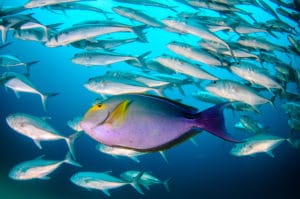
When you get to see THIS, do you really need to go anywhere else?
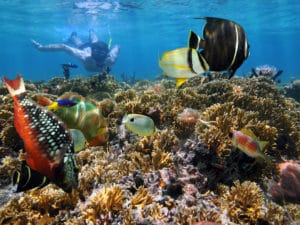
Over on the Pacific side, the sea isn’t as calm – in fact, this side is revered for its surfing waves – and the movement of sediment means that sometimes visibility can be a bit hit and miss. Luckily, however, the Pacific coast also boasts a few spectacular islands offering sublime snorkeling galore. When the coastal waters seem a little murky, just hop on a boat trip to one of the islands, you’ll likely find much better visibility away from the coast.
Where to Find the Best Places to Snorkel in Costa Rica
Generally speaking, the best snorkeling spots in the country offer world-class rewards although to really see the best, you will need to join a boat excursion. Free-shore snorkeling, whilst still very good and genially convenient, still doesn’t offer the kind of amazing sights you’ll get when you explore uninhabited areas that have never been built up.
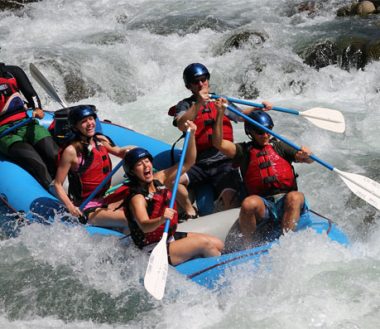
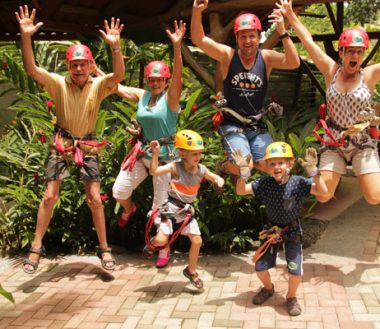
For all these reasons, few people head to Costa Rica solely to snorkel. That’s the primary reason multi-adventure vacations are so popular here. On a week long adventure, you can find the best places to snorkel PLUS enjoy zip-lining, whitewater rafting and kayaking, canyoning, horseback riding and so much more.
This is, after all, what Costa Rica does best.


We chose two locations: La Fortuna and Manuel Antonio
These are the activities we chose and enjoyed!
La Fortuna - Nature Safari Float, Hanging Bridges and Canopy Zipline Tour, Horseback Riding to La Fortuna Waterfall, Coffee and Chocolate Tour
Manuel Antonio - Manuel Antonio Nat. Park Private Guided Tour, Half-day Sport Fishing, Manuel Antonio Beach, ATV tour
The two hotels that they selected for us were just wonderful! Beautiful landscaping, nice rooms, excellent restaurants.
La Fortuna - Hotel Los Lagos
Manuel Antonio - Hotel Costa Verde
I was a little concerned that we might get a LOT of rain, since it was in the rainy season. We had some rain, but it didn't hinder the fun that we had!
Lots of beautiful memories of a great family time!
Thank you Costa Rica Rios!

Second time’s a charm — and somehow even better!
I just wrapped up my second adventure with Costa Rica Rios and I can’t say enough good things. Henry (aka Ninja) and Michael, along with the entire crew, are the absolute best at what they do. From the moment you arrive, you feel like family — they handle every detail with so much care, humor, and local wisdom.
Every day was packed with jaw-dropping adventures: river rafting, kayaking, zip lining, waterfall rappelling — you name it. They balance safety and adrenaline so perfectly that even when you’re pushing your limits, you feel completely looked after.
This trip is off-the-grid magic. Great food, stunning scenery, and a team that loves what they do and makes you love every second too. If you’re thinking about booking — do it! I came back for my second year in a row, and I’d do it again in a heartbeat.
Pura Vida forever!




Week of Adventures was amazing. Fun River paddles, hiking , zip lining and rappelling waterfalls. Great guides on the water and land.
Wonderful country and people 💖


The accommodations were lovely, the activities and guides were all excellent and having the transportation pre-arranged was a huge convenience. Everyone was on time to the minute.
Particularly nice was that all activities (and even transportation) were private -- just me, my wife and the guide or driver. I wasn't expecting that, especially on a whitewater rafting trip! That made the activities feel more personal and special.


What Can You See Snorkeling in Costa Rica?
From sea turtles to rays, starfish, reef sharks, dolphins, whales and thousands of colorful tropical fish, the seas lapping Costa Rica host an abundance of marine life. Pick the right place at the right time of year, and snorkeling in Costa Rica really is unparalleled.
Best Time to Visit Costa Rica for Snorkeling
Underwater visibility is hampered by rain so it reasons that you’ll want to head to Costa Rica during the driest months (the first four of the year) when seas are calm and the sky crystal clear. This bodes well for snorkeling excursions on the Pacific side (December to April) whilst, on the Caribbean side (renowned for receiving a lot more rain, all year long) the driest months are usually September and October. All that gorgeous tropical rain forest is nourished by copious rain so you should actually expect some rain at any time during your adventure vacation in Costa Rica. Chances of it being a downpour, however, are very low during these drier months.
Sea temperatures are consistently warm although consider renting a wet suit if you’re heading out for a long time or to an island lapped by colder seas.
Complete Costa Rica Snorkeling Destinations Guide
With 11 incredible snorkeling spots scattered across Costa Rica’s Pacific and Caribbean coasts, choosing the right destination can feel overwhelming. This comprehensive comparison table breaks down every location mentioned in this guide by difficulty level, cost, best visiting months, and what makes each spot unique.
Understanding Snorkeling Difficulty Levels
Before diving into the comparison, here’s what our difficulty ratings mean:
- ⭐ Beginner-Friendly: Calm, protected waters with minimal current. Shallow reefs (10-20 feet). Shore access is often available. Perfect for first-timers, children 8+, and nervous swimmers.
- ⭐⭐ Moderate: Some wave action and mild currents possible. Deeper water (20-40 feet). Basic swimming skills required. Boat access recommended. Ideal for confident swimmers with some snorkeling experience.
- ⭐⭐⭐ Advanced: Open ocean conditions with strong currents. Deep water (40+ feet). Excellent swimming skills are essential. Experienced snorkelers only.
All Costa Rica Snorkeling Locations at a Glance
| Location | Region | Difficulty | Access Type | Best Months | Visibility | Approx. Cost | Best For |
| 🏆 Caño Island Biological Reserve | Pacific – Osa Peninsula | ⭐⭐ Moderate | Boat tour (from Drake Bay or Uvita) | Dec – July | Excellent (50-100 ft) | $100-150 | Brightly colored coral, vibrant fish, sea turtles. Beginner-friendly calm waters. |
| Marino Ballena National Park | Pacific – Southern Coast | ⭐⭐ Moderate | Boat tour to islands within marine reserve | Dec – July | Good (30-60 ft) | $100-140 | Largest coral reef on Pacific coast. Humpback whales, sea turtles, rays, dolphins. |
| Manuel Antonio National Park | Pacific – Central Coast | ⭐ Beginner | Shore access from Playa Manuel Antonio | Dec – Apr | Variable (20-40 ft) | FREE – $20 | Most-visited park. Marine-enriched rocks with large schools of fish. Best after dry weather. |
| Calzon del Pobre Beach | Pacific – Bahia Hermosa (Guanacaste) | ⭐ Beginner | Shore access (secluded location) | Dec – Apr | Excellent (40-60 ft) | FREE | Translucent waters, angelfish, damselfish, butterflyfish, porcupine fish. Totally wild and secluded. |
| Bahía Junquillal Wildlife Refuge | Pacific – Guanacaste (1 hr from Liberia Airport) | ⭐ Beginner | Shore access from 1.5-mile sandy beach | Dec – Apr | Good (30-50 ft) | FREE | Off-the-beaten-path. Virgin wilderness, tranquil vibe, birdwatcher’s paradise. |
| Cahuita National Park | Caribbean – Southern Coast | ⭐ Beginner | Boat tour from Cahuita town | Sep – Oct | Good (30-50 ft) | $65-85 | Largest coral reef on eastern coast. Vibrant colors, fish, rays, reef sharks. Calm waters for novices. |
| Gandoca-Manzanillo Wildlife Refuge | Caribbean – Southern Coast | ⭐ Beginner | Shore access from remote beaches | Sep – Oct | Good (30-50 ft) | FREE – $60 | Sea turtles, fish, dolphins. Sanctuary for endangered West Indian manatees. |
| Cocos Island National Park | Remote Pacific (300+ miles offshore) | ⭐⭐⭐ Advanced | Week-long liveaboard boat trip only | Year-round | Excellent (80-100 ft) | $3,000+ | UNESCO World Heritage Site. 1,000+ marine species. Scalloped hammerhead sharks. Bucket-list destination. |
| Islas Santa Catalina | Pacific – Off Guanacaste Coast | ⭐⭐⭐ Advanced | Boat tour from Tamarindo | Dec – Apr | Good (40-70 ft) | $75-125 | Whales, dolphins, turtles, reef sharks, octopus, 6+ ray species. World-renowned diving/snorkeling. |
| Islas Murciélagos (Bat Islands) | Pacific – Guanacaste | ⭐⭐⭐ Advanced | Boat tour (near Santa Catalina) | Dec – Apr | Variable (30-60 ft) | $100-150 | Strong currents. Bull sharks and large marine life. Experienced snorkelers/divers only. |
| Isla Tortuga | Pacific – Off Nicoya Peninsula | ⭐ Beginner | Full-day boat excursion from Montezuma | Dec – Apr | Good (30-50 ft) | $80-120 | Family-friendly. Calm waters, tropical fish, glorious beaches. Whale and dolphin watching en route. |
Understanding Tour Costs
FREE Shore Snorkeling (Bring Your Own Gear)
- Locations: Calzón del Pobre, Bahía Junquillal, Manuel Antonio (park entry ~$16), Gandoca-Manzanillo
- What You Need: Snorkel mask, fins, snorkel tube
- Best For: Budget travelers, experienced snorkelers
- Rental Gear Available: Limited at some locations; bring your own recommended
$65-85 Guided Tours
- Typical Duration: 2-3 hours
- Includes: Snorkel gear, basic guide services
- Example: Cahuita National Park
$80-150 Premium Tours
- Typical Duration: Half-day to full-day (4-8 hours)
- Includes: All equipment, professional guide, lunch, drinks, hotel pickup
- Examples: Caño Island, Isla Tortuga, Catalina Islands, Marino Ballena, Bat Islands
$3,000+ Liveaboard Expeditions
- Typical Duration: 7-10 days
- Includes: All meals, accommodation, equipment, multiple daily dives/snorkels
- Example: Cocos Island (only accessible this way)
When to Visit Each Coast
PACIFIC COAST – Best: December to April
Why: Dry season = calm seas, clear skies, excellent underwater visibility
Prime Destinations:
- Caño Island (peak conditions)
- Catalina Islands & Bat Islands
- Marino Ballena (also great Dec-July for whales)
- Isla Tortuga
- All Guanacaste locations (Calzon del Pobre, Junquillal)
CARIBBEAN COAST – Best: September to October
Why: Driest months on the Caribbean side (receives more rain year-round). Best visibility window.
Prime Destinations:
- ⭐⭐⭐ Cahuita National Park (absolute best time)
- ⭐⭐⭐ Gandoca-Manzanillo (clearest waters)
WHALE WATCHING COMBO – July-October & December-March
Best For: Marino Ballena National Park (created to protect humpback whales)
Can Anyone Go Snorkeling?
Generally speaking, yes. Snorkeling doesn’t require any special skill set although whether you’ll feel immediately comfortable floating face down with a mask on your face and a snorkel in your mouth is a subjective matter. It’s fair to say that snorkeling just feels ‘weird’ for everyone at first but, after a bit of trail and error, 90% of people get used to the feeling of it very quickly. Being able to see outstanding underwater life is a wonderful incentive!
Snorkeling in Costa Rica with Kids
Most Costa Rica snorkeling tours accept children ages 3 and up, though tour operators typically recommend ages 6-8 for boat excursions due to choppy Pacific waters and 1-2 hour travel times. Shore snorkeling offers the most accessible option for younger children, with locations like Bahía Junquillal, Calzon del Pobre, and Manuel Antonio allowing families to enter and exit the water at their own pace. Always request child-sized flotation vests from tour operators; these are standard equipment but not always automatically provided.
The best family snorkeling destinations prioritize calm, protected waters. Isla Tortuga ranks highest for families, with shallow reefs 10-15 feet deep and virtually no currents. Cahuita National Park in the Caribbean offers another excellent option, with September-October delivering glassy conditions ideal for beginners. Tour operators in both locations cap groups at 15-20 participants and provide full safety briefings. Pacific coast tours from December-April generally see calmer seas, while Caribbean destinations work best September-October when rain subsides.
Pack reef-safe sunscreen, rashguards for sun protection, and seasickness medication for boat trips; the 75-minute ride to Caño Island can challenge young stomachs even in calm conditions. Children must know basic swimming strokes or wear flotation devices at all times. Most tours run 4-6 hours total, including travel, so bring snacks beyond what operators provide. Shore snorkeling requires your own gear; child-sized equipment is difficult to rent locally, so consider purchasing masks and fins before arrival if planning multiple snorkel days.
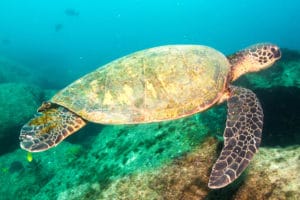
Costa Rica is perfect to master the art of snorkeling
If you’re not a confident swimmer and have never even tried snorkeling, you may want to give it a go somewhere with exceptionally calm seas or even take a private class with an instructor. Sometimes, it helps to not be taught by your travel partner and, instead, take a time-out with a professional. Taking that pressure off your shoulders by spending an hour or so with an instructor will likely make you relax in the water a lot more and that’s what will help you get the hang of snorkeling. When heading out into the sea on a snorkeling excursion, it is always imperative to let your guide know if you’re new to snorkeling, this way they’ll keep a special eye out on you, tell you about the best places to practice and bring a floatie vest along.
There’s an ideal snorkel spot for everyone here
In our list of favorite snorkeling spots in Costa Rica detailed below, we offer an array of destinations suitable for all sorts of skill-set and highlight a few very special places you can reach right off the beach. Whilst it’s true that some of the most special snorkeling spots in the country are remote and only accessible on a boat trip, there are still plenty of ‘local’ secret spots that cost no money to reach at all. You know, aside the rental car and gear rental fee! Moreover, given that it’s highly unlikely you will visit Costa Rica only to snorkel, we’ve divided our list by region (Pacific, Caribbean and island-based) to make it even easier for you to home in on the closest best snorkeling spot depending on where you intend to vacation.
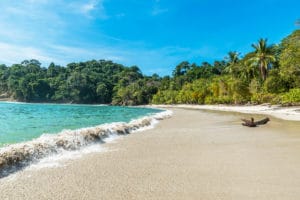
Best Snorkeling in Costa Rica –
Snorkeling on Costa Rica’s Pacific Coast
Manuel Antonio National Park
It’s crazy to think that the most-visited national park in Costa Rica is also its smallest yet if there’s a wilderness haven that proves size isn’t everything, it would have to be Manuel Antonio. Ultra-rich in biodiversity, the park cascades into the sea – this is the kind of place where you might spot a sloth or monkey just hanging on a tree overlooking the beach. That very beach, called Playa Manuel Antonio, boasts marine-enriched rocks on its southern end and is particularly revered for its large schools of fish. The only downside is that the seabed is prone to sediment movement after rains so, unless the sky has been bone-dry for days on end, you may not be able to see much. If you’re visiting the park and staying around the Central Pacific region, this really is your best free-shore snorkeling bet.
Marino Ballena National Park
Home to the largest coral rock reef on the Pacific coast, this spectacular southern belle attracts sea turtles, rays and fish galore. Although it’s not possible to snorkel right of the beach here, you can join a boat trip to the closest island that’s part of this marine reserve, and snorkel from there. This is the most spectacular snorkeling destination in the southern Pacific coast and about the best place to see whales in migration – fantastic visibility usually lasts from December all the way to July but the earlier in the dry season you go, the better.
Bahía Junquillal National Wildlife Refuge
Mostly renowned as a birdwatcher’s paradise, Junquillal is actually an off-beat snorkeler’s dream. Lesser-visited, peppered with coastal mangroves and bursting with sea (and land) life, the reserve is a gorgeous place in which to spend a whole day drenched in nature. Just an hour’s drive from the Liberia Airport, the refuge boasts virgin wilderness, a tranquil vibe and a stunning 1.5-mile long sandy beach where you can swim and free-snorkel at leisure.
Calzon del Pobre Beach
This secluded, white sandy beach is on the southwestern end of the Bahia Hermosa, and its turquoise waters are a haven for angelfish, damselfish, butterflyfish and porcupine fish. The water is consistently translucent during dry season and the fact this section of the bay is totally wild (so pack a picnic lunch and everything you’ll need for the day) just adds to the appeal. Occasionally, you’ll have visitors on snorkeling boat trips popping in for a visit, but head here in the morning, snorkel right off the beach and enjoy having this paradise all to yourself.
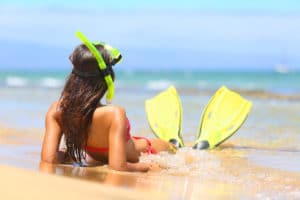
Best Snorkeling in Costa Rica –
Snorkeling on Costa Rica’s Caribbean Coast
Cahuita National Park
The largest coral reef on the eastern coast of the country is a vibrant canvas of colors, home to a startling number of fish, rays, reef sharks and amazing coral, as well as calm waters that suit novices to a tee. Remember to head here in September or October for the best visibility of all and enjoy spending an entire day exploring this incredible 3.5-mile-long treasure-trove of underwater wilderness.
Gandoca-Manzanillo National Wildlife Refuge
A gorgeous maze of walking trails leas visitors to sublime remote beaches, from where you can snorkel to your heart’s delight. The idyllic waters attract turtles, fish and dolphins and is one of three places in Costa Rica that is a sanctuary for the endangered West Indian manatee, the gentlest elephant of the sea. Just note that if you can hear any kind of motorized boat, you will probably not see a manatee anywhere near it, so keep an eye out if the park is particularly quiet during your visit.
Best Snorkeling on Costa Rica Islands
Avid snorkelers and SCUBA divers who want to be blown right out of the water (pun intended) ought to plan a boat trip to one (or several) of Costa Rica’s islands.
It is right here that the underwater magic happens.
-
Caño Island Biological Reserve
Located 32 miles off the Osa Peninsula, Caño Island consistently ranks as Costa Rica’s best snorkeling destination with 60-80 foot underwater visibility; far exceeding most Caribbean locations. The 75-minute boat ride from Uvita or Drake Bay frequently delivers bonus wildlife encounters with dolphin pods and seasonal humpback whales before you even reach the island. Tours include two 45-minute snorkeling sessions at different sites around the reserve, where strict daily visitor limits protect the marine ecosystem.
The island’s positioning within a major Pacific current creates exceptional biodiversity. You’ll encounter hawksbill and olive ridley sea turtles grazing on coral, massive schools of bigeye jacks numbering in the hundreds, and white-tip reef sharks resting in coral crevices. Expect to see over 70 fish species including parrotfish, angelfish, surgeonfish, moray eels, and occasional manta rays. The coral reefs here represent the Pacific coast’s most extensive formations, with multiple reef systems spanning 2-10 acres each in pristine condition.
Cocos Island National Park
UNESCO-listed Cocos is what put Costa Rica on the snorkeling and diving world-map and if you’re looking for that ‘ultimate’ snorkeling destination, then you can stop looking, right now. Over 300 miles off the Pacific Coast of the country, Isla de los Coco is rated the best dive and snorkel site in Central America and attracts explorers from all over the world. The downside is that you can only visit Cocos on week long live-aboard boat trip since the island is not developed. The upside is that the island is not developed (ha!) and it is, essentially, a paradise for the wildlife both in and out of the water. We’re taking way over 1,000 species of marine life and jaw-dropping coral. Revered for attracting scalloped hammerhead sharks, Cocos is a bucket-list snorkel spot that’s only suitable for experienced snorkelers.
Islas Santa Catalina
This cluster of islands off the Pacific Coast attracts all marine life great and small, including whales, dolphins, turtles, reef sharks, octopus and at least half a dozen species of rays. These spectacular rocky islets are world-known, attracting international experienced divers and snorkelers to Guanacaste every year who find it an astonishing alternative to the Cocos, mentioned above. These islands are easy to reach from Tamarindo.
Islas Murciélagos
The Bat Islands of Guanacaste are nearby Santa Catalina and offer equally rewarding snorkeling. Given the strong currents, snorkeling in both archipelagos is really only advised for experienced divers and snorkelers.
Caño Island Biological Reserve
The prime snorkel spot in the wild Osa Peninsula is a blink-and-you’ll-miss-it gem just a few miles off the coast. Brightly colored coral frames the shores, teeming with a cacophony of fish. This is the spot where beginners can also have a field day as waters are calm and inviting.
Isla Tortuga
If you’re after a family-friendly snorkeling spot in Costa Rica, then consider Turtle Island your ideal escape. Hop on a boat from Montezuma on the Nicoya Peninsula and explore the calm waters here, brimming with a wealth of tropical fish. Take a whole-day boat excursion and you can soak up whale and dolphin watching on your way there, plus plenty of swimming and time on the glorious beaches.
Choose Your Destination by Priority
If You Only Have Time for ONE Location:
Caño Island Biological Reserve
Why: Best all-around snorkeling in Costa Rica. Pristine coral reefs, calm waters suitable for beginners, and the highest concentration of marine life.
Best for Families with Children:
- Isla Tortuga – Calm, shallow, beautiful white sand beaches
- Cahuita National Park – Protected reef, gentle waters, colorful fish
- Calzon del Pobre – Secluded, translucent water, easy shore access
- Gandoca-Manzanillo – Shore snorkeling, possible manatee sightings
Best Budget Options (FREE or Under $50):
- Calzon del Pobre – FREE, excellent visibility
- Bahía Junquillal – FREE, pristine and uncrowded
- Manuel Antonio – FREE-$20 (park entry)
- Gandoca-Manzanillo – FREE shore snorkeling
Best for Experienced Snorkelers:
- Cocos Island – Ultimate bucket-list destination, hammerheads, whale sharks
- Bat Islands – Bull sharks, challenging currents
- Catalina Islands – Large pelagics, strong currents, diverse marine life
Best Shore Snorkeling (No Boat Required):
- Calzon del Pobre – Best free shore snorkeling in Costa Rica
- Bahía Junquillal – 1.5-mile beach, virgin wilderness
- Manuel Antonio – Convenient park access
- Gandoca-Manzanillo – Multiple remote beaches
Best for Unique Marine Life:
- Hammerhead Sharks: Cocos Island
- Humpback Whales: Marino Ballena (seasonal)
- Manatees: Gandoca-Manzanillo
- Bull Sharks: Bat Islands
- Largest Coral Reefs: Cahuita (Caribbean), Marino Ballena (Pacific)
Sample Multi-Day Snorkeling Itineraries
Southern Pacific Adventure (3-4 Days)
- Day 1: Caño Island full-day tour
- Day 2: Marino Ballena whale watching + snorkeling
- Day 3: Beach relaxation, shore snorkeling
- Day 4: Rainforest activities (zip-lining, hiking)
Guanacaste Island Hopping (3-4 Days)
- Day 1: Catalina Islands tour
- Day 2: Bat Islands (advanced) OR Isla Tortuga (beginner)
- Day 3: Shore snorkeling: Calzón del Pobre + Bahía Junquillal
- Day 4: Land activities or travel day
Caribbean Coast Experience (2-3 Days)
- Day 1: Cahuita National Park guided snorkel tour
- Day 2: Gandoca-Manzanillo wildlife refuge, manatee search
- Day 3: Relaxed shore snorkeling, beach hopping
Important Notes
Visibility Can Vary
Even during optimal months, underwater visibility changes based on:
- Recent rainfall and sediment runoff
- Ocean currents and tides
- Seasonal plankton blooms
- Wind and wave conditions
Note: Manuel Antonio’s visibility is particularly affected by sediment movement after rains.
Conservation & Safety
- Always use reef-safe sunscreen
- Never touch coral or marine life
- Keep appropriate distance from sea turtles and manatees
- Inform guides if you’re new to snorkeling
- Use flotation vests when needed
- Never snorkel alone
Frequently Asked Questions About Snorkeling in Costa Rica
What is the best month for snorkeling in Costa Rica?
December through April offers the best conditions for Pacific coast snorkeling with calm seas and 60-80 foot visibility. For Caribbean coast locations like Cahuita, September and October provide the clearest water when the mini dry season reduces rainfall and sediment runoff.
Do I need to bring my own snorkel gear to Costa Rica?
Guided boat tours include all equipment (mask, fins, snorkel) in the tour price, typically $65-150 per person. For shore snorkeling at locations like Manuel Antonio or Calzon del Pobre, rental gear is limited and costs $15-20 per day where available, so bringing your own equipment is recommended for multiple snorkel sessions.
Is snorkeling better on the Pacific or Caribbean side of Costa Rica?
The Pacific coast offers more accessible locations and the country’s best overall snorkeling at Caño Island, though shore snorkeling can be limited by sediment and surf. The Caribbean coast features extensive coral reefs at Cahuita with over 35 coral species, but has fewer accessible locations and requires boat access for the best spots.
Can beginners snorkel in Costa Rica?
Yes, locations like Isla Tortuga, Cahuita National Park, and Calzon del Pobre offer calm, shallow waters (10-20 feet) ideal for first-time snorkelers. Tours provide flotation vests, safety briefings, and guides who monitor beginners closely; just inform your guide if you’re new to snorkeling so they can provide extra attention.
What marine life will I see snorkeling in Costa Rica?
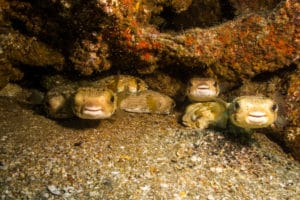
Common sightings include sea turtles (hawksbill and olive ridley), white-tip reef sharks, manta rays, moray eels, and over 70 fish species including angelfish, parrotfish, and pufferfish. Seasonal encounters include humpback whales at Marino Ballena (July-October, December-March), dolphins throughout the year, and occasional whale sharks at Catalina Islands.
Do I need a wetsuit for snorkeling in Costa Rica?
Water temperatures average 78-82°F year-round, so wetsuits aren’t necessary for most hour-long snorkel sessions. However, consider renting a 3mm wetsuit ($10-15 additional) for extended sessions over 90 minutes, boat trips to offshore islands with cooler currents, or if you get cold easily.
Snorkeling is just one of an amazing array of water sports on offer in Costa Rica. Combined with plenty of land-based adventures, your Costa Rica Honeymoon, Family or Adventure Vacation will be like nothing else you’ve ever experiences. Ask us how to help you plan the absolute trio of a lifetime.