

Costa Rica’s Top Five Relaxing Retirement Havens
 Costa Rica rates as one of the best retirement havens for North Americans, with the premium and affordable health care system, ideal climate, laid-back vibe and lower cost of (tropical) living enticing Americans by the plane load every year. Yet in the last few years, there are countless others who are waking up to the deal, and realizing that Costa Rica is one of the best expat destinations in the world, irrespective of age.
From endless stretches of pristine beaches to mountaintop locations that delight in cool temps, there are quite a few cities and towns that make for ideal expat bases. So whether you wish to spend 6 months or 6 years living in this phenomenal country, traveling solo, as a couple or with kids in tow, you’ll find several retirement havens that’s just right for you.
Costa Rica’s Top Five Retirement Havens:
1. Costa Ballena – Puntarenas province
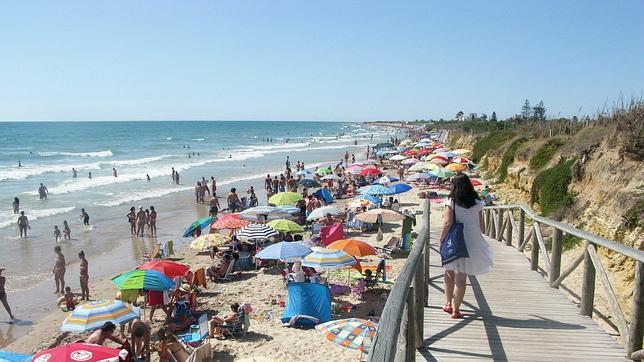 A fave of foreign retirees, the whole Costa Ballena section of Costa Rica’s southern Pacific coast boasts a collection of charming seaside towns that accost the favored sea enclave of mating humpback whales who come here every year.
Costa Ballena actually translates from Spanish as Whale Coast. Here is where you’ll find arguably the most famous beaches in all of Costa Rica. Ever heard of Playa Hermosa, Playa Dominical and Playa Tortuga? Yep…they‘re all here, along with a great degree of infrastructure which makes living here – not just vacationing – much easier. The Ballena Marine National Park faces the largest coral reef in all of Central America, so if you wish to include a lot of snorkeling and SCUBA trips, into your new and improved everyday life as an expat, this area should definitely be at the top of your wish-list. Given its popularity with North Americans and Europeans alike, the whole Costa Ballena is home to a plethora of amazing resorts and fantastic international restaurants, perhaps the best in the entire country. For the ultimate in tropical sea-change, the Costa Ballena is unsurpassed.
Pros:
- Access to world-class beaches and the largest coral reef in Central America
- Strong and long-established expat community
- Among the best international dining scenes in the country
- Quieter than Tamarindo while remaining well-serviced for daily living
Cons:
- Medical facilities are limited; specialist care requires travel to San José
- Infrastructure is less developed than the Central Valley
- The humid tropical climate is not suited to everyone year-round
2. Tamarindo – Guanacaste province
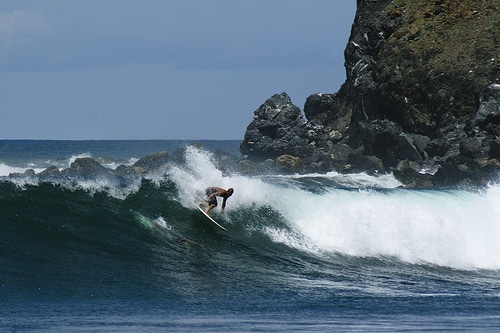 While not one of the cheapest places in which to live in Costa Rica, Tamarindo is still, nevertheless, one of the very best. With a thriving expat community and welcoming local one, Tamarindo is ideal if you’re dreaming of a beach life for a while. Surfing is tops, as is the wide array of restaurants. In high season, the town really comes alive and erupts with a bustling nightlife, plenty of live music and a healthy tourist crowd. For younger and more active expat singles and couples, Tamarindo just can’t be beat.
Pros:
- Strong expat network with English widely spoken throughout town
- Excellent healthcare access relative to its size
- Direct flights from North America through nearby Guanacaste International Airport
- Walkable town with dining, shopping, and beach access integrated into daily life
Cons:
- Among the higher cost-of-living areas in Costa Rica
- Can feel crowded and tourist-heavy during peak season months
- Limited appeal for retirees who prefer a quiet rural environment
3. Uvita – Puntarenas province
 Just a little further south from Playa Dominical, Uvita is one of those gems that’s perfect for those who want the best infrastructure with just the right amount of privacy and feeling of ‘remoteness’. Quieter than its northern neighbors, Uvita has something really special going for it: it is the one area where the mountains, quite literally, tumble onto the sandy shores. Want cooler temperatures? All you need do is simply find a house that’s a 10 minute drive inland, and you’ll take advantage of the altitude and the more temperate climate that brings.
Pros:
- Rare combination of mountain and coastal scenery within the same immediate area
- Quieter and more affordable than Tamarindo
- Growing expat community without the tourist-town atmosphere
- Easy access to Marino Ballena National Park
Cons:
- Smaller town with fewer services; major medical care requires travel to Dominical or San José
- Limited nightlife and social infrastructure compared to larger beach towns
- Road quality to some residential areas deteriorates during the rainy season (May through November)
4. San Jose – San Jose province
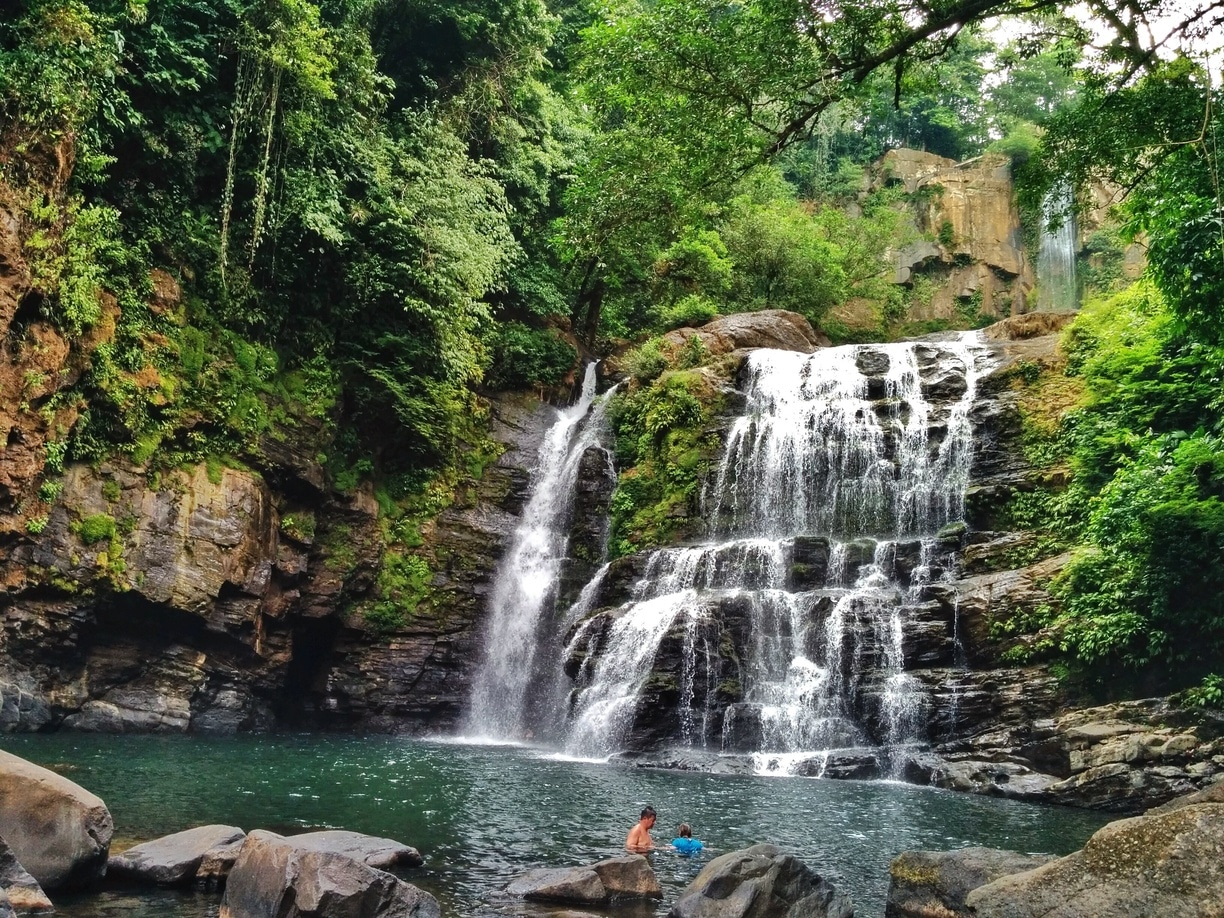 By far one of the most popular retirement havens in any country, the world over, is always the capital city. This is especially true if you wish to move here with your whole family, want access to the best schools for your children or are looking to find work locally.
Although San Jose is dismissed by many visitors, who tend to use it as a mere springboard to get in and out of Costa Rica, it actually does offer plenty to the discerning expat. Ideally located right in the heart of the country and with easy access to all corners of the country – perfect for exploring your new homeland – San Jose is a great choice for those who still want a big city life, only in a much more exotic country.
Aside from Costa Ballena, San Jose has the best food – and gastronomic options – in the whole country. A great art scene, including theater shows and museum events satisfies the culture buff, and a vibrant nightlife for the younger and more spirited expat.
Pros:
- Best hospital and specialist healthcare access in the country
- Central hub for flights, embassies, immigration offices, and banking
- Rich cultural scene including theater, museums, and regular markets
- Central location makes weekend travel to beaches and volcanic parks straightforward
Cons:
- Traffic congestion is significant, particularly during weekday commute hours
- Not suited to retirees seeking coastal or rural living
- Crime rates are higher than in smaller towns; neighborhood selection within the city matters
5. Central Valley
If a hot tropical climate is not your idea of a perfect year-long life then you ought to head to Costa Rica’s Central Valley, where altitudes hover between 2 and 5,000 feet and temperatures stay a stunning 70 degree Fahrenheit all year long. The proximity to San Jose makes for easy expat living, as do the lovely array of gated communities and smaller authentic towns which host quite a few expats already. Cartago and Alajuela are a top choice if you want the best infrastructure and mod cons, whilst Grecia and Atenas are home to expats who prefer to mingle with locals and enjoy a more rural and relaxing life.
Pros:
- Stable year-round temperatures between 68 and 75 degrees Fahrenheit regardless of season
- Lower cost of living than coastal beach towns
- Close proximity to San José hospitals, the international airport, and government offices
- Strong existing expat communities in Grecia, Atenas, and Escazú
Cons:
- No beach access from town; coastal trips require a one to two-hour drive
- The rainy season (May through November) brings sustained afternoon and evening rainfall
- Less visually dramatic than coastal or volcano-adjacent locations for retirees who prioritize scenery
Why Costa Rica Stands Out as a Retirement Destination
Costa Rica abolished its military in 1948 and redirected that budget toward healthcare and education. The result is one of the most stable democracies in Latin America, a strong public healthcare system, a high national literacy rate, and a government that has actively welcomed foreign retirees since 1971 through structured visa programs.
The country also contains one of the world’s five certified Blue Zones: the Nicoya Peninsula, where residents regularly live past 100. The combination of clean air, access to fresh produce, an outdoor lifestyle, and measurably lower stress levels contributes to health outcomes that have drawn significant academic attention.
Costa Rica ranks as the 39th safest country in the world and is consistently considered the most politically stable and peaceful nation in Central America. That stability, alongside affordable real estate and year-round warm temperatures across most regions, creates a package that is difficult to match elsewhere in the region.
Costa Rica Retirement Visa: Requirements and Options
Costa Rica offers two primary residency pathways for retirees, both administered by the DGME (Dirección General de Migración e Extranjería). Processing typically takes three to six months from a complete application.
Pensionado Visa
The Pensionado visa is the most commonly used option for traditional retirees. The core requirement is proof of a guaranteed monthly income of at least $1,000 from a pension, Social Security benefit, annuity, or similar permanent source. Rental income from real estate does not qualify.
Key details of the Pensionado visa:
The visa covers the main applicant, their spouse, and dependent children under 25. Residency status remains temporary for the first three years, after which an application for permanent residency can be submitted. The permit must be renewed annually during the temporary phase.
Holders may own and operate a business in Costa Rica but cannot work as employees. The minimum stay requirement is one day per year to maintain active residency status. Upon approval, holders are enrolled in Costa Rica’s public healthcare system, La Caja.
Rentista Visa
The Rentista visa is suited to early retirees or those whose income comes from investments rather than a traditional pension. Requirements are higher: proof of $2,500 per month in passive income (from dividends, investments, or savings) guaranteed for a minimum of two years, or a lump sum deposit of $60,000 in a Costa Rican bank account.
Investor Residency
A third pathway grants permanent residency through a minimum investment of $150,000 in Costa Rican real estate, a registered local corporation, or the Costa Rican stock market.
Required Documents
Applicants across all visa categories will generally need a valid passport, certified birth certificate, background check from their home country (covering the past three years), proof of income, and translated and apostilled copies of all documents in Spanish. Applications can be filed through the DGME’s online portal, which reduces processing times compared to in-person submission.
How Much Does It Cost to Retire in Costa Rica?
Costa Rica’s cost of living is approximately 20% lower than the United States overall, with rent running 40% to 45% lower, according to Numbeo data. Costs vary significantly by location and lifestyle choice, with beach towns on the Pacific coast sitting at the higher end and inland Central Valley towns offering noticeably better value.
Monthly budget estimates:
A single retiree can live comfortably on $1,500 to $2,000 per month. A retired couple should plan for $2,000 to $3,000 per month for a comfortable lifestyle that covers rent, groceries, utilities, La Caja healthcare contributions, transportation, and regular dining out.
Housing costs:
A one-bedroom apartment in San José rents for approximately $550 per month. A three-bedroom home in the Central Valley starts at around $119,000 to purchase and $500 per month to rent. A two-bedroom condo within walking distance of the Pacific coast rents for approximately $700 per month, with purchase prices starting around $165,000.
Groceries and dining:
Local markets and Costa Rican supermarkets are significantly more affordable than US equivalents. Meals at local sodas (traditional Costa Rican family restaurants) cost $5 to $10. International restaurants in Tamarindo and San José range from $20 to $40 per person.
Retirees consistently recommend renting in the city you are interested in for at least six months before purchasing property. This allows time to evaluate which region fits daily life, healthcare proximity, and social preferences before making a financial commitment.
Healthcare for Retirees in Costa Rica
Costa Rica ranks 47th in the 2025 CEOWORLD Health Care Index, placing it in the top quarter of all countries evaluated worldwide. For US retirees accustomed to high insurance premiums, the cost comparison is significant. Healthcare services in Costa Rica typically cost 30% to 70% less than equivalent care in the United States, with no pre-existing condition exclusions in the public system.
La Caja (Public Healthcare System)
Upon receiving legal residency, retirees are enrolled in the Caja Costarricense de Seguro Social, known as La Caja. Monthly contributions are calculated based on declared income and typically range from 7% to 11% of reported monthly earnings. There are no copays, no age disqualifications, and no exclusions based on pre-existing medical conditions.
La Caja covers hospital visits, surgeries, specialist appointments, medications, and preventive care. Wait times at public facilities can be longer than the private sector, particularly for non-urgent specialist referrals.
Private Healthcare
Costa Rica maintains a well-developed private healthcare sector with hospitals staffed by physicians trained in the United States, Spain, and other countries with advanced medical training programs. Private consultations typically cost $50 to $150. Many retirees carry a supplemental private insurance policy alongside their La Caja enrollment to access shorter wait times and private facilities for specialist care.
US Medicare does not cover medical expenses outside the United States. Retirees should factor private insurance costs or planned out-of-pocket private care expenses into their monthly budget.
Taxes for US Retirees in Costa Rica
Costa Rica operates on a territorial tax system. Only income earned within Costa Rica is subject to local taxation. For US retirees, this carries a straightforward and significant benefit: Social Security payments, US pensions, annuities, 401(k) distributions, and foreign investment income are not taxed by Costa Rica.
If a retiree earns rental income from a Costa Rican property or operates a local business generating income within the country, that income is subject to Costa Rican income tax at rates ranging from 0% to 25% depending on the bracket. Capital gains in Costa Rica are taxed at 15%. Property taxes are low by North American standards.
As US citizens living abroad, retirees continue to owe annual tax filings to the IRS regardless of where they reside. Most retirees in Costa Rica owe little to nothing after applying the Foreign Earned Income Exclusion and relevant foreign tax credits. Consulting a US expat tax specialist before relocating is strongly recommended to structure income and assets efficiently from day one.
Costa Rica is indeed an exceptional expat haven and – more than anything else – a superb adventure vacation destination. No matter where you choose to live, you’ll have the best of the country at your fingertips. Amazing hiking opportunities, stupendous seaside vacations and a host of adrenaline sports and activities to keep you fit, healthy and very happy.
Want to experience a taste of the Pura Vida, with the added bonus of an adrenalin rush? Then join us on an unforgettable Costa Rica adventure vacation and come see for yourself why thousands of foreigners fall in love with this addictive country…year after year.
Frequently Asked Questions About Retiring in Costa Rica
How much money does a person need to retire in Costa Rica?
Single retirees can live comfortably on $1,500 to $2,000 per month. Retired couples should budget $2,000 to $3,000 per month for a lifestyle that covers housing, food, transportation, La Caja healthcare contributions, and regular entertainment. Beach towns such as Tamarindo and Playa Flamingo sit at the upper end of that range. Inland towns in the Central Valley and the Uvita area offer meaningfully better value for a comparable quality of life.
What is the Costa Rica retirement visa and who qualifies for it?
The Pensionado visa is Costa Rica’s official retirement residency program. The primary requirement is proof of a guaranteed monthly income of at least $1,000 from a pension, Social Security benefit, annuity, or similarly permanent source. Rental income from real estate does not qualify. The visa covers the applicant, their spouse, and dependent children under 25. Residency remains temporary for three years, after which an application for permanent residency can be submitted. Only one day per year in Costa Rica is required to maintain residency status during the temporary phase.
Is Costa Rica a good place for Americans to retire?
Costa Rica has been ranked the world’s number one retirement destination three times by International Living’s Annual Global Retirement Index. More than 100,000 North Americans currently live there. Specific advantages for American retirees include no local taxation on US Social Security or pension income, a retirement visa accessible to anyone with $1,000 per month in pension income, direct flights from most major US cities to San José and Liberia airports, a large English-speaking expat community across popular regions, and a healthcare system that costs 30% to 70% less than comparable US care with no pre-existing condition exclusions.
What are the pros and cons of retiring in Costa Rica?
Pros: No local tax on foreign pensions or Social Security income. Affordable and high-quality healthcare through both public and private systems. A stable democracy with no military since 1948. Strong expat communities across multiple regions with different climate and lifestyle profiles. One of the world’s Blue Zones (Nicoya Peninsula) within its borders.
Cons: Language barrier outside tourist and expat areas, as approximately 8% of Costa Ricans speak English fluently. Bureaucracy around visa applications and government processes can move slowly. Prices in heavily expat-populated areas have risen significantly over the past decade. Rural infrastructure including road quality, tap water reliability, and public transport can be limited outside of urban centers.


