

Celebrating Dia de los Muertos in Costa Rica
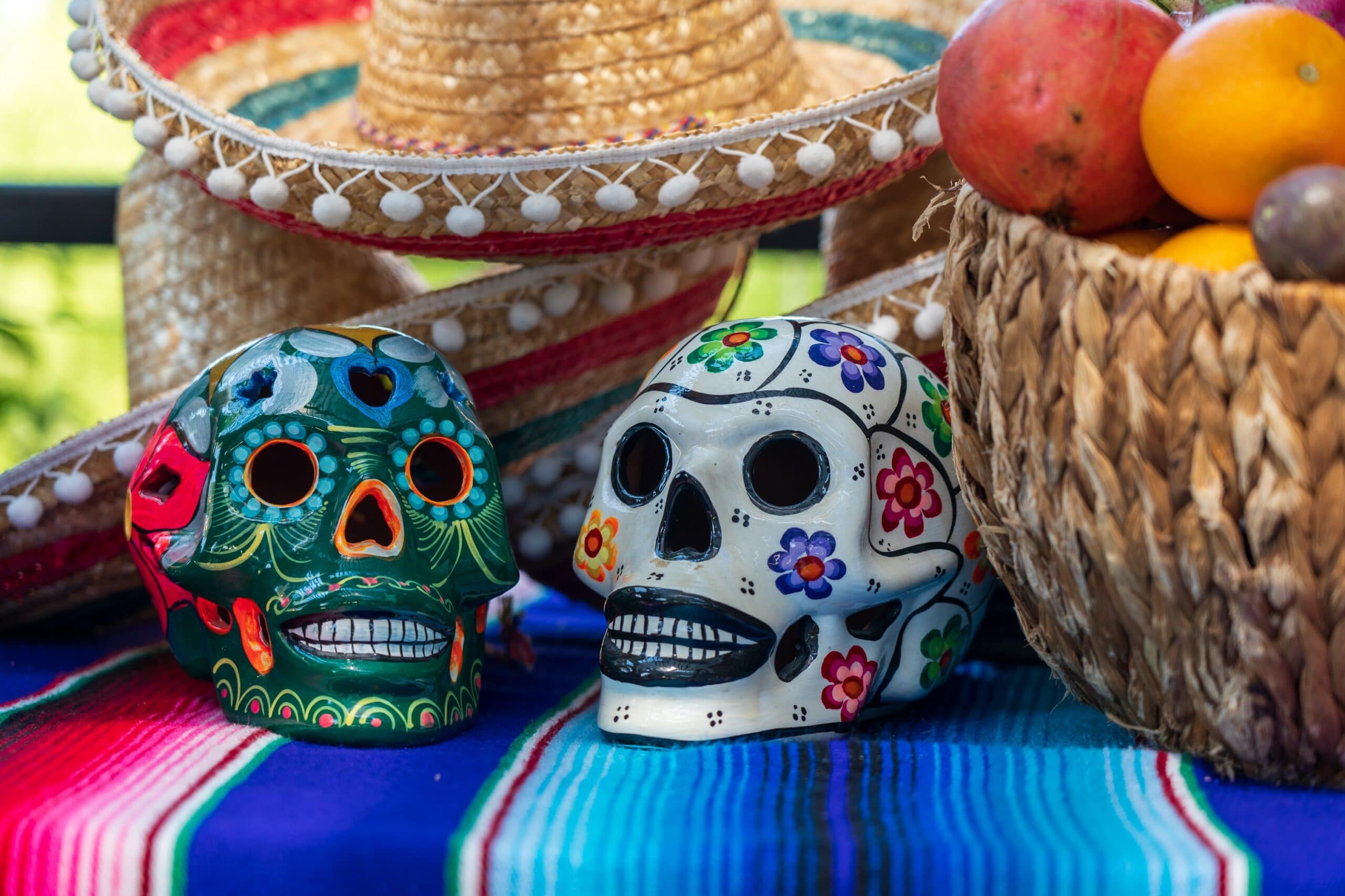 Dia de los Muertos (or Day of the Dead) is one of the one of the most popular cultural festivals held in Latin America. Most foreigners primarily associate the unique fiesta with Mexico, because this is where it originated, yet the festival holds spiritual and religious importance throughout the region. Costa Rica is no exception.
Since 2008, Dia de los Muertos has been inscribed in UNESCO’s list of Intangible Cultural Heritage of Humanity.
So how did this unique, colorful and mysterious festival start and what is it all about? More importantly, how is Dia de los Muertos celebrated in Costa Rica?
Read on to find out!
Book Your Unique Costa Rica Vacation Today!













What is Dia de los Muertos?
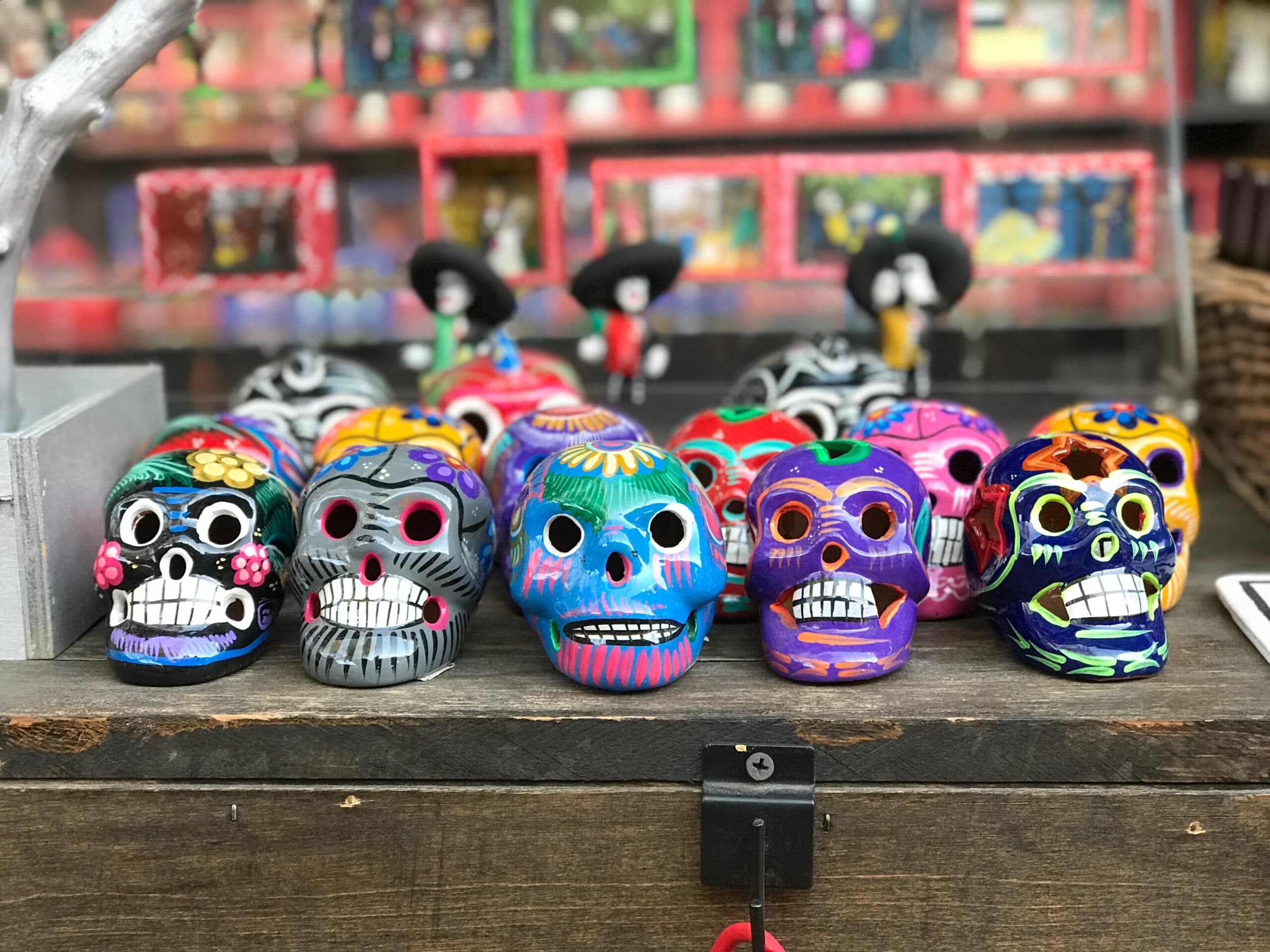 The festival has several names, both in English and Spanish. It is also known as Dia de Todos Almas (All Souls’ Day) and Dia de Todos Santos, or All Saints’ Day. The festival honors all those who have passed and ceremonies commemorate not just loved ones but Saints, as well.
Dia de los Muertos originated in Mesoamerica over 3,000 years ago and has undergone various transformations. Before the Spanish landed on the continent, indigenous Latin American cultures commemorated their ancestors for an entire month. Once converted to Christianity in the 1500s, however, locals combined their ancient ritual with the Christian celebration of All Saints, held on the 1st November.
This created a new combined festival, what we now know as Dia de los Muertos, typically held on November 1 and 2.
Why two days? Because the first day is dedicated to children who have passed away and, the second, to adults.
Book Your Unique Costa Rica Vacation Today!
How is Dia de los Muertos Celebrated in Costa Rica?
A few countries, like Mexico, consider this the single most significant day on the cultural calendar and celebrations there are usually grander than you’d experience in Costa Rica. Rather than take on a more typical, Christian-slanted view of the day (which is to say events are mournful in nature) Latin Americans take to celebrating the lives of the departed instead. Instead of focusing on the sadness of their passing, they celebrate their past existence. This is why All Souls’ Day in the region is a much more joyous and colorful event than its (original) European counterpart.
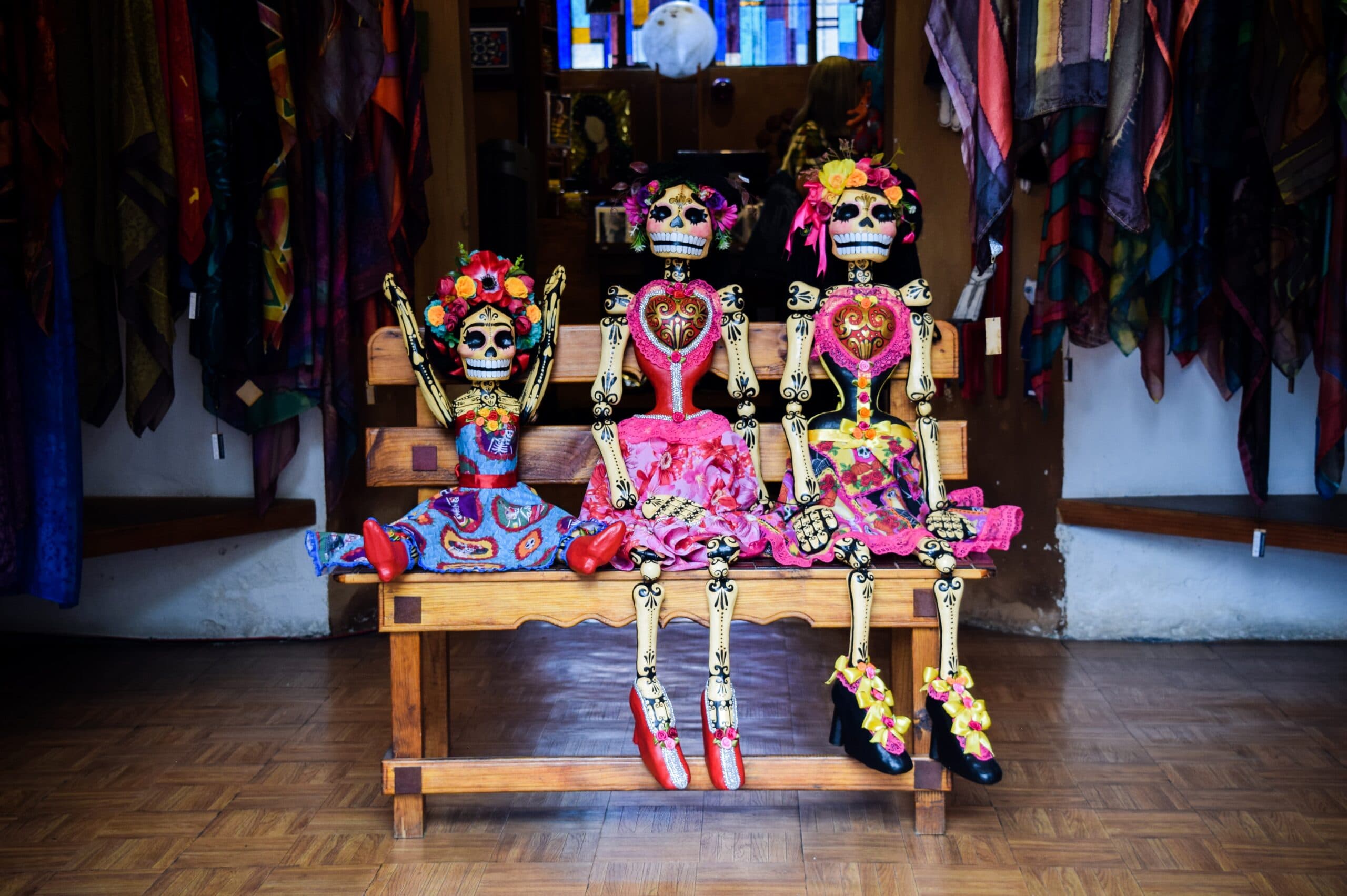 In Costa Rica, the festivities are more subdued than in Mexico, and held over one day only (November 2). Altars are created in homes in reverence to the dead, and families spend the day visiting and decorating the graves of their loved ones in local cemeteries. In recent years, Costa Rica has been holding an increasing number of festivities, reflecting the growing popularity of Dia de los Muertos.
If you happen to be in San Jose on the 2nd November, stop by the Calvary Central Cemetery and partake in the yearly Dia de los Muertos festivities, which typically include music, dance, food, arts and crafts strolls, as well as fun activities for children. Keep your eyes peeled on the cemetery’s Facebook page for upcoming events.
Book Your Unique Costa Rica Vacation Today!
If you are in town on the last week in October, you can also visit the San Jose Museum of Art, which has been holding Dia de los Muertos celebrations for over 20 years.
Although Costa Rica does not hold parades and lavish celebrations for Dia de los Muertos just yet, the country boasts a sizeable Mexican expat population when compared with other Latin American countries. This has meant that events have been getting increasingly more elaborate here too, especially in the San Jose suburb of Barrio Chino (Chinatown).
The Mexican Institute of Costa Rica also holds various events to mark Dia de los Muertos in the capital – visit their Facebook page to keep up to date if traveling to Costa Rica at this time.
Costa Rica vs. Mexico: Understanding the Differences
While Día de los Muertos originated in Mexico and remains most elaborately celebrated there, Costa Rica’s observance reflects the country’s unique cultural blend of Catholic tradition and more subdued indigenous influence. Understanding these differences helps travelers appreciate the distinct character of Costa Rican celebrations.
Scale and Duration
In Mexico, Día de los Muertos is a multi-day celebration beginning on October 31 and continuing through November 2. The first day honors deceased children (Día de los Angelitos), while November 2 is dedicated to deceased adults. Costa Rica observes the holiday primarily on November 2 as Día de los Difuntos (Day of the Deceased) or All Souls’ Day, compressing the celebration into a single, more focused day of remembrance.
Visual Spectacle
Mexican celebrations are renowned for their visual extravagance: elaborate sugar skulls decorated with colorful icing and names of the deceased, towering multi-tiered altars (ofrendas) laden with photographs, marigolds, papel picado (decorative perforated paper), favorite foods, beverages, and personal mementos. Face painting transforms participants into elegant calaveras (skulls), and streets fill with costumed celebrants during grand parades.
Costa Rican observances are considerably more understated. While families do create altars in their homes and at gravesites, these tend to be simpler—featuring photographs, candles, fresh flowers, and perhaps a few personal items or favorite foods of the deceased. The emphasis falls more heavily on quiet reflection and family gathering rather than elaborate artistic displays.
Cultural Expression
Mexico embraces Día de los Muertos as perhaps its most important cultural celebration, with festivities that are exuberant, colorful, and sometimes even humorous in their approach to death. The holiday features mariachi music, traditional dances, street festivals, and a palpable sense of joyous celebration mixed with remembrance.
Costa Rica’s approach is more solemn and contemplative. The day maintains a reverent atmosphere focused on prayer, family unity, and peaceful remembrance. While not entirely devoid of celebration, the tone emphasizes reflection over revelry, aligning more closely with the Catholic observance of All Souls’ Day.
The Growing Mexican Influence
In recent years, Costa Rica has experienced an increase in more elaborate Día de los Muertos celebrations, particularly in areas with significant Mexican expat populations. San José’s Barrio Chino (Chinatown) has become a hub for more traditional Mexican-style festivities, featuring authentic altars, Pan de Muerto, sugar skulls, and cultural performances. The Mexican Institute of Costa Rica actively promotes these traditions, organizing workshops, exhibitions, and celebrations that introduce Costa Ricans and international visitors to more elaborate Mexican customs.
This cultural exchange has enriched Costa Rica’s observance while maintaining respect for the country’s own traditions. The result is a gradual evolution where some Costa Ricans adopt certain Mexican elements, such as creating more elaborate altars or baking Pan de Muerto; while preserving the fundamentally quieter, family-centered nature of their own celebrations.
Key Traditions and Customs of Día de los Muertos in Costa Rica
While Día de los Muertos in Costa Rica shares foundational concepts with other Latin American observances, the country has developed distinctive practices that reflect its cultural identity. These traditions blend Catholic ritual, family values, and evolving influences from Mexican customs, creating a uniquely Costa Rican approach to honoring the deceased.
Visiting and Decorating Cemeteries
The cornerstone of Costa Rican Día de los Muertos celebrations is the pilgrimage to cemeteries. On November 2, families throughout the country make their way to the final resting places of their loved ones. This is not a somber, obligatory visit but rather a meaningful act of love and remembrance.
Family members arrive with cleaning supplies, fresh flowers, candles, and often gardening tools. They carefully clean headstones, remove weeds, trim grass around graves, and restore the area to pristine condition. This physical act of care represents ongoing devotion to the deceased—a tangible demonstration that they remain important and remembered.
Once the graves are clean, families arrange elaborate floral displays. Unlike some Latin American countries where specific flower types dominate, Costa Ricans use a variety of vibrant fresh flowers, though marigolds (cempasúchil) have become increasingly popular due to Mexican influence. The flowers symbolize the beauty and fragility of life, serving as visual reminders that the deceased, though physically absent, remain cherished in the hearts of the living.
Candles are lit at gravesites, their flames representing both the light that guides spirits and the enduring nature of memory. Families often spend hours at the cemetery—not in tears, but in conversation, sharing stories about the deceased, updating departed loved ones on family news, and maintaining the spiritual connection between the living and the dead.
The Significance of Flowers
Flowers play a central symbolic role in Costa Rican Día de los Muertos observances. Fresh, colorful blooms are not merely decorative; they carry deep meaning about life, death, and remembrance.
Marigolds, with their vibrant orange and yellow hues, have strong associations with death in Latin American tradition. Their bright colors and strong fragrance are believed to attract the spirits of the deceased, helping guide them back to visit the living. In Mexican tradition, marigolds create paths from altars to graves, allowing spirits to find their way. While this specific practice is less common in Costa Rica, the symbolic value of marigolds has gained recognition, particularly in areas with Mexican cultural influence.
Beyond marigolds, Costa Ricans favor any bright, fresh flowers that reflect joy and celebration. Roses, lilies, carnations, and tropical blooms native to Costa Rica all find their way to gravesites. The choice often reflects the personal preferences of the deceased; favorite colors or flower types become part of the tribute.
The emphasis on fresh rather than artificial flowers distinguishes Costa Rican practice from some other traditions. Fresh flowers, which will eventually wilt and die, serve as reminders of life’s temporary nature. This acceptance of impermanence aligns with the philosophical core of Día de los Muertos: death is natural, inevitable, and nothing to fear.
Catholic Masses and Prayer Services
Costa Rica’s strong Catholic heritage manifests clearly in Día de los Muertos observances. November 2 is recognized as a Holy Day of Obligation in the Catholic Church, and special masses are held throughout the country to honor deceased loved ones.
These services take place both in churches and at cemeteries. The Cementerio Central in San José and other major cemeteries often host outdoor masses, allowing families to pray for their deceased relatives at the actual gravesites. Priests lead prayers for the souls of the departed, asking God to grant them peace and rest.
For many Costa Rican families, attending mass on November 2 is non-negotiable. The religious service provides spiritual comfort, reinforces faith-based beliefs about the afterlife, and creates a communal experience of mourning and hope. Prayers focus on asking for divine mercy for the deceased, expressing gratitude for their lives, and seeking peace for those left behind.
This Catholic dimension distinguishes Costa Rican celebrations from pre-Columbian traditions and even from some Mexican observances that emphasize indigenous spiritual elements. In Costa Rica, the Christian framework—with its concepts of heaven, purgatory, and the communion of saints—provides the primary theological context for understanding and honoring death.
Creating Home Altars (Ofrendas)
While not as elaborate or universal as in Mexico, some Costa Rican families create small altars in their homes to honor deceased loved ones. These ofrendas serve as focal points for family remembrance, inviting the spirits of the departed to visit.
A typical Costa Rican home altar might include:
Photographs: Images of the deceased occupy the central position, making them the heart of the ofrenda. These photos help children and younger family members maintain visual connections with ancestors they may have never met or barely remember.
Candles: Lit candles symbolize hope, faith, and the light of memory that continues even after death. Some families light one candle for each deceased family member.
Religious Items: Crucifixes, rosaries, prayer cards, and images of saints reflect the Catholic character of Costa Rican celebrations. These items connect the remembrance to faith-based beliefs about eternal life and salvation.
Personal Belongings: Small items that belonged to or were beloved by the deceased—a favorite hat, a piece of jewelry, a book, a musical instrument—may be placed on the altar. These objects serve as tangible connections to the person’s earthly life and personality.
Favorite Foods and Drinks: Some families place the deceased’s preferred foods or beverages on the altar. A cup of coffee for a grandmother who loved her morning café, a bottle of beer for a father who enjoyed relaxing after work, or sweets for children who passed away young. These offerings acknowledge that the deceased had preferences, tastes, and pleasures in life.
Fresh Flowers: Flowers from the cemetery visit or additional blooms beautify the altar while carrying their symbolic meaning of life’s beauty and brevity.
While Mexican ofrendas often include sugar skulls, Pan de Muerto, multiple tiers, and extensive decorative elements, Costa Rican versions tend toward simplicity. The focus remains on personal connection rather than elaborate presentation, though this is gradually changing as Mexican influences spread.
Traditional Music and Storytelling
Día de los Muertos in Costa Rica creates space for oral tradition and musical expression. Families gathering at cemeteries or at home often share stories about the deceased—funny anecdotes, memorable moments, lessons learned, and characteristics that made their loved ones unique.
This storytelling serves multiple purposes. It keeps the memory of the deceased alive, ensures younger generations know their family history, provides comfort through shared experience, and transforms grief into celebration of a life well-lived. Laughter often accompanies these stories, as families remember humorous incidents or quirky personality traits.
Music also plays a role, though less prominently than in Mexican celebrations. Traditional Costa Rican music, religious hymns, or even the deceased’s favorite songs may be played or sung. Some cemetery gatherings feature live musicians performing traditional melodies, creating an atmosphere that balances solemnity with gentle celebration.
Community Gatherings and Social Aspects
While Día de los Muertos centers on family, it also has significant community dimensions. Cemeteries become gathering places where extended families, friends, and even entire neighborhoods converge. People greet each other, share food, exchange memories, and provide mutual support.
In smaller towns and rural areas, this community aspect intensifies. Nearly everyone knows each other, and cemetery visits become social events that strengthen community bonds. Neighbors help elderly residents transport flowers or navigate uneven cemetery paths. Young people assist in grave maintenance for families who have moved away or aged relatives who can no longer perform the physical work.
Some communities organize cultural events around Día de los Muertos. These might include art exhibitions, craft workshops, traditional food preparation demonstrations, or educational programs about the holiday’s history and significance. Such events help younger generations appreciate the tradition while welcoming international visitors to learn about Costa Rican culture.
Incense and Aromatics
While less common than in Mexican traditions, some Costa Rican families incorporate incense into their Día de los Muertos observances. Incense serves both practical and spiritual purposes.
Practically, the fragrant smoke creates a pleasant atmosphere and masks any unpleasant cemetery odors. Spiritually, incense has deep roots in Catholic ritual, where it symbolizes prayers rising to heaven and the presence of the divine. In the context of Día de los Muertos, incense can be understood as purifying the space where the living and dead meet, or as a sensory invitation to departed spirits.
Copal, a resin incense used in pre-Columbian rituals, sometimes appears in Costa Rican celebrations influenced by Mexican or broader indigenous traditions. Its distinctively earthy, pine-like fragrance connects modern observances to ancient practices.
The Evolution of Traditions
Costa Rican Día de los Muertos traditions continue to evolve. Younger generations exposed to Mexican culture through media, travel, or Mexican friends often adopt elements like sugar skull decorations, Pan de Muerto baking, or more elaborate altar construction. Social media has accelerated this cultural exchange, with Costa Ricans sharing photos of altars and celebrations that inspire others to expand their own observances.
Simultaneously, core Costa Rican values; family unity, quiet reflection, Catholic faith, and respect for the deceased; remain central. The holiday adapts while maintaining its essential character: a day for families to gather, honor those who have passed, and reaffirm the enduring bonds that death cannot break.
Where to Celebrate Día de los Muertos in Costa Rica
While Día de los Muertos is observed throughout Costa Rica, certain locations offer particularly rich opportunities to experience the holiday’s traditions, cultural significance, and community spirit. From the capital’s vibrant celebrations to intimate rural gatherings, these destinations provide diverse ways to witness and participate in this meaningful observance.
San José: The Cultural Heart
As Costa Rica’s capital and largest city, San José serves as the epicenter of Día de los Muertos celebrations, offering the widest variety of events, activities, and cultural experiences.
Cementerio Central (Central Cemetery): This historic cemetery becomes one of the most active sites on November 2. Thousands of families converge to honor their deceased loved ones, creating a powerful atmosphere of collective remembrance. The cemetery typically hosts special Catholic masses, live music performances, traditional dance presentations, and cultural activities. Vendors sell flowers, candles, and traditional foods outside the gates. The scale and diversity of San José’s population means visitors can observe many different approaches to the holiday, from simple grave decorations to more elaborate Mexican-influenced displays.
Calvary Catholic Cemetery: Another major cemetery in San José, Calvary offers similar programming with masses, music, and community gatherings. The cemetery’s Facebook page provides updates on specific events and timing for those planning to visit.
National Theater (Teatro Nacional): Costa Rica’s premier cultural venue often hosts special performances, exhibitions, or cultural programs related to Día de los Muertos. These might include traditional music concerts, dance performances, art installations exploring death and memory themes, or educational presentations about the holiday’s history and cultural significance.
San José Museum of Art: For over 20 years, this institution has celebrated Día de los Muertos with special exhibitions, workshops, and events. Activities typically include altar-building demonstrations, traditional craft workshops (such as making paper flowers or decorative elements), lectures on the holiday’s evolution, and art exhibitions featuring works that explore themes of death, memory, and cultural identity. Events often begin in late October and continue through early November.
Barrio Chino (Chinatown): San José’s Chinatown neighborhood has emerged as a hub for more elaborate, Mexican-style Día de los Muertos celebrations. The area’s Mexican expat community and Mexican-owned businesses organize authentic festivities featuring traditional altars, Pan de Muerto and other Mexican foods, sugar skull decorating workshops, folkloric dance performances, and mariachi music. These celebrations offer a more colorful, festive atmosphere that contrasts with—and complements—traditional Costa Rican observances.
Mexican Institute of Costa Rica: Located in Los Yoses, this cultural organization serves as the primary promoter of Mexican traditions in Costa Rica. Throughout late October and early November, the Institute typically offers lectures about Mexican death traditions, workshops on creating ofrendas and preparing Pan de Muerto, art exhibitions featuring Mexican artists, film screenings about Día de los Muertos, and a major celebration on November 2 with traditional foods, live performances, and elaborate altars. Checking their Facebook page or calling ahead provides current information on scheduled events.
Manuel Antonio: Pacific Coast Celebrations: While primarily known as a beach destination, Manuel Antonio offers opportunities to experience local culture alongside natural beauty. Families visiting the area during early November can observe how coastal communities honor their deceased loved ones, then balance cultural immersion with beach activities and wildlife viewing at one of Costa Rica’s most beloved national parks.
Local Markets: San José’s farmers’ markets and artisan markets take on special character during Día de los Muertos season. Vendors sell flowers in tremendous volumes, traditional foods, handcrafted candles, religious items, and increasingly, Mexican-influenced decorations like sugar skull crafts and papel picado. The Central Market (Mercado Central) becomes particularly vibrant, offering both supplies for cemetery visits and ready-to-eat traditional foods.
Cartago: Historical and Religious Significance
Cartago, Costa Rica’s former capital and a city steeped in religious tradition, offers a more solemn, deeply Catholic approach to Día de los Muertos.
- Basílica de Nuestra Señora de Los Ángeles: This stunning basilica, home to Costa Rica’s patron saint (La Negrita), becomes a focal point for religious observances on November 2. Special masses honor the deceased, and pilgrims come from throughout the country to pray for departed loved ones. The basilica’s spiritual importance adds profound meaning to Día de los Muertos observances in Cartago.
- Cartago Central Cemetery: Families gather here in large numbers, creating a moving display of devotion. The cemetery’s historical character—with graves dating back centuries—provides tangible connections to Costa Rican history and the generations who came before.
- Central Plaza: Cartago’s main square features cultural activities, food vendors, artisan stalls, and sometimes live performances. The colonial architecture and historical atmosphere create a beautiful backdrop for Día de los Muertos gatherings.
For travelers interested in the religious dimensions of Día de los Muertos, Cartago offers the most authentic expression of Catholic faith traditions blended with remembrance of the deceased.
Heredia: The City of Flowers
Heredia, known as “La Ciudad de las Flores” (The City of Flowers), embraces Día de los Muertos with particular attention to floral beauty and community celebration.
- Central Park and Surrounding Area: Heredia’s charming central district hosts community events, including small parades, cultural fairs featuring local artisans, traditional music performances, and food vendors offering Costa Rican specialties. The town’s intimate scale creates a warm, welcoming atmosphere perfect for visitors seeking authentic cultural experiences.
- Local Markets: Heredia’s flower markets explode with color during late October and early November. The city’s reputation as a flower-growing region means exceptional variety and quality. Families purchasing flowers for cemetery visits create a bustling, vibrant atmosphere.
- Heredia Cemeteries: Local cemeteries maintain more intimate, community-focused observances. Families who have lived in Heredia for generations maintain their ancestors’ graves, and the personal connections between mourners create touching scenes of intergenerational remembrance.
The floral emphasis naturally aligns with Día de los Muertos symbolism, making Heredia a particularly beautiful location to experience the holiday’s aesthetic dimensions.
Atenas: Intimate Cultural Experience
Atenas, a small town famous for having one of the world’s best climates, offers intimate, authentic Día de los Muertos experiences far removed from tourist crowds.
- Community Celebrations: Atenas hosts local fairs featuring traditional music, dance performances, artisan crafts, and home-style cooking. The scale remains small and personal, allowing visitors to engage meaningfully with locals.
- Home Altars: Families in Atenas often welcome interested visitors to view their home altars, share stories about their deceased loved ones, and explain the significance of various altar elements. This personal hospitality provides deep cultural insight unavailable in larger, more anonymous settings.
- Local Cemetery: The town cemetery becomes a genuine community gathering space where nearly everyone knows each other. Observing these interactions reveals the social dimensions of Día de los Muertos and how remembrance strengthens community bonds.
For travelers seeking authentic, off-the-beaten-path cultural experiences, Atenas provides meaningful connections with Costa Rican traditions in their purest form.
Puntarenas: Coastal Celebrations
Puntarenas, Costa Rica’s principal Pacific port city, offers a distinct coastal character to Día de los Muertos observances.
Urban Cemetery Visits: Puntarenas families maintain the tradition of cemetery visits and grave decoration, but the coastal location adds unique elements—sea breezes carrying the scent of salt and flowers, tropical heat requiring early-morning or late-afternoon visits, and fishing community traditions that honor those lost at sea.
Cultural Events: The city sometimes organizes public events including musical performances, art exhibitions exploring maritime themes and memory, and food festivals featuring coastal cuisine.
Beach Town Atmosphere: The combination of solemn remembrance with Puntarenas’ generally relaxed, tropical atmosphere creates an interesting contrast—respectful observation of tradition within a vacation destination context.
Tamarindo and Beach Communities
While not traditional hubs for Día de los Muertos, Costa Rica’s popular beach destinations increasingly acknowledge the holiday, particularly in response to Mexican tourist populations and expat communities.
Themed Events: Beach towns like Tamarindo sometimes host Día de los Muertos themed gatherings at restaurants, bars, or cultural centers. These tend toward celebratory rather than solemn, featuring Mexican food and drink specials, sugar skull decorating activities, live music, and educational presentations about the holiday.
Cultural Exchange: These events serve as opportunities for cultural exchange, introducing international tourists to Día de los Muertos traditions while providing Mexican expatriates and Costa Ricans living in beach areas ways to observe the holiday away from family.
While less authentic than cemetery visits in traditional towns, beach community celebrations demonstrate how Día de los Muertos continues evolving and adapting to new contexts.
Rural Villages: Authentic Tradition
Beyond specific named locations, Costa Rica’s countless small rural villages offer perhaps the most authentic Día de los Muertos experiences. In these communities, traditions remain strongest, Catholic faith runs deepest, and family connections span generations.
Rural cemeteries see nearly entire communities gathering on November 2. Extended families work together cleaning and decorating graves, elderly members share stories with younger generations, and the holiday serves as an important social occasion for communities where everyone knows everyone.
Visitors respectfully exploring rural areas during Día de los Muertos may encounter genuine hospitality, invitations to share food, and opportunities to learn about traditions maintained across centuries. These experiences, though harder to plan or predict, often prove most memorable and culturally meaningful.
Symbolic Elements and Their Meanings
Día de los Muertos incorporates numerous symbolic elements, each carrying specific meanings about life, death, memory, and the relationship between the living and the deceased. Understanding these symbols deepens appreciation for the holiday’s philosophical and spiritual dimensions.
Marigolds (Cempasúchil): The Flower of the Dead
Marigolds hold profound symbolic importance in Día de los Muertos traditions, particularly in Mexican celebrations that increasingly influence Costa Rican observances. These vibrant orange and yellow flowers are known as “cempasúchil” in Nahuatl, the Aztec language, or “flor de muerto” (flower of the dead) in Spanish.
Guiding Spirits: The marigold’s bright colors and strong, distinctive fragrance are believed to attract the spirits of the deceased and guide them back to the world of the living. In traditional Mexican observances, marigold petals create paths from altars to graves or from the street to home altars, providing a scented trail for spirits to follow.
The Color of the Sun: Marigolds’ golden-orange hue represents the sun, which in Aztec cosmology was associated with life force and spiritual energy. This connection links the living world’s vitality with the spiritual realm where the deceased reside.
Beauty and Fragility: Like all flowers, marigolds bloom brilliantly but briefly, serving as natural metaphors for human life’s beauty and impermanence. Their presence at graves acknowledges death’s inevitability while celebrating life’s vibrant moments.
In Costa Rica, marigolds have become increasingly popular alongside traditional flower choices, representing the growing Mexican cultural influence and providing visual continuity with broader Latin American Día de los Muertos traditions.
Candles: Light in Darkness
Candles appear universally in Día de los Muertos observances across all Latin American countries, including Costa Rica. Their symbolism operates on multiple levels.
- Lighting the Path: Candles illuminate the way for spirits traveling from the afterlife to visit the living. This practical symbolism transforms darkness (death, the unknown) into light (memory, presence, guidance).
- Faith and Prayer: In Catholic tradition, lighting candles accompanies prayer and represents faith’s enduring nature. Candles at graves symbolize ongoing prayers for the deceased’s souls and the light of eternal life promised by Christian theology.
- Memory’s Flame: A candle’s flame, constantly moving yet enduring, represents memory itself; alive, active, and requiring tending. As long as someone lights a candle and speaks a name, that person remains present in some meaningful sense.
- The Individual and Community: Individual candles represent specific deceased persons, while many candles burning together symbolize the community of the dead and the collective nature of loss and remembrance.
Costa Rican families often light multiple candles at gravesites, with one for each deceased family member, creating small constellations of light that mark each life individually while uniting them in family bonds.
Water: Quenching Spiritual Thirst
In traditional Mexican Día de los Muertos altars, glasses of fresh water are placed as offerings to deceased spirits. This practice, though less common in Costa Rica’s more Catholic-oriented observances, carries beautiful symbolism.
Water quenches the thirst of spirits who have journeyed from the afterlife to visit the living. The offering acknowledges their effort and welcomes them with hospitality, treating them as honored guests rather than frightening supernatural entities.
Water also represents purity, life, and renewal. In many spiritual traditions, water symbolizes the boundary between physical and spiritual realms, making it an appropriate element for occasions when those realms are believed to intersect.
Salt: Purification and Preservation
Salt appears on some Día de los Muertos altars as both practical symbol and spiritual element. Historically a preservative, salt represents the body’s preservation and the soul’s protection from corruption during its journey between worlds.
In Catholic tradition, salt blessed during religious rituals gains spiritual protective properties. Its presence on altars purifies the sacred space where living and dead commune and protects spirits during their visit.
Salt’s taste; sharp, essential, transformative, also represents life’s flavor and the distinct personality of each individual being remembered.
Incense and Copal: Sacred Smoke
Incense plays important roles in both Catholic liturgy and pre-Columbian spiritual practices, making it a powerful syncretic element in Día de los Muertos celebrations.
- Catholic Tradition: In Catholic masses and rituals, incense smoke symbolizes prayers rising to heaven and the presence of God. Burning incense at graves or on altars carries this meaning, representing the living community’s prayers for deceased souls.
- Indigenous Roots: Pre-Columbian peoples burned copal resin in religious ceremonies to honor deities and ancestors. This practice, thousands of years old, continues in modern Día de los Muertos celebrations, creating continuity with ancient traditions.
- Sensory Invitation: The strong fragrance of incense or copal serves as a sensory invitation to spirits, much like marigolds. The smoke creates a liminal, sacred atmosphere that marks physical space as spiritually significant.
- Purification: Smoke purifies and consecrates space, preparing it for the sacred meeting between living and dead. This transformation of ordinary space into sacred ground allows meaningful spiritual interaction.
While less prevalent in Costa Rica than Mexico, incense use is increasing, particularly in celebrations influenced by Mexican traditions or in communities maintaining indigenous heritage.
Sugar Skulls (Calaveras de Azúcar): Sweet Death
Sugar skulls represent one of Día de los Muertos’ most recognizable symbols, though they’re more strongly associated with Mexican than Costa Rican traditions. Their presence is increasing in Costa Rica, particularly in urban areas and Mexican-influenced celebrations.
Playful Mortality: Sugar skulls’ cheerful decoration; bright colors, flowers, swirls, and patterns; represents a playful, non-fearful approach to death. By transforming death’s symbol (the skull) into something sweet and beautiful, sugar skulls embody the holiday’s philosophy: death is natural and can be approached with joy rather than dread.
Personalization: Traditional sugar skulls are decorated with names, allowing families to create personalized tributes to specific deceased individuals. This personalization acknowledges each person’s unique identity and maintains their individual presence in family memory.
Life’s Sweetness: Made from sugar, these skulls literally taste sweet, representing life’s pleasures and happy memories associated with the deceased. They transform death’s symbol into something delightful, celebrating the sweet experiences shared with loved ones.
Acceptance: By creating, decorating, displaying, and even eating sugar skulls, participants actively engage with death imagery in non-threatening ways. This familiarization helps develop healthier, more accepting attitudes toward mortality.
In Costa Rica, sugar skulls appear primarily in Mexican-influenced celebrations, Mexican restaurants and cultural centers, craft workshops teaching Mexican traditions, and increasingly in home altars created by younger Costa Ricans adopting Mexican customs.
Pan de Muerto: The Bread of the Dead
Pan de Muerto, though traditionally Mexican, has gained recognition in Costa Rica and carries rich symbolism.
Body and Bones: This sweet bread’s round shape represents a skull, while the cross-shaped decorative pieces on top symbolize bones. Some versions include a tear-shaped piece representing tears shed for the deceased. Despite this morbid imagery, Pan de Muerto tastes sweet and delicious, again embodying the transformation of death symbols into something nurturing and pleasant.
Eucharistic Connection: Bread holds profound significance in Catholic theology as Christ’s body in the Eucharist. Pan de Muerto’s bread form connects to this sacred symbolism, linking remembrance of deceased loved ones to Christian concepts of resurrection and eternal life.
Sharing and Community: Bread is fundamentally communal food, broken and shared. Pan de Muerto’s consumption brings families together and creates bonds between living members while honoring the dead.
Offering to Spirits: When placed on altars, Pan de Muerto serves as an offering to visiting spirits, providing nourishment for their journey and demonstrating hospitality toward honored guests.
In Costa Rica, Pan de Muerto is increasingly available in bakeries with Mexican owners or in areas with significant Mexican populations, and some Costa Rican families have adopted the tradition of baking or purchasing it for home altars.
Photographs: Presence Through Image
Photographs serve as altar centerpieces and grave decorations, providing the most direct, personal connection to deceased individuals.
- Visual Memory: Photographs preserve the deceased’s physical appearance, ensuring younger generations can visualize ancestors they never met and preventing the dead from fading into abstract memory.
- Presence: A photograph functions almost as a proxy for the deceased person’s presence. Looking at the image while speaking prayers or sharing memories creates a sense of direct communication.
- Identity: Photos remind observers that the deceased were real individuals with specific faces, expressions, and personalities. They counteract death’s tendency to reduce people to abstract loss, maintaining each person’s unique identity.
- Generational Connection: Photographs spanning generations—grandparents, parents, children; display family continuity and help younger members understand their place in ongoing family history.
Costa Rican altars and graves almost always feature photographs, making this one of the most universal elements across different approaches to Día de los Muertos.
Personal Belongings: Individual Identity
Including deceased individuals’ personal belongings on altars or at graves honors their specific identities, preferences, and personalities.
- Favorite Objects: A beloved musical instrument, reading glasses, a favorite hat, jewelry, or hobby-related items acknowledge the deceased as a unique individual with particular tastes and interests.
- Continued Presence: These objects suggest the deceased person still “possesses” belongings and maintains some form of continued existence rather than being completely absent.
- Storytelling Prompts: Physical objects trigger memories and stories, helping families share information about the deceased with younger members who might not remember them clearly.
- Love and Care: Maintaining and displaying someone’s belongings demonstrates ongoing love and the refusal to forget. It shows that the deceased person’s life and preferences still matter.
Traditional Foods: Nourishment and Memory
Placing deceased individuals’ favorite foods on altars or bringing them to graves serves multiple symbolic purposes.
- Hospitality: Offering food treats visiting spirits as honored guests, demonstrating love and welcome. This parallels how the living show affection by preparing favorite dishes for family members.
- Memory Triggers: Specific foods associated with specific people trigger memories; grandmother’s preference for strong coffee, father’s love of a particular dessert, a child’s favorite candy. These sensory connections make remembrance more vivid and personal.
- Sharing Meals: When living family members consume these foods together, they recreate shared meals with the deceased, maintaining family dining traditions and creating continuity between past and present.
- Life’s Pleasures: Food represents one of life’s fundamental pleasures. Offering favorite foods celebrates the deceased’s ability to enjoy life and acknowledges that those pleasures were important and valuable.
In Costa Rica, offerings might include traditional Costa Rican dishes, coffee (extremely important in Costa Rican culture), favorite desserts, fresh fruits, or any food particularly associated with the deceased individual.
Understanding these symbolic elements transforms Día de los Muertos from simple grave decoration into a rich philosophical statement about death, memory, love, and the enduring connections that survive physical separation.
Celebrating Dia de los Muertos in Costa Rica
Since 2008, Dia de los Muertos has been inscribed in UNESCO’s list of Intangible Cultural Heritage of Humanity.
So how did this unique, colorful and mysterious festival start and what is it all about? More importantly, how is Dia de los Muertos celebrated in Costa Rica?
Read on to find out!
Table of Contents
- What is Dia de los Muertos?
- The Origins and Historical Evolution
- How is Dia de los Muertos Celebrated in Costa Rica?
- Costa Rica vs. Mexico: Understanding the Differences
- Key Traditions and Customs of Día de los Muertos in Costa Rica
- Where to Celebrate Día de los Muertos in Costa Rica
- Symbolic Elements and Their Meanings
- Traditional Foods of Día de los Muertos in Costa Rica
- Día de los Muertos for Families and Children in Costa Rica
- Experiencing Día de los Muertos in Costa Rica as a Traveler
- Travel Tips for Visiting Costa Rica During Día de los Muertos
- Is Costa Rica worth visiting in November?
- Frequently Asked Questions
What is Dia de los Muertos?
Dia de los Muertos originated in Mesoamerica over 3,000 years ago and has undergone various transformations. Before the Spanish landed on the continent, indigenous Latin American cultures commemorated their ancestors for an entire month. Once converted to Christianity in the 1500s, however, locals combined their ancient ritual with the Christian celebration of All Saints, held on the 1st November.
This created a new combined festival, what we now know as Dia de los Muertos, typically held on November 1 and 2.
Why two days? Because the first day is dedicated to children who have passed away and, the second, to adults.
The Origins and Historical Evolution
The roots of Día de los Muertos stretch back over three millennia to the pre-Columbian civilizations of Mesoamerica. The Aztec people celebrated at least six festivals throughout the year honoring death and the deceased, with the celebration of Quecholli being the closest ancestral tradition to modern Día de los Muertos. This festival, dedicated to Mixcóatl, the god of war, took place between October 20 and November 8 and included placing altars with tamales near burial sites to assist warriors in their journey to the afterlife.
Indigenous peoples across Latin America viewed death not as an ending but as a natural continuation of life’s cycle. They believed the deceased remained active members of the community, maintaining a spiritual presence and connection with the living. These civilizations would dedicate entire months to honoring their ancestors, creating elaborate ceremonies that celebrated the continuity between life and death.
The Spanish Colonial Influence
When Spanish colonizers arrived in the Americas during the 16th century, they brought with them Catholic rituals and the Christian liturgical calendar. The collision of these two worldviews; indigenous beliefs about death and Catholic observances of All Saints’ Day (November 1) and All Souls’ Day (November 2); resulted in a unique syncretic tradition.
Rather than completely eradicating indigenous practices, Catholicism merged with existing beliefs. The result was a holiday that honored Catholic saints and souls while maintaining the celebratory, life-affirming spirit of indigenous death rituals. This blending created what is recognized today as Día de los Muertos, though it manifests differently across Latin American countries depending on the strength of indigenous influence and local Catholic traditions.
Día de los Muertos in the Modern Era
In 2008, UNESCO recognized the importance of this cultural tradition by inscribing Día de los Muertos on its Representative List of the Intangible Cultural Heritage of Humanity. This designation acknowledged the holiday’s significance in maintaining cultural identity, fostering respect for deceased loved ones, and promoting the philosophical concept that death is a natural part of the human experience to be celebrated rather than feared.
Today, Día de los Muertos continues to evolve. In Mexico, it has become one of the most important cultural celebrations, with elaborate parades, artistic expressions, and grand festivities. In other Latin American countries, including Costa Rica, the observance maintains a more solemn, reflective character while still honoring the tradition’s core values of remembrance and celebration of life.
How is Dia de los Muertos Celebrated in Costa Rica?
A few countries, like Mexico, consider this the single most significant day on the cultural calendar and celebrations there are usually grander than what travelers experience in Costa Rica. Rather than take on a more typical, Christian-slanted view of the day (which is to say events are mournful in nature) Latin Americans take to celebrating the lives of the departed instead. Instead of focusing on the sadness of their passing, they celebrate their past existence. This is why All Souls’ Day in the region is a much more joyous and colorful event than its (original) European counterpart.
In Costa Rica, the festivities are more subdued than in Mexico, and held over one day only (November 2). Altars are created in homes in reverence to the dead, and families spend the day visiting and decorating the graves of their loved ones in local cemeteries.
If visitors happen to be in San Jose on the 2nd November, they can stop by the Calvary Central Cemetery and partake in the yearly Dia de los Muertos festivities, which typically include music, dance, food, arts and crafts strolls, as well as fun activities for children. Those interested should keep an eye on the cemetery’s Facebook page for upcoming events.
If traveling to Costa Rica during the last week in October, visitors can also attend the San Jose Museum of Art, which has been holding Dia de los Muertos celebrations for over 20 years.
Although Costa Rica does not hold parades and lavish celebrations for Dia de los Muertos just yet, the country boasts a sizable Mexican expat population when compared with other Latin American countries. This has meant that events have been getting increasingly more elaborate here too, especially in the San Jose suburb of Barrio Chino (Chinatown).
The Mexican Institute of Costa Rica also holds various events to mark Dia de los Muertos in the capital; visitors can check their Facebook page to stay up to date if traveling to Costa Rica at this time.
Costa Rica vs. Mexico: Understanding the Differences
While Día de los Muertos originated in Mexico and remains most elaborately celebrated there, Costa Rica’s observance reflects the country’s unique cultural blend of Catholic tradition and more subdued indigenous influence. Understanding these differences helps travelers appreciate the distinct character of Costa Rican celebrations.
Scale and Duration
In Mexico, Día de los Muertos is a multi-day celebration beginning on October 31 and continuing through November 2. The first day honors deceased children (Día de los Angelitos), while November 2 is dedicated to deceased adults. Costa Rica observes the holiday primarily on November 2 as Día de los Difuntos (Day of the Deceased) or All Souls’ Day, compressing the celebration into a single, more focused day of remembrance.
Visual Spectacle
Mexican celebrations are renowned for their visual extravagance: elaborate sugar skulls decorated with colorful icing and names of the deceased, towering multi-tiered altars (ofrendas) laden with photographs, marigolds, papel picado (decorative perforated paper), favorite foods, beverages, and personal mementos. Face painting transforms participants into elegant calaveras (skulls), and streets fill with costumed celebrants during grand parades.
Costa Rican observances are considerably more understated. While families do create altars in their homes and at gravesites, these tend to be simpler—featuring photographs, candles, fresh flowers, and perhaps a few personal items or favorite foods of the deceased. The emphasis falls more heavily on quiet reflection and family gathering rather than elaborate artistic displays.
Cultural Expression
Mexico embraces Día de los Muertos as perhaps its most important cultural celebration, with festivities that are exuberant, colorful, and sometimes even humorous in their approach to death. The holiday features mariachi music, traditional dances, street festivals, and a palpable sense of joyous celebration mixed with remembrance.
Costa Rica’s approach is more solemn and contemplative. The day maintains a reverent atmosphere focused on prayer, family unity, and peaceful remembrance. While not entirely devoid of celebration, the tone emphasizes reflection over revelry, aligning more closely with the Catholic observance of All Souls’ Day.
The Growing Mexican Influence
In recent years, Costa Rica has experienced an increase in more elaborate Día de los Muertos celebrations, particularly in areas with significant Mexican expat populations. San José’s Barrio Chino (Chinatown) has become a hub for more traditional Mexican-style festivities, featuring authentic altars, Pan de Muerto, sugar skulls, and cultural performances. The Mexican Institute of Costa Rica actively promotes these traditions, organizing workshops, exhibitions, and celebrations that introduce Costa Ricans and international visitors to more elaborate Mexican customs.
This cultural exchange has enriched Costa Rica’s observance while maintaining respect for the country’s own traditions. The result is a gradual evolution where some Costa Ricans adopt certain Mexican elements—such as creating more elaborate altars or baking Pan de Muerto—while preserving the fundamentally quieter, family-centered nature of their own celebrations.
Key Traditions and Customs of Día de los Muertos in Costa Rica
While Día de los Muertos in Costa Rica shares foundational concepts with other Latin American observances, the country has developed distinctive practices that reflect its cultural identity. These traditions blend Catholic ritual, family values, and evolving influences from Mexican customs, creating a uniquely Costa Rican approach to honoring the deceased.
Visiting and Decorating Cemeteries
The cornerstone of Costa Rican Día de los Muertos celebrations is the pilgrimage to cemeteries. On November 2, families throughout the country make their way to the final resting places of their loved ones. This is not a somber, obligatory visit but rather a meaningful act of love and remembrance.
Family members arrive with cleaning supplies, fresh flowers, candles, and often gardening tools. They carefully clean headstones, remove weeds, trim grass around graves, and restore the area to pristine condition. This physical act of care represents ongoing devotion to the deceased—a tangible demonstration that they remain important and remembered.
Once the graves are clean, families arrange elaborate floral displays. Unlike some Latin American countries where specific flower types dominate, Costa Ricans use a variety of vibrant fresh flowers, though marigolds (cempasúchil) have become increasingly popular due to Mexican influence. The flowers symbolize the beauty and fragility of life, serving as visual reminders that the deceased, though physically absent, remain cherished in the hearts of the living.
Candles are lit at gravesites, their flames representing both the light that guides spirits and the enduring nature of memory. Families often spend hours at the cemetery—not in tears, but in conversation, sharing stories about the deceased, updating departed loved ones on family news, and maintaining the spiritual connection between the living and the dead.
The Significance of Flowers
Flowers play a central symbolic role in Costa Rican Día de los Muertos observances. Fresh, colorful blooms are not merely decorative; they carry deep meaning about life, death, and remembrance.
Marigolds, with their vibrant orange and yellow hues, have strong associations with death in Latin American tradition. Their bright colors and strong fragrance are believed to attract the spirits of the deceased, helping guide them back to visit the living. In Mexican tradition, marigolds create paths from altars to graves, allowing spirits to find their way. While this specific practice is less common in Costa Rica, the symbolic value of marigolds has gained recognition, particularly in areas with Mexican cultural influence.
Beyond marigolds, Costa Ricans favor any bright, fresh flowers that reflect joy and celebration. Roses, lilies, carnations, and tropical blooms native to Costa Rica all find their way to gravesites. The choice often reflects the personal preferences of the deceased—favorite colors or flower types become part of the tribute.
The emphasis on fresh rather than artificial flowers distinguishes Costa Rican practice from some other traditions. Fresh flowers, which will eventually wilt and die, serve as reminders of life’s temporary nature. This acceptance of impermanence aligns with the philosophical core of Día de los Muertos: death is natural, inevitable, and nothing to fear.
Catholic Masses and Prayer Services
Costa Rica’s strong Catholic heritage manifests clearly in Día de los Muertos observances. November 2 is recognized as a Holy Day of Obligation in the Catholic Church, and special masses are held throughout the country to honor deceased loved ones.
These services take place both in churches and at cemeteries. The Cementerio Central in San José and other major cemeteries often host outdoor masses, allowing families to pray for their deceased relatives at the actual gravesites. Priests lead prayers for the souls of the departed, asking God to grant them peace and rest.
For many Costa Rican families, attending mass on November 2 is non-negotiable. The religious service provides spiritual comfort, reinforces faith-based beliefs about the afterlife, and creates a communal experience of mourning and hope. Prayers focus on asking for divine mercy for the deceased, expressing gratitude for their lives, and seeking peace for those left behind.
This Catholic dimension distinguishes Costa Rican celebrations from pre-Columbian traditions and even from some Mexican observances that emphasize indigenous spiritual elements. In Costa Rica, the Christian framework—with its concepts of heaven, purgatory, and the communion of saints—provides the primary theological context for understanding and honoring death.
Creating Home Altars (Ofrendas)
While not as elaborate or universal as in Mexico, some Costa Rican families create small altars in their homes to honor deceased loved ones. These ofrendas serve as focal points for family remembrance, inviting the spirits of the departed to visit.
A typical Costa Rican home altar might include:
Photographs: Images of the deceased occupy the central position, making them the heart of the ofrenda. These photos help children and younger family members maintain visual connections with ancestors they may have never met or barely remember.
Candles: Lit candles symbolize hope, faith, and the light of memory that continues even after death. Some families light one candle for each deceased family member.
Religious Items: Crucifixes, rosaries, prayer cards, and images of saints reflect the Catholic character of Costa Rican celebrations. These items connect the remembrance to faith-based beliefs about eternal life and salvation.
Personal Belongings: Small items that belonged to or were beloved by the deceased—a favorite hat, a piece of jewelry, a book, a musical instrument—may be placed on the altar. These objects serve as tangible connections to the person’s earthly life and personality.
Favorite Foods and Drinks: Some families place the deceased’s preferred foods or beverages on the altar. A cup of coffee for a grandmother who loved her morning café, a bottle of beer for a father who enjoyed relaxing after work, or sweets for children who passed away young. These offerings acknowledge that the deceased had preferences, tastes, and pleasures in life.
Fresh Flowers: Flowers from the cemetery visit or additional blooms beautify the altar while carrying their symbolic meaning of life’s beauty and brevity.
While Mexican ofrendas often include sugar skulls, Pan de Muerto, multiple tiers, and extensive decorative elements, Costa Rican versions tend toward simplicity. The focus remains on personal connection rather than elaborate presentation, though this is gradually changing as Mexican influences spread.
Traditional Music and Storytelling
Día de los Muertos in Costa Rica creates space for oral tradition and musical expression. Families gathering at cemeteries or at home often share stories about the deceased—funny anecdotes, memorable moments, lessons learned, and characteristics that made their loved ones unique.
This storytelling serves multiple purposes. It keeps the memory of the deceased alive, ensures younger generations know their family history, provides comfort through shared experience, and transforms grief into celebration of a life well-lived. Laughter often accompanies these stories, as families remember humorous incidents or quirky personality traits.
Music also plays a role, though less prominently than in Mexican celebrations. Traditional Costa Rican music, religious hymns, or even the deceased’s favorite songs may be played or sung. Some cemetery gatherings feature live musicians performing traditional melodies, creating an atmosphere that balances solemnity with gentle celebration.
Community Gatherings and Social Aspects
While Día de los Muertos centers on family, it also has significant community dimensions. Cemeteries become gathering places where extended families, friends, and even entire neighborhoods converge. People greet each other, share food, exchange memories, and provide mutual support.
In smaller towns and rural areas, this community aspect intensifies. Nearly everyone knows each other, and cemetery visits become social events that strengthen community bonds. Neighbors help elderly residents transport flowers or navigate uneven cemetery paths. Young people assist in grave maintenance for families who have moved away or aged relatives who can no longer perform the physical work.
Some communities organize cultural events around Día de los Muertos. These might include art exhibitions, craft workshops, traditional food preparation demonstrations, or educational programs about the holiday’s history and significance. Such events help younger generations appreciate the tradition while welcoming international visitors to learn about Costa Rican culture.
Incense and Aromatics
While less common than in Mexican traditions, some Costa Rican families incorporate incense into their Día de los Muertos observances. Incense serves both practical and spiritual purposes.
Practically, the fragrant smoke creates a pleasant atmosphere and masks any unpleasant cemetery odors. Spiritually, incense has deep roots in Catholic ritual, where it symbolizes prayers rising to heaven and the presence of the divine. In the context of Día de los Muertos, incense can be understood as purifying the space where the living and dead meet, or as a sensory invitation to departed spirits.
Copal, a resin incense used in pre-Columbian rituals, sometimes appears in Costa Rican celebrations influenced by Mexican or broader indigenous traditions. Its distinctively earthy, pine-like fragrance connects modern observances to ancient practices.
The Evolution of Traditions
Costa Rican Día de los Muertos traditions continue to evolve. Younger generations exposed to Mexican culture through media, travel, or Mexican friends often adopt elements like sugar skull decorations, Pan de Muerto baking, or more elaborate altar construction. Social media has accelerated this cultural exchange, with Costa Ricans sharing photos of altars and celebrations that inspire others to expand their own observances.
Simultaneously, core Costa Rican values—family unity, quiet reflection, Catholic faith, and respect for the deceased—remain central. The holiday adapts while maintaining its essential character: a day for families to gather, honor those who have passed, and reaffirm the enduring bonds that death cannot break.
Where to Celebrate Día de los Muertos in Costa Rica
While Día de los Muertos is observed throughout Costa Rica, certain locations offer particularly rich opportunities to experience the holiday’s traditions, cultural significance, and community spirit. From the capital’s vibrant celebrations to intimate rural gatherings, these destinations provide diverse ways to witness and participate in this meaningful observance.
San José: The Cultural Heart
As Costa Rica’s capital and largest city, San José serves as the epicenter of Día de los Muertos celebrations, offering the widest variety of events, activities, and cultural experiences.
Cementerio Central (Central Cemetery): This historic cemetery becomes one of the most active sites on November 2. Thousands of families converge to honor their deceased loved ones, creating a powerful atmosphere of collective remembrance. The cemetery typically hosts special Catholic masses, live music performances, traditional dance presentations, and cultural activities. Vendors sell flowers, candles, and traditional foods outside the gates. The scale and diversity of San José’s population means visitors can observe many different approaches to the holiday, from simple grave decorations to more elaborate Mexican-influenced displays.
Calvary Catholic Cemetery: Another major cemetery in San José, Calvary offers similar programming with masses, music, and community gatherings. The cemetery’s Facebook page provides updates on specific events and timing for those planning to visit.
National Theater (Teatro Nacional): Costa Rica’s premier cultural venue often hosts special performances, exhibitions, or cultural programs related to Día de los Muertos. These might include traditional music concerts, dance performances, art installations exploring death and memory themes, or educational presentations about the holiday’s history and cultural significance.
San José Museum of Art: For over 20 years, this institution has celebrated Día de los Muertos with special exhibitions, workshops, and events. Activities typically include altar-building demonstrations, traditional craft workshops (such as making paper flowers or decorative elements), lectures on the holiday’s evolution, and art exhibitions featuring works that explore themes of death, memory, and cultural identity. Events often begin in late October and continue through early November.
Barrio Chino (Chinatown): San José’s Chinatown neighborhood has emerged as a hub for more elaborate, Mexican-style Día de los Muertos celebrations. The area’s Mexican expat community and Mexican-owned businesses organize authentic festivities featuring traditional altars, Pan de Muerto and other Mexican foods, sugar skull decorating workshops, folkloric dance performances, and mariachi music. These celebrations offer a more colorful, festive atmosphere that contrasts with—and complements—traditional Costa Rican observances.
Mexican Institute of Costa Rica: Located in Los Yoses, this cultural organization serves as the primary promoter of Mexican traditions in Costa Rica. Throughout late October and early November, the Institute typically offers lectures about Mexican death traditions, workshops on creating ofrendas and preparing Pan de Muerto, art exhibitions featuring Mexican artists, film screenings about Día de los Muertos, and a major celebration on November 2 with traditional foods, live performances, and elaborate altars. Checking their Facebook page or calling ahead provides current information on scheduled events.
Local Markets: San José’s farmers’ markets and artisan markets take on special character during Día de los Muertos season. Vendors sell flowers in tremendous volumes, traditional foods, handcrafted candles, religious items, and increasingly, Mexican-influenced decorations like sugar skull crafts and papel picado. The Central Market (Mercado Central) becomes particularly vibrant, offering both supplies for cemetery visits and ready-to-eat traditional foods.
Cartago: Historical and Religious Significance
Cartago, Costa Rica’s former capital and a city steeped in religious tradition, offers a more solemn, deeply Catholic approach to Día de los Muertos.
Basílica de Nuestra Señora de Los Ángeles: This stunning basilica, home to Costa Rica’s patron saint (La Negrita), becomes a focal point for religious observances on November 2. Special masses honor the deceased, and pilgrims come from throughout the country to pray for departed loved ones. The basilica’s spiritual importance adds profound meaning to Día de los Muertos observances in Cartago.
Cartago Central Cemetery: Families gather here in large numbers, creating a moving display of devotion. The cemetery’s historical character—with graves dating back centuries—provides tangible connections to Costa Rican history and the generations who came before.
Central Plaza: Cartago’s main square features cultural activities, food vendors, artisan stalls, and sometimes live performances. The colonial architecture and historical atmosphere create a beautiful backdrop for Día de los Muertos gatherings.
For travelers interested in the religious dimensions of Día de los Muertos, Cartago offers the most authentic expression of Catholic faith traditions blended with remembrance of the deceased.
Heredia: The City of Flowers
Heredia, known as “La Ciudad de las Flores” (The City of Flowers), embraces Día de los Muertos with particular attention to floral beauty and community celebration.
Central Park and Surrounding Area: Heredia’s charming central district hosts community events, including small parades, cultural fairs featuring local artisans, traditional music performances, and food vendors offering Costa Rican specialties. The town’s intimate scale creates a warm, welcoming atmosphere perfect for visitors seeking authentic cultural experiences.
Local Markets: Heredia’s flower markets explode with color during late October and early November. The city’s reputation as a flower-growing region means exceptional variety and quality. Families purchasing flowers for cemetery visits create a bustling, vibrant atmosphere.
Heredia Cemeteries: Local cemeteries maintain more intimate, community-focused observances. Families who have lived in Heredia for generations maintain their ancestors’ graves, and the personal connections between mourners create touching scenes of intergenerational remembrance.
The floral emphasis naturally aligns with Día de los Muertos symbolism, making Heredia a particularly beautiful location to experience the holiday’s aesthetic dimensions.
Atenas: Intimate Cultural Experience
Atenas, a small town famous for having one of the world’s best climates, offers intimate, authentic Día de los Muertos experiences far removed from tourist crowds.
Community Celebrations: Atenas hosts local fairs featuring traditional music, dance performances, artisan crafts, and home-style cooking. The scale remains small and personal, allowing visitors to engage meaningfully with locals.
Home Altars: Families in Atenas often welcome interested visitors to view their home altars, share stories about their deceased loved ones, and explain the significance of various altar elements. This personal hospitality provides deep cultural insight unavailable in larger, more anonymous settings.
Local Cemetery: The town cemetery becomes a genuine community gathering space where nearly everyone knows each other. Observing these interactions reveals the social dimensions of Día de los Muertos and how remembrance strengthens community bonds.
For travelers seeking authentic, off-the-beaten-path cultural experiences, Atenas provides meaningful connections with Costa Rican traditions in their purest form.
Puntarenas: Coastal Celebrations
Puntarenas, Costa Rica’s principal Pacific port city, offers a distinct coastal character to Día de los Muertos observances.
Urban Cemetery Visits: Puntarenas families maintain the tradition of cemetery visits and grave decoration, but the coastal location adds unique elements—sea breezes carrying the scent of salt and flowers, tropical heat requiring early-morning or late-afternoon visits, and fishing community traditions that honor those lost at sea.
Cultural Events: The city sometimes organizes public events including musical performances, art exhibitions exploring maritime themes and memory, and food festivals featuring coastal cuisine.
Beach Town Atmosphere: The combination of solemn remembrance with Puntarenas’ generally relaxed, tropical atmosphere creates an interesting contrast—respectful observation of tradition within a vacation destination context.
Tamarindo and Beach Communities
While not traditional hubs for Día de los Muertos, Costa Rica’s popular beach destinations increasingly acknowledge the holiday, particularly in response to Mexican tourist populations and expat communities.
Themed Events: Beach towns like Tamarindo sometimes host Día de los Muertos themed gatherings at restaurants, bars, or cultural centers. These tend toward celebratory rather than solemn, featuring Mexican food and drink specials, sugar skull decorating activities, live music, and educational presentations about the holiday.
Cultural Exchange: These events serve as opportunities for cultural exchange, introducing international tourists to Día de los Muertos traditions while providing Mexican expatriates and Costa Ricans living in beach areas ways to observe the holiday away from family.
While less authentic than cemetery visits in traditional towns, beach community celebrations demonstrate how Día de los Muertos continues evolving and adapting to new contexts.
Rural Villages: Authentic Tradition
Beyond specific named locations, Costa Rica’s countless small rural villages offer perhaps the most authentic Día de los Muertos experiences. In these communities, traditions remain strongest, Catholic faith runs deepest, and family connections span generations.
Rural cemeteries see nearly entire communities gathering on November 2. Extended families work together cleaning and decorating graves, elderly members share stories with younger generations, and the holiday serves as an important social occasion for communities where everyone knows everyone.
Visitors respectfully exploring rural areas during Día de los Muertos may encounter genuine hospitality, invitations to share food, and opportunities to learn about traditions maintained across centuries. These experiences, though harder to plan or predict, often prove most memorable and culturally meaningful.
Symbolic Elements and Their Meanings
Día de los Muertos incorporates numerous symbolic elements, each carrying specific meanings about life, death, memory, and the relationship between the living and the deceased. Understanding these symbols deepens appreciation for the holiday’s philosophical and spiritual dimensions.
Marigolds (Cempasúchil): The Flower of the Dead
Marigolds hold profound symbolic importance in Día de los Muertos traditions, particularly in Mexican celebrations that increasingly influence Costa Rican observances. These vibrant orange and yellow flowers are known as “cempasúchil” in Nahuatl, the Aztec language, or “flor de muerto” (flower of the dead) in Spanish.
Guiding Spirits: The marigold’s bright colors and strong, distinctive fragrance are believed to attract the spirits of the deceased and guide them back to the world of the living. In traditional Mexican observances, marigold petals create paths from altars to graves or from the street to home altars, providing a scented trail for spirits to follow.
The Color of the Sun: Marigolds’ golden-orange hue represents the sun, which in Aztec cosmology was associated with life force and spiritual energy. This connection links the living world’s vitality with the spiritual realm where the deceased reside.
Beauty and Fragility: Like all flowers, marigolds bloom brilliantly but briefly, serving as natural metaphors for human life’s beauty and impermanence. Their presence at graves acknowledges death’s inevitability while celebrating life’s vibrant moments.
In Costa Rica, marigolds have become increasingly popular alongside traditional flower choices, representing the growing Mexican cultural influence and providing visual continuity with broader Latin American Día de los Muertos traditions.
Candles: Light in Darkness
Candles appear universally in Día de los Muertos observances across all Latin American countries, including Costa Rica. Their symbolism operates on multiple levels.
Lighting the Path: Candles illuminate the way for spirits traveling from the afterlife to visit the living. This practical symbolism transforms darkness (death, the unknown) into light (memory, presence, guidance).
Faith and Prayer: In Catholic tradition, lighting candles accompanies prayer and represents faith’s enduring nature. Candles at graves symbolize ongoing prayers for the deceased’s souls and the light of eternal life promised by Christian theology.
Memory’s Flame: A candle’s flame, constantly moving yet enduring, represents memory itself—alive, active, and requiring tending. As long as someone lights a candle and speaks a name, that person remains present in some meaningful sense.
The Individual and Community: Individual candles represent specific deceased persons, while many candles burning together symbolize the community of the dead and the collective nature of loss and remembrance.
Costa Rican families often light multiple candles at gravesites, with one for each deceased family member, creating small constellations of light that mark each life individually while uniting them in family bonds.
Water: Quenching Spiritual Thirst
In traditional Mexican Día de los Muertos altars, glasses of fresh water are placed as offerings to deceased spirits. This practice, though less common in Costa Rica’s more Catholic-oriented observances, carries beautiful symbolism.
Water quenches the thirst of spirits who have journeyed from the afterlife to visit the living. The offering acknowledges their effort and welcomes them with hospitality, treating them as honored guests rather than frightening supernatural entities.
Water also represents purity, life, and renewal. In many spiritual traditions, water symbolizes the boundary between physical and spiritual realms, making it an appropriate element for occasions when those realms are believed to intersect.
Salt: Purification and Preservation
Salt appears on some Día de los Muertos altars as both practical symbol and spiritual element. Historically a preservative, salt represents the body’s preservation and the soul’s protection from corruption during its journey between worlds.
In Catholic tradition, salt blessed during religious rituals gains spiritual protective properties. Its presence on altars purifies the sacred space where living and dead commune and protects spirits during their visit.
Salt’s taste—sharp, essential, transformative—also represents life’s flavor and the distinct personality of each individual being remembered.
Incense and Copal: Sacred Smoke
Incense plays important roles in both Catholic liturgy and pre-Columbian spiritual practices, making it a powerful syncretic element in Día de los Muertos celebrations.
Catholic Tradition: In Catholic masses and rituals, incense smoke symbolizes prayers rising to heaven and the presence of God. Burning incense at graves or on altars carries this meaning, representing the living community’s prayers for deceased souls.
Indigenous Roots: Pre-Columbian peoples burned copal resin in religious ceremonies to honor deities and ancestors. This practice, thousands of years old, continues in modern Día de los Muertos celebrations, creating continuity with ancient traditions.
Sensory Invitation: The strong fragrance of incense or copal serves as a sensory invitation to spirits, much like marigolds. The smoke creates a liminal, sacred atmosphere that marks physical space as spiritually significant.
Purification: Smoke purifies and consecrates space, preparing it for the sacred meeting between living and dead. This transformation of ordinary space into sacred ground allows meaningful spiritual interaction.
While less prevalent in Costa Rica than Mexico, incense use is increasing, particularly in celebrations influenced by Mexican traditions or in communities maintaining indigenous heritage.
Sugar Skulls (Calaveras de Azúcar): Sweet Death
Sugar skulls represent one of Día de los Muertos’ most recognizable symbols, though they’re more strongly associated with Mexican than Costa Rican traditions. Their presence is increasing in Costa Rica, particularly in urban areas and Mexican-influenced celebrations.
Playful Mortality: Sugar skulls’ cheerful decoration—bright colors, flowers, swirls, and patterns—represents a playful, non-fearful approach to death. By transforming death’s symbol (the skull) into something sweet and beautiful, sugar skulls embody the holiday’s philosophy: death is natural and can be approached with joy rather than dread.
Personalization: Traditional sugar skulls are decorated with names, allowing families to create personalized tributes to specific deceased individuals. This personalization acknowledges each person’s unique identity and maintains their individual presence in family memory.
Life’s Sweetness: Made from sugar, these skulls literally taste sweet, representing life’s pleasures and happy memories associated with the deceased. They transform death’s symbol into something delightful, celebrating the sweet experiences shared with loved ones.
Acceptance: By creating, decorating, displaying, and even eating sugar skulls, participants actively engage with death imagery in non-threatening ways. This familiarization helps develop healthier, more accepting attitudes toward mortality.
In Costa Rica, sugar skulls appear primarily in Mexican-influenced celebrations, Mexican restaurants and cultural centers, craft workshops teaching Mexican traditions, and increasingly in home altars created by younger Costa Ricans adopting Mexican customs.
Pan de Muerto: The Bread of the Dead
Pan de Muerto, though traditionally Mexican, has gained recognition in Costa Rica and carries rich symbolism.
Body and Bones: This sweet bread’s round shape represents a skull, while the cross-shaped decorative pieces on top symbolize bones. Some versions include a tear-shaped piece representing tears shed for the deceased. Despite this morbid imagery, Pan de Muerto tastes sweet and delicious, again embodying the transformation of death symbols into something nurturing and pleasant.
Eucharistic Connection: Bread holds profound significance in Catholic theology as Christ’s body in the Eucharist. Pan de Muerto’s bread form connects to this sacred symbolism, linking remembrance of deceased loved ones to Christian concepts of resurrection and eternal life.
Sharing and Community: Bread is fundamentally communal food, broken and shared. Pan de Muerto’s consumption brings families together and creates bonds between living members while honoring the dead.
Offering to Spirits: When placed on altars, Pan de Muerto serves as an offering to visiting spirits, providing nourishment for their journey and demonstrating hospitality toward honored guests.
In Costa Rica, Pan de Muerto is increasingly available in bakeries with Mexican owners or in areas with significant Mexican populations, and some Costa Rican families have adopted the tradition of baking or purchasing it for home altars.
Photographs: Presence Through Image
Photographs serve as altar centerpieces and grave decorations, providing the most direct, personal connection to deceased individuals.
Visual Memory: Photographs preserve the deceased’s physical appearance, ensuring younger generations can visualize ancestors they never met and preventing the dead from fading into abstract memory.
Presence: A photograph functions almost as proxy for the deceased person’s presence. Looking at the image while speaking prayers or sharing memories creates a sense of direct communication.
Identity: Photos remind observers that the deceased were real individuals with specific faces, expressions, and personalities. They counteract death’s tendency to reduce people to abstract loss, maintaining each person’s unique identity.
Generational Connection: Photographs spanning generations—grandparents, parents, children—display family continuity and help younger members understand their place in ongoing family history.
Costa Rican altars and graves almost always feature photographs, making this one of the most universal elements across different approaches to Día de los Muertos.
Personal Belongings: Individual Identity
Including deceased individuals’ personal belongings on altars or at graves honors their specific identities, preferences, and personalities.
Favorite Objects: A beloved musical instrument, reading glasses, a favorite hat, jewelry, or hobby-related items acknowledge the deceased as a unique individual with particular tastes and interests.
Continued Presence: These objects suggest the deceased person still “possesses” belongings and maintains some form of continued existence rather than being completely absent.
Storytelling Prompts: Physical objects trigger memories and stories, helping families share information about the deceased with younger members who might not remember them clearly.
Love and Care: Maintaining and displaying someone’s belongings demonstrates ongoing love and the refusal to forget. It shows that the deceased person’s life and preferences still matter.
Traditional Foods: Nourishment and Memory
Placing deceased individuals’ favorite foods on altars or bringing them to graves serves multiple symbolic purposes.
Hospitality: Offering food treats visiting spirits as honored guests, demonstrating love and welcome. This parallels how the living show affection by preparing favorite dishes for family members.
Memory Triggers: Specific foods associated with specific people trigger memories—grandmother’s preference for strong coffee, father’s love of a particular dessert, a child’s favorite candy. These sensory connections make remembrance more vivid and personal.
Sharing Meals: When living family members consume these foods together, they recreate shared meals with the deceased, maintaining family dining traditions and creating continuity between past and present.
Life’s Pleasures: Food represents one of life’s fundamental pleasures. Offering favorite foods celebrates the deceased’s ability to enjoy life and acknowledges that those pleasures were important and valuable.
In Costa Rica, offerings might include traditional Costa Rican dishes, coffee (extremely important in Costa Rican culture), favorite desserts, fresh fruits, or any food particularly associated with the deceased individual.
Understanding these symbolic elements transforms Día de los Muertos from simple grave decoration into a rich philosophical statement about death, memory, love, and the enduring connections that survive physical separation.
Traditional Foods of Día de los Muertos in Costa Rica
Food plays an essential role in Día de los Muertos celebrations, serving both practical and symbolic purposes. While Costa Rican observances feature less elaborate culinary traditions than Mexican celebrations, certain foods carry special significance during this time, and Mexican influences have introduced new traditions to the country.
Pan de Muerto: The Bread of the Dead
Pan de Muerto represents the most iconic Día de los Muertos food, though it originates from Mexican rather than Costa Rican tradition. However, its presence in Costa Rica has grown significantly in recent years, particularly in areas with Mexican populations or bakeries owned by Mexican immigrants.
This special sweet bread typically features orange blossom or anise flavoring, giving it a distinctive taste that sets it apart from everyday bread. The dough itself is soft, slightly sweet, and often brushed with butter and dusted with sugar, creating a delicate sweetness that represents the sweetness of life and the joy of remembering loved ones.
The bread’s distinctive shape carries deep symbolism. The round form represents a skull, while the crossed bone-shaped pieces decorating the top symbolize the deceased’s bones. Some bakers create a small tear-shaped piece to represent tears shed for the departed. Despite this mortality imagery, Pan de Muerto tastes delicious and comforting, embodying the holiday’s philosophical approach: transforming death symbols into something nurturing and pleasant.
In Costa Rica, Pan de Muerto can be found during late October and early November at Mexican bakeries, particularly in San José’s Barrio Chino, the Mexican Institute of Costa Rica events, specialty bakeries catering to international communities, and increasingly at some Costa Rican bakeries that have adopted the tradition.
Some Costa Rican families have begun baking Pan de Muerto at home, either following Mexican recipes or creating their own variations. This hands-on preparation becomes a family activity that educates younger generations about traditions while creating delicious offerings for altars and family consumption.
Sugar Skulls (Calaveras de Azúcar)
Sugar skulls represent another iconic Mexican tradition that has gained visibility in Costa Rica. These decorative confections are made from pressed sugar molds, then elaborately decorated with colorful royal icing in vibrant patterns including flowers, swirls, dots, and geometric designs.
Traditional sugar skulls feature blank foreheads where names of deceased loved ones are written in icing, personalizing each skull for a specific individual. This personalization transforms a generic death symbol into a specific memorial honoring a particular person’s memory.
Sugar skulls serve primarily decorative rather than culinary purposes. While technically edible, they’re often so hard and heavily decorated that consumption becomes impractical. Instead, they function as altar decorations and visual focal points that make death symbols approachable, even beautiful.
In Costa Rica, sugar skulls appear mostly in Mexican-influenced celebrations, cultural centers teaching Mexican traditions, craft workshops where participants learn to make and decorate them, restaurants and shops in areas with Mexican populations, and educational events about Día de los Muertos.
Traditional Costa Rican Dishes for Family Gatherings
While specific “Día de los Muertos foods” are less defined in Costa Rican tradition than in Mexican, families preparing for November 2 cemetery visits often prepare special meals that incorporate Costa Rican culinary traditions.
Tamales: These wrapped corn masa packets filled with meat, vegetables, and spices represent one of Costa Rica’s most important traditional foods. Families often prepare tamales for Día de los Muertos gatherings, bringing them to cemeteries for family consumption or leaving them as offerings at graves for deceased family members who loved them in life. The labor-intensive preparation process—which typically involves multiple family members working together; reinforces family bonds while honoring the dead.
Visitors seeking authentic Costa Rican culinary experiences can explore traditional sodas throughout the country, where local families gather to enjoy home-style cooking similar to what’s prepared for Día de los Muertos.
Coffee: As one of Costa Rica’s most important cultural and economic products, coffee holds special significance. Strong, freshly brewed Costa Rican coffee often appears on altars as an offering, particularly for deceased family members who loved their morning café. Coffee cups left at graves symbolize the everyday rituals shared with loved ones and the continuation of Costa Rican cultural identity across generations.
Gallo Pinto: This national dish of rice and beans might be served at family gatherings on or around November 2. While not specifically associated with Día de los Muertos, its status as quintessentially Costa Rican food makes it appropriate for family meals centered on remembering Costa Rican ancestors.
Tres Leches Cake: This sweet, milk-soaked cake appears at many Costa Rican celebrations and might be prepared for Día de los Muertos family gatherings. Sweet desserts in general serve as appropriate offerings for deceased children or family members with sweet tooths.
Fresh Fruit: Costa Rica’s abundant tropical fruits—mangoes, pineapples, papayas, bananas, watermelons—often appear as altar offerings or at family gatherings. Fresh fruit represents life’s natural abundance and the sweetness of memories.
Favorite Foods of the Deceased
Perhaps the most meaningful food tradition in Costa Rican Día de los Muertos observances involves preparing or offering deceased individuals’ favorite dishes. This highly personal approach honors specific preferences and personalities rather than following prescribed traditions.
A family might place a bottle of Imperial beer at a father’s grave if that was his preferred beverage, leave chocolate at a grandmother’s headstone if she loved sweets, bring a meat-filled tamal for an uncle who particularly enjoyed them, or prepare arroz con pollo (rice with chicken) for a family meal because it was mother’s specialty.
These personalized food choices make remembrance specific and real. They acknowledge that the deceased were individuals with particular tastes, preferences, and pleasures, not abstract memories. The act of preparing or bringing these foods demonstrates that families remember these details and continue caring about what brought their loved ones joy.
Sweets and Candy
Sweet foods and candy hold special significance when remembering deceased children. Parents who have lost children often bring candy, cookies, chocolate, or other sweets to graves, placing them as offerings or decorating gravesites with colorful candy arrangements.
This tradition connects to the belief that November 1 honors deceased children (Día de los Angelitos or Day of the Little Angels in Mexican tradition). While Costa Rica primarily observes November 2, families with deceased children often acknowledge both days, bringing child-appropriate offerings including toys, balloons, and sweets.
Traditional Beverages
Beyond coffee, several beverages hold significance in Costa Rican Día de los Muertos observances:
Agua Dulce: This traditional drink made from tapa de dulce (raw sugar blocks) dissolved in water or milk represents Costa Rican rural tradition and might be offered to deceased family members from agricultural backgrounds.
Chicha: Fermented or non-fermented corn beverages hold pre-Columbian indigenous roots. Some families maintaining indigenous heritage include chicha as offerings, connecting modern observances to ancient Costa Rican traditions.
Hot Chocolate: Rich hot chocolate, particularly if prepared traditionally with cacao, cinnamon, and sugar, provides comfort and warmth. It might be offered to spirits or consumed by living family members during cemetery visits or home gatherings.
Favorite Alcoholic Beverages: For deceased adults who enjoyed alcoholic beverages, families might place small bottles of rum, guaro (Costa Rican sugar cane spirit), beer, or wine at graves or on altars. This offering acknowledges the deceased’s adult pleasures and treats them as honored guests deserving their preferred drinks.
Mexican Foods Gaining Popularity
As Mexican cultural influence grows in Costa Rica, additional food traditions associated with Día de los Muertos have appeared:
- Mole: This complex Mexican sauce made with chocolate, chilis, and numerous spices appears at some Mexican-influenced Día de los Muertos celebrations in Costa Rica.
- Calabaza en Tacha: Candied pumpkin, a traditional Mexican offering, can be found at Mexican cultural events.
- Atole: This warm, thick Mexican beverage made from masa (corn dough) sometimes appears at Mexican Institute events or Mexican restaurants.
- Mexican Pan Dulce: Various Mexican sweet breads beyond Pan de Muerto have become available in Costa Rican bakeries serving Mexican communities.
The Social Aspect of Food
Beyond symbolic meanings, food serves crucial social functions during Día de los Muertos. Families gathering at cemeteries often bring complete meals to share—not just offerings for the dead but nourishment for living family members spending hours at gravesites. This transforms cemetery visits into extended family picnics that blend remembrance with companionship.
Sharing food creates and reinforces community bonds. Neighbors at adjacent graves might exchange traditional dishes, allowing people to taste family recipes and share culinary traditions. This exchange mirrors the broader purpose of Día de los Muertos: maintaining connections, whether between living and dead or among the living community itself.
Food preparation often becomes a multi-generational family activity. Grandmothers teaching granddaughters to make tamales, parents involving children in baking cookies for altars, families working together to prepare large meals; these activities transmit cultural knowledge, strengthen family relationships, and ensure traditions continue into future generations.
Día de los Muertos for Families and Children in Costa Rica
Día de los Muertos in Costa Rica offers families meaningful opportunities to teach children about death, memory, family history, and cultural traditions. Far from being too somber or frightening for young people, the holiday provides age-appropriate ways for children to participate in remembrance while learning valuable life lessons.
Teaching Children About Death and Remembrance
Costa Rican families use Día de los Muertos as a natural opportunity to discuss death with children in honest yet comforting ways. Rather than avoiding the topic or presenting death as frightening, the holiday frames mortality as a natural part of life’s cycle and emphasizes the power of memory to keep loved ones present.
Parents explain that while deceased family members no longer live in their physical bodies, they remain part of the family through memory, stories, and love. This concept helps children understand that death changes but doesn’t completely sever relationships, and that remembering someone keeps them meaningful and important.
The holiday’s emphasis on celebration over mourning helps children develop healthy attitudes toward mortality. By associating cemetery visits with flowers, candles, family togetherness, and even occasional joy, Día de los Muertos teaches that death, while sad, doesn’t have to be terrifying or completely negative.
Children’s Participation in Cemetery Visits
Children of all ages accompany their families to cemeteries on November 2, participating according to their developmental abilities.
Young Children (Ages 3-7): Even very young children can help with simple tasks like placing flowers in vases, lighting candles (with supervision), or choosing which decorations to bring. Parents might show them photographs of deceased relatives, telling simple stories about “Abuelita used to love these yellow flowers” or “Your grandfather really liked this soccer team.”
These youngest participants often view cemetery visits as interesting outings rather than sad occasions. The colorful flowers, dozens of other families, and special attention make the day memorable without being frightening. This early positive exposure establishes patterns of family remembrance that children will maintain throughout their lives.
Elementary Age Children (Ages 8-12): Children in this age range take on more active roles. They might help clean graves by pulling weeds or washing headstones, arrange flowers in aesthetically pleasing patterns, read names and dates from headstones and ask questions about family history, carry supplies and help transport items from the car.
This age group often becomes curious about deceased relatives they never met. Cemetery visits provide natural opportunities for storytelling, where children learn about grandparents, great-grandparents, or even young siblings who died before they were born. These stories help children understand their place in multi-generational family structures.
Teenagers (Ages 13-18): Teenagers may participate more reluctantly but often gain deeper appreciation for the tradition as they mature. They might take responsibility for more complex tasks like driving family members to the cemetery, organizing supplies and coordinating logistics, taking photographs to document the visit, engaging in more sophisticated discussions about mortality and meaning, helping elderly relatives navigate uneven cemetery paths.
For teenagers who have personally experienced the death of someone close—a grandparent, friend, or sibling—Día de los Muertos provides structured opportunities for grief processing and remembrance within supportive family contexts.
Creating Home Altars with Children
Building home altars (ofrendas) engages children in hands-on remembrance while teaching about family history and cultural traditions.
Selecting Photographs: Children participate in choosing which deceased relatives to honor. Parents show photograph collections, sharing stories about each person. Children might select photos of grandparents they remember, great-grandparents they’ve heard stories about, or deceased siblings. This selection process prompts conversations about family relationships and history.
Decorating the Altar: Children contribute artistic elements to altar creation—drawing pictures to display alongside photographs, making paper flowers or other decorations, writing messages or poems for deceased relatives, arranging items aesthetically.
These creative contributions give children ownership of the remembrance process. Their artwork and efforts become part of honoring the dead, teaching that even young people can meaningfully participate in important family traditions.
Choosing Offerings: Children help select what to place on the altar. They might choose flowers based on colors they think a grandmother would have liked, suggest favorite foods of deceased relatives they remember, contribute toys for deceased siblings or young relatives, light candles (with supervision and safety instruction).
This decision-making teaches children to think empathetically about others’ preferences and to understand that individual personalities and tastes continue to matter after death.
School Activities and Education
Some Costa Rican schools incorporate Día de los Muertos into their curriculum, though this varies by region and school philosophy.
Art Projects: Students might create craft projects related to the holiday—drawing or painting images related to death and remembrance, making paper flowers similar to those used in cemetery decorations, creating simple altar models, learning about sugar skull decoration.
Cultural Lessons: Teachers explain the holiday’s history, its indigenous and Catholic roots, how it’s celebrated in different Latin American countries, and its significance in Costa Rican culture. This education helps children understand Día de los Muertos within broader historical and cultural contexts.
Storytelling and Writing: Students might write about deceased relatives or family pets, share memories in class discussions, read stories about death and remembrance from various cultural perspectives, or learn poems related to the holiday.
Family Tree Projects: Some schools assign family tree projects timed with Día de los Muertos, encouraging children to interview relatives, gather family history, and learn about their ancestors.
These educational activities introduce children to the holiday’s significance even if their particular families don’t observe it elaborately at home, ensuring cultural knowledge transfers to younger generations.
Special Considerations for Deceased Children
Families who have lost children experience Día de los Muertos with particular poignancy. Costa Rican tradition shows special tenderness toward deceased children, recognizing their loss as uniquely painful.
Parents decorate children’s graves with specific attention to youth—bright, cheerful colors, toys, stuffed animals, balloons, candy and sweets, children’s favorite characters or themes.
These decorations serve multiple purposes: they honor the child’s specific personality and interests, acknowledge that the child remains part of the family, provide comfort to grieving parents and siblings, and create visually distinct memorials that reflect childhood innocence.
Siblings of deceased children participate in these remembrance activities in ways that can support their grief processing. They might choose toys to bring, help select decorations, share memories, or create artwork for the grave.
Balancing Solemnity and Age-Appropriateness
Costa Rican families skillfully balance Día de los Muertos’s serious themes with age-appropriate presentations that don’t overwhelm or frighten children.
Honest but Gentle Explanations: Parents explain death honestly; that the body stops working and the person can’t come back; while emphasizing comforting aspects like the continuation of love, the importance of memory, and religious beliefs about afterlife or heaven for families with Catholic faith.
Emphasizing Positive Aspects: Rather than dwelling on sadness, families emphasize positive elements; the beauty of flowers, the pleasure of family togetherness, happy memories of the deceased, and the cultural importance of the tradition.
Respecting Children’s Emotions: If children feel sad, frightened, or confused, parents acknowledge these feelings rather than dismissing them. Día de los Muertos creates space for discussing difficult emotions in supportive, loving contexts.
Allowing Joyful Moments: Children’s natural exuberance isn’t suppressed. If they laugh, play, or become excited about flowers or candles, this joy is accepted as appropriate. The holiday’s philosophy embraces both tears and laughter as valid responses to remembering loved ones.
Long-term Benefits of Childhood Participation
Children who participate in Día de los Muertos traditions from young ages develop several important capacities:
- Healthy Death Attitudes: Regular, positive exposure to death discussions and cemetery visits normalizes mortality, reducing anxiety and fear about a natural life event.
- Family Connection: Learning family history through Día de los Muertos stories creates strong intergenerational identity and helps children understand their place in multi-generational family narratives.
- Cultural Identity: Participating in traditional observances connects children to Costa Rican culture and provides them with meaningful practices they can maintain throughout their lives.
- Empathy and Emotional Intelligence: Thinking about deceased relatives’ preferences, watching family members grieve, and participating in remembrance teaches emotional awareness and empathy.
Continuity: Children who learn these traditions naturally continue them into adulthood, ensuring cultural practices transmit to future generations.
Día de los Muertos provides Costa Rican families with powerful opportunities to involve children in meaningful cultural and family traditions while teaching important life lessons about mortality, memory, love, and the enduring nature of family bonds.
Experiencing Día de los Muertos in Costa Rica as a Traveler
International visitors to Costa Rica during early November have unique opportunities to witness and respectfully participate in Día de los Muertos observances. While less elaborate than Mexican celebrations that draw millions of tourists, Costa Rican traditions offer intimate, authentic cultural experiences that provide insight into the country’s values, beliefs, and approach to death and remembrance.
What Travelers Can Expect
Visitors should understand that Costa Rican Día de los Muertos observances are primarily family-centered, private experiences rather than tourist-oriented spectacles. This doesn’t mean travelers are excluded, but it does require appropriate expectations and behaviors.
On November 2, cemeteries throughout Costa Rica became focal points of activity. Large urban cemeteries like San José’s Cementerio Central see thousands of families arriving throughout the day.
Smaller town and rural cemeteries experience nearly entire communities gathering. This creates a unique atmosphere; simultaneously solemn and social, sad yet somehow also warm.
Travelers visiting cemeteries on November 2 will observe families engaged in various activities; cleaning graves and removing weeds, arranging elaborate flower displays, lighting candles, praying together, sharing stories and memories, and sometimes sharing food and drinks.
The overall tone remains respectful and contemplative, but not necessarily grim. Families often laugh while sharing happy memories, children play near gravesites, and the gathering has social dimensions alongside spiritual ones.
Respectful Observation
International visitors can observe Día de los Muertos ceremonies, but respectful behavior is essential. Cemeteries on November 2 are sacred spaces where families experience genuine grief and remembrance, not tourist attractions designed for outside viewing.
Travelers planning multi-destination itineraries can combine cultural experiences in San José with adventure activities in Arenal or relaxation on the Pacific coast, creating comprehensive Costa Rica experiences.
Appropriate Behaviors:
Maintain quiet, respectful tones; don’t speak loudly or create disturbances. Dress modestly and appropriately; this is a religious/spiritual observance, not casual sightseeing.
Stay on pathways rather than stepping on or near graves unless invited by families. Observe from respectful distances; don’t crowd family groups or intrude on private moments. Remove hats when near religious services or prayers. Turn off phone ringers and avoid phone conversations in cemetery areas.
Photography Etiquette:
Photography at Día de los Muertos observances requires extra sensitivity. While some families don’t mind photographs of general cemetery scenes, others find cameras intrusive during private mourning.
Always ask permission before photographing people or specific graves. A simple gesture or quiet question – “¿Está bien?” (Is it okay?); shows respect. If families decline, accept graciously without argument.
Photograph general scenes (flower vendors, cemetery gates, crowds) rather than focusing closely on individuals without permission. Never use flash near people engaged in prayer or emotional moments. Be aware that some Costa Ricans believe photographing graves disrespects the deceased.
If permission is granted, thank the family and consider showing them the photos. Some families appreciate seeing documentation of their observances.
Participating vs. Observing
Most travelers will primarily observe Día de los Muertos rather than actively participate. However, opportunities for appropriate participation exist.
Appropriate Participation:
Attending public Catholic masses held in cemeteries or churches on November 2. These services welcome all attendees, regardless of nationality or faith. Visiting organized cultural events at places like the San José Museum of Art or Mexican Institute of Costa Rica. These educational programs specifically welcome international audiences.
Purchasing flowers from vendors near cemetery entrances to leave as tokens of respect. Participating in workshops on making altars, decorating sugar skulls, or preparing Pan de Muerto if offered by cultural centers. Engaging respectfully with locals who initiate conversation and show openness to sharing their experiences.
Invitations from Locals:
Occasionally, Costa Rican families might invite interested, respectful travelers to learn about their traditions. This happens more in smaller communities or during organized cultural events than in large urban cemeteries.
If invited to view a family’s altar or hear stories about their deceased loved ones, accept graciously. Listen attentively, ask thoughtful questions, express appreciation, and understand that you’re receiving a gift of cultural sharing. Offering small gestures of reciprocal respect—such as contributing flowers or candles if appropriate—acknowledges the hospitality.
Connecting with Local Traditions
Travelers can deepen their Día de los Muertos experiences through several approaches:
Cultural Events: Attend organized celebrations at venues like the San José Museum of Art, Mexican Institute of Costa Rica, or community centers. These events typically include altar displays with explanatory information, workshops teaching traditional crafts, cultural performances (music, dance), lectures or presentations about the holiday’s history and significance, and traditional food offerings.
These organized events provide educational context while being specifically designed for cultural exchange, making them ideal for travelers seeking understanding without intruding on private family observances.
Food Experiences: Seek out Pan de Muerto at Mexican bakeries or specialty shops. Many offer samples and will explain the bread’s significance. Visit restaurants or cafes offering special Día de los Muertos menus or treats. Engage with vendors selling traditional foods at markets or near cemeteries.
Food provides accessible entry points into cultural traditions. Discussing recipes, ingredients, and traditional preparation methods creates conversations that illuminate broader cultural values and beliefs.
Conversations with Locals:
Costa Ricans generally welcome respectful interest in their culture. Travelers might initiate conversations with locals about Día de los Muertos, asking about their family traditions, how they learned about the holiday as children, what the observance means personally to them, and how traditions have changed over time.
These conversations often reveal personal stories, family histories, and emotional dimensions of the holiday that pure observation cannot capture. Most Costa Ricans appreciate genuine interest and curiosity, though they’ll quickly sense and respond negatively to superficial or disrespectful approaches.
Learning Beyond the Holiday
Día de los Muertos provides windows into broader Costa Rican culture and values:
Family Centrality: The holiday’s focus on family gathering and multi-generational remembrance reflects how deeply Costa Rican society values family bonds.
Catholic Heritage: The prominence of masses, prayers, and religious symbolism illuminates Catholicism’s continuing influence on Costa Rican life.
Attitudes Toward Death: Costa Rica’s approach to Día de los Muertos—more subdued than Mexican but still celebratory compared to European traditions—reveals cultural attitudes toward mortality: accepting, respectful, family-oriented, and ultimately optimistic about memory’s power to maintain connections across death’s boundary.
Indigenous Influence: While Costa Rica’s indigenous populations were smaller than Mexico’s and experienced more complete Spanish colonial dominance, traces of pre-Columbian beliefs about death and ancestors persist in Día de los Muertos observances, particularly in rural areas or communities maintaining indigenous heritage.
Cultural Evolution: Observing increasing Mexican influence on Costa Rican celebrations demonstrates how cultures continuously evolve through contact and exchange, with younger Costa Ricans sometimes adopting Mexican elements while older generations maintain traditional approaches.
Challenges Travelers Might Face
Visiting Costa Rica during Día de los Muertos presents certain challenges:
Language Barriers: Most cemetery visits and family observances occur in Spanish. Travelers without Spanish proficiency may struggle to understand conversations or read informational materials. Cultural centers and organized events may offer some English-language resources.
Transportation: Popular cemeteries become congested on November 2, with parking difficulties and crowds. Public transportation to cemeteries may be overcrowded. Planning arrivals for early morning or late afternoon can help avoid peak crowds.
Emotional Atmosphere: Witnessing genuine grief can be emotionally challenging for sensitive travelers. Seeing families crying at graves, hearing prayers for deceased loved ones, and observing the raw emotion of mourning affects many visitors deeply.
Feeling Like Outsiders: Travelers at family-centered observances may feel like intruders despite good intentions. This discomfort, while natural, shouldn’t necessarily prevent observation; it can prompt reflection about death, memory, and how different cultures approach loss.
Limited “Tourist Infrastructure”: Unlike Mexico’s elaborate Día de los Muertos tourism industry, Costa Rica offers fewer organized tourist experiences. This authenticity is valuable but requires more initiative and cultural sensitivity from travelers.
Balancing Tourism and Respect
Travelers face a fundamental tension: they want to experience authentic cultural practices but must avoid treating sacred observances as entertainment. Several principles help navigate this balance:
Remember the Purpose: Día de los Muertos exists to honor the deceased and support grieving families, not to provide tourist experiences. Keeping this priority in mind guides appropriate behavior.
Value Authenticity Over Spectacle: The very fact that Costa Rican observances aren’t heavily commercialized or tourist-oriented makes them more authentic and culturally valuable, even if less visually spectacular.
Accept Limitations: Some experiences remain appropriately private. Not every moment should be photographed, not every family wants to educate strangers, and some sacred spaces should be simply observed with quiet respect.
Engage Humbly: Approaching with genuine curiosity and humility, acknowledging that one is a guest learning about unfamiliar traditions, typically generates positive responses.
Reflect Personally: Use the experience for personal reflection about mortality, memory, family, and how your own culture approaches death. The value isn’t just in observing Costa Rican traditions but in what that observation prompts you to consider about your own beliefs and practices.
Travelers who approach Día de los Muertos in Costa Rica with respect, cultural sensitivity, and genuine interest will find it a profound, moving experience that provides rare insight into Costa Rican values, family life, and the universal human need to remember and honor those who have departed.
Travel Tips for Visiting Costa Rica During Día de los Muertos
Travelers planning visits to Costa Rica around November 2 should consider specific practical and cultural guidance to ensure respectful, meaningful experiences during Día de los Muertos observances.
Learn About the Tradition Beforehand
Arriving with background knowledge about Día de los Muertos—its history, purpose, symbolic elements, and cultural significance—enhances appreciation and helps visitors behave appropriately. Reading about the holiday, watching documentaries, or exploring museum resources before departure provides essential context that transforms observation from mere sightseeing into meaningful cultural engagement.
Understanding that Costa Rican observances differ from Mexican celebrations prevents disappointing expectations. Travelers hoping for elaborate parades or grand festivals should adjust expectations to appreciate Costa Rica’s more subdued, family-centered approach.
Visit Cemeteries Respectfully
If planning cemetery visits on November 2, several guidelines ensure respectful behavior:
Timing: Arrive during mid-morning to early afternoon (9 AM – 2 PM) when most families visit but crowds haven’t reached overwhelming levels. Very early morning or late afternoon provide quieter experiences but fewer families to observe.
Dress Code: Wear modest, respectful clothing. Avoid shorts, tank tops, revealing attire, or excessively casual dress. Comfortable closed-toe shoes are essential for navigating uneven cemetery paths. Subdued colors are more appropriate than bright, flashy clothing, though black isn’t required.
Behavior Standards: Maintain quiet conversation, avoid loud laughter or disruptive behavior, stay on designated paths, don’t step on graves or sit on headstones, keep children supervised and respectful, and maintain appropriate social distance from grieving families.
Religious Sensitivity: If Catholic masses or prayer services occur, observe respectfully. Remove hats during prayers, silence phones, and avoid conversation during religious moments. Non-Catholics can attend and observe but should follow behavioral norms—standing when others stand, remaining quiet during prayers.
Permission for Interaction: If wishing to speak with families or ask questions, wait for appropriate moments (not during prayers or obvious emotional distress) and approach politely. A simple opening like “Disculpe, soy turista y tengo interés en esta tradición. ¿Podría hablar con ustedes?” (Excuse me, I’m a tourist interested in this tradition. Could I speak with you?) shows respect.
Exit Thoughtfully: When leaving, do so quietly without disrupting others. If interactions occurred with families, thank them for sharing their traditions.
Try Traditional Foods
Sampling Pan de Muerto and other Día de los Muertos-associated foods provides delicious cultural education.
Where to Find Pan de Muerto:
Mexican bakeries in San José (particularly Barrio Chino), specialty bakeries catering to international communities, Mexican restaurants offering seasonal specials, and events at the Mexican Institute of Costa Rica or cultural centers.
Pan de Muerto typically appears in late October and remains available through early November. Asking bakery staff about the bread’s significance often prompts informative conversations about traditions.
Other Foods to Try:
Sugar skulls (primarily decorative but sometimes available), traditional Costa Rican tamales (especially if attending family-style gatherings), Costa Rican coffee prepared traditionally, and any foods mentioned by locals as significant for their family traditions.
Attend Catholic Masses
Participating in Catholic masses on November 2 provides spiritual and cultural insight, whether visitors are Catholic or not. Masses specifically honoring the deceased occur throughout Costa Rica; in churches, at cemeteries, and at religious sites like Cartago’s Basilica.
Mass Etiquette for Non-Catholics:
Visitors of any faith or no faith are generally welcome to observe masses respectfully. Dress modestly, arrive slightly early to find seating, silence phones completely, remain quiet during the service, stand when others stand, sit when others sit, and avoid photographing during mass.
Non-Catholics need not participate in receiving communion or reciting prayers; respectful observation is sufficient. The experience provides powerful insight into Catholicism’s role in Costa Rican life and how religious faith intersects with death and remembrance.
Photography Guidelines
- Ask Permission Always: Before photographing people, specific graves, or family groups, always ask permission. Respect immediate negative responses without argument.
- General Scenes Acceptable: Wide shots of cemetery crowds, flower vendors, general atmosphere, and architectural elements typically don’t require individual permissions.
- Never Use Flash: Flash photography is intrusive, disrespectful during solemn moments, and can disturb people engaged in prayer or emotional reflection.
- Consider Not Photographing at All: Sometimes the most respectful approach is experiencing the moment without cameras, allowing full presence and attention rather than filtering experience through lenses.
- Share Thoughtfully: If posting photos to social media, consider carefully. Avoid anything that could mock, trivialize, or misrepresent the sacred nature of observances.
Dress Appropriately
Appropriate clothing demonstrates respect and helps travelers navigate Costa Rican cultural expectations:
For Cemetery Visits: Modest coverage (shoulders, knees), comfortable closed-toe shoes for uneven surfaces, subdued colors (though not necessarily all black), and layers for variable weather (cemeteries may be sunny and hot or experiencing November rain).
For Cultural Events: Business casual or neat casual attire, comfortable shoes for standing during performances or exhibitions, and layers for air-conditioned indoor venues.
Avoid: Revealing clothing, beachwear, athletic wear (unless specifically appropriate), heavy makeup or costume-like attire that might seem mocking, and Día de los Muertos-themed clothing featuring sugar skulls or skeletons, which could be perceived as appropriation or disrespect.
Explore Broader Costa Rican Culture
While Día de los Muertos provides focus, visitors should explore Costa Rica’s broader cultural offerings:
- Museums: Visit museums in San José offering Costa Rican history, pre-Columbian artifacts, contemporary art, and natural history.
- Markets: Explore farmers’ markets and artisan markets showcasing Costa Rican crafts, foods, and daily life.
- Coffee Culture: Tour coffee plantations, attend tastings, and learn about coffee’s central role in Costa Rican economy and culture.
- Natural Beauty: Balance cultural experiences with Costa Rica’s remarkable biodiversity; rainforests, beaches, volcanoes, and wildlife.
- Historical Sites: Visit colonial churches, historic towns like Cartago, and sites illuminating Costa Rica’s Spanish colonial period.
This broader exploration contextualizes Día de los Muertos within Costa Rica’s larger cultural, historical, and geographical identity.
Those interested in Costa Rica’s cultural depth beyond Día de los Muertos can experience family-friendly festivals throughout the year, from oxcart parades to carnival celebrations that showcase the country’s rich traditions.
Engage with Locals Thoughtfully
Costa Ricans generally welcome respectful cultural curiosity. When engaging with locals:
- Ask Open-Ended Questions: Rather than yes/no questions, ask “¿Cómo celebra su familia el Día de los Muertos?” (How does your family celebrate Día de los Muertos?) to invite storytelling.
- Listen Actively: Give full attention when people share, showing genuine interest rather than merely waiting to speak.
- Share Reciprocally: If comfortable, share how your own culture approaches death and remembrance, creating genuine cultural exchange.
- Express Appreciation: Thank people for sharing their traditions and time. Small gestures; purchasing from vendors, leaving positive reviews for cultural centers; show gratitude.
- Learn Basic Spanish: Even limited Spanish; greetings, thank you, basic courtesy phrases; demonstrates respect and facilitates better interactions.
Recognize Different Expressions of Grief
Día de los Muertos observances reveal diverse grief expressions:
- Solemn Reflection: Some families remain quiet, tearful, deeply introspective.
- Joyful Remembrance: Others laugh, share humorous stories, celebrate life rather than mourn death.
- Mixed Emotions: Many families experience both; tears and laughter intermingling.
Generational Differences: Older members might maintain more traditional, solemn approaches while younger participants adopt more celebratory Mexican-influenced styles.
All these expressions are valid and appropriate. Travelers should avoid judging any response as “right” or “wrong,” instead recognizing that grief and remembrance manifest differently across individuals, families, and cultures.
Stay Informed About Events
Check resources for current Día de los Muertos event information:
- Mexican Institute of Costa Rica: Facebook page and phone (2283-2333) for events, workshops, and celebrations.
- San José Museum of Art: Website and social media for exhibitions and programs.
- Cemetery Facebook Pages: Cementerio Central and other large cemeteries sometimes post event schedules.
- Local Tourism Offices: San José tourism offices may have information about cultural events.
- Hotel Concierges: Hotel staff can often provide current information and transportation assistance.
Event schedules vary year to year, so confirming current offerings prevents disappointments.
Be Open to Serendipitous Experiences
Some of the most meaningful Día de los Muertos experiences happen unexpectedly; chance conversations with local families, invitations to view home altars, discoveries of small-town observances while traveling elsewhere.
Remain open and flexible. If invited to participate in something unexpected, consider accepting (while assessing safety and appropriateness). These spontaneous encounters often provide the most authentic, memorable cultural experiences.
Consider Hiring Cultural Guides
Travelers wanting deeper understanding might hire knowledgeable local guides who can provide cultural context, language translation, appropriate introductions to families willing to share traditions, explanation of symbolic elements and rituals, and navigation of logistics (transportation, timing, locations).
Quality cultural guides enhance understanding while ensuring respectful behavior. Look for guides with cultural expertise rather than just general tourism knowledge.
Reflect on Personal Meanings
Use the Día de los Muertos experience for personal reflection:
How does your own culture approach death and mourning? What family traditions exist for remembering deceased loved ones? How might you adopt or adapt practices that resonate with you? What does the experience teach about universal human experiences of loss, love, and memory?
The greatest value of experiencing Día de los Muertos lies not just in observing Costa Rican traditions but in what that observation prompts about examining your own relationships with mortality, memory, and meaning.
Practical Logistics
Weather Considerations: November marks the end of Costa Rica’s green season. Expect possible rain, humidity, and variable weather. Bring rain jacket or umbrella, water for hydration, sunscreen and hat for cemetery visits (little shade), and layers for temperature changes.
Transportation: Public buses to major cemeteries run frequently on November 2 but become crowded. Taxis or rideshares offer convenience. If driving, arrive early for parking. Some cemeteries have limited vehicle access due to crowds.
Accommodations: Book lodging well in advance if visiting San José specifically for Día de los Muertos, as this period can see increased demand, particularly from Mexican tourists.
Money: Bring cash for purchasing flowers, candles, food from vendors, and donations if attending religious services.
Health Precautions: Cemeteries mean walking on uneven surfaces, exposure to sun and elements, and crowds. Stay hydrated, wear appropriate footwear, and take breaks if needed.
Following these travel tips ensures visitors experience Día de los Muertos in Costa Rica respectfully, meaningfully, and memorably, gaining cultural insight while honoring the sacred nature of the observance.
Is Costa Rica worth visiting in November?
While it’s fair to say you might not want to make a specific trip to Costa Rica solely for Dia de los Muertos celebrations, this is actually a great month to visit the country. Particularly as there are several cultural events that take place throughout the month.
Weather wise, November can be a bit of a hit-and-miss, since this is the last month of Green Season. It may not rain as frequently as in October, but roads can get waterlogged. This is something to consider if you wish to travel around the country and visit several regions during your stay. The upside of a November visit is that the weather improves dramatically as the month wears on, prices are still low and masses of tourists blissfully absent.
Why November is an Excellent Time to Visit Costa Rica
Lower Prices and Fewer Crowds: November represents the shoulder season between Costa Rica’s rainy green season and the peak tourist dry season. Hotel rates remain significantly lower than December through April, often 30-50% less expensive than high season. Tour operators offer discounts, rental cars cost less, and popular attractions lack the overwhelming crowds that characterize peak months.
This affordability allows travelers to upgrade accommodations or extend trips without exceeding budgets. Staying at luxury eco-lodges, trying nicer restaurants, and booking additional tours becomes financially feasible during November’s shoulder season pricing.
Improving Weather Conditions: While November begins wet, conditions improve steadily as the month progresses. Early November may see daily afternoon rains typical of the green season, but by mid-to-late November, rainfall decreases dramatically and many days are completely dry.
Temperatures remain pleasant; warm but not oppressively hot like March or April. The combination of comfortable temperatures, decreasing rainfall, and reduced humidity makes late November ideal for outdoor activities.
Lush, Green Landscapes: Months of rainy season rain create spectacularly green landscapes. Rainforests appear in their fullest glory, hillsides display countless shades of green, and vegetation grows thick and vibrant. This lush beauty surpasses the drier, browner appearance of peak dry season months.
Waterfall Season: November waterfalls flow at maximum volume after months of accumulated rainfall. Spectacular cascades like La Fortuna Waterfall, Nauyaca Waterfalls, and Rio Celeste display their full power. Photography opportunities abound as waterfalls reach peak visual drama.
Wildlife Activity: Many animal species remain active during November’s transitional period. Birds, monkeys, sloths, and other wildlife continue normal behaviors. The rainy season’s abundance of food means healthy, active animal populations. Additionally, November marks the early sea turtle nesting season on Caribbean coasts.
Fewer Tourists, Authentic Experiences: Without December’s tourist influx, November travelers experience more authentic Costa Rica. Locals have more time for conversation, tours feel personal rather than rushed, popular sites allow contemplation without competing with crowds, and restaurants and shops maintain normal local rhythms rather than tourist-focused operations.
Cultural Events Beyond Día de los Muertos: November features several significant Costa Rican cultural celebrations and events:
Week of Democracy (November 1-7): Costa Rica celebrates its democratic traditions with parades, civic events, and cultural programs showcasing national pride.
Costa Rican Culture Week: Various events throughout November celebrate Costa Rican arts, music, literature, and traditions.
Local Festivals: Numerous towns hold patron saint festivals, agricultural fairs, and community celebrations throughout November. These authentic local events rarely appear in tourist materials but offer genuine cultural experiences.
Strategic Planning for November Visits
Timing Matters: Book trips for the second half of November, when weather has improved significantly. The final week of November through early December offers the best balance; dry season weather starting, continued shoulder season pricing, and minimal crowds before holiday travelers arrive.
Longer Stays Recommended: Because weather remains somewhat unpredictable in early/mid November, longer trips provide flexibility. A 10-14 day visit ensures that even if several rainy days occur, plenty of good weather days remain for outdoor activities.
Upgrade Accommodations: Lower prices during November make upgrading accommodations affordable. Instead of budget hotels, consider mid-range or even luxury eco-lodges. Spending rainy afternoons in beautiful, comfortable settings transforms potential weather frustrations into pleasant relaxation.
Plan Indoor and Outdoor Activities: Balance itineraries with a mix of weather-dependent and weather-independent activities:
Weather-Independent Options: Hot spring soaking, spa treatments and wellness activities, cooking classes, coffee plantation tours (mostly under cover), museum visits, wildlife rescue center tours (covered walkways), chocolate-making workshops, and cultural centers.
Weather-Dependent Activities: Hiking, canopy tours and zip-lining, beach days, whitewater rafting, wildlife watching, waterfall visits, and surfing.
November’s water levels create ideal conditions for whitewater rafting adventures, particularly on the renowned Pacuare River, where the combination of thrilling rapids and pristine rainforest creates unforgettable experiences.
This balanced approach ensures enjoyable experiences regardless of weather conditions.
Regional Considerations for November
Different Costa Rican regions experience November weather differently:
- Caribbean Coast (Puerto Viejo, Cahuita, Tortuguero): The Caribbean coast follows different weather patterns than Pacific regions. November can be quite wet on the Caribbean side, with persistent rainfall. However, this region’s lush beauty peaks during wet months, and significantly fewer tourists make it ideal for those who don’t mind rain.
- Central Valley (San José, Heredia, Cartago): The Central Valley experiences moderate November weather; some rain but many pleasant days. Higher elevation means cooler temperatures and comfortable conditions for urban exploration and cultural activities.
- Northern Plains (La Fortuna, Arenal): Arenal region sees decreasing rain through November. The area’s activities (hot springs, hanging bridges, moderate hiking) function well even with some rain. The waterfall season makes this region particularly appealing in November.
- Pacific Coast (Manuel Antonio, Tamarindo, Nosara): Pacific beaches experience improving conditions through November. Early November may see afternoon rains, but late November often offers gorgeous beach weather with fewer crowds than high season.
- Southern Pacific (Osa Peninsula, Drake Bay, Uvita): The south remains wetter longer than northern Pacific regions. November can be quite rainy, though this creates opportunities for significant discounts and near-empty beaches for travelers who embrace wet conditions.
- Monteverde Cloud Forest: Cloud forests remain misty and wet year-round. November doesn’t differ dramatically from other months, making it fine for visiting this region where rain is always expected.
Insider Tips for November Travel
Morning Activities: Even during rainy periods, mornings tend to stay drier than afternoons. Schedule hiking, beach time, and outdoor tours for morning hours, saving indoor activities for potentially rainy afternoons.
Embrace Rain: Rather than viewing rain as problematic, embrace it as part of Costa Rica’s natural cycles. Rainforest hikes during gentle rain offer magical experiences—mist rising from vegetation, rain sounds on canopy leaves, and wildlife emerging during showers.
Pack Appropriately: Bring lightweight rain jacket, quick-dry clothing, waterproof bag for electronics, sturdy sandals that drain water, and long pants/sleeves for sun and insect protection.
Flexibility Wins: Maintain flexible itineraries that can adjust to weather. If rain dominates one day, reschedule beach time for the next day and substitute a hot springs visit or cultural activity.
Avoid Thanksgiving Weekend: U.S. Thanksgiving weekend (late November) brings a surge of American tourists. Prices increase and crowds grow. Visit before or after this specific weekend to maintain shoulder season benefits.
Book Activities in Advance, with Cancellation Policies: While November remains less crowded, booking desired tours and accommodations in advance ensures availability. Look for flexible cancellation policies that allow rescheduling if weather causes problems.
Appreciate Waterfall Season: Plan specific waterfall visits. November waterfalls display their full power; a spectacle unavailable during the dry season when flow reduces to trickles. La Fortuna Waterfall, Rio Celeste, Nauyaca Waterfalls, and Llanos de Cortés Waterfall are particularly impressive.
Connect with Locals: Lower tourist numbers mean locals have more time and willingness to engage with travelers. These connections often provide the most memorable travel experiences; learning about Costa Rican daily life, getting restaurant recommendations, hearing personal stories, and experiencing genuine hospitality.
Combining Día de los Muertos with Broader November Travel
Travelers can create comprehensive Costa Rica experiences combining Día de los Muertos cultural immersion with November’s natural beauty and adventure opportunities:
Suggested Itinerary Framework:
Days 1-3: San José arrival, Día de los Muertos observations (November 1-2), cultural activities, Central Valley exploration
Days 4-7: Arenal/La Fortuna; waterfall visits, hot springs, rainforest activities
Days 8-11: Pacific beach destination; Manuel Antonio, Tamarindo, or Nosara for relaxation and coastal activities
Days 12-14: Additional region based on interests (Monteverde cloud forest, Osa Peninsula, Caribbean coast) or return to San José for departure
This framework balances cultural immersion, natural beauty, adventure activities, and beach relaxation within November’s improving weather conditions.
Realistic Expectations
November visitors should maintain realistic expectations:
Rain Will Occur: Even late November sees occasional rain. Rather than disappointment, view this as experiencing Costa Rica’s authentic climate that creates the country’s remarkable biodiversity.
Not Peak Season Quality: Beach weather won’t match January’s reliably sunny days. Some tour operators may not run full schedules. Certain remote areas may have muddy road access.
Trade-offs Favor November: These minor inconveniences are vastly outweighed by advantages; lower prices, fewer crowds, greener landscapes, spectacular waterfalls, and authentic cultural experiences.
For travelers willing to embrace some weather uncertainty in exchange for significant financial savings, fewer crowds, and authentic cultural experiences like Día de los Muertos, November represents an excellent time to visit Costa Rica. The key lies in appropriate planning, flexible attitudes, and appreciation for both cultural traditions and natural beauty in their most authentic, least commercialized forms.
Frequently Asked Questions
Is Día de los Muertos the same everywhere in Latin America?
Día de los Muertos varies significantly across Latin American countries, reflecting diverse indigenous influences, Catholic traditions, and local cultural developments. While the core theme of honoring deceased loved ones remains consistent, specific practices differ considerably.
Mexico celebrates the most elaborate version, featuring multi day observances, grand parades, intricately decorated sugar skulls, towering multi tiered altars, papel picado decorations, Pan de Muerto, and a festive, colorful atmosphere balancing joy with remembrance. Guatemala combines indigenous Mayan traditions with Catholic practices, including giant kite festivals and unique foods. Ecuador emphasizes family gatherings at cemeteries with specialized foods like colada morada.
Costa Rica’s observance remains more subdued and solemn, primarily focused on November 2, featuring simpler home altars, cemetery visits for grave cleaning and decoration, Catholic masses, and family gatherings. Mexican influence is growing in Costa Rica, particularly in areas with significant Mexican populations, but traditional Costa Rican approaches maintain their quieter, more contemplative character.
Does Día de los Muertos in Costa Rica require annual two day observance?
Costa Rica primarily observes Día de los Muertos on November 2, called Día de los Difuntos or All Souls’ Day. Unlike Mexico’s two day celebration, with November 1 for deceased children and November 2 for deceased adults, Costa Rican observances concentrate activities on the single day of November 2.
Some families with strong Mexican cultural connections or those adopting Mexican traditions may acknowledge both November 1 and November 2, but this remains less common than the traditional single day Costa Rican approach. The focus falls on November 2 for honoring all deceased family members regardless of age.
What are family altars and how are they used in Día de los Muertos in Costa Rica?
Family altars, also known as ofrendas, in Costa Rica tend toward simplicity compared to elaborate Mexican versions but serve similar purposes by creating focal points for family remembrance and symbolically inviting departed spirits to visit.
A typical Costa Rican home altar includes photographs of deceased family members as the centerpiece, candles representing memory’s enduring light and faith, religious items such as crucifixes or rosaries reflecting Catholic tradition, fresh flowers symbolizing life’s beauty and fragility, personal belongings of the deceased connecting to their earthly personality, and sometimes favorite foods or beverages of departed loved ones.
Families gather at these altars to pray, share memories, teach younger generations about family history, and create dedicated spaces for reflection. While less visually elaborate than Mexican altars with their multiple tiers and extensive decorations, Costa Rican versions maintain meaningful connections between living and deceased family members.
How do Costa Ricans decorate graves for Día de los Muertos?
Grave decoration represents the central Día de los Muertos activity in Costa Rica. On November 2, families arrive at cemeteries with supplies for elaborate decorations.
The process typically includes thoroughly cleaning the grave area by removing weeds, washing headstones, and tidying the surrounding space. Families then arrange vibrant fresh flowers, particularly marigolds but also roses, lilies, and tropical blooms, in vases or scattered across graves. Multiple candles are lit, creating soft illumination and representing prayers and memory. Some families place photographs if not permanently installed on headstones, and occasionally personal items or religious objects are added.
The decorations emphasize color, beauty, and care. Graves transform into visual expressions of love and remembrance, with some families spending hours creating elaborate floral arrangements. The physical labor of cleaning and decorating represents ongoing devotion, showing that the deceased remain important enough to merit this significant effort.
What is the significance of sugar skulls during Día de los Muertos in Costa Rica?
Sugar skulls, known as calaveras de azúcar, while more strongly associated with Mexican traditions, increasingly appear in Costa Rican Día de los Muertos celebrations, particularly in urban areas and Mexican influenced communities.
These decorative confections symbolize several concepts. They represent the playful, non fearful approach to death by transforming death’s symbol, the skull, into something beautiful and sweet. They celebrate life’s sweetness and the joy of remembering loved ones through their sugary composition. When personalized with names, they honor specific individuals and maintain their unique identities. They also embody the holiday’s philosophy that death can be approached with acceptance rather than dread.
In Costa Rica, sugar skulls appear primarily at Mexican Institute events and cultural celebrations, Mexican bakeries and restaurants, craft workshops teaching Mexican traditions, and increasingly on home altars created by Costa Ricans adopting Mexican customs. While less universal in Costa Rica than in Mexico, their presence is growing as cultural exchange continues.
Where can visitors find flowers during the Día de los Muertos celebration?
Flowers become abundantly available throughout Costa Rica during the days leading up to and including November 2. Key locations include flower vendors stationed near cemetery entrances offering pre arranged bouquets and loose flowers, farmers’ markets and local markets in all towns and cities expanding their flower sections dramatically, dedicated flower shops experiencing peak business, and roadside vendors in areas surrounding major cemeteries.
Heredia, known as the City of Flowers, features particularly exceptional flower availability and variety. The Central Market in San José becomes a flower hub, with multiple vendors competing to offer the freshest and most beautiful blooms.
Prices remain reasonable despite high demand, as Costa Rica’s flower growing industry produces abundant supplies. Marigolds, roses, lilies, carnations, and tropical flowers native to Costa Rica are all popular choices. Purchasing flowers from vendors near cemeteries supports local businesses and provides convenient access for cemetery visits.
Why are yellow flowers like marigolds important in Día de los Muertos?
Yellow flowers, particularly marigolds known as cempasúchil, hold profound symbolic significance in Día de los Muertos traditions. Their importance stems from several meanings.
Guiding spirits. The bright golden orange color and strong, distinctive fragrance are believed to attract deceased spirits and guide them back to the world of the living, creating scented pathways for spirits to follow.
Solar connection. The marigold’s color represents the sun, which in Aztec cosmology connected to life force and spiritual energy, linking the living world’s vitality with the spiritual realm where the deceased reside.
Beauty and impermanence. Like all flowers, marigolds bloom brilliantly but briefly, serving as natural metaphors for human life’s beauty and temporary nature. Their presence acknowledges death’s inevitability while celebrating life’s vibrant moments.
In Costa Rica, marigolds have become increasingly popular alongside traditional flower choices, representing growing Mexican cultural influence. Their vibrant color creates visually striking grave decorations, and their symbolic meanings resonate with the holiday’s themes of remembrance, celebration, and the ongoing connection between living and dead.
What role do colored icing decorations play in the celebration?
Colored icing decorations appear primarily on sugar skulls, playing important aesthetic and symbolic roles in Día de los Muertos celebrations. Bright, vibrant colors such as pinks, purples, blues, yellows, and greens create cheerful, festive appearances that transform death symbols into beautiful art objects.
The decorative icing patterns often include flowers symbolizing life and growth, swirls and geometric designs representing the complexity and beauty of existence, and personalized names honoring specific deceased individuals. This elaborate decoration embodies the holiday’s philosophical approach that death deserves beauty, color, and joy rather than only darkness and mourning.
In Costa Rica, colored icing decorations appear primarily in Mexican influenced celebrations, at workshops teaching traditional Mexican crafts, and in cultural centers promoting Día de los Muertos traditions. While less common than in Mexico, their presence is growing as younger Costa Ricans adopt more elaborate decorative traditions.
Are there any traditional foods associated with the Day of the Dead celebration in Costa Rica?
Costa Rican Día de los Muertos food traditions blend local culinary heritage with increasing Mexican influences. Traditional Costa Rican foods include tamales, which are wrapped corn masa packets with savory fillings often prepared for family gatherings, strong Costa Rican coffee offered at altars and graves, favorite dishes of the deceased as personalized offerings honoring individual preferences, tres leches cake and other sweet desserts, and fresh tropical fruits.
Mexican influenced foods gaining popularity include Pan de Muerto, a sweet bread with orange blossom or anise flavoring, sugar skulls that are primarily decorative, and other Mexican sweets and specialties. The most meaningful Costa Rican food tradition involves offering deceased individuals’ specific favorite foods, such as their preferred beverages, beloved dishes, or special treats, creating highly personal tributes that honor unique personalities and preferences.
Families often share meals together on or around November 2, either at cemeteries during extended visits or at home after cemetery trips. This communal eating reinforces family bonds and continues traditions of gathering around food that connected them with deceased loved ones during life.
What common beliefs surround the Día de los Muertos celebration in Costa Rica?
Several core beliefs shape Costa Rican Día de los Muertos observances.
Spiritual return. Many Costa Ricans believe that on November 2, the spirits of deceased loved ones return to visit the living. This belief motivates grave decorations, altar creation, and preparing offerings, all gestures of welcome for visiting spirits.
Memory maintains connection. Even without literal belief in spiritual visitation, Costa Ricans embrace the concept that memory keeps deceased loved ones present in meaningful ways. As long as the living remember and speak the names of the dead, those individuals maintain a form of existence.
Death is a natural transition. Costa Rican approaches to Día de los Muertos reflect acceptance of death as a natural part of life’s cycle rather than something to fear or completely mourn. This acceptance does not diminish grief but contextualizes it within larger philosophical frameworks.
Family transcends death. The holiday reinforces beliefs that family bonds survive physical separation. Deceased members remain part of the family structure, deserving respect, remembrance, and inclusion in family consciousness.
Catholic afterlife concepts. For many Costa Ricans, Catholic beliefs about heaven, purgatory, and eternal life frame understandings of death and remembrance. Prayers on November 2 ask for God’s mercy on deceased souls and peace for those who have passed.
Importance of ritual. The ritualistic aspects such as cemetery visits, flower arranging, candle lighting, and prayers provide structure for grief and remembrance, transforming abstract loss into concrete and meaningful actions.
Are colorful costumes worn during Día de los Muertos in Costa Rica?
Traditional Costa Rican Día de los Muertos observances do not typically feature costumes. The holiday maintains a more solemn, respectful character focused on cemetery visits, religious observances, and family gatherings rather than festive costume parades.
However, Mexican influenced celebrations increasingly incorporate costumes, particularly in urban areas like San José’s Barrio Chino and at cultural events organized by the Mexican Institute of Costa Rica. These may include face painting resembling elegant calaveras, traditional Mexican dress, clothing featuring Day of the Dead motifs, and theatrical costumes for performances or parades.
The costume element remains more common at organized cultural events designed to teach about and celebrate Mexican traditions rather than at traditional Costa Rican family observances. Younger Costa Ricans exposed to Mexican culture through media or travel sometimes adopt costume elements, but this represents evolving practice rather than traditional Costa Rican custom.
Do people celebrate Día de los Muertos differently in urban versus rural areas?
Significant differences exist between urban and rural Día de los Muertos observances in Costa Rica.
Urban celebrations in San José and other major cities feature organized cultural events at museums, cultural centers, and public venues, Mexican influenced celebrations with more elaborate decorations and festivities, large cemetery gatherings with hundreds or thousands of families, more diverse approaches reflecting various cultural influences, and commercial elements with vendors, food stalls, and artisan markets.
Urban celebrations offer more variety and options for cultural education but may feel more anonymous and less personally connected. The growing Mexican influence appears more strongly in cities with significant expat populations.
Rural celebrations in small towns and villages maintain deeply traditional, community centered observances where nearly everyone knows each other. They feature simpler and more authentic family focused traditions, strong Catholic religious elements with community masses, cemetery visits that become social occasions where entire communities gather, and multigenerational practices preserved across centuries.
Rural celebrations often feel more intimate and authentic, with a stronger sense of community and preservation of traditional Costa Rican approaches. Mexican influences penetrate more slowly into rural areas, which maintain distinctive Costa Rican character.
Both approaches hold value. Urban celebrations offer variety, education, and cultural exchange, while rural observances maintain authentic traditions and community intimacy that urban settings can struggle to replicate.
Is there a particular way families spend time together during this holiday?
Día de los Muertos creates specific patterns of family togetherness that strengthen bonds and maintain traditions.
Cemetery visits involve extended families gathering at gravesites and often spending several hours together. Multiple generations work side by side cleaning and decorating graves, with grandparents directing efforts, parents doing physical labor, and children helping with simpler tasks.
Storytelling becomes central during cemetery visits and home gatherings. Older family members share stories about deceased relatives, including their personalities, accomplishments, funny incidents, and life lessons. This storytelling ensures younger generations know their family history.
Shared meals are common, with families bringing food to cemeteries for extended visits or gathering at homes before or after cemetery trips for shared meals featuring traditional foods.
Prayer together is important for Catholic families. Praying together at gravesites, in churches, or at home altars creates spiritual communion and reinforces shared faith traditions.
Creating altars becomes a collaborative family project, with different members contributing photographs, decorations, offerings, and creative elements.
Teaching and learning naturally occur, as older members teach younger ones about family history, cultural traditions, Catholic practices, and the meanings behind various customs.
This concentrated family time, centered on meaningful purpose rather than entertainment, creates strong emotional bonds and ensures cultural traditions pass to future generations.
How has Día de los Muertos evolved in Costa Rica?
Día de los Muertos in Costa Rica has undergone significant evolution while maintaining core traditional elements.
Historically, the holiday reflected primarily Catholic All Souls’ Day observances with limited indigenous influence, given Costa Rica’s smaller pre-Columbian populations compared to Mexico or Guatemala. Traditional practices focused on solemn cemetery visits, grave cleaning, simple flower decoration, Catholic masses, and quiet family remembrance.
In recent decades, contemporary changes have emerged. Increasing Mexican influence has grown as Mexican expat populations expand and cultural exchange intensifies. More elaborate altars appear, particularly in urban areas and among younger families adopting Mexican decorative traditions.
Sugar skulls, Pan de Muerto, and other Mexican elements have gained visibility and acceptance. Organized cultural events have expanded dramatically, with museums, cultural centers, and community organizations creating educational programs and celebrations. Social media facilitates cultural exchange, allowing Costa Ricans to view Mexican Día de los Muertos celebrations and incorporate selected elements into their own practices.
Younger generations often embrace more festive and colorful approaches influenced by Mexican traditions, while older generations maintain quieter, more traditionally Costa Rican observances. The holiday has become more commercialized in urban areas, with businesses marketing Día de los Muertos products, though rural areas largely maintain a non commercial character.
Despite these changes, Costa Rica’s Día de los Muertos maintains distinctive characteristics. It is primarily observed on November 2 rather than across multiple days, remains more subdued and solemn than Mexican festivities, features stronger Catholic religious elements than pre Columbian indigenous influences, and stays family centered rather than spectacle oriented.
This evolution reflects healthy cultural exchange rather than complete replacement of traditions. Costa Ricans selectively adopt Mexican elements that resonate while maintaining their own cultural identity and approach to honoring the deceased.
Looking ahead, Día de los Muertos in Costa Rica will likely continue evolving, with Mexican influences growing but unlikely to completely replace traditional Costa Rican approaches. Generational differences may persist, with younger Costa Ricans embracing more elaborate and festive elements while older generations maintain traditional practices. Technology and social media will continue to facilitate cultural exchange.
The holiday’s fundamental purpose of honoring deceased loved ones, maintaining family bonds, and approaching mortality with acceptance rather than fear will likely remain constant, even as specific practices continue to evolve. This balance between preservation and change ensures Día de los Muertos remains meaningful and relevant for future generations of Costa Ricans.
Ready to Experience Costa Rica’s Rich Culture?
Book Your Unique Costa Rica Vacation Today!
Book your Costa Rica adventure itinerary for the last week of the month, or first two weeks in December, and your chances of dry skies and outstanding runs on whitewater rivers can be very good indeed. If you’re lucky, the dry season might kick off early and then you’ll be among the first adventure-seekers out there, soaking up the splendors of the wilderness and feeling like you have the whole place to yourself!
As always, at Costa Rica Rios, we are here to advice and recommend the best time of year to visit our gorgeous country, depending on your itinerary and wishes. Dia de los Muertos festivities or not, you’ll always find an abundance of amazing cultural and outdoor experiences in this nature lover’s paradise. Our group adventure tours kick off in December, but we’d be more than happy to plan a bespoke itinerary for you and your travel buddies
And last but not least…
…ASK US!
We are the Costa Rica travel experts, the ones who can best advice you on where you should go and all the marvelous things you can do once you get there.
Contact us today!


